

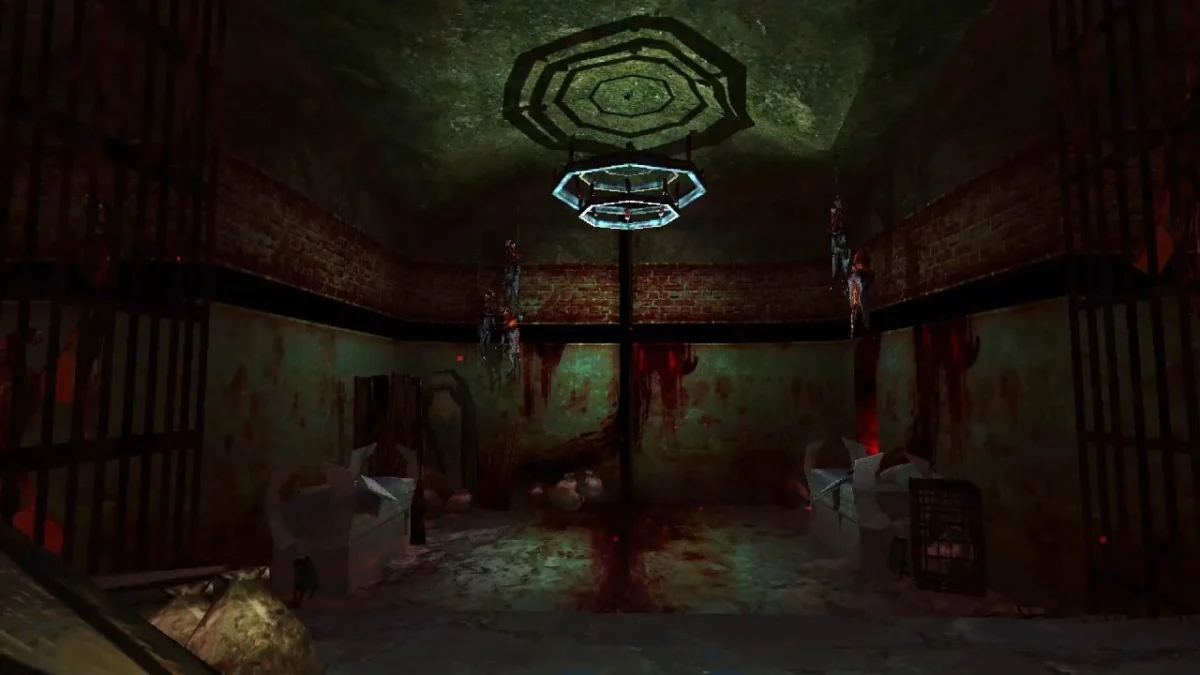
For a generation of gamers, the mid-to-late 1990s represented the golden age of terror. It was an era defined by the limitations of technology—fixed camera angles, "tank" controls, and limited inventory slots—that paradoxically created a heightened sense of vulnerability. As the industry pivoted toward high-octane action and cinematic "walking simulators," the specific, suffocating tension of early Resident Evil and Silent Hill began to fade from the mainstream.
However, we are currently witnessing a profound renaissance. A growing cadre of independent developers is proving that the classic survival horror formula is not a relic of the past, but a timeless framework for psychological mastery. By stripping away the modern crutch of "over-the-shoulder" empowerment, these creators are returning to the core tenets of the genre: resource scarcity, labyrinthine puzzle-solving, and an omnipresent sense of helplessness.
The Anatomy of Fear: Defining the Survival Horror Renaissance
The modern survival horror resurgence is characterized by a deliberate rejection of "action-first" design. Where contemporary AAA horror often focuses on visceral spectacle, these titles prioritize the "economy of fear."
The core mechanics remain consistent: players must manage a finite supply of ammunition and health, navigate environments where every door is a potential death trap, and engage with puzzles that serve as locks to the progression of a hostile world. This creates a psychological feedback loop where the player is constantly weighing the cost of survival against the necessity of exploration. The following five titles represent the vanguard of this movement, each interpreting the classic blueprint through a unique lens.

Chronology of Influence: From PS1 Roots to Indie Innovation
The path to the current survival horror boom began in the late 2010s, as the indie scene identified a massive gap in the market. While Capcom eventually returned to the roots of Resident Evil with the RE2 Remake and RE7, the indie space began crafting experiences that felt like "lost" sequels to the 32-bit era.
Tormented Souls 2: A Masterclass in Refinement
If the original Tormented Souls was a love letter to the genre, its sequel is a polished, confident thesis on why the genre remains relevant. The game retains the quintessential fixed camera angles and methodical movement that defined the 1996 original, but it strips away the archaic frustrations of that era.
Tormented Souls 2 succeeds because it trusts the player. It avoids modern hand-holding, instead opting for environmental storytelling and complex, layered puzzles that require genuine deductive reasoning. It is the gold standard for players seeking a "classic" experience that feels like it was developed with the benefit of three decades of design iteration.
Signalis: The Psychological Sci-Fi Epitome
Signalis represents perhaps the most significant departure from traditional gothic settings, transporting the survival horror formula into a bleak, cosmic sci-fi landscape. Its brilliance lies in its atmosphere—a suffocating, cold, and lonely aesthetic that feels inspired by Neon Genesis Evangelion and Silent Hill.

Beyond its mechanics, Signalis is a narrative triumph. By weaving a deeply personal, non-linear story, it challenges the player to interpret the horror rather than simply survive it. The scarcity of resources is not just a gameplay mechanic; it is a narrative device that forces the player to choose which battles are worth the trauma of engagement.
Alisa: A Time Capsule with a Twist
Alisa is a fascinating experiment in aesthetic preservation. It looks, sounds, and plays like a game unearthed from a dusty shelf in a 1998 video game store. With its stylized, pre-rendered backgrounds and deliberate tank controls, it is a deliberate homage to the early days of 3D gaming.
However, what separates Alisa from a mere nostalgia trip is its "weirdness." The game’s world is eccentric, bordering on the surreal, which allows it to carve out a unique identity. It manages to feel both familiar and entirely alien, proving that even a rigid adherence to retro mechanics can feel fresh when paired with a bold, off-kilter artistic vision.
Crow Country: The Accessible Nightmare
Perhaps the most approachable entry in this list, Crow Country masterfully balances accessibility with tension. Its visual style—reminiscent of the blocky, charming aesthetic of Final Fantasy VII—belies a game that is genuinely unsettling.

Crow Country excels in its environmental design. The park setting is a contained, intricate map that rewards curiosity. It is the perfect gateway drug for players who are intimidated by the difficulty spikes of traditional survival horror but want to experience the specific "loop" of exploring a dangerous, locked-down environment.
Sorry We’re Closed: Innovation Through Style
Sorry We’re Closed is the outlier. While it utilizes the foundational pillars of resource management and tension, it injects a highly stylized, surrealist narrative that pushes the genre’s boundaries. It proves that survival horror is a flexible container, capable of holding emotional, philosophical, and bizarre stories without losing the pulse-pounding anxiety that defines the genre.
Supporting Data: Why Players Are Returning to the "Tank"
Market data from the last five years indicates a significant shift in player preference. Steam and console metrics show that games labeled "Survival Horror" with "Retro" or "Difficult" tags consistently see higher engagement rates and longer playtimes than high-budget, action-heavy horror titles.
The appeal is rooted in "cognitive load." Modern action games often automate the player’s movement and provide constant UI feedback. In contrast, the titles mentioned above force the player to remain hyper-vigilant. When every bullet count matters and a fixed camera obscures a potential threat, the player’s brain enters a heightened state of alert. This "active" participation is what players describe as "real" horror—a feeling that is lost when the player is given too much agency or firepower.

Industry Implications and Future Outlook
The success of these titles has sent a clear signal to the industry: there is a sustainable, passionate audience for deliberate, challenging, and atmospheric horror.
We are seeing a ripple effect. Larger studios are beginning to incorporate "limited resource" modes into their games, acknowledging that the player base is demanding more agency over their own vulnerability. Furthermore, the success of these indie titles has lowered the barrier to entry for developers who don’t have the massive budgets of a Capcom or Konami, but possess the vision to craft terrifying, intimate experiences.
The implication for the future is a more bifurcated horror market. On one hand, we will continue to see cinematic, big-budget blockbusters. On the other, the "Classic Revival" movement is cementing itself as a permanent fixture, ensuring that the legacy of fixed-camera, resource-starved terror will not just survive, but thrive for another decade.
Conclusion: The Door Is Still Open
Whether you are a veteran who cut their teeth on the original Resident Evil or a newcomer curious about why these "archaic" mechanics still hold so much power, the current landscape offers something for everyone.

These games aren’t just remaking the past; they are expanding the vocabulary of fear. They remind us that sometimes, the most terrifying thing in a game isn’t the monster chasing you—it’s the empty chamber in your gun, the long, dark hallway ahead, and the knowledge that you are utterly, delightfully alone.
What about you? Which modern survival horror title has left you looking over your shoulder? Let us know in the comments below.










No comments yet. Be the first to join the conversation!