Nana Wu
By Jamie Lang | May 5, 2026
After more than a decade navigating the upper echelons of the animation industry, Emily Brundige has reached a definitive conclusion regarding the future of her creative career. The veteran story editor—known for her work on Hilda, the Harvey Comics reboot, and her double-Emmy-nominated Apple TV+ series Goldie—has officially closed the door on the traditional studio system.
"I’m so grateful to have had that experience," Brundige reflects, referencing the sale of her acclaimed Goldie short to a global platform. "But I’m like, never going to do that again with my own IP. I’m done."
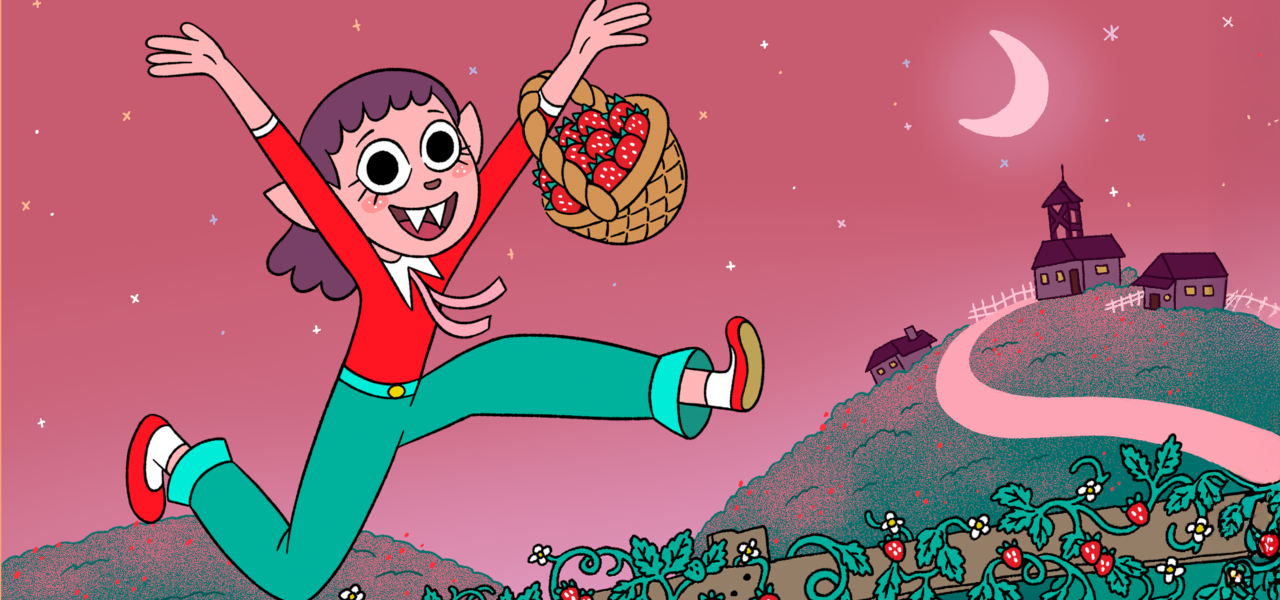
That radical departure from corporate gatekeepers has birthed Strawberry Vampire, an indie animated series that is currently rewriting the playbook on how independent creators can bypass traditional development hell to build sustainable, audience-funded franchises.
The Chronology of an Indie Pivot
Brundige’s journey away from the studio model was not an overnight decision but a culmination of years observing the systemic limitations of legacy media.
Last year, the first phase of Strawberry Vampire began as a modest, "friends-and-family" Kickstarter campaign. Raising approximately $8,000, Brundige sought only to produce a pilot—a hybrid of animatics and finished animation. When that pilot premiered on YouTube this past Halloween, the results were instantaneous and overwhelming: 60,000 views in just 48 hours on a channel with only 2,000 subscribers.
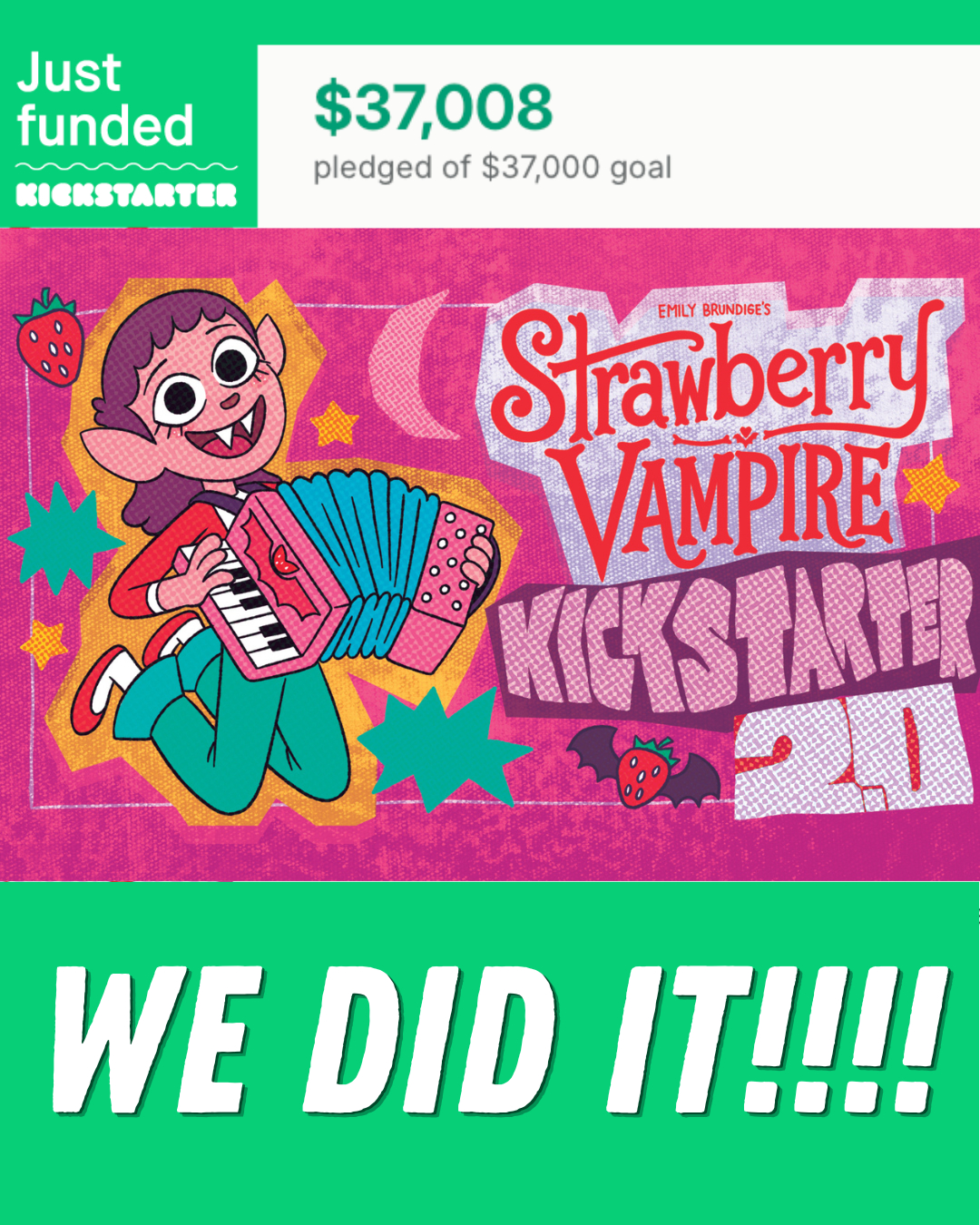
The pilot’s success transformed what was intended to be a singular, personal short into a burgeoning property with a dedicated, vocal fanbase. Buoyed by this momentum, Brundige launched a second, more ambitious crowdfunding campaign. In a move that highlights the power of creator-fan collaboration, she deferred to her audience on the project’s direction, with backers voting to fund two additional episode animatics rather than spending the resources to finish the initial pilot in full animation.
Supporting Data: The Power of Community-Driven Funding
The success of Strawberry Vampire is not just a triumph of creativity; it is a case study in modern audience engagement. By utilizing Kickstarter as a bridge between production and viewership, Brundige has effectively decentralized the "test screening" process.
In the traditional studio model, testing is often performed on small, demographic-specific groups that are, as Brundige notes, "trained to give feedback" in ways that often feel clinical or prejudiced. Conversely, the YouTube comments section on her pilot provided immediate, global, and unfiltered reactions.
"There was so much passion for it," she explains. "In the comments, it was stuff like, ‘My God, this is just what I would have liked to watch.’ Or, ‘This is the best immigrant cartoon show I’ve ever seen.’"
The second campaign’s success even triggered a bizarre, AI-generated LinkedIn narrative claiming the show would become a billion-dollar franchise. While Brundige laughed off the hyperbole, she acknowledged the underlying reality: "I’m going to lean into this because studio heads and people with money believe AI LinkedIn posts more than they do me."
A Love Letter to Ancestry: The Narrative Core
Beyond the business mechanics, Strawberry Vampire is a deeply personal project. Brundige, the granddaughter of Holocaust survivors who eventually settled in Southern California, long sought to translate her family’s traumatic history into her chosen medium: comedy animation.
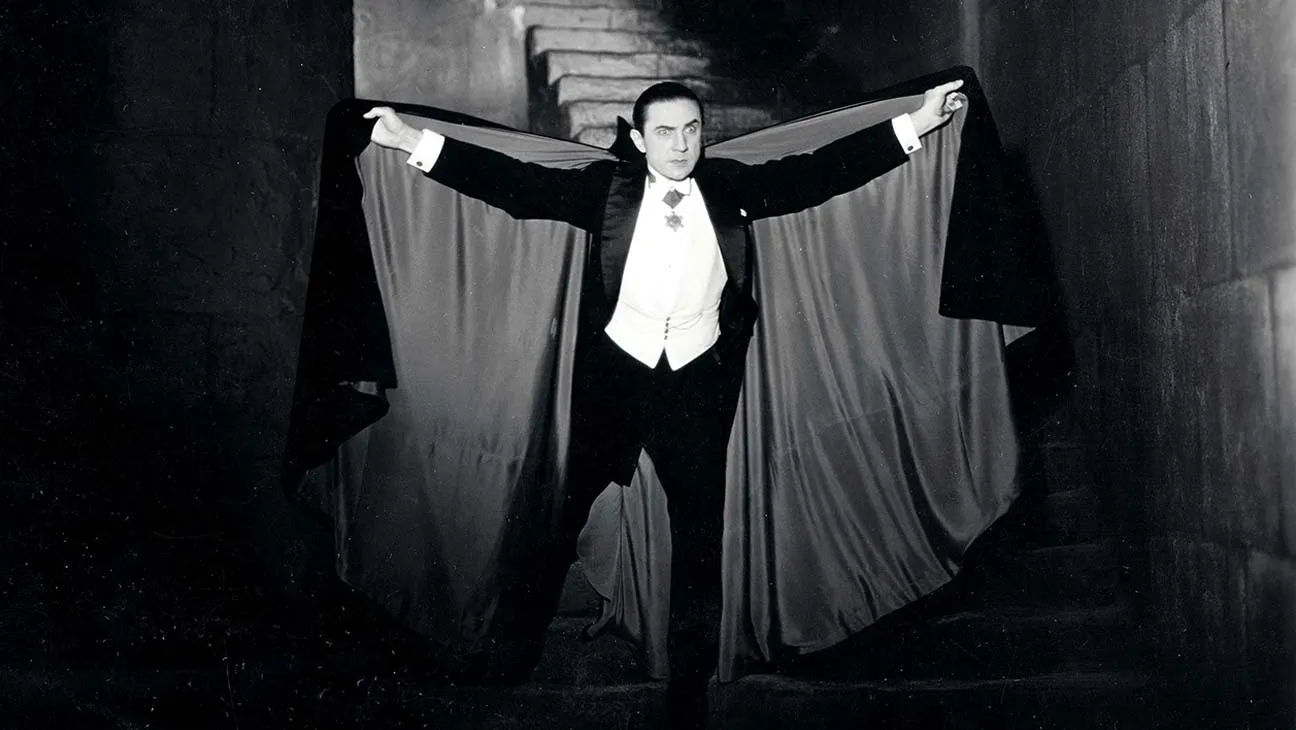
"It felt hard to do. I couldn’t find the way in because it was so dark," she says. The breakthrough came through an unexpected synthesis of pop culture and personal heritage. Recognizing that Bela Lugosi, the face of cinematic Dracula, was Hungarian, she found a metaphor that allowed her to explore her roots through a whimsical, non-threatening lens.
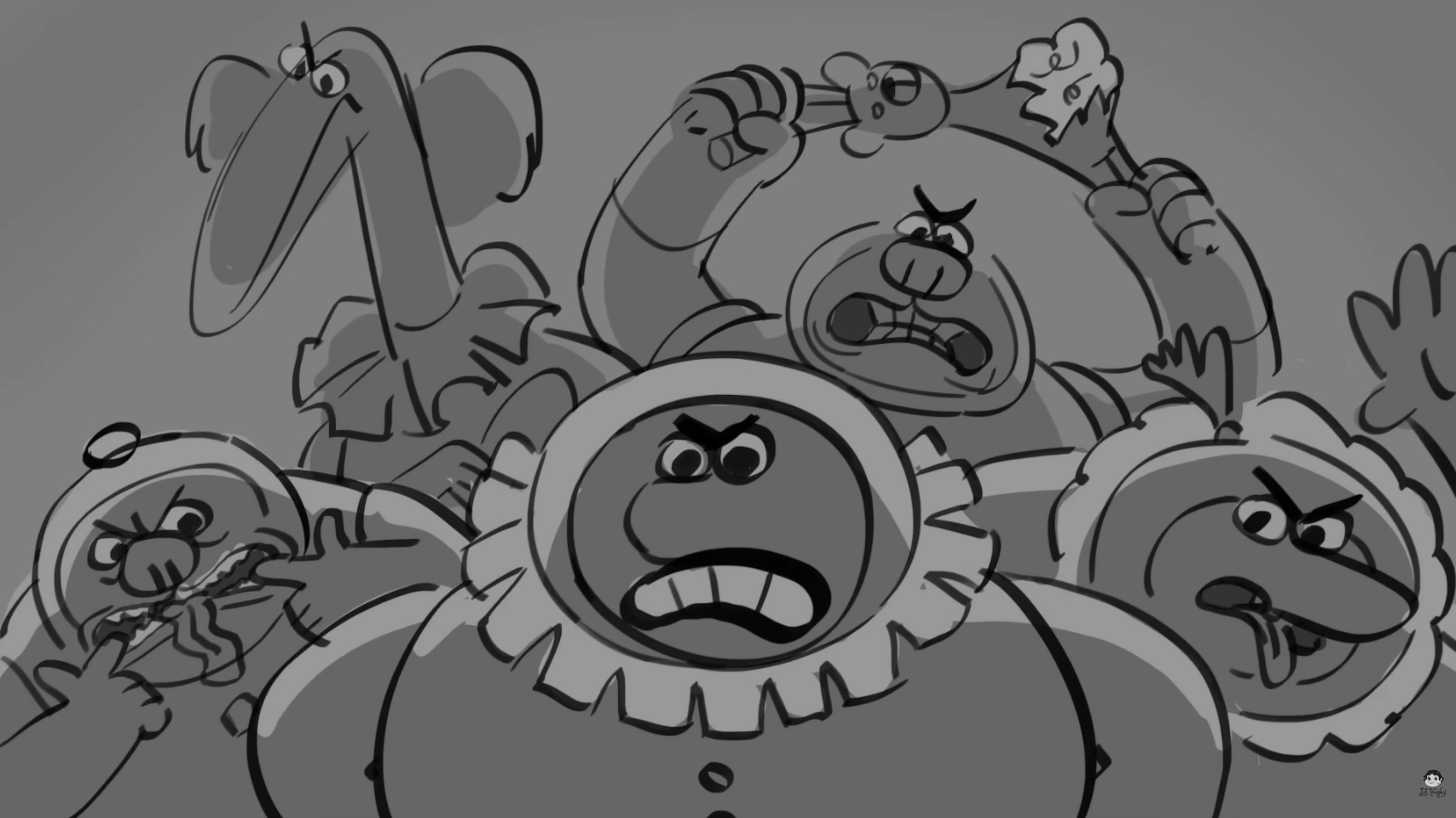
The "vampire" aspect of the show became a vehicle for her family’s narrative, while the "strawberry" element served as a playful substitute for blood, mirroring the tone of classic children’s content like Bunnicula. To handle the sensitive subject of the fascists who drove her family out of Hungary, Brundige drew inspiration from the Beatles’ Yellow Submarine. The result: the "sour grumpires"—villains who are "horrible, but goofy as heck."
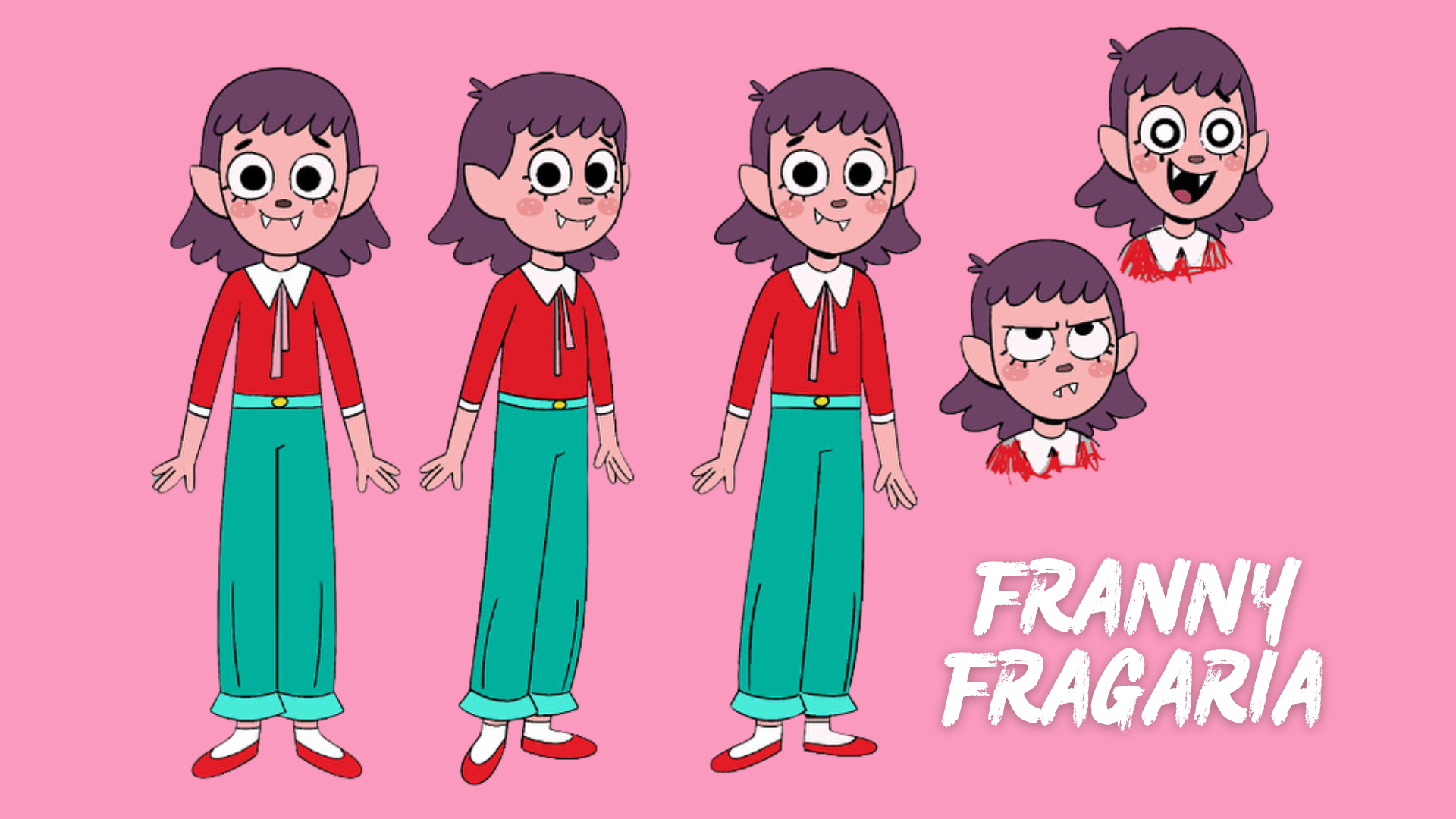
The show’s protagonist, Franny, is an homage to Brundige’s mother’s cousin, Marika, whose real-life immigrant experience—including the struggles of learning a new language and the casual cruelty of teachers—provides the emotional weight for the series.
Implications for the Studio System
Brundige is vocal about the fact that the studio system has lost its way regarding IP longevity. She points to the industry’s current obsession with short-term metrics, where shows are often canceled if they do not become "smash hits" within a 90-day window.
"If you look at any huge IP, like SpongeBob or even Bluey, Bluey took two seasons to really hit with the public," she notes. "The way that studios are looking at shows now… they give them a 90-day window. If this doesn’t prove a smash hit in 90 days, that means it’s not going to be successful. We’re not going to put more money behind it."
Her experience with Goldie serves as the perfect indictment of this approach. Despite earning two Emmy nominations, the show was ultimately discarded by the platform. "It was totally gone. But yay [for the Emmys]," she says dryly.
Consequently, Brundige has redefined her own success. She is no longer tethered to the "full-series" mandate. Her goal is to build a "universe"—a modular ecosystem that can include long-form animation, shorts, or even interactive media like video games.
The New Rules of Engagement: Visibility and Ethics
A crucial component of Brundige’s transition is her newfound visibility. For years, as a "behind-the-scenes" creative, she was anonymous to the audience. By self-publishing guides on animation development and actively participating in public discourse, she has fostered a direct connection with her viewers.
"Sharing is part of indie animation’s success," she asserts. "Part of the joy that the fans have is watching the person behind the project and going on this journey with them."
However, this visibility comes with its own set of challenges. Brundige is candid about the "tone-deaf" requests for free labor and advice she receives via social media. She actively pushes back against the industry-standard exploitation of "dream-job" labor, opting instead for a model of fair compensation. When she sees talent in the fan community, she reaches out to hire them, ensuring that both the project and the contributors benefit from the growth.
Looking Forward: The Long Game
As the Strawberry Vampire project expands with new animatics and potential merchandise, Brundige remains steadfast in her commitment to independence. By leveraging her composer connections (including Big Nate composer Frederik Wiedmann) and leaning into an aesthetic that feels like a love letter to her "old soul" influences—Pippi Longstocking and Pee-Wee Herman—she is building something that feels authentically her own.
For creators watching from the wings of the studio system, Brundige offers a simple, if daunting, piece of advice: "It’s not our normal muscles that we’re flexing. But just know that there’s no shame. You can be your freaky self, and someone will love you for it."
In an era of corporate consolidation and short-sighted cancellations, Emily Brundige isn’t just making a show; she is proving that the future of animation might not be found in a boardroom, but in the direct, transparent, and persistent connection between a creator and their audience. "With my project now," she concludes, "I’m in it for the long haul and for ownership."

 Jia Lissa
 Lina Hope