Azzam Bilal Chamdy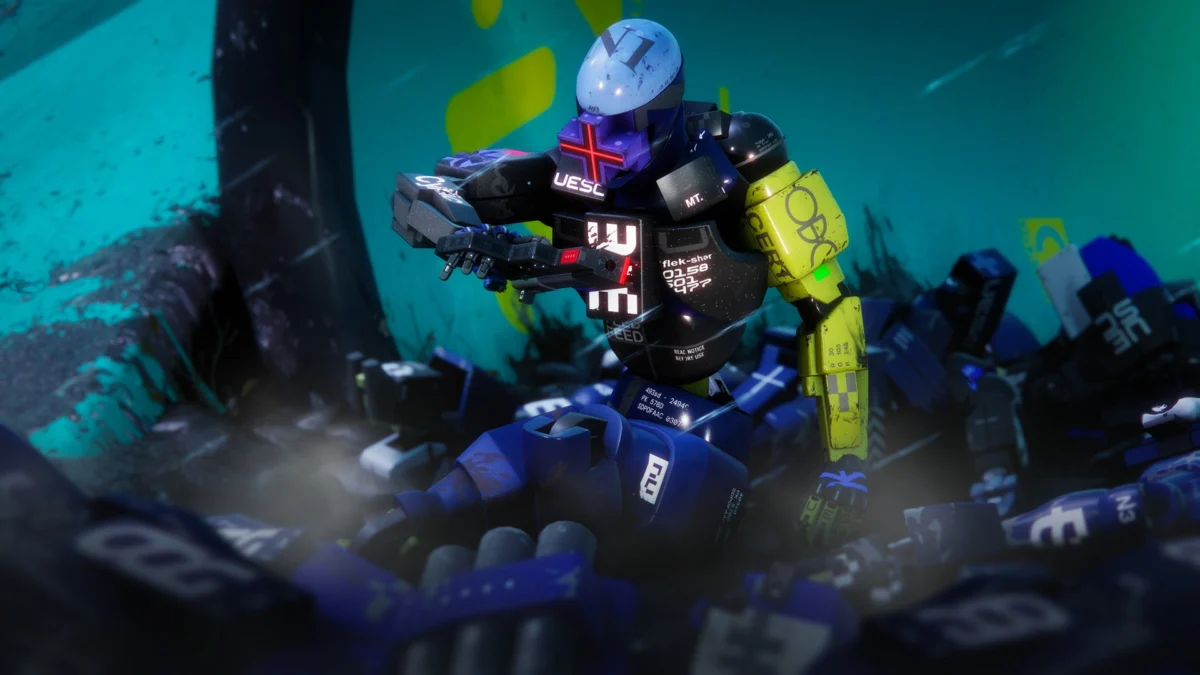
Initial player engagement for Bungie’s highly anticipated extraction shooter, Marathon, has registered significantly below expectations set by its pre-release "Server Slam" event. Despite a positive critical reception from early players, the full launch has struggled to recapture the robust concurrent player numbers seen during its free testing phase, raising questions about its immediate trajectory in the competitive live-service landscape.
The Core Disparity: Launch vs. Server Slam
Bungie, the renowned studio behind the Halo franchise and the immensely popular Destiny universe, recently unveiled its next major title, Marathon, to the public. Positioned as a sci-fi extraction shooter, the game’s launch has been met with a peculiar market response: while user reviews are overwhelmingly positive, the sheer volume of players engaging with the paid product is markedly lower than those who participated in its recent, free open beta, dubbed the "Server Slam."
During the multi-day Server Slam event, Marathon achieved an impressive peak of 143,621 concurrent players on Steam. This figure demonstrated significant public interest and suggested a strong appetite for Bungie’s return to the Marathon IP. However, following its official launch, the game’s peak concurrent player count on Steam plummeted to 88,337. This represents a drop of over 38% from its beta high, a concerning trend for a title aiming to establish itself as a long-term live-service experience.
This performance stands in stark contrast to other recent entries in the genre, such as Embark Studios’ Arc Raiders. Arc Raiders saw its launch player numbers significantly outpace its own pre-release testing events, a more conventional and desirable outcome for a new game. The discrepancy for Marathon prompts a deeper examination of its development journey, market positioning, and the evolving dynamics of player acquisition in the modern gaming era.
A Troubled Odyssey: Delays, Lawsuits, and Reboots
The path to Marathon‘s launch has been anything but smooth, characterized by a series of high-profile challenges that undoubtedly impacted its development cycle and potentially public perception. The project, a reimagining of Bungie’s classic 1994 first-person shooter, has endured multiple delays since its initial announcement. Such postponements, while often necessary for quality assurance, can temper initial enthusiasm and create a narrative of uncertainty around a game.
Beyond scheduling setbacks, Marathon also faced an internal reboot at one stage, a significant undertaking that typically involves substantial changes to core gameplay mechanics, narrative direction, or even the underlying engine. Such reboots, while sometimes leading to a stronger final product, often signal fundamental issues in early development and can extend development times considerably. For a studio as prominent as Bungie, known for its polished releases, an internal reboot on a flagship title is a rare and notable event.
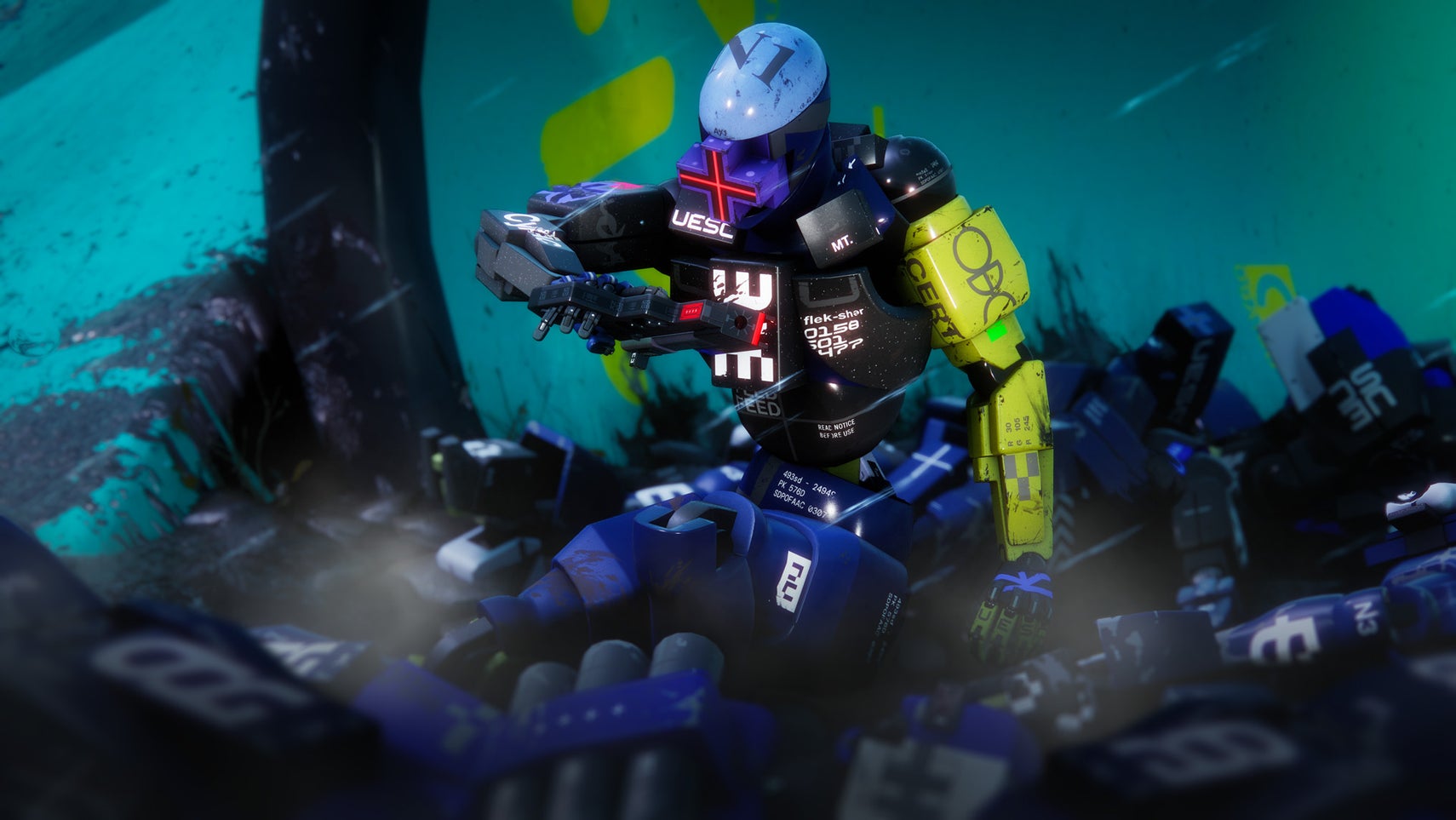
Adding another layer of complexity was a reported plagiarism lawsuit that surfaced during the game’s development. While the specifics of the lawsuit and its eventual resolution (or lack thereof in public knowledge) remain somewhat opaque, the mere existence of such legal battles can divert resources, introduce additional stress to development teams, and potentially cast a shadow over a game’s public image even before launch. These combined factors paint a picture of a game born from a challenging crucible, perhaps influencing how it was perceived or marketed in its final run-up to release.
Diving into the Data: Server Slam vs. Launch Analytics
The contrasting player figures between Marathon‘s Server Slam and its official launch provide a compelling case study in modern game marketing and player psychology. The Server Slam, a free, multi-day event, allowed prospective players to experience a substantial portion of the game, including multiple classes, two maps, and key progression systems. This approach typically serves as a highly effective marketing tool, generating buzz, stress-testing servers, and converting curious players into day-one purchasers. For Marathon, it certainly generated buzz, evidenced by its peak of 143,621 concurrent players, a figure that would be enviable for many established titles, let alone a beta.
However, the subsequent drop to 88,337 concurrent players at launch, as tracked by platforms like SteamDB, indicates a significant portion of the Server Slam participants did not convert into paying customers on day one. Several factors could contribute to this phenomenon:
- Price Point: As a paid product, Marathon enters a market saturated with free-to-play (F2P) alternatives in the shooter genre. Players who enjoyed the free beta might have been hesitant to commit financially, especially if they have other F2P options or other paid games in their backlog. The shift from "free access" to "paid entry" is a critical hurdle for any game, and Marathon‘s initial price might have been a barrier for a segment of its interested audience.
- Genre Saturation: The extraction shooter genre, while popular, is also incredibly competitive. Titles like Escape from Tarkov, Hunt: Showdown, DMZ (from Call of Duty), and the aforementioned Arc Raiders all vie for player attention and wallets. Players might be cautious about investing in another paid entry, preferring to wait for more long-term reviews or a price drop.
- Beta Fatigue/Curiosity Fulfillment: Some players might have participated in the Server Slam purely out of curiosity or to experience the game without the intention of purchasing it. For them, the beta fulfilled their desire to try the game, and they moved on without feeling the need to buy the full version.
- Marketing Efficacy: While the Server Slam itself was a form of marketing, perhaps the broader pre-launch marketing campaign failed to adequately convert the casual interest generated by the beta into definitive purchase intent for the full game.
The comparison with Arc Raiders further highlights this challenge. Arc Raiders, another extraction shooter, managed to not only replicate but significantly exceed its beta player numbers at launch. This success is often attributed to effective pre-launch communication, compelling gameplay that resonated deeply, and perhaps a more aggressive or appealing launch strategy. The ability of Arc Raiders to convert free interest into paid engagement offers a blueprint that Marathon has, at least initially, struggled to follow.
The Silver Lining: A ‘Very Positive’ User Reception
Despite the lower-than-anticipated player numbers, Marathon holds a significant advantage: its community sentiment. The game currently boasts a "Very Positive" user review rating on Steam, based on over 4,600 reviews. This is a crucial metric for any live-service game, as positive word-of-mouth is often the most powerful driver of long-term player growth.
A "Very Positive" rating suggests that players who did purchase and play the game are largely satisfied with the experience. They appreciate the gameplay, mechanics, and overall vision Bungie has presented. This positive feedback can act as a powerful organic marketing tool, as satisfied players are far more likely to recommend the game to their friends, stream it, or engage in online discussions that draw in new interest. In an era where player reviews and community sentiment heavily influence purchasing decisions, Marathon‘s strong initial reception could be its greatest asset in overcoming a slower start.

The positive reviews also hint that the core gameplay loop and Bungie’s signature polish are largely intact, despite the difficult development cycle. This foundation is essential for a live-service title, as it provides a solid base upon which future content updates, seasonal passes, and community engagement initiatives can build.
Official Responses and Bungie’s Path Forward
As of this report, Bungie has not released an official statement specifically addressing the initial launch player numbers for Marathon. This is not uncommon for game launches, as studios often prefer to gather more comprehensive data over the initial launch weekend before making public comments. However, the coming days will be critical for the game’s immediate future.
It is anticipated that Bungie will closely monitor player engagement, server stability, and community feedback throughout the launch period. Any official response, when it comes, will likely focus on the positive aspects, such as the strong user review sentiment, while perhaps acknowledging the initial player curve and outlining plans for future content and community engagement.
Bungie’s strategy will likely revolve around leveraging the positive word-of-mouth. This could involve:
- Active Community Engagement: Directly interacting with players on forums, social media, and through official channels to address concerns and gather feedback.
- Content Roadmap: Quickly communicating a clear and exciting content roadmap for future seasons, updates, and events to assure players of the game’s long-term viability.
- Performance Optimizations and Bug Fixes: Prioritizing stability and performance improvements based on player feedback to ensure a smooth experience for all.
- Targeted Marketing: Potentially adjusting marketing efforts to highlight the "Very Positive" reviews and the unique selling points that are resonating with current players.
- Consideration of Free Weekends/Trials: In the future, Bungie might consider offering additional free play weekends or limited-time trials to re-engage players who participated in the Server Slam but didn’t convert, or to attract new players.
Implications for Bungie, Sony, and the Live-Service Market
The launch performance of Marathon carries significant implications for Bungie, its parent company Sony, and the broader live-service gaming market.
For Bungie: As a studio renowned for creating enduring live-service titles like Destiny 2, the initial Marathon numbers present a challenge. While Destiny 2 remains a powerhouse, Marathon was envisioned as Bungie’s next big IP, diversifying their portfolio and demonstrating their ability to innovate beyond the Destiny universe. A slower start could impact internal morale, resource allocation, and the overall perception of the studio’s ability to launch new successful IPs. However, Bungie has a proven track record of iterating and improving games post-launch, as seen with Destiny‘s evolution, suggesting they have the expertise to navigate this.

For Sony: Sony’s acquisition of Bungie for $3.6 billion was a strategic move to bolster its live-service offerings and expand its presence in multi-platform gaming. The success of Marathon is therefore crucial for validating this investment and demonstrating Sony’s commitment to building a robust live-service ecosystem. A lukewarm launch, even with positive reviews, could delay the realization of Sony’s ambitions in this sector. However, Sony’s long-term vision likely accounts for the iterative nature of live-service games, and they will likely support Bungie in growing Marathon over time.
For the Live-Service Market: Marathon‘s launch highlights the increasing difficulty of breaking into the crowded live-service market, especially with a premium, paid title. Players are more discerning, often preferring established F2P games or waiting for significant discounts. The distinction between free beta participation and paid launch conversion is becoming more pronounced. This trend underscores the importance of a compelling unique selling proposition, aggressive post-launch content, and a strong community foundation for any new live-service game hoping to thrive. It also reinforces the idea that initial launch numbers are not always the sole determinant of long-term success; consistent updates and player satisfaction can often turn a slow start into a marathon, not a sprint.
The coming weekend will be a crucial barometer for Marathon. As more players log on and word-of-mouth continues to spread, it will become clearer whether Bungie’s latest venture can truly pull an Arc Raiders and find its stride, or if it faces a longer, more challenging uphill battle to secure its place in the competitive extraction shooter arena.


 Lina Irawan
 Sagoh
Sagoh