Raul Delapena Setiawan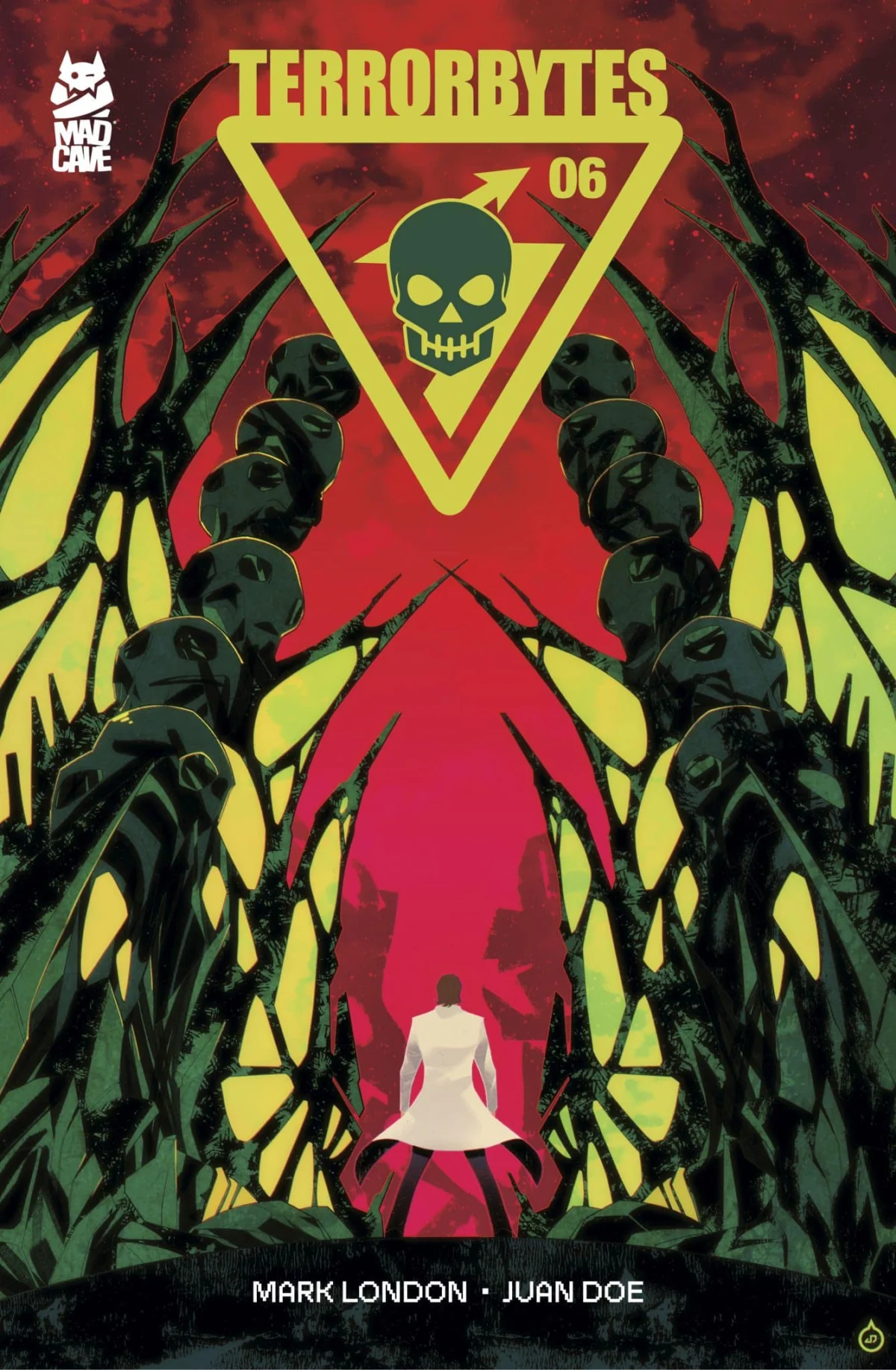
In the ever-evolving landscape of modern speculative fiction, few titles have captured the intersection of existential dread and technological anxiety as effectively as Mad Cave Studios’ Terrorbytes. As the series approaches its sixth installment, titled Witch House, the creative team of writer Mark London and artist Juan Doe promises to push the boundaries of the medium, exploring the claustrophobic intersection of virtual reality and cosmic horror.
With the release date set for mid-May 2026, anticipation is mounting for a chapter that appears to be the series’ most ambitious departure from traditional genre tropes yet. By blending the classic "UFO conspiracy" lore with modern anxieties surrounding digital consciousness and isolation, Terrorbytes #6 is poised to be a defining moment for the title.
The Core Narrative: A Descent into Alien Architecture
At the heart of Terrorbytes #6 lies the harrowing journey of Dr. Asher. The premise—a man trapped within a fully immersive, alien-derived virtual reality system recovered from the legendary Roswell UFO crash—serves as a high-stakes crucible for the protagonist.
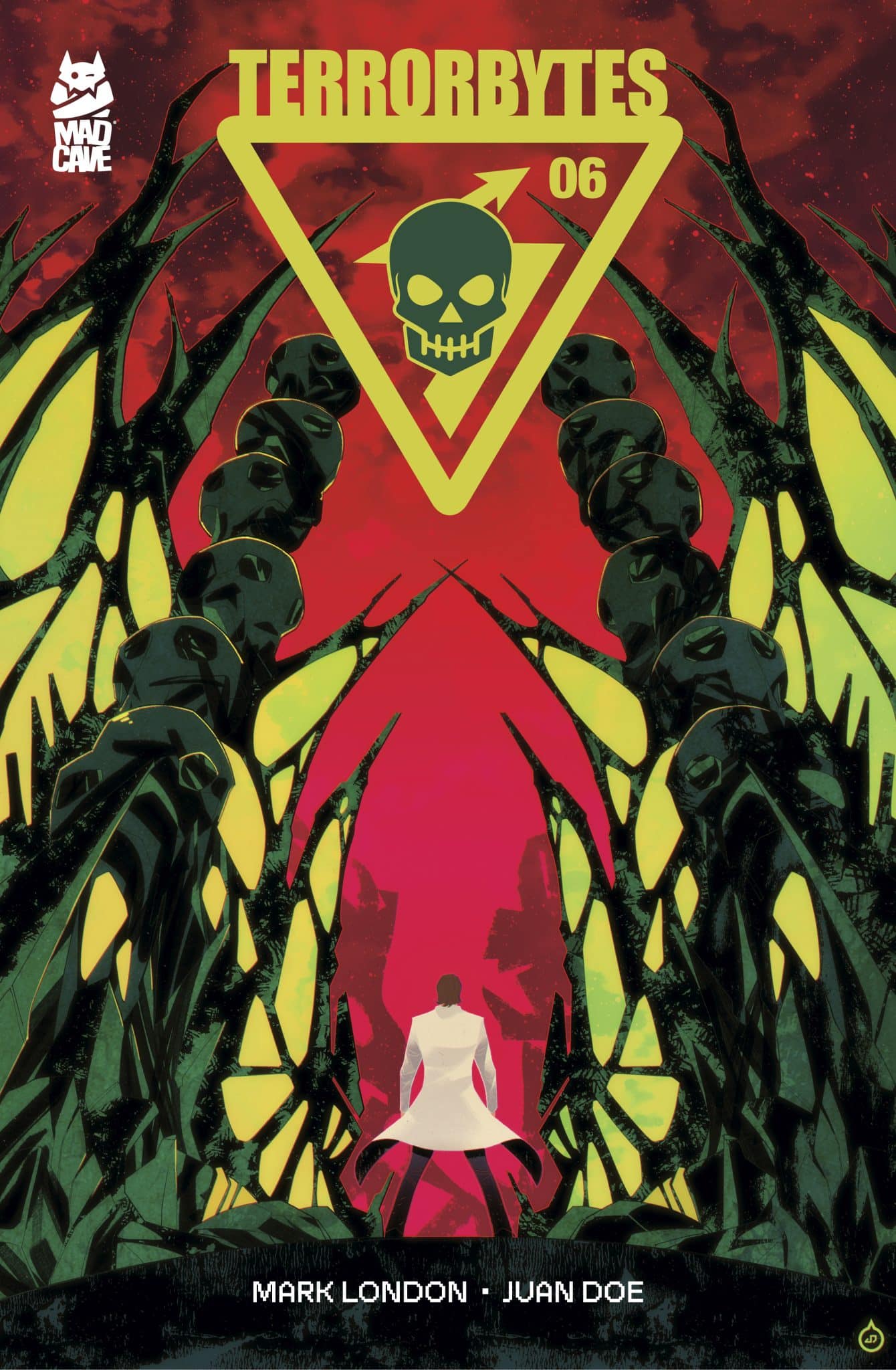
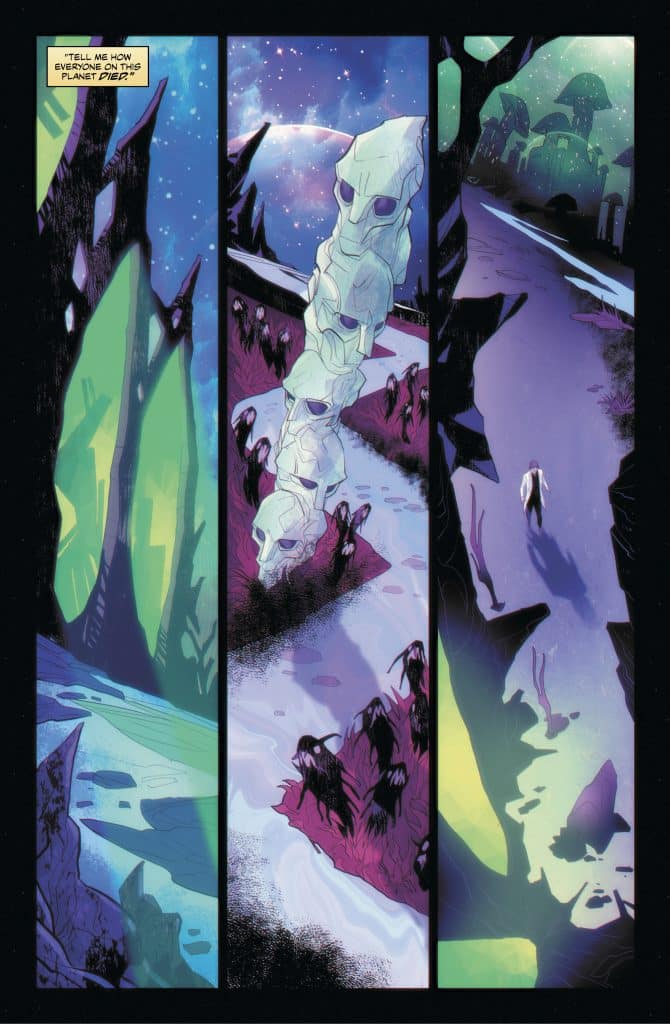
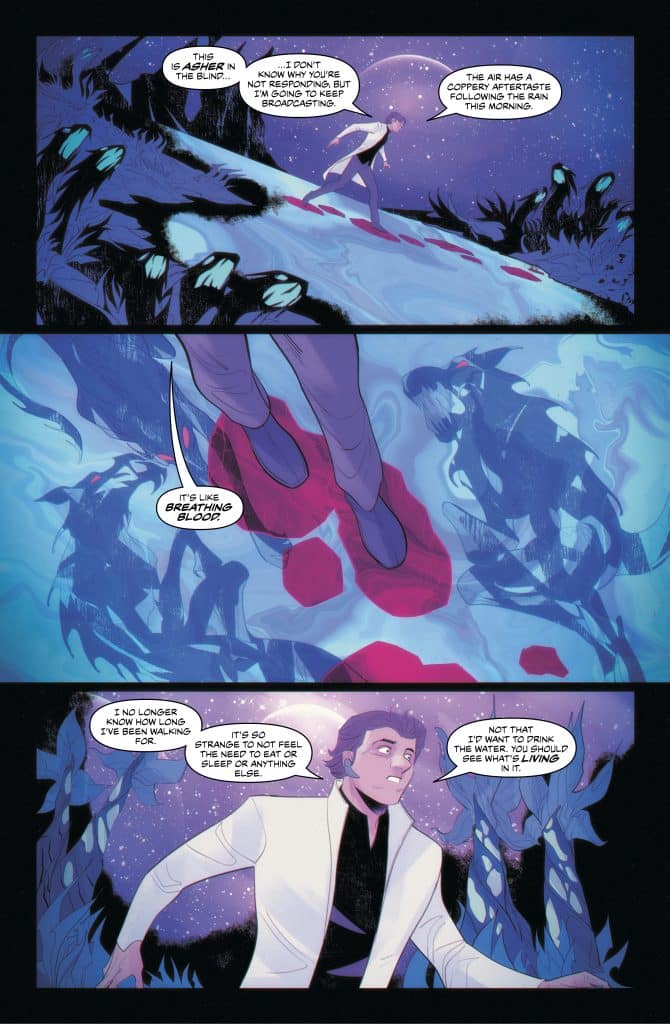
The narrative tension is built upon a simple but devastating binary: Dr. Asher is exploring a decaying, alien environment composed of bone fields, glass forests, and oceans of fire, unaware that his physical tether to the real world is both his only connection to humanity and his potential death sentence. If he chooses to "pull the plug" to escape the digital nightmare, the shock of disconnection will prove fatal in the physical world. This setup creates a narrative loop of forced exploration; he must continue to delve deeper into the Witch House to find a solution, despite the fact that the environment itself is beginning to fracture under the weight of his presence.
Chronology of the Terrorbytes Saga
To understand the weight of the sixth issue, one must examine the progression of the series to date. Since its inception, Terrorbytes has functioned as a slow-burn thriller that gradually peeled back the layers of its high-concept premise.
- Initial Discovery: The early chapters established the existence of the "Roswell VR," a recovered piece of technology that defied human understanding. The series grounded itself in the cold, calculated environment of a research facility, where the focus was on the ethics of reverse-engineering extraterrestrial tech.
- The Breach: Mid-series issues saw the "infection" of the real world by the digital, as the boundaries between user and simulation began to blur.
- The Escalation: As Dr. Asher spent more time in the machine, the psychological toll began to manifest in physical reality. The transition from the clinical, sterile world of the laboratory to the surreal, nightmare-scape of the Witch House marks the current, critical phase of the story.
- The Current Moment: Terrorbytes #6 represents the point of no return. The inhabitants of the digital realm are finally acknowledging Dr. Asher’s presence, signaling a shift from passive exploration to active interaction—and, potentially, confrontation.
Supporting Data: The Craft Behind the Horror
The visual language of Terrorbytes is as vital to the experience as its script. Juan Doe’s artistic contribution to Witch House cannot be overstated. By utilizing high-contrast color palettes—the "glass forests" and "firefall oceans" described in the preview materials—Doe creates a sense of "otherness" that feels both alien and oppressively tactile.
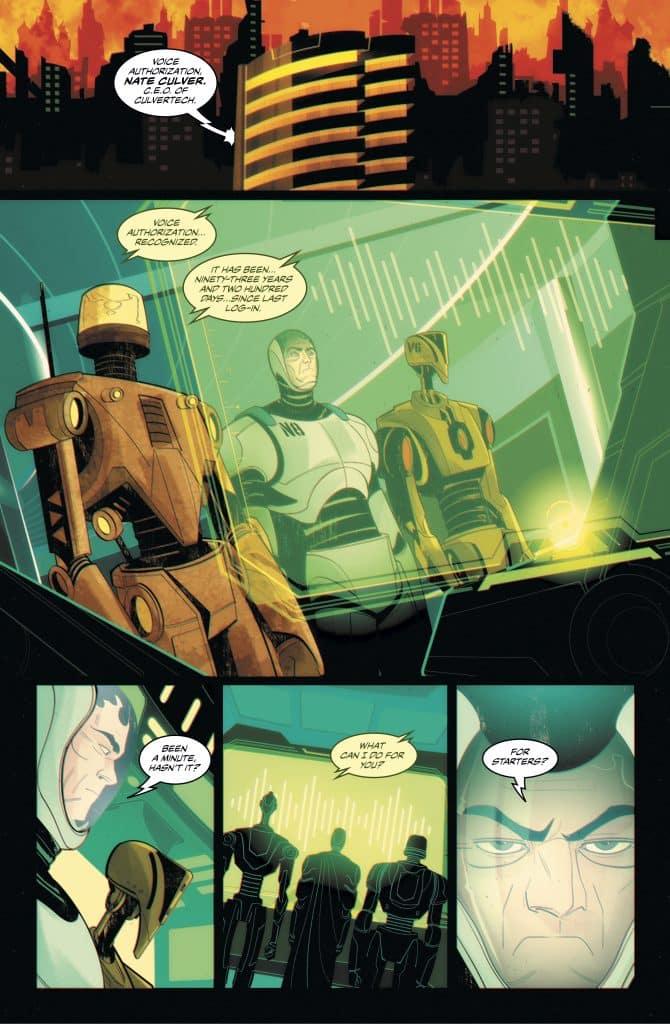
According to design documents released by Mad Cave Studios, the visual style for the Witch House is intended to evoke a "techno-Gothic" aesthetic. This is a deliberate choice to distinguish the simulation from the sterile, corporate-dominated aesthetic of the laboratory sequences. The data suggests that as Dr. Asher’s mental state deteriorates, the art style will move from coherent, sharp lines to more abstract, surrealist compositions, reflecting his loss of touch with his own humanity.
Official Commentary and Creative Vision
Mark London, the visionary behind the Terrorbytes narrative, has consistently described the series as a meditation on the cost of human curiosity. In internal briefings regarding the sixth issue, London emphasized that the Witch House is not merely a level within a game, but a mirror to the protagonist’s own psyche.
"The horror in Terrorbytes isn’t just the monsters or the alien landscapes," London remarked during a recent press discussion. "It is the terrifying realization that we have built something we cannot control, and we have entered a space that was never meant for us. Dr. Asher is a man who wanted to know the truth of the universe, and in Witch House, he is finally going to get it—whether he survives the transaction or not."
Mad Cave Studios has also noted that this issue serves as a thematic pivot point. The editorial team suggests that readers should pay close attention to the background elements in the panels, as the "fracturing time" mentioned in the solicitations serves as a narrative device that hides clues regarding the true nature of the Roswell artifacts.
The Implications of "Going Too Far"
The central theme of Terrorbytes #6—the cost of going too far—has broader implications for the series’ future. If Dr. Asher manages to survive, he will be permanently altered by the data he has absorbed. If he fails, the series posits a bleak outcome for the future of the human-alien interaction: that some doors, once opened, cannot be closed without catastrophic loss.
Furthermore, the issue raises significant philosophical questions about the nature of consciousness. If an entity is digitized within a closed system, and that system is destroyed, does the entity cease to exist, or does the consciousness leak into the "ether"? By exploring these themes, Terrorbytes elevates itself from a standard sci-fi horror comic to a piece of speculative fiction that challenges the reader to consider the ethics of AI and transhumanism.
Conclusion: Why Terrorbytes #6 Matters
As we look toward the release of Terrorbytes #6 on May 12, 2026, it is clear that this is not just another chapter in a long-running series; it is a crescendo. The collaboration between London and Doe has resulted in a work that is as visually arresting as it is narratively dense.
The combination of high-stakes science fiction, psychological horror, and a mystery that spans decades of alleged UFO history ensures that Terrorbytes will remain a topic of conversation for fans of the genre. Whether it serves as the beginning of the end or the end of the beginning, one thing is certain: Dr. Asher’s journey into the Witch House is an odyssey that no reader will soon forget.
For those looking to stay updated on the Terrorbytes universe, including future plot developments and potential spin-offs, following the official Mad Cave Studios channels and subscribing to industry newsletters remains the best way to track the unfolding mystery. As the Roswell artifact continues to hum with an unnatural frequency, one can only wonder what other secrets are waiting to be downloaded.

 Sagoh
Sagoh
 Ammar Sabilarrohman