

In a strategic pivot that mirrors the evolving landscape of digital privacy, TikTok has officially announced the launch of an ad-free subscription service for users in the United Kingdom. This development, which allows users to pay a monthly fee to remove advertisements and cease data-driven ad targeting, marks a significant departure from the platform’s traditional, ad-supported business model. By introducing this paid tier, TikTok is effectively aligning itself with the regulatory trajectory established by Meta, responding to mounting pressure from U.K. authorities regarding personal data usage and consumer choice.
The Core Offering: What the Subscription Entails
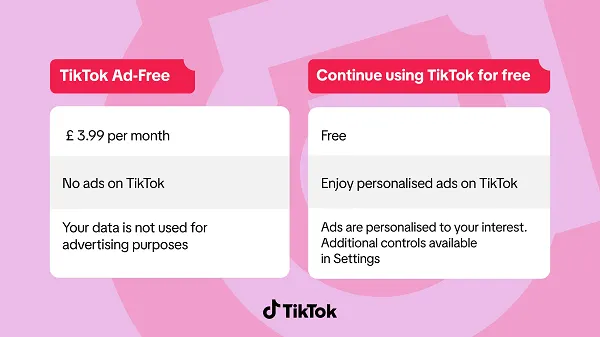
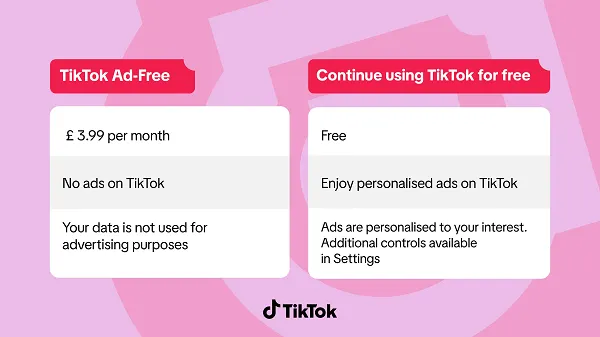
Beginning in the coming months, TikTok users in the U.K. who are aged 18 and over will be presented with a new choice: continue using the platform for free with personalized advertisements, or pay £3.99 per month (approximately $5.44) for a premium, ad-free experience.
The subscription, titled "TikTok Ad-Free," functions as a binary toggle for data privacy. By opting into the subscription, users do not merely remove the visual interruption of ads; they fundamentally alter the backend relationship between their account and the platform’s advertising engine. Under this tier, TikTok will cease the practice of using an individual’s personal data for the purpose of serving targeted advertisements. This ensures that the user’s behavior on the app—such as watch time, likes, and shares—is no longer processed to refine the ad-delivery algorithms that define the modern social media experience.
TikTok has been careful to emphasize that the core functionality of the platform remains untouched for all users. The "For You" feed, the creator ecosystem, and the interactive features that have made the app a global cultural phenomenon will persist for both subscribers and non-subscribers alike.
A Chronology of Regulatory Pressure
To understand why a platform built entirely on the foundation of hyper-targeted advertising is suddenly inviting users to pay to opt out, one must look at the legal landscape that has forced this change.
The origins of this shift trace back to a landmark legal challenge in 2022. Human rights campaigner Tanya O’Carroll initiated a high-profile case against Meta, arguing that the company’s practice of using personal information for targeted marketing violated U.K. consumer rights. Specifically, O’Carroll contended that she held a legal right to object to the use of her personal data for direct marketing purposes.
While Meta initially resisted the claim, arguing that its targeted advertising did not constitute "direct marketing" under the traditional legal definition, the litigation created a pressure cooker for Big Tech in the U.K. The resulting settlement involved a negotiation with the U.K. Information Commissioner’s Office (ICO). This settlement effectively mandated that major platforms provide users with a clear, accessible pathway to opt out of data-driven targeting.
Before this reached the U.K., the model had been road-tested in the European Union. Faced with stringent General Data Protection Regulation (GDPR) requirements and aggressive scrutiny from EU regulators, Meta introduced a similar ad-free subscription model for Facebook and Instagram users in the region. After a period of "back and forth" with European regulators, Meta secured an agreed-to framework that legalized the "pay-or-consent" model. By September, Meta expanded this offering to the U.K., and now, TikTok has determined that it is prudent to follow suit.
Official Responses and Corporate Framing
Despite the clear link to legal pressures, TikTok’s public messaging attempts to frame the move as a proactive enhancement of user experience rather than a concession to regulatory oversight.
In an official statement, a TikTok spokesperson noted: "We believe that giving our community choice over how they experience TikTok is one of the best ways to empower discovery, connection and inspiration. From different ways to shape the For You feed, to a wide range of user settings, we’re dedicated to building tools and features that help our community create the right TikTok experience for them."
This framing suggests that the subscription is a feature of user empowerment—a tool for "shaping" the experience—rather than a compliance mechanism. However, the company also took the opportunity to defend the integrity of its primary business model. Recognizing that ad revenue remains the lifeblood of its growth, TikTok highlighted the broader economic impact of its platform.
"Advertising investments on TikTok help U.K. SMEs generate hundreds of millions of pounds in revenue by reaching the right audiences at the right time, turning digital engagement into real-world growth," the company stated. "This also adds to overall U.K. GDP growth."
By highlighting the contribution of SMEs (Small and Medium-sized Enterprises), TikTok is effectively reminding regulators and the public that while privacy is a priority, the current advertising model serves a vital function in the national economy.
Implications for the Digital Advertising Ecosystem
The arrival of the £3.99 subscription tier raises several critical questions about the future of the attention economy.
The Financial Viability of Subscription Tiers
Historically, "free" platforms have struggled to convert users into subscribers. For most consumers, the inconvenience of an ad is perceived as a fair trade for the lack of a monthly bill. Industry analysts suggest that TikTok will likely see low initial uptake for the subscription, as the majority of its user base—particularly the younger demographic—has become accustomed to the ad-supported model. However, for a specific segment of "power users" who are highly privacy-conscious, the service provides a rare, tangible mechanism to regain control over their digital footprint.
The "Pay-or-Consent" Debate
The model adopted by both Meta and TikTok—known as "pay-or-consent"—remains controversial among privacy advocates. Critics argue that forcing users to pay a monthly fee to exercise their fundamental right to privacy is essentially creating a two-tiered internet where privacy becomes a luxury good. While the U.K. regulators have allowed this model for now, the debate over whether data-tracking should be a default setting remains heated.
Impact on Data Aggregation
For advertisers, the move is a potential hurdle. If a significant portion of the most active users opts for the subscription, the data pool available to TikTok’s advertising algorithms will shrink. This could lead to a decline in the precision of ad targeting, potentially impacting the ROI (Return on Investment) for brands that rely on the platform to reach niche audiences. However, as long as the vast majority of the user base remains on the free, ad-supported tier, the overall impact on TikTok’s bottom line is expected to be minimal.
Looking Forward: A Global Trend?
While the current rollout is restricted to the United Kingdom, industry observers are watching closely to see if this model will expand to other jurisdictions. TikTok is currently navigating various legislative hurdles across the globe, including the United States, where discussions regarding data usage and foreign ownership are ongoing.
If the U.K. and EU models prove successful in satisfying regulators, it is highly probable that TikTok will implement similar structures in other regions where privacy laws are tightening. The move represents a fundamental shift in the social media business model: moving away from an assumption that "data is the payment" toward a hybrid model where users can explicitly purchase their own digital autonomy.
Ultimately, the introduction of an ad-free tier is a sign of maturity for the platform. TikTok is no longer just a viral video app; it is a critical piece of the global digital infrastructure, subject to the same legal and ethical scrutiny as its predecessors. Whether this shift towards subscription-based privacy will fundamentally change how users interact with the app remains to be seen, but it is clear that in the U.K., the era of the "free" internet is becoming increasingly conditional.












No comments yet. Be the first to join the conversation!