Dwi Wanna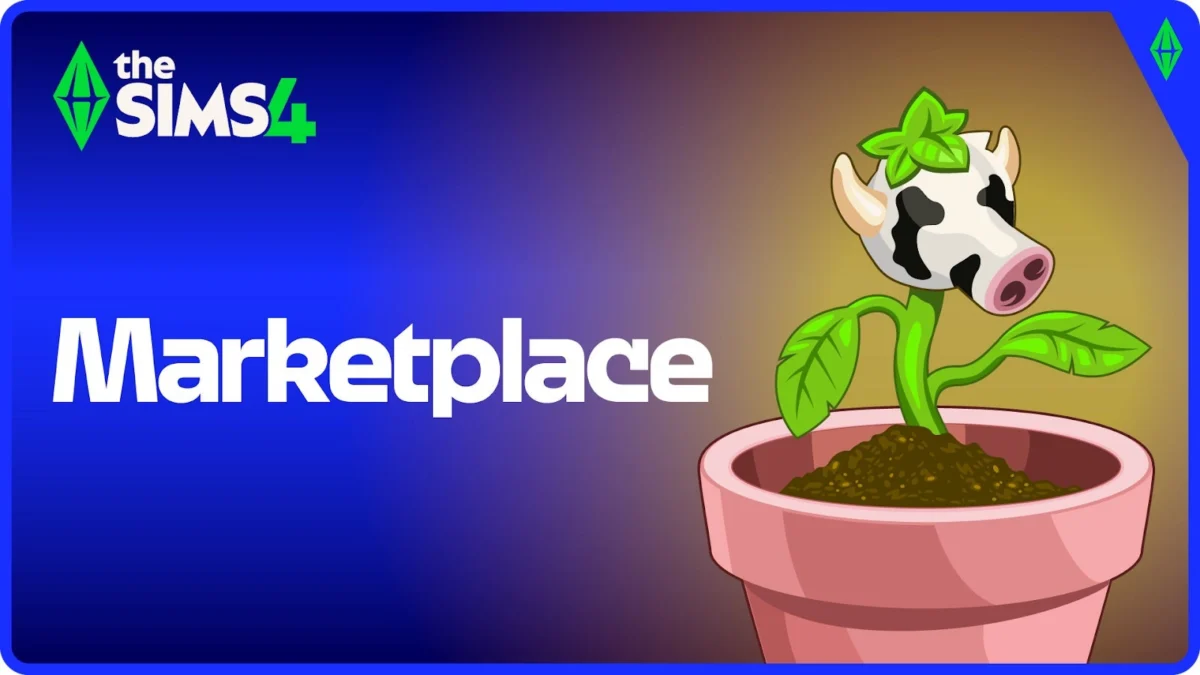
REDWOOD CITY, CA – Maxis, the esteemed developer behind the iconic life simulation franchise The Sims, has announced a significant shift in its content strategy for The Sims 4, introducing a system that will allow community creators to monetize their custom content. Dubbed "The Sims Maker Program" and "The Sims 4 Marketplace," these initiatives mark the game’s official entry into the realm of paid mods, a move that is likely to spark considerable discussion and debate within its passionate player base. While positioned as an evolution aimed at empowering creators, this development signals a fundamental change to a game long celebrated for its robust, largely free, user-generated content ecosystem.
Main Facts: A Paradigm Shift for The Sims 4
On the cusp of its tenth anniversary, The Sims 4 is undergoing a transformative change with the imminent launch of "The Sims Maker Program" and "The Sims 4 Marketplace." These two interconnected platforms are set to redefine how players access and creators distribute custom content (CC) within the game. For the first time, Maxis is providing an official, in-game avenue for players to purchase community-created modifications, signaling a departure from the traditional free-for-all modding scene.
The core of this initiative is the Maker Program, designed to onboard and support eligible community creators. Once accepted, these "Makers" will gain the ability to develop and publish their unique content – referred to as "Maker Packs" – directly onto the new Sims 4 Marketplace. This centralized hub will serve as the primary destination for players seeking new add-on content, encompassing not only these community-made creations but also all existing official Maxis-developed packs, including Expansion Packs, Game Packs, Stuff Packs, and Kits.
A crucial element of this new system is the introduction of a dedicated virtual currency, "Moola." Players will use Moola to purchase Maker Packs and, notably, The Sims 4 Kits. While larger official content such as Expansion, Game, and Stuff Packs will remain purchasable through traditional storefronts without Moola, the move to gate Kits behind this new currency underscores Maxis’s commitment to integrating the virtual economy into the game’s content consumption model. Creators participating in the program are slated to receive approximately 30% of the revenue generated from sales of their Maker Packs, a standard yet often debated cut within digital marketplaces. This structure positions The Sims 4 alongside other major titles that have explored monetized user-generated content, though often with mixed reception from their communities.
Chronology of the Rollout: A Phased Introduction
The implementation of The Sims Maker Program and The Sims 4 Marketplace will unfold in stages, beginning with its core audience on personal computers.
- March 5, 2024: Applications for "The Sims Maker Program" officially opened. Aspiring creators interested in monetizing their custom content can now submit their applications to Maxis for consideration. This initial phase is crucial for building the foundational library of community-made content that will populate the Marketplace upon launch.
- March 17, 2024: The Sims 4 Marketplace and the Maker Program will go live for PC and Mac users. This date marks the official launch of the paid mod ecosystem, allowing players on these platforms to browse, purchase, and integrate Maker Packs into their games using the new Moola currency. Simultaneously, all existing official The Sims 4 content, including Expansion Packs, Game Packs, Stuff Packs, and Kits, will be migrated to the Marketplace, establishing it as the central repository for all game add-ons. Critically, this date also signifies the transition of official Kits to a Moola-only purchase model within the Marketplace.
- "Next Couple of Months": Following the PC and Mac debut, PlayStation and Xbox players can anticipate the rollout of the Marketplace and Maker Program on their respective platforms. This staggered release is consistent with how many other major gaming franchises have introduced similar cross-platform paid content systems, allowing for initial testing and adjustments on one platform before a broader deployment. The exact dates for console availability are yet to be confirmed, but players can expect them to arrive sometime after the March 17 PC/Mac launch.
This carefully planned rollout suggests Maxis is taking a measured approach, allowing creators to get accustomed to the new tools and players to adapt to the new purchasing model, starting with the traditionally more mod-friendly PC audience.
Supporting Data and Context: The Ecosystem of Custom Content
The introduction of paid mods into The Sims 4 cannot be fully understood without acknowledging the rich and often complex history of custom content within the franchise. For decades, The Sims community has thrived on a vibrant, predominantly free, modding scene. Fans have created countless items, clothing, hairstyles, architectural elements, and even intricate gameplay modifications that have significantly expanded the game’s replayability and personalization options far beyond what Maxis could ever officially provide. Websites like Mod The Sims, The Sims Resource, and Patreon (where creators often offer early access or exclusive content for voluntary donations) have become pillars of the community, fostering a culture of sharing and creative expression.
The Long Shadow of Free Modding:
This established culture of free custom content sets The Sims 4‘s paid mod initiative apart from games with less entrenched modding traditions. Players have grown accustomed to a vast ocean of free content, leading to questions about the perceived value proposition of paid Maker Packs. Will the new system entice players to pay for content they previously accessed for free, or will it create a bifurcated community where free mods continue to flourish independently? Maxis’s challenge will be to demonstrate that the official Marketplace offers unique advantages – perhaps in terms of quality assurance, platform compatibility, ease of installation, or exclusive content – that justify the monetary investment.
The Economic Model: Moola and the Creator Share:
The decision to implement a virtual currency, Moola, for Maker Packs and Kits is a common strategy in the gaming industry, often used to streamline transactions, encourage in-game spending, and sometimes obscure the direct real-world cost of items. Players will purchase Moola in various denominations, which then acts as the medium of exchange within the Marketplace. This model can be convenient but also raises concerns about transparency and potential overspending if players are constantly converting real money to virtual currency.
The 30% revenue share for creators is a standard cut seen across many digital marketplaces, including major app stores and game platforms. For instance, Valve’s Steam typically offers developers a 70% share, while Apple and Google’s app stores also predominantly adhere to a 70/30 split. However, this comparison often refers to established game developers selling full titles or large DLCs. For individual mod creators, 30% might seem modest, especially when considering the labor involved in creating high-quality assets and the fact that 70% goes to Maxis/EA, which also bears the platform development and maintenance costs. While 30% is a step up from no official monetization, it might not be seen as a strong enough incentive for all top-tier creators, particularly those who already earn substantial income through platforms like Patreon, where they retain a much larger percentage of donations. The profitability will heavily depend on the volume of sales and the pricing structure set by creators.
Quality Control and Curation:
One of the perceived benefits of an official paid mod system is the potential for improved quality control and curation. Historically, the free modding scene, while vibrant, can be a wild west, with varying levels of quality, compatibility issues, and the occasional malicious download. The Maker Program aims to address this by providing creators with the "Maker Suite," a set of tools designed for testing content across different platforms to ensure smooth integration and functionality. Maxis will undoubtedly implement guidelines and review processes for content submitted to the Marketplace, which could lead to a more stable and reliable experience for players. However, this also introduces potential limitations on creative freedom and the types of content that can be officially monetized. Will Maxis censor certain themes or styles of mods that might be popular in the free community? The balance between curation and creative expression will be delicate.
Comparison to Industry Precedents:
The Sims 4 is not the first game to venture into official paid mods. Bethesda’s "Creation Club" for Skyrim Special Edition and Fallout 4 serves as a prominent example. Launched in 2017, Creation Club offered curated, officially supported content from both external creators and internal Bethesda staff, purchased with a virtual currency. While it provided high-quality content and a more stable environment, it faced initial backlash from players who felt it encroached on the long-standing free modding scene and that the prices were too high. Similarly, Valve’s brief experiment with paid mods for Skyrim on Steam Workshop in 2015 was met with such intense community outrage that it was quickly reversed. These precedents highlight the sensitivity surrounding monetizing user-generated content, particularly in games with a strong free modding culture. Maxis will need to navigate these waters carefully, learning from past industry missteps. The Sims’ unique appeal, heavily reliant on player creativity and personalization, might make its community even more protective of its modding traditions.
Official Responses and Rationale: Empowering Creators
Maxis and EA have framed this new initiative as a way to "empower creators" and provide a "safe and curated environment" for players to discover new content. In their official blog post announcing the features, Maxis stated that creators will have "control over the price of their content, and how it’s packaged" within their "Maker Packs." This emphasis on creator autonomy, particularly regarding pricing and bundling of Create-a-Sim (CAS) and Build/Buy items, is intended to be a key draw for modders.
The underlying rationale behind the Maker Program and Marketplace appears multifaceted:

- Creator Monetization: The primary stated goal is to allow the talented Sims modding community to receive "fair compensation" for their work. Many creators dedicate significant time and effort to producing high-quality content, often relying on voluntary donations or Patreon subscriptions to support their endeavors. An official monetization channel could provide a more stable income stream and broader reach.
- Content Expansion and Diversity: By incentivizing creators, Maxis hopes to dramatically expand the variety and volume of content available for The Sims 4, breathing new life into a game that has been on the market for nearly a decade. This could lead to niche content that official packs might not cover, catering to diverse player tastes.
- Curation and Quality Assurance: The "Maker Suite" tools and the acceptance process for the program suggest a commitment to improving the overall quality and compatibility of custom content. This could alleviate common issues like broken mods after game updates, ensuring a more stable and enjoyable experience for players who opt for official paid content.
- Centralized Hub: By moving all official content and new community creations to the Marketplace, Maxis aims to create a single, easy-to-navigate destination for all Sims 4 add-ons. This could simplify content discovery and management for players, especially those new to modding.
- Long-Term Engagement for a Live Service Game: The Sims 4 operates as a live-service game, continually releasing new content to maintain player engagement and generate revenue. Introducing paid community content can be seen as another strategic pillar to extend the game’s lifespan and appeal, providing a fresh stream of revenue and creativity.
While the official narrative focuses on benefits for creators and players, it’s also clear that this move aligns with broader industry trends towards monetizing user-generated content and establishing internal virtual economies. For EA, this represents a new revenue stream from a highly successful, long-running title.
Implications for the Community and Future of The Sims
The introduction of paid mods in The Sims 4 carries profound implications for its dedicated community and could shape the future trajectory of the franchise.
Impact on the Free Modding Ecosystem:
Perhaps the most significant question revolves around the future of the robust free modding scene. Will the official Marketplace coexist peacefully with traditional modding websites, or will it create a divide? Many creators might choose to continue offering their content for free, either out of principle, a desire for broader accessibility, or because the 30% revenue share isn’t compelling enough. However, if Maxis heavily promotes the official Marketplace and potentially makes it easier to install content from there, it could draw attention and users away from independent sites. There’s also the risk of a "brain drain" if top-tier free creators migrate to the paid program, leaving the free scene with less prominent content. The ideal scenario for many players would be a symbiotic relationship where both ecosystems thrive, offering choice.
Player Adoption and Perceived Value:
Player adoption of paid Maker Packs will be critical to the program’s success. The Sims 4 already has a reputation for being an expensive game due to its extensive catalog of Expansion Packs, Game Packs, Stuff Packs, and Kits. Introducing another layer of paid content, especially with a new virtual currency, might be met with resistance from players already feeling the financial strain. The perceived value of Maker Packs will need to be exceptionally high to justify the cost, particularly when compared to the existing wealth of free content. Maxis will need to manage expectations and ensure that the quality and originality of paid mods are consistently superior.
Quality Control and Maxis’s Role:
While the "Maker Suite" and official review process promise higher quality and compatibility, Maxis will face the challenge of consistently upholding these standards. The sheer volume of potential community content could overwhelm moderation efforts, leading to a diluted marketplace. Furthermore, what constitutes "appropriate" content will be a point of contention. The free modding community often pushes boundaries, creating content that might not align with Maxis’s family-friendly brand image. How will Maxis balance creative expression with corporate guidelines? The decision to allow creators control over pricing also means Maxis indirectly controls the overall pricing strategy through Moola denominations and the revenue split. If prices are perceived as too high, it could deter purchases.
Longevity of The Sims 4 and Precedent for The Sims 5:
For The Sims 4, this initiative could be a double-edged sword. On one hand, a thriving paid mod ecosystem could significantly extend the game’s lifespan, providing an endless stream of fresh content and community engagement, keeping the game relevant for years to come. On the other hand, if poorly executed or if it alienates the core modding community, it could hasten player fatigue and dissatisfaction. Beyond The Sims 4, this move sets a significant precedent for the franchise’s future. With "Project Rene" (widely believed to be The Sims 5) currently in development, the success or failure of the Maker Program and Marketplace in The Sims 4 will undoubtedly influence how user-generated content is integrated and monetized in the next generation of the game. It could signal a future where paid community content is a foundational element of The Sims experience from day one.
Broader Industry Trends and Ethical Considerations:
This development in The Sims 4 is part of a larger trend in the gaming industry towards monetizing user-generated content and fostering "creator economies." Companies are increasingly looking for ways to leverage player creativity to generate revenue and extend the life of their titles. However, it also raises ethical questions about the transition from a predominantly free, community-driven ecosystem to a monetized one. The delicate balance between rewarding creators, satisfying player expectations, and generating profit will be the ultimate test for Maxis and The Sims 4‘s new era. The coming months will reveal whether this bold move will be embraced as an innovative step forward or become another cautionary tale in the evolving landscape of video game monetization.


 Lina Irawan
 Sagoh
Sagoh