

The insatiable hunger for artificial intelligence compute power has pushed the tech industry into a corner. As hyperscalers like Google, Microsoft, and Amazon race to construct massive, warehouse-sized data centers, they are running headlong into a wall of community opposition, severe power grid constraints, and staggering construction delays. Enter SPAN, a San Francisco-based startup with a counterintuitive solution: instead of building massive, centralized facilities in rural outskirts, why not bring the data center to the residential curb?
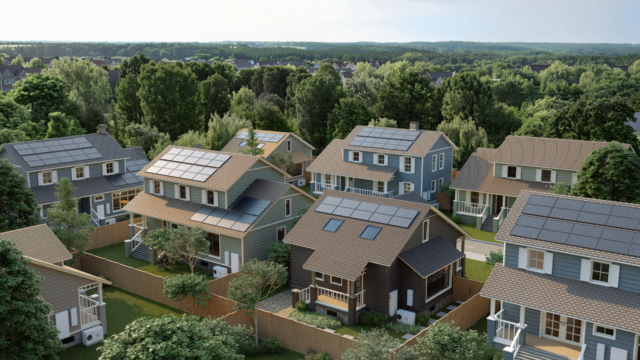
SPAN’s newly unveiled "XFRA" (Distributed Data Center Solution) proposes a radical shift in infrastructure deployment. By installing thousands of specialized, liquid-cooled nodes directly alongside suburban homes, the company aims to decentralize the AI compute architecture, offering residents subsidized utilities and backup power in exchange for hosting a miniature server farm in their backyard.
The Anatomy of a Neighborhood Node
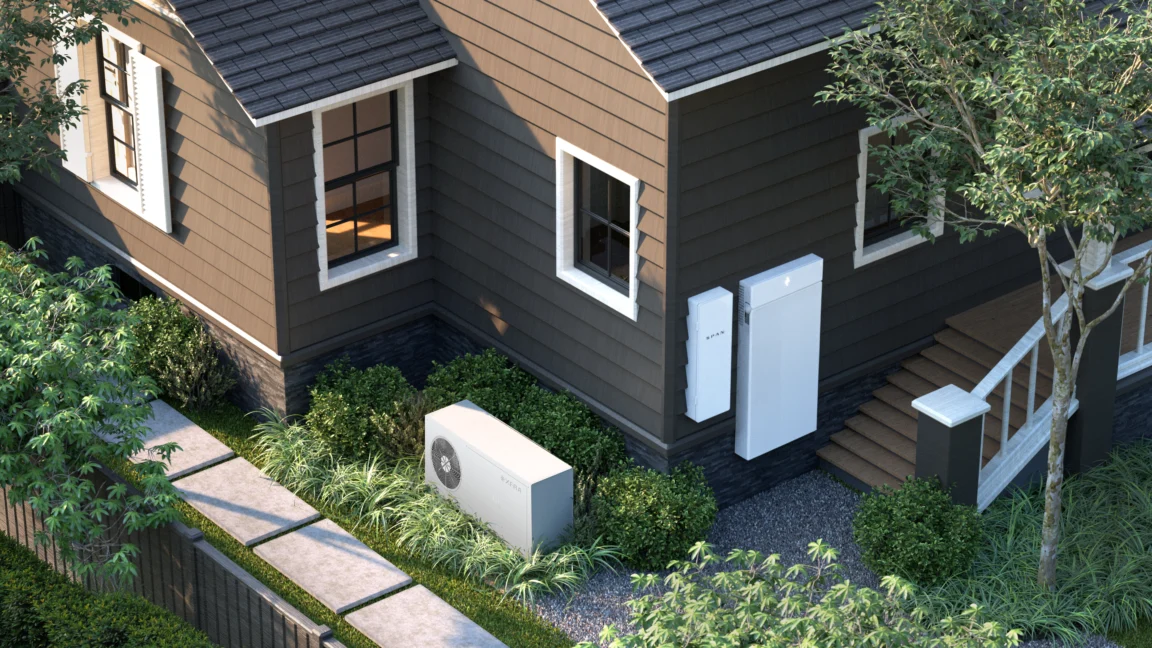
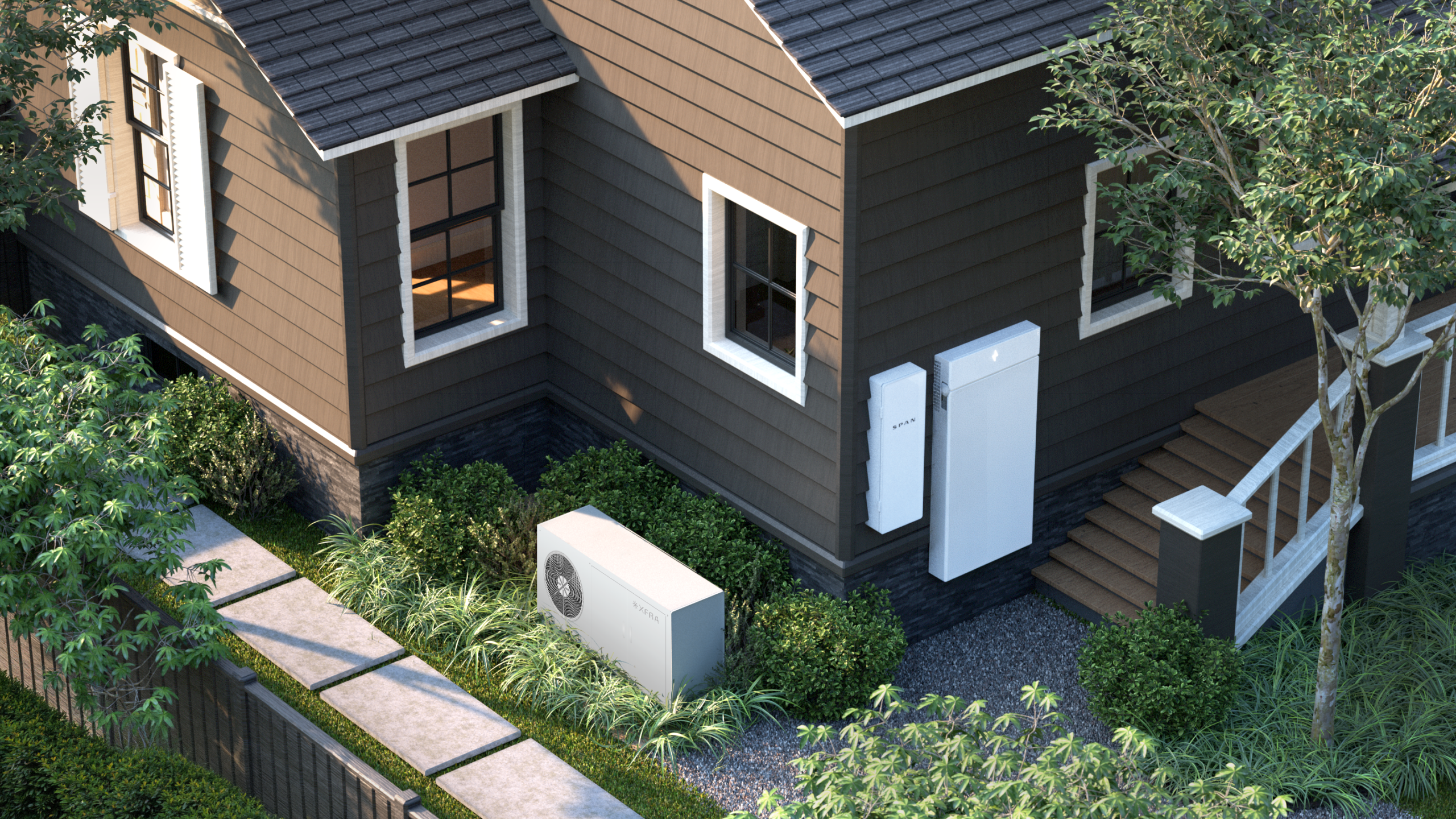
At the heart of the XFRA concept is a compact, noise-controlled enclosure designed to blend into a residential setting. Each unit is a powerhouse in its own right, housing 16 Nvidia RTX Pro 6000 Blackwell Server Edition GPUs and four AMD EPYC server CPUs, supported by 3 terabytes of memory.
This is not a home server for personal use; it is a professional-grade compute node integrated into the local electrical grid. The system is paired with a wall-mounted SPAN smart panel and a 16-kilowatt-hour battery. The entire setup is governed by the company’s proprietary "PowerUp" software, which dynamically manages energy consumption to ensure that the AI workload never compromises the homeowner’s daily electricity needs.
The hardware is designed to utilize existing 200-amp electrical services, which have become standard in modern U.S. residential construction. According to Chris Lander, Vice President of XFRA at SPAN, most homes with 200-amp service have approximately 80 amps of "idle" capacity at any given moment. The XFRA node is configured to draw from this excess, operating as an "always-on" load that provides consistent, low-latency compute power for AI inference tasks.
Chronology: From Concept to Pilot
The journey of the XFRA solution began as an effort to solve the "speed-to-power" gap that has plagued the AI industry since 2023. As construction timelines for traditional data centers ballooned, SPAN began exploring how to leverage the "last mile" of electrical infrastructure.
- 2025 (Early Planning): SPAN pivots from residential smart panels toward "at-the-meter" products, recognizing that the grid’s biggest bottleneck is the transition from high-voltage transmission to low-voltage distribution.
- 2026 (The Announcement): SPAN publicly unveils the XFRA node, positioning it as a remedy to the loud, energy-intensive, and often controversial mega-data centers.
- 2026 (Late Year): The company initiates a 100-home pilot program. This trial is intended to test the integration of the nodes with local utility smart grids and verify the performance of the liquid-cooling systems in varying climates.
- 2027 (Scale Phase): SPAN has announced aggressive targets to scale the network to 80,000 nodes across the United States, aiming to provide a collective 1 gigawatt of distributed compute power.
The Homeowner Value Proposition: "Free" Power for Compute?
For the average homeowner, the primary appeal of the XFRA system is financial. By hosting the node, residents are effectively entering into a partnership with SPAN. In exchange for the space and the electrical capacity, SPAN covers the household’s electricity and internet bills. Some proposals even float the idea of a flat utility fee—perhaps as low as $150—or potentially zero-cost utility access for high-usage households.
Beyond the immediate financial incentive, homeowners receive a significant upgrade to their home’s energy resilience. The inclusion of a 16 kWh backup battery, managed by SPAN’s intelligent software, ensures that the home stays powered during grid outages. In instances of extreme demand, the software intelligently manages the home’s load, prioritizing essential circuits and curtailing "non-critical" power usage, such as electric vehicle charging, to keep the lights on.
Supporting Data and Technical Feasibility
The economics of the XFRA approach are arguably the most compelling aspect of the proposal. SPAN claims that installing 8,000 XFRA units costs approximately five times less than building a single 100-megawatt, warehouse-sized data center. This efficiency gain comes from eliminating the need for massive land acquisition, specialized cooling towers, and expensive, high-voltage transmission upgrades.
However, the technical limitations are clear. This is not a replacement for the massive GPU clusters required to train Large Language Models (LLMs). Those require massive, tightly coupled interconnects that can only exist in centralized facilities. Instead, XFRA is designed for AI inference—the process of running a pre-trained model to answer a question, generate an image, or facilitate real-time interactions in cloud gaming. Because inference tasks are generally smaller and more modular, they are perfectly suited for "edge" computing.
Official Responses and Expert Skepticism
The response from the energy and tech sectors has been a mixture of cautious optimism and pointed skepticism.
Ari Peskoe, Director of the Electricity Law Initiative at Harvard Law School, points out that while the model is "fascinating," it introduces a new layer of complexity for utility companies. "If you have a neighborhood where every other house is running an 80-amp server, you are essentially creating an industrial zone in a residential area," Peskoe noted. Utilities may find that their local distribution transformers, which were designed for residential load profiles, are suddenly pushed to their thermal limits 24/7.
Computer architect Benjamin Lee from the University of Pennsylvania offers a balanced perspective on the efficacy of the model. "Computation for AI inference can and should be distributed at the edge," Lee says. "The strategy could impose much smaller impacts on the grid because inference requires a few GPUs, unlike training which requires thousands."
However, Lee raises valid concerns regarding security and physical integrity. "Many side-channel attacks require physical proximity to the machine. Distributed GPUs in individual homes are much more difficult to protect than those in a hardened facility." Furthermore, the high resale value of the Nvidia RTX Pro 6000 cards—roughly $10,000 each—creates a tangible risk of theft. Homeowners and the company will have to contend with the reality of housing high-value hardware in unlocked suburban backyards.
Implications: The Future of Distributed Infrastructure
The implications of SPAN’s model extend far beyond the immediate utility savings. If successful, it represents a fundamental shift in how the internet "thinks." By moving compute power from centralized, monolithic hubs to the very edge of the network, the industry could theoretically reduce the latency for users while alleviating the localized grid strain that currently threatens to derail the AI boom.

Yet, this shift also invites new regulatory questions. Can a Homeowners Association (HOA) ban a resident from hosting a data center? How will local zoning laws handle the noise and heat output of these units? Will the cybersecurity risks of a decentralized, residential network lead to new insurance and liability frameworks?
At a time when Silicon Valley is turning toward increasingly extreme ideas—including orbital data centers and ocean-based server barges—the "suburban data center" feels surprisingly grounded. It turns the home into a node in a national infrastructure project, blurring the line between private residence and public utility. Whether or not it succeeds will depend not just on the technical performance of the XFRA nodes, but on the willingness of the American public to welcome the AI revolution into their own backyards.
As the 100-home pilot program progresses throughout 2026, the tech world will be watching closely. If the promise of cheaper power and more resilient homes holds true, the image of the quiet suburban street may be permanently altered, becoming the backbone of the next generation of artificial intelligence.












No comments yet. Be the first to join the conversation!