Siti Muinah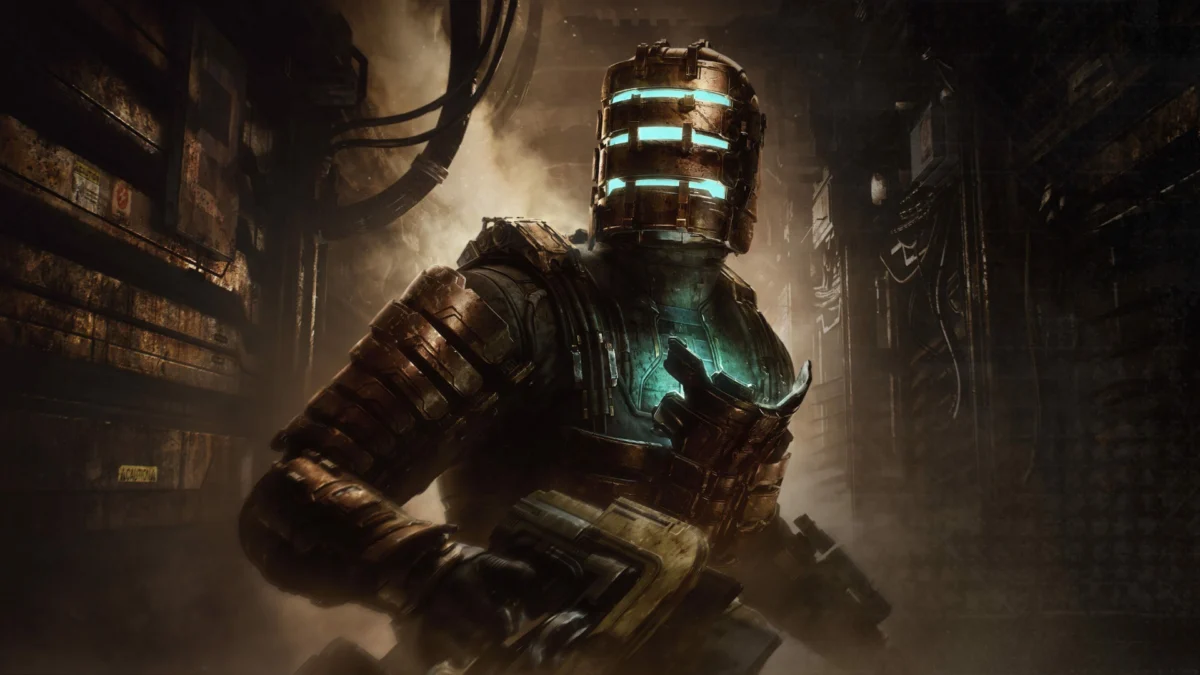
By [Your Name/Journalistic Staff]
For nearly two decades, the Dead Space franchise has stood as a towering achievement in the survival horror genre. With its claustrophobic atmosphere, innovative “strategic dismemberment” combat, and a narrative that seamlessly blended sci-fi dread with psychological horror, the series earned a cult following that few other properties have managed to sustain. However, despite the critical acclaim surrounding the 2023 ground-up remake, the future of the franchise appears increasingly bleak.
Recent insights from franchise veteran Chuck Beaver, who served as a producer and writer during the series’ formative years, suggest that the harsh realities of modern AAA game development have effectively locked the series in a metaphorical cryo-chamber. According to Beaver, the financial "barrier to entry" for a new Dead Space title has reached an unsustainable threshold, leaving fans to wonder if Isaac Clarke’s journey has truly reached its final destination.
The Core Reality: Why the Numbers Don’t Add Up
In a candid interview with FRVR, Chuck Beaver offered a sobering assessment of the Dead Space intellectual property. The crux of the issue, according to Beaver, is a disconnect between the genre’s natural reach and the ballooning budgets of contemporary blockbuster gaming.
"Horror games have a bit of a ceiling, you know," Beaver explained. He recalled that during the tenure of former EA Vice President Frank Gibeau, the internal benchmark for a Dead Space title to be considered a success was roughly 5 million units sold. While that number was considered a significant hurdle at the time, it was viewed as an achievable goal for a high-quality survival horror experience.
Today, however, the landscape of game development has shifted dramatically. Beaver estimates that the modern requirement to justify a new, high-fidelity entry in the series would be closer to 15 million units. In the context of the current industry, where development cycles frequently exceed five years and budgets often climb into the hundreds of millions of dollars, this figure is effectively an insurmountable wall for a niche, single-player survival horror experience.
A Chronological Look at the Dead Space Franchise
To understand why the franchise is currently struggling, one must look at its volatile history with Electronic Arts.
2008: The Birth of a Nightmare
The original Dead Space launched in 2008 to immense critical acclaim. Visceral Games introduced players to the USG Ishimura, a "planet-cracker" ship infested with Necromorphs. It was a masterclass in tension, setting a high bar for environmental storytelling and audio design.
2011: The Peak
Dead Space 2 followed in 2011, expanding the scope of the horror to the Sprawl, a massive space station near Saturn. It is widely regarded as the pinnacle of the series, successfully balancing intense action with genuine psychological terror.
2013: The Shift in Strategy
Dead Space 3 marked a controversial turning point. In an attempt to chase a wider audience and increase sales, EA pushed for more action-oriented gameplay, co-op mechanics, and microtransactions. While the game was competent, it alienated a portion of the core fanbase and failed to generate the massive growth EA had hoped for, leading to the eventual shuttering of Visceral Games.
2023: The Resurrection Attempt
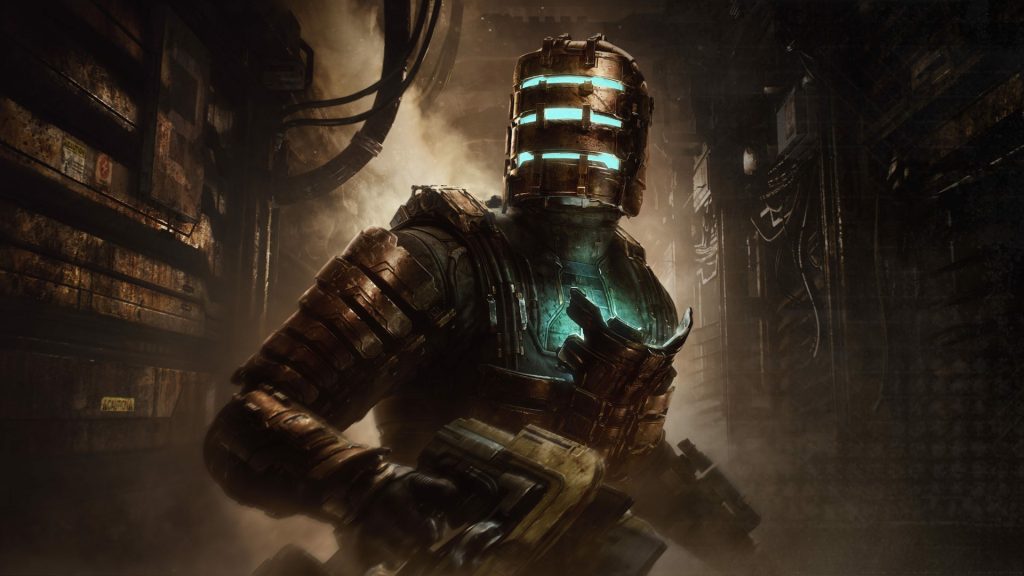
After a decade-long hiatus, EA Motive released a full-scale remake of the original Dead Space. The project was met with widespread praise for its technical fidelity and respect for the source material. It served as a litmus test for the franchise’s viability, yet despite the positive reception, rumors quickly circulated that any plans for a direct Dead Space 2 remake had been shelved due to underwhelming sales performance.
The Economic Implications of Modern AAA Development
The "15 million unit" figure cited by Beaver is not merely an arbitrary number; it reflects a systemic issue within the gaming industry known as "AAA bloat."
When a studio like EA invests in a title, they are looking for "platform-defining" returns—games that can compete with the likes of Call of Duty, Grand Theft Auto, or Fortnite. Survival horror, by nature, is an exclusionary genre. Its appeal is rooted in limited resources, vulnerability, and a slower, more deliberate pace. These elements are inherently at odds with the "live service" or "massive engagement" models that major publishers now prioritize to recoup the massive costs of photorealistic assets and high-end engine development.
Consequently, Dead Space finds itself in a precarious position. It is too expensive to produce as a mid-tier title and too "niche" to hit the massive sales targets required by modern corporate accounting.
Official Stance and Industry Sentiment
It is important to note that EA has not issued a formal "cancellation" notice for the franchise. The company is notorious for keeping its cards close to its chest, and internal strategies can shift rapidly based on leadership changes or market trends.
Some analysts argue that Dead Space could still have a future if EA were to pivot to a "boutique" approach—developing smaller-budget, high-impact titles that do not require 15 million sales to break even. However, this contradicts the current trajectory of EA’s primary business model. While EA Motive has previously expressed a desire to continue working on the franchise, the silence from the upper echelons of EA corporate suggests that the project is currently not a priority.
What Does This Mean for the Future of Horror?
The potential end of the Dead Space series speaks to a broader, worrying trend for single-player, narrative-driven horror games. As the cost of "looking good" continues to skyrocket, developers are increasingly discouraged from taking risks on properties that do not have mass-market appeal.
If the Dead Space remake—a title that received glowing reviews and was backed by the weight of a major publisher—could not generate enough revenue to warrant a sequel, it raises a difficult question: Is there any room left for mid-budget, high-quality horror in the current AAA landscape?
For fans, the situation is bittersweet. The existing trilogy remains a definitive experience, one that arguably does not need a fourth entry to be complete. However, the prospect of losing the universe of the Unitologists and the Necromorphs permanently is a blow to the genre.
As we look toward the next generation of hardware, the hope is not necessarily for Dead Space 4 to be a massive, open-world blockbuster, but for publishers to find a way to make the numbers work for smaller, tighter experiences. Until then, the Dead Space franchise remains a ghost in the machine—a testament to a time when horror could be both AAA and uncompromisingly terrifying.
Final Reflections: The Fan Perspective
The "fervent fan base" that Beaver mentioned continues to keep the spirit of the series alive through mods, fan art, and community discussion. Whether that passion is enough to sway the boardrooms of EA remains to be seen. For now, the USG Ishimura is silent, and Isaac Clarke’s story remains suspended in the cold, dark vacuum of space.
Tell us what you think: Is 15 million units a realistic expectation for a horror game in today’s market, or has the industry’s hunger for growth outpaced the reality of its audience? Let us know your thoughts in the comments below.

 Lina Irawan
 Raul Delapena Setiawan