

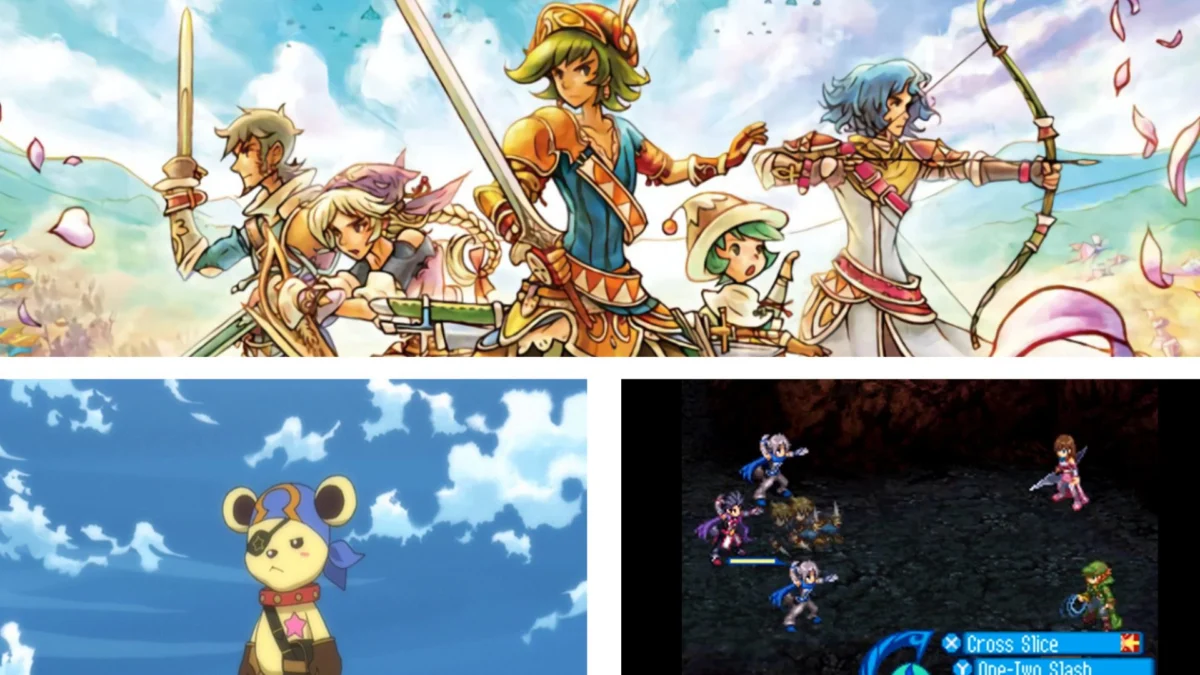
The Nintendo DS era was a golden age for JRPGs, offering a vast library that catered to both seasoned fans and newcomers. While many titles shone brightly, a darker contingent lurks in the shadows – games that, despite their potential or even their lineage, ultimately failed to deliver on their promises. This deep dive explores ten such JRPGs on the Nintendo DS that, for various reasons ranging from egregious gameplay mechanics to uninspired narratives, stand as cautionary tales in the handheld’s otherwise stellar RPG landscape. These are not the games you’ll find on “best of” lists, but rather those that, in retrospect, serve as important reminders that even beloved genres can falter.
A Generous Spirit, Hindered by Flaws
While the Nintendo DS platform boasted an impressive array of critically acclaimed Japanese role-playing games, a noticeable segment of its JRPG offerings struggled to achieve widespread acclaim. This isn’t to say these games were entirely devoid of merit; many possessed attractive visuals, intriguing concepts, or even callbacks to beloved franchises. However, a confluence of factors – often including repetitive gameplay loops, unbalanced mechanics, or a general lack of polish – relegated them to the realm of the disappointing.
This analysis focuses on JRPGs that, on average, garnered review scores below the 80% mark. Furthermore, the subjective tastes and experiences of the author have inevitably influenced the ranking, highlighting games that, despite some positive aspects, ultimately fall short of recommended status for a broader audience. These titles represent missed opportunities, experiments that didn’t quite land, and, in some cases, outright missteps that tarnish the legacy of otherwise respected series.
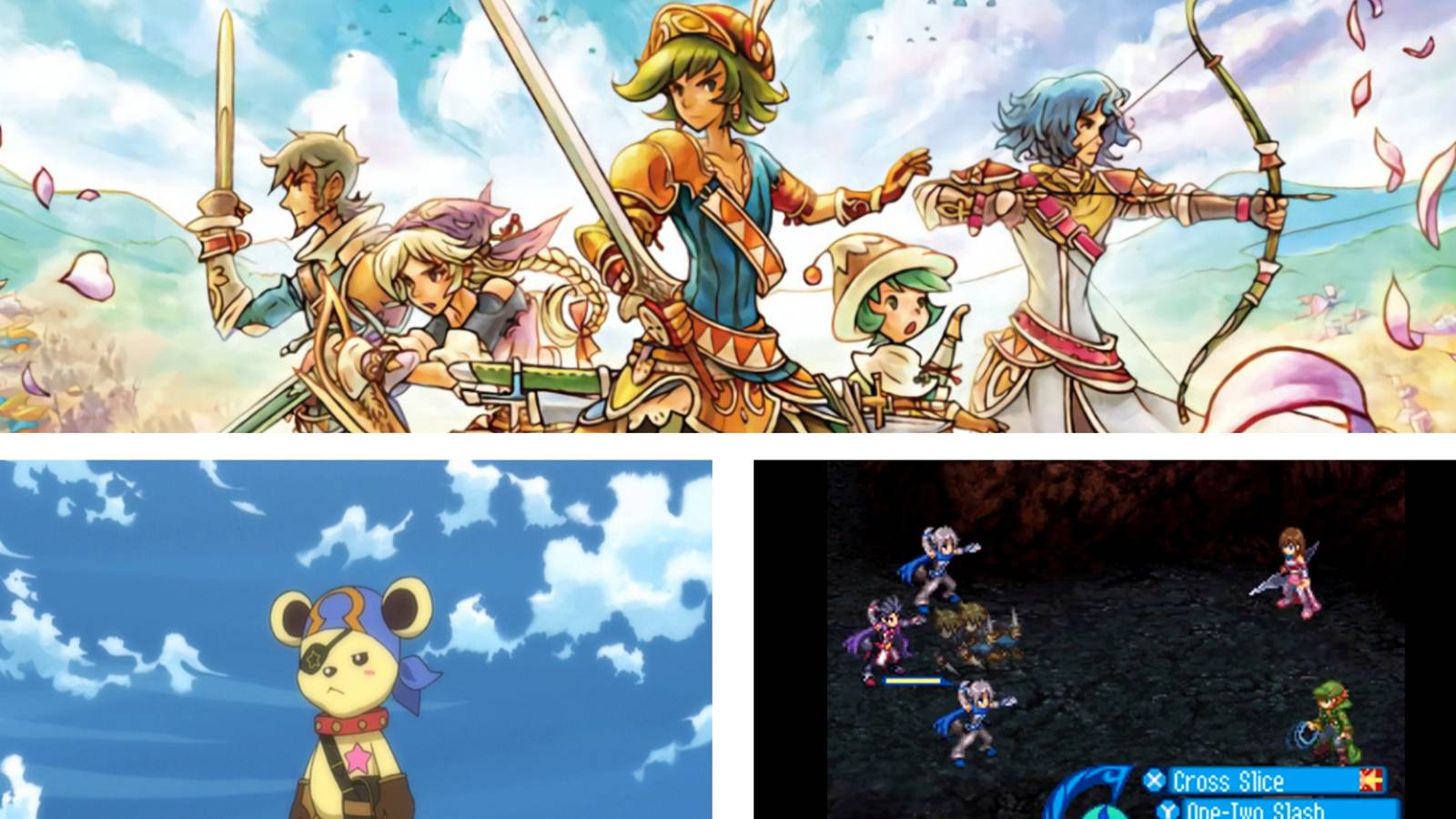
10. Dragon Quest Monsters: Joker – The Grind That Grinds Gears
The allure of monster-collecting RPGs is undeniable, and the prospect of combining the beloved Dragon Quest universe with the Pokémon-esque capture-and-train formula seemed like a surefire hit. Dragon Quest Monsters: Joker arrived on the Nintendo DS with significant fanfare, promising a deep adventure filled with strategic monster battles and a compelling world.
The Promise and the Pitfall: Upon its release, Dragon Quest Monsters: Joker presented a visually appealing world with a narrative that, while not groundbreaking, offered enough intrigue to draw players in. The core concept of scouting, recruiting, and synthesizing monsters from the vast Dragon Quest bestiary was a strong foundation. However, the game’s most significant stumbling block was its relentlessly grindy nature.
Chronology of Frustration: Players who invested time into Joker often found themselves bogged down in repetitive battles, a necessity to level up their chosen monsters to a degree that felt disproportionate to the progression of the main story. This grind wasn’t just a minor inconvenience; it became the defining characteristic of the experience for many, overshadowing the more enjoyable aspects of monster collection and team building. After a significant investment of time, often exceeding a dozen hours, many players, including the author, found their patience worn thin. The sheer dedication required to advance felt less like a rewarding challenge and more like an obligation, leading to an early departure from the game and a reluctance to explore its sequels.
Supporting Data: While individual experiences vary, the common sentiment among players and critics pointed towards an unbalanced difficulty curve and an overreliance on extensive grinding. This was a departure from the more accessible and balanced nature of other monster-collecting titles, making Joker a niche experience for only the most dedicated fans of the subgenre.

Implications: Dragon Quest Monsters: Joker‘s struggles highlighted a critical design challenge in monster-collecting RPGs: balancing the inherent grind of creature development with engaging progression. For a franchise as esteemed as Dragon Quest, this particular installment served as a stark reminder that even familiar elements can be mishandled, leading to a less than optimal player experience.
9. Valkyrie Profile: Covenant of the Plume – Tactical Excellence Hampered by Presentation
Tri-Ace’s Valkyrie Profile series has always been known for its unique blend of tactical combat, poignant storytelling, and a distinct Norse mythology-inspired aesthetic. Valkyrie Profile: Covenant of the Plume brought this distinctive style to the Nintendo DS, offering a portable entry that, on paper, promised a deep and engaging experience.
The Tactical Core: Covenant of the Plume distinguished itself with its tactical RPG gameplay and a narrative that explored darker themes, including the consequences of war and the moral ambiguities of divine intervention. The game featured multiple branching paths and endings, encouraging replayability and allowing players to influence the fate of its characters.
Chronology of Disappointment: Despite its solid gameplay mechanics and compelling narrative structure, Covenant of the Plume suffered from significant presentation issues that hampered its overall impact. As Tri-Ace’s first foray into developing for a handheld platform, the game’s visuals, while decent, often felt uninspired and lacked the polish expected from the series. The character models and environments, though colorful, failed to leave a lasting impression on the DS’s screen.
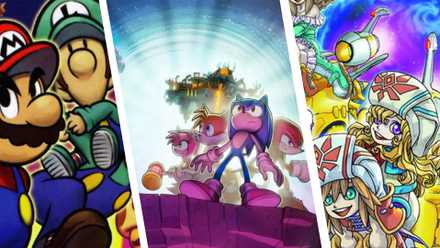
However, the most critical failing lay in the game’s audio presentation. The music, a crucial element in setting the mood and immersing players in a game’s world, was significantly degraded by the DS’s audio capabilities. The washed-out sound quality made it difficult to truly appreciate the soundtrack, a vital component for any lengthy RPG. When spending dozens of hours engaging with a tactical adventure, a captivating soundtrack is paramount, and Covenant of the Plume‘s shortcomings in this area were a considerable detraction.
Supporting Data: Reviews frequently cited the music as a point of weakness, with many lamenting the lost potential of an otherwise strong soundtrack. The visual presentation was often described as merely adequate, failing to capture the artistic flair of previous Valkyrie Profile titles.
Implications: Covenant of the Plume‘s shortcomings underscored the challenges of adapting a visually and aurally rich series to a less powerful handheld platform without compromising its core strengths. It served as a reminder that even a strong gameplay foundation can be undermined by subpar presentation, particularly when it comes to music and visual fidelity in a genre that thrives on immersion.
8. Avalon Code – Innovative Ideas, Flawed Execution
The Nintendo DS was a playground for innovation, with developers frequently experimenting with its unique dual-screen and stylus-based capabilities. Avalon Code was one such title that embraced these features, offering a narrative centered around a magical book capable of rewriting the world.
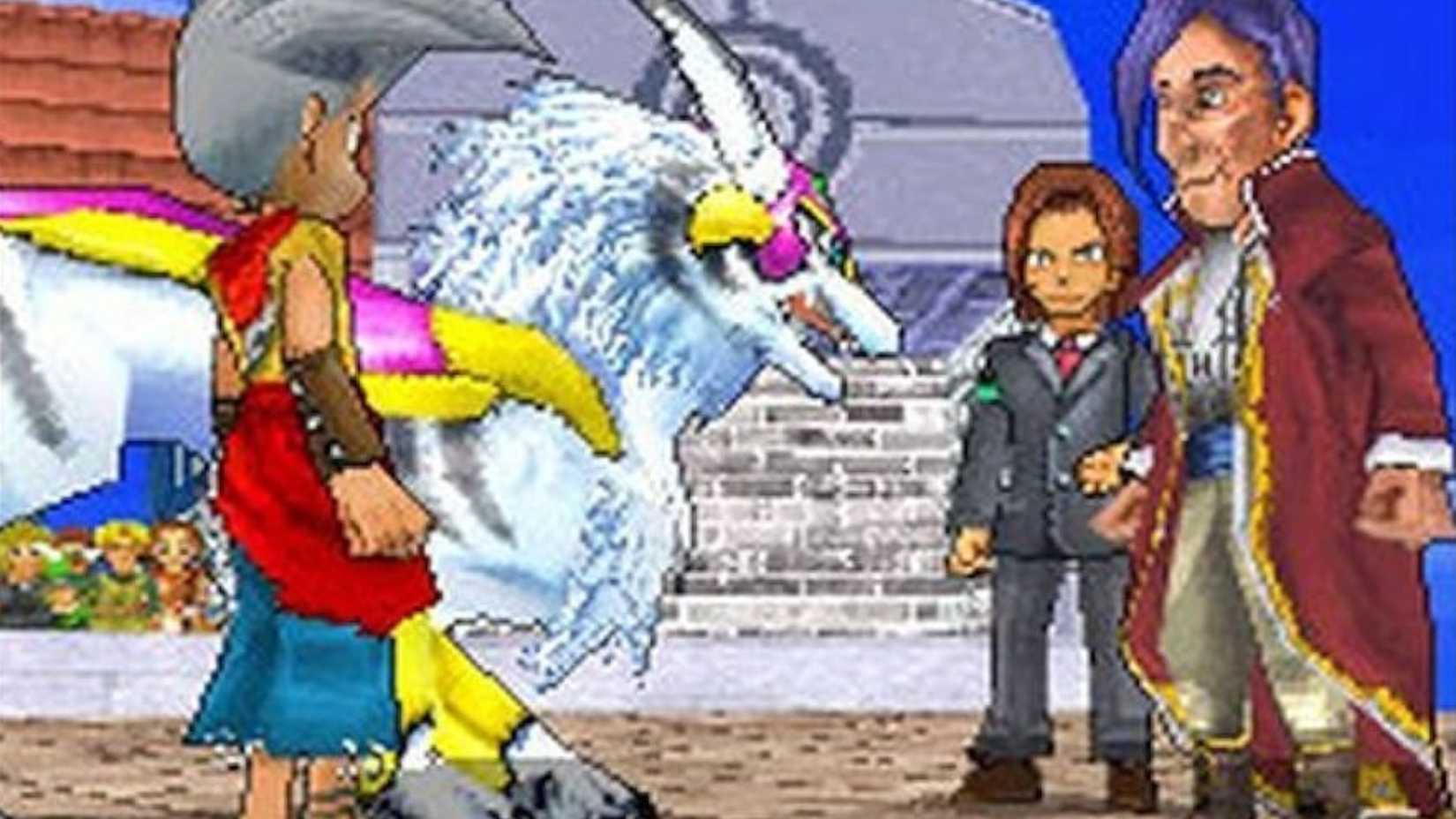
A World Remade by the Stylus: The premise of Avalon Code was intriguing: players wielded the power of the "Book of Prophecy" through stylus-based commands to alter the course of events and shape the destiny of their world. This mechanic offered a novel approach to gameplay, promising a dynamic and interactive experience.
Chronology of Frustration: While the ambition behind Avalon Code‘s core mechanic was commendable, its execution proved to be a significant hurdle for players. Navigating the Book of Prophecy to select and cast spells often became a cumbersome and tedious process. The stylus-driven interface, intended to be intuitive, frequently felt clunky and unresponsive, leading to moments of frustration rather than empowerment.
Beyond the gameplay mechanics, the narrative itself, while starting with a compelling apocalyptic theme, ultimately devolved into a mundane and forgettable quest. The potential for an epic tale of world-shaping was somewhat squandered, leaving players with a sense of missed opportunity. The innovative use of the stylus, while a creative endeavor, did not fully compensate for the flawed implementation and a story that failed to maintain its initial promise.
Supporting Data: Player feedback and critical reviews often highlighted the frustration associated with the stylus interface for spellcasting and the perceived blandness of the story. While the game was acknowledged for its creativity, its practical application fell short of its conceptual ambition.

Implications: Avalon Code stands as a testament to the double-edged sword of innovation. Its attempt to leverage the DS’s unique features resulted in a game that, while conceptually interesting, was ultimately hampered by an unpolished and often frustrating user experience. It serves as a reminder that creative ideas require equally creative and refined execution to succeed.
7. Glory of Heracles – A Heroic Journey Undermined by an Unintuitive System
The rich tapestry of Greek mythology has provided inspiration for countless video games, from action-packed epics to strategic endeavors. Glory of Heracles aimed to translate the grandeur of Greek myths into a JRPG for the Nintendo DS, a platform known for its robust library of narrative-driven adventures.
Echoes of Olympus: Glory of Heracles presented a world steeped in Greek mythology, featuring a colorful cast of characters and a narrative that drew upon familiar heroic archetypes. The game boasted a surprisingly well-localized script and vibrant artwork, hinting at a potentially engaging experience.
Chronology of Frustration: Despite these positive attributes, the game’s core combat system, centered around the "Ether" mechanic, proved to be a significant barrier to enjoyment. The Ether system, intended to add a layer of strategic depth, was neither intuitive nor easily grasped by players. Its complexity often led to confusion and frustration, detracting from the flow of battle.
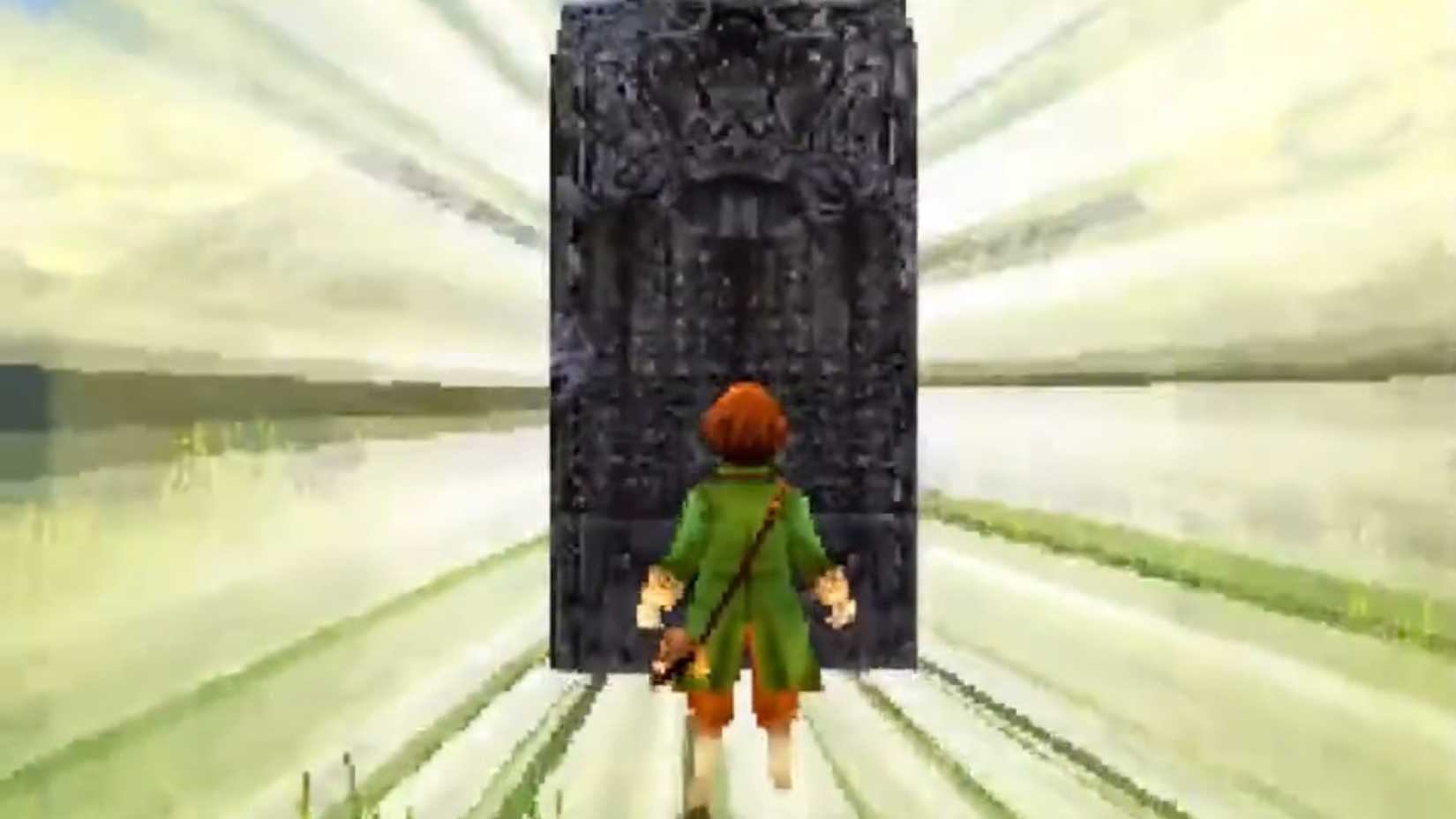
The "Ether Reflux" system, which could result in players losing health based on their Ether levels, added another layer of unwelcome challenge. This mechanic, rather than fostering strategic decision-making, often felt like a punishment for not perfectly understanding or executing the game’s complex systems. In a genre where clear and engaging combat is paramount, Glory of Heracles‘s convoluted Ether system cast a long shadow over its otherwise promising presentation.
Supporting Data: Player reviews and critiques frequently pointed to the Ether system as the primary reason for their dissatisfaction. The complexity and lack of clear guidance on its use were common points of contention, overshadowing the game’s more positive aspects like its localization and art style.
Implications: Glory of Heracles exemplifies a common pitfall in game design: overcomplication of core mechanics. By striving for innovation with its Ether system, the developers inadvertently created a system that alienated players, preventing them from fully appreciating the game’s other strengths. It highlights the importance of accessible and intuitive gameplay, even in titles with ambitious thematic elements.
6. The Wizard of Oz: Beyond the Yellow Brick Road – A Familiar Tale, Awkwardly Told
The enduring appeal of The Wizard of Oz has led to numerous adaptations across various media. The Wizard of Oz: Beyond the Yellow Brick Road on the Nintendo DS attempted to bring this classic story into the JRPG realm, offering a unique interpretation of Dorothy’s journey.
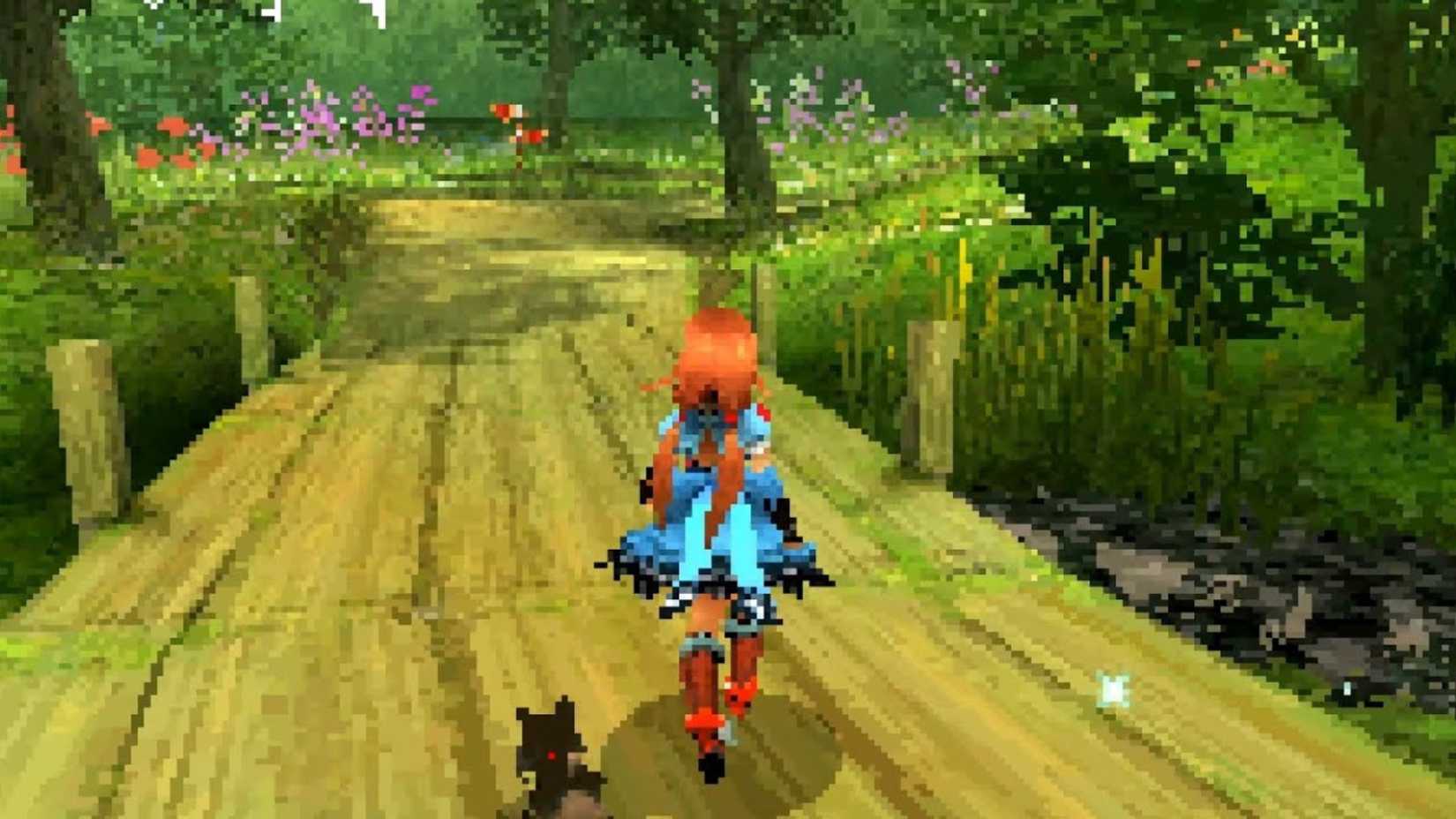
A Stylus-Driven Sojourn: The game’s premise promised an engaging JRPG adventure, with players guiding Dorothy and her companions through Oz, battling fantastical creatures, and gathering elemental spirits. The narrative incorporated familiar characters and plot points, aiming to resonate with fans of the original story.
Chronology of Frustration: While the game presented an attractive visual style and an interesting narrative framework, its core gameplay mechanics proved to be a significant detractor. Movement throughout the world was entirely reliant on the stylus and a virtual trackball, a control scheme that quickly became tiresome and repetitive. This unconventional approach to navigation, while novel, lacked the fluidity and responsiveness expected in a JRPG.
The combat system also presented its own set of challenges. The character action system, where each protagonist had a variable number of actions per turn, could be cumbersome. Furthermore, the mechanic of characters not taking damage if they didn’t contribute to the battle added an unnecessary layer of complexity. The game seemed to struggle in balancing its appeal to both newcomers and seasoned JRPG fans, ultimately failing to satisfy either group with its awkward gameplay.
Supporting Data: Player feedback often cited the stylus-based movement as a major point of frustration, with many finding it cumbersome and tedious. The combat system was also frequently criticized for its clunkiness and lack of intuitive design.
Implications: The Wizard of Oz: Beyond the Yellow Brick Road serves as a prime example of how a beloved IP can be let down by a flawed gameplay experience. Its attempt to innovate with stylus controls, while conceptually interesting, resulted in a gameplay loop that was more irritating than engaging, ultimately diminishing the overall enjoyment of the adventure.
5. Heroes of Mana – A Promising Franchise Stumbles
The Mana series, a long-standing pillar of the JRPG genre, is celebrated for its vibrant worlds, engaging combat, and memorable soundtracks. However, not every entry in the franchise has reached the heights of its predecessors. Heroes of Mana on the Nintendo DS represented one such instance where the series faltered.
A Glimmer of Familiarity: On the surface, Heroes of Mana offered the visual appeal and fantastical setting that fans had come to expect from the Mana series. The game’s art style was indeed pleasing, and its world was populated with the charming character designs characteristic of the franchise.
Chronology of Frustration: Unfortunately, the game’s strengths were largely overshadowed by its weaknesses. The story, a crucial element in any JRPG, proved to be lackluster and failed to capture the imagination. More significantly, the gameplay attempted to innovate with real-time mechanics, a departure from the more traditional turn-based combat of some earlier Mana titles. This shift, however, was not executed successfully. The real-time elements were further hampered by the unhelpful actions of the AI-controlled companions, making strategic decision-making a constant uphill battle.
Supporting Data: Reviews often highlighted the disconnect between the game’s attractive visuals and its uninspired narrative and frustrating gameplay. The AI of party members was a recurring point of criticism, contributing to the overall feeling of unresponsiveness and difficulty in controlling the flow of battle.
Implications: Heroes of Mana‘s misstep demonstrated that even established franchises are not immune to disappointing entries. The game’s attempt to introduce real-time strategy elements, without sufficient polish or a compelling narrative to support them, ultimately resulted in a frustrating experience that failed to live up to the Mana legacy. It underscored the importance of refining established mechanics or ensuring that new ones are seamlessly integrated and well-supported.
4. Sands of Destruction – A Polished Exterior Hiding an Uninspired Core
Sands of Destruction arrived on the Nintendo DS with a visually striking presentation and an intriguing premise that hinted at a unique JRPG experience. The game offered a world where players took on the role of the "bad guys" in a conflict against a dominant race known as Ferals.
A Visually Rich World: The game’s initial presentation was undeniably strong. Sands of Destruction boasted impressive visuals for the Nintendo DS, with detailed character sprites and vibrant environments. The soundtrack was also noteworthy, providing an atmospheric backdrop to the unfolding narrative. The core concept of playing as the antagonists offered a fresh perspective, setting it apart from more traditional JRPG narratives.
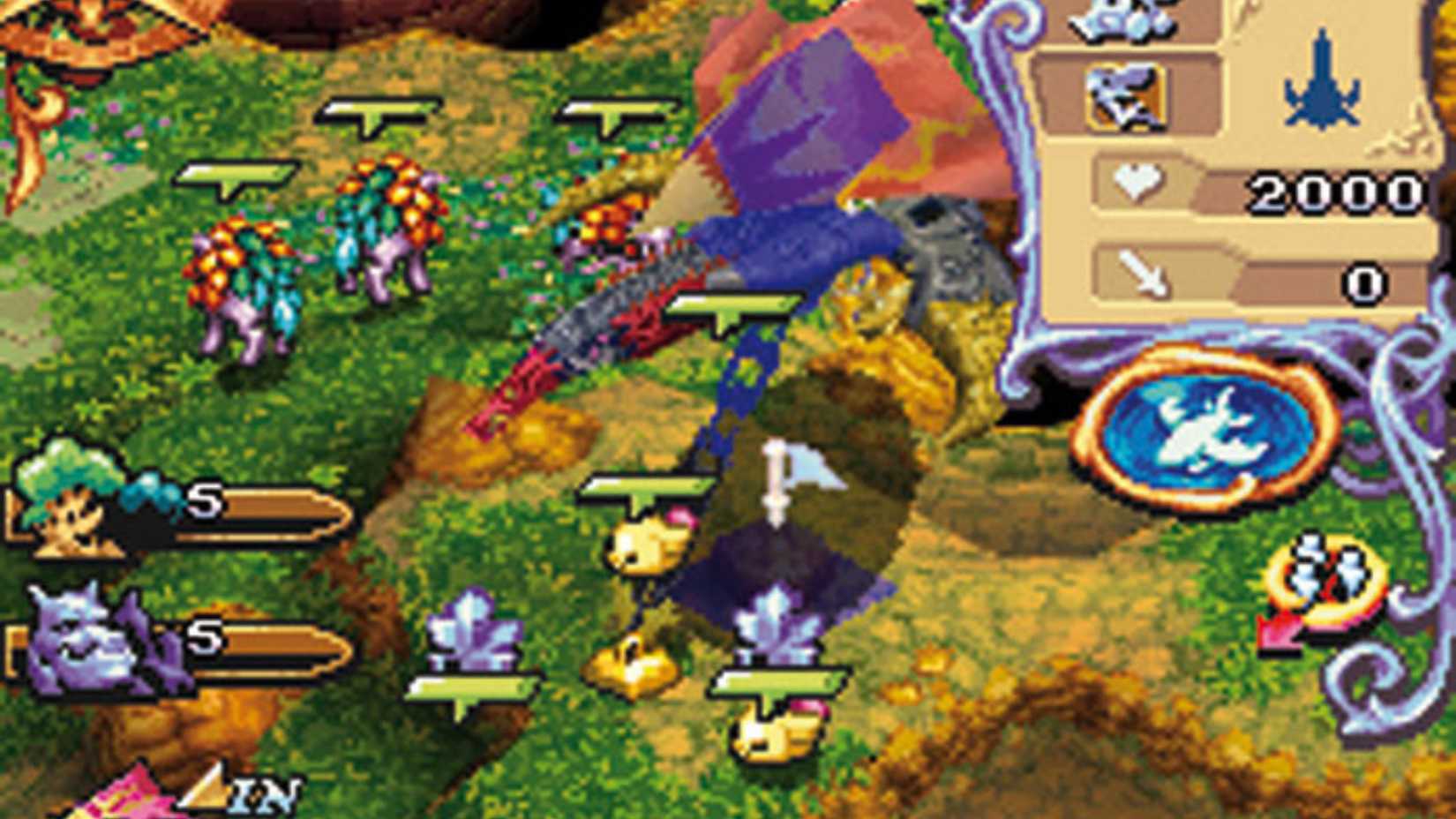
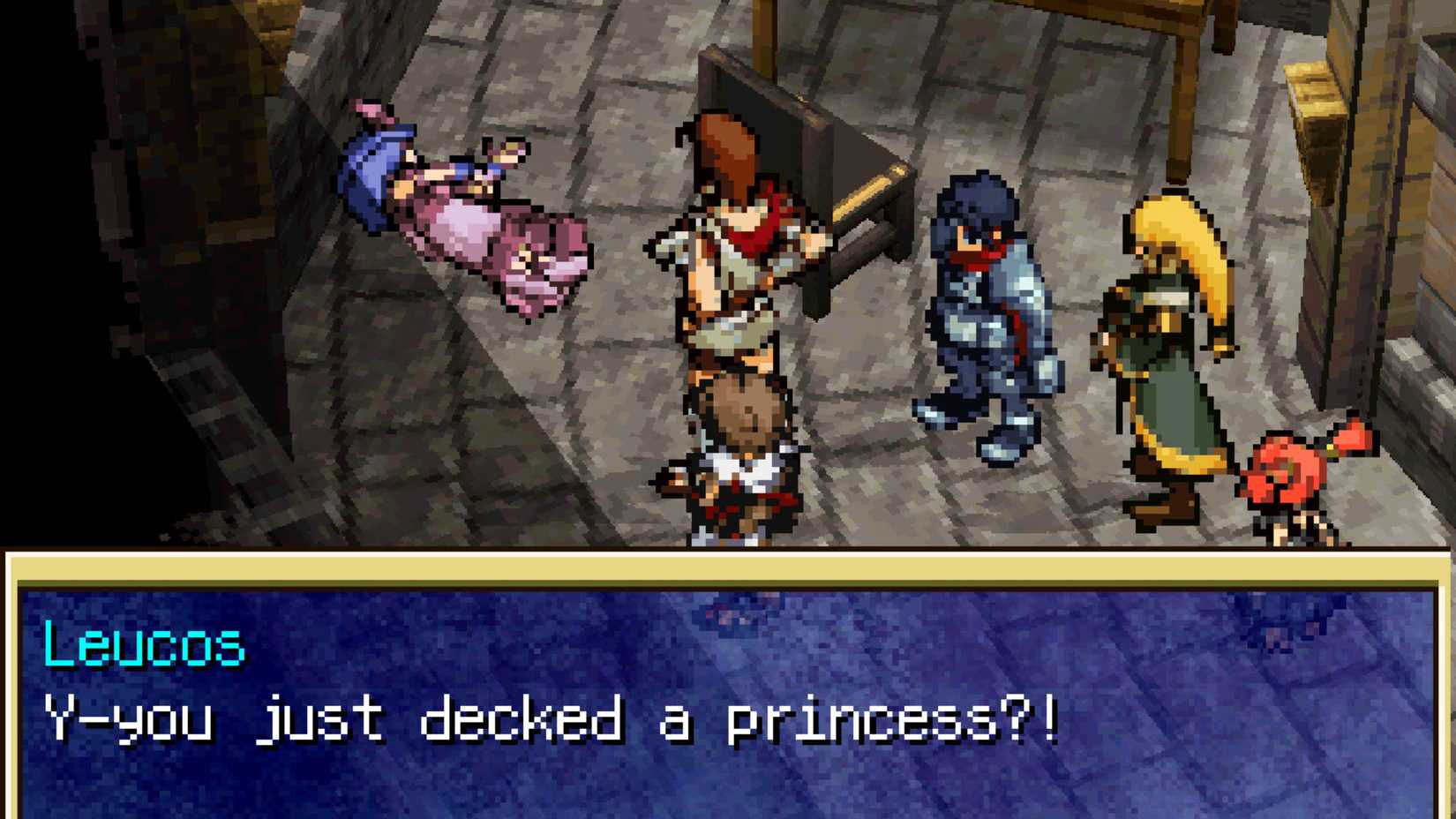
Chronology of Disappointment: However, beneath the polished exterior lay a gameplay experience that, while solid, lacked originality. The game’s biggest failing was its adherence to convention. While the visuals and music were commendable, the actual gameplay mechanics felt uninspired and derivative. The narrative, despite its interesting setup, never quite reached its full potential, and the overall experience felt rather linear and short for a JRPG.
While the game did feature a memorable "badass Teddy Bear" character, this unique element couldn’t fully compensate for the lack of innovation in other areas. The game’s solid but unremarkable nature meant it failed to leave a lasting impression, becoming just another forgettable quest in the vast JRPG landscape. The fact that it spawned more engaging anime and manga adaptations further highlighted the missed potential of its video game counterpart.
Supporting Data: Critical reception often pointed to the game’s lack of originality as its primary drawback. While its presentation was praised, the gameplay was frequently described as average and uninspired, failing to capitalize on its unique premise.
Implications: Sands of Destruction illustrated the danger of relying too heavily on aesthetics without a robust and engaging gameplay foundation. Its failure to offer innovative mechanics, despite its attractive presentation and intriguing premise, resulted in a game that, while not actively bad, was ultimately forgettable.
3. Blue Dragon: Awakened Shadow – A Sequel That Fails to Shine
Mistwalker, the studio founded by Hironobu Sakaguchi, has a reputation for bold JRPG endeavors. The original Blue Dragon on Xbox 360 was a significant title, and Blue Dragon: Awakened Shadow brought the franchise to the Nintendo DS, attempting to translate its spirit to a handheld format.
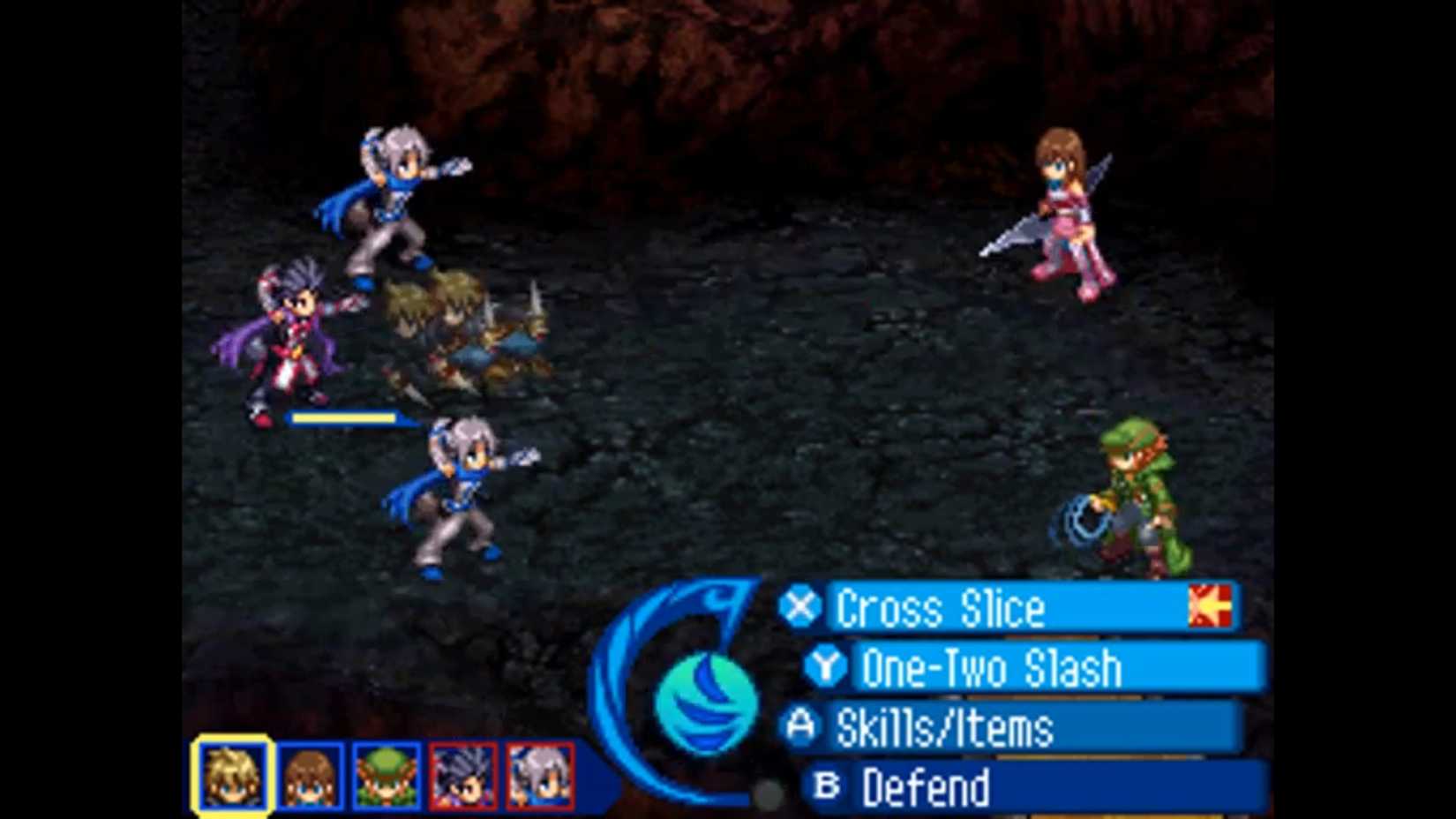
A Handheld Echo of a Grand Saga: Awakened Shadow embraced action RPG combat and featured decent spritework, aiming to capture the essence of the Blue Dragon universe. The game offered players the opportunity to create their own avatar, adding a personalized touch to the adventure.
Chronology of Disappointment: Despite these elements, the game fell short of expectations. The story, a critical component of the Blue Dragon experience, was largely forgettable, particularly with the inclusion of a player-created avatar that lacked the distinct personality of the original game’s protagonists. Furthermore, the 3D environments, which were meant to immerse players in the world, were often visually unappealing, contributing to the game’s overall "ugly duckling" status.
The potential for a compelling action RPG experience was present, but the execution was hampered by a lack of polish and an uninspired narrative. The game ultimately felt like a pale imitation of its console predecessors, failing to capture the magic that made the original Blue Dragon notable.
Supporting Data: Reviews often cited the forgettable story and the unappealing 3D graphics as major detractions. The player-created avatar, while offering customization, was seen by many as a narrative weak point, lacking the charm and depth of the original cast.
Implications: Blue Dragon: Awakened Shadow‘s struggles highlighted the challenges of adapting a visually ambitious console game to a less powerful handheld. The game’s shortcomings in narrative and visual presentation, combined with a generic action RPG formula, prevented it from achieving the success of its inspirations, serving as a reminder that a strong brand name alone cannot guarantee a compelling experience.
2. Black Sigil: Blade of the Exiled – A Flawed Port That Severely Missed the Mark
Black Sigil: Blade of the Exiled had an ambitious journey to its release, initially planned for the Game Boy Advance before making the leap to the Nintendo DS. Unfortunately, this transition proved to be a critical misstep, resulting in a game that was widely considered a disappointment.
A GBA Dream, a DS Nightmare: The game’s original intention for the GBA suggested a certain artistic vision and design philosophy. However, by the time it arrived on the DS, the platform’s capabilities and the game’s porting process led to a significant degradation of the intended experience.
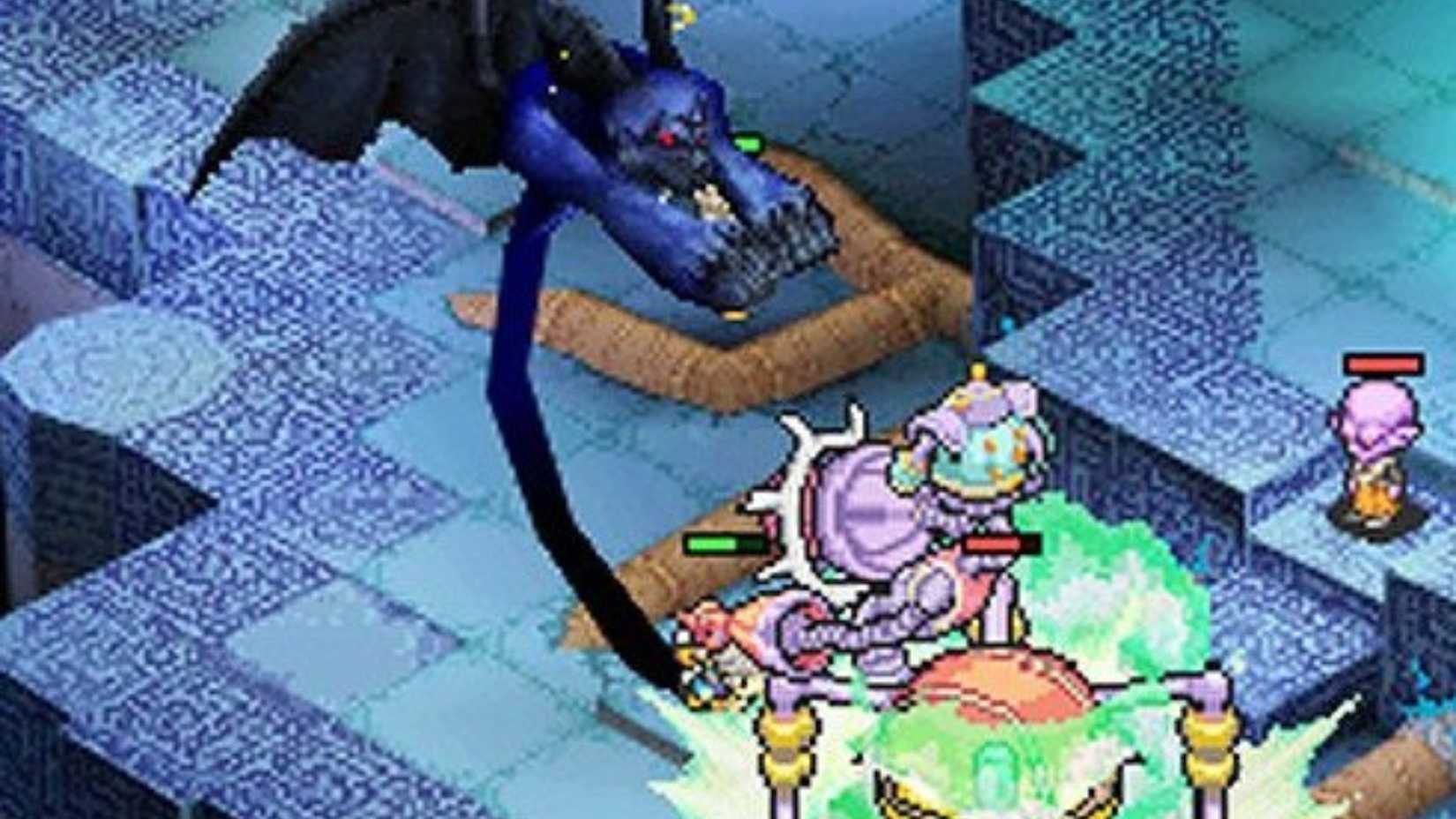
Chronology of Frustration: The most significant issue plaguing Black Sigil: Blade of the Exiled was its lack of polish. Despite its acceptable visual appearance, the game was riddled with technical problems. An infuriating encounter system, which often felt arbitrary and disruptive, combined with a plethora of glitches, made the gameplay a chore rather than an enjoyable experience. The small, now-defunct development team’s efforts in porting the game resulted in a product that felt unfinished and unrefined.
While extremely patient gamers might find elements to appreciate, for the vast majority, Black Sigil: Blade of the Exiled represented a frustrating and unrewarding JRPG adventure. Its legacy is one of missed potential and a testament to how a troubled development cycle and a poor port can severely damage a game’s prospects.
Supporting Data: Critical reviews and player feedback universally pointed to the numerous glitches and the frustrating encounter system as major reasons for the game’s poor reception. The lack of polish was a consistent theme, overshadowing any positive aspects of the game.
Implications: Black Sigil: Blade of the Exiled serves as a cautionary tale about the importance of a well-executed port. The game’s original concept may have held promise, but the technical issues and lack of polish ultimately rendered it unplayable for many, highlighting the critical role of quality assurance and thorough development in the final product.
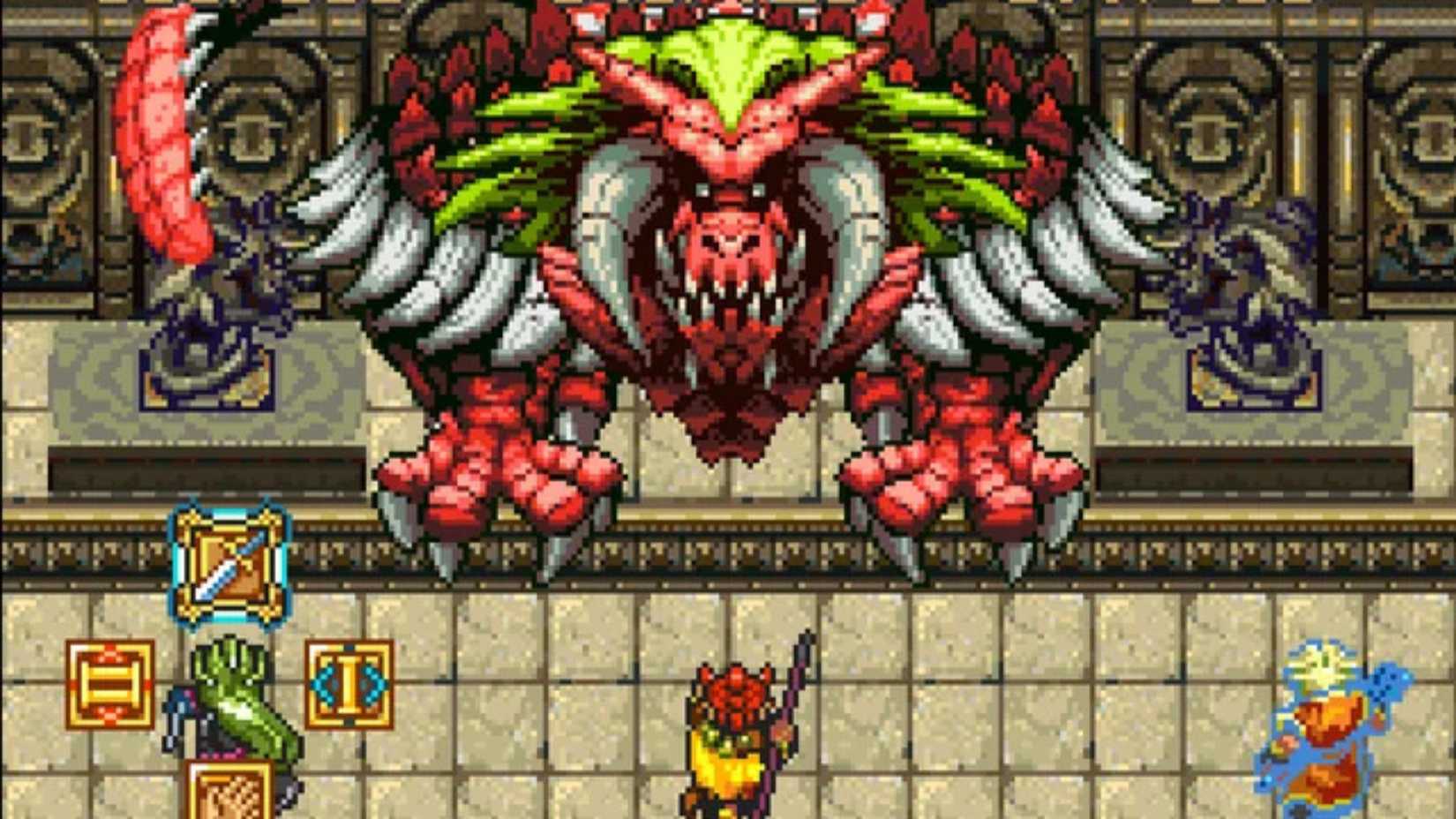
1. Lunar: Dragon Song – A Series Betrayal That Nearly Derailed a Genre
The Lunar series holds a special place in the hearts of many JRPG fans, renowned for its charming narratives, memorable characters, and heartfelt soundtracks. Titles like Lunar: Silver Star Story Complete and Lunar 2: Eternal Blue Complete are considered classics. It is therefore with a heavy heart that Lunar: Dragon Song must be placed at the bottom of this list, representing arguably the worst JRPG experience on the Nintendo DS.
A Dark Omen for a Beloved Series: For fans who grew up with the Lunar series, Dragon Song‘s arrival on the DS was met with anticipation. However, this anticipation quickly turned to despair as players discovered a game that seemed to fundamentally misunderstand what made the Lunar series so beloved.
Chronology of Devastation: Lunar: Dragon Song managed to get almost everything wrong. The core gameplay mechanics were riddled with fundamental flaws. Running, a basic action in most RPGs, actively cost the player health, creating an immediate and persistent sense of dread. Equipment had a tendency to break down regularly, forcing constant and often tedious resource management. Furthermore, the end-of-battle reward system forced players into an agonizing choice between receiving items or gaining experience points, creating an unavoidable grind that felt punishing and unrewarding.
This combination of ill-conceived mechanics resulted in a grindy, frustrating, and utterly demoralizing experience. For many, including the author, Lunar: Dragon Song was so abysmal that it came perilously close to souring their entire passion for the JRPG genre. The developers’ decision to deviate so drastically from the established formula, and to fail to emulate the successful PSP remake’s approach, was a profound misstep.
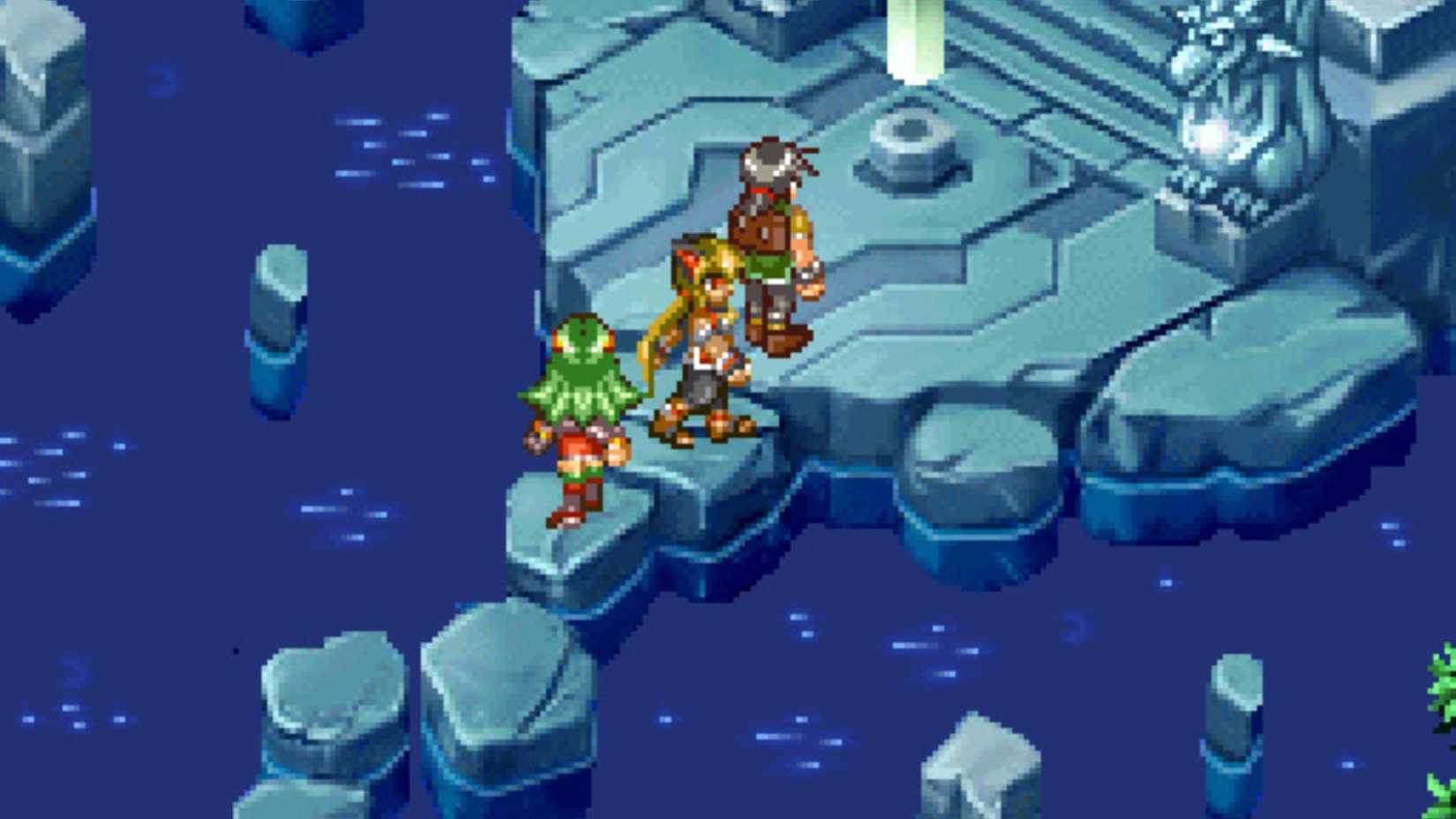
Supporting Data: Player reviews and critical assessments of Lunar: Dragon Song are overwhelmingly negative, frequently citing the game’s broken mechanics, punishing grind, and complete disregard for the series’ legacy. It is widely regarded as one of the worst games in the Lunar franchise and a significant disappointment for the genre.
Implications: Lunar: Dragon Song‘s catastrophic failure serves as a stark warning about the dangers of fundamentally altering beloved mechanics without a clear understanding of what made them successful. It is a prime example of a game that not only failed to win over new fans but actively alienated existing ones, proving that even a strong legacy can be tarnished by a poorly executed installment. It stands as a definitive "avoid at all costs" title for any JRPG enthusiast.











No comments yet. Be the first to join the conversation!