

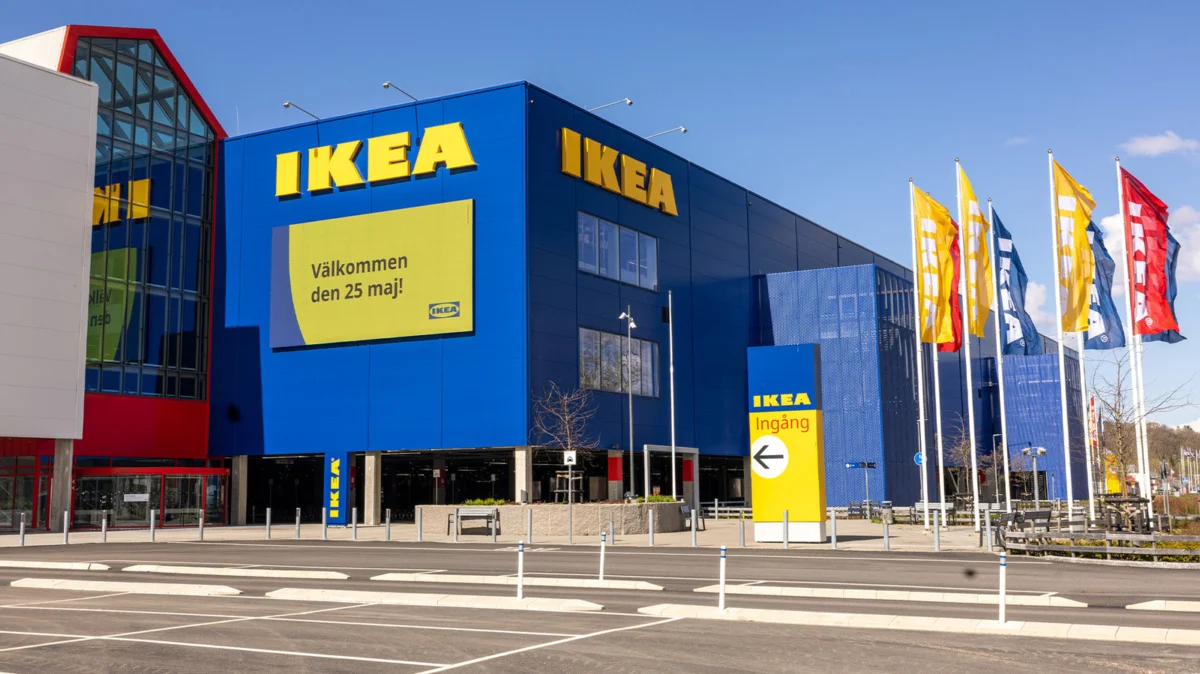
For over eight decades, IKEA has maintained its status as a global titan in home furnishing, defining the "do-it-yourself" aesthetic for millions of households. While the Swedish retailer is often synonymous with flat-pack assembly and cafeteria meatballs, its approach to consumer loyalty has evolved significantly. What began in the 1950s as the exclusive Silverklubben—a primitive attempt at fostering brand affinity—has transformed into the sophisticated, digital-first IKEA Family membership.
Launched in its current iteration in the United States in 2025, the program is far more than a simple points-collection scheme. It is a comprehensive ecosystem designed to incentivize recurring visits while providing tangible financial safeguards for the modern consumer.
The Chronology of Loyalty: From Silverklubben to 2025
The history of IKEA’s relationship with its customers is a study in retail adaptation. In the 1950s, the Silverklubben (Silver Club) was designed to reward early adopters of the brand’s burgeoning catalog. As the company expanded globally throughout the late 20th century, these loyalty initiatives were localized, fragmented, and often lacked the data-driven precision required for the digital age.
By the early 2010s, IKEA realized that to compete with rising e-commerce platforms and changing shopping habits, it needed a unified loyalty structure. The modern IKEA Family program represents the culmination of this effort. It transitioned from a physical card-carrying membership to a digital profile that integrates directly with the IKEA app, tracking purchases, facilitating returns, and offering personalized incentives based on localized data.
The Mechanics: Earning and Redeeming
At its core, the IKEA Family membership operates on a straightforward "points-per-dollar" basis. For every dollar spent, members accrue points that translate into rewards, discounts, and exclusive access. However, the true value of the program lies not in the point accumulation—which is common across retail—but in the "hidden" perks buried within the terms of service.
For the frequent shopper, the membership acts as a hedge against inflation and retail volatility. By digitizing the shopping experience, IKEA creates a seamless bridge between the physical showroom and the digital checkout, ensuring that customers are rewarded regardless of where they interact with the brand.
Strategic Benefits: A Deep Dive into Member Perks
1. The 90-Day Price Protection Guarantee
Perhaps the most underutilized benefit of the IKEA Family membership is the 90-day price protection policy. In the retail sector, buyer’s remorse often strikes when an item purchased at full price appears on sale just weeks later.
IKEA addresses this by allowing members to claim a refund for the price difference if a product goes on sale within 90 days of the original purchase. The mechanism is simple: by scanning the membership card at the point of sale, the transaction is digitally tethered to the member’s profile. If the item’s price drops, the customer can present their receipt and claim the difference. While this excludes services like assembly or delivery, it provides a crucial safety net for major home furnishing investments.
2. The Circular Economy: Buyback and Resell
Sustainability has become a pillar of IKEA’s corporate identity. To support this, the company launched its "Buyback and Resell" program, which is strictly limited to IKEA Family and IKEA Business members.
This program encourages a circular economy by allowing customers to return gently used furniture in exchange for store credit. Once returned, IKEA’s team assesses the items, cleans them, and puts them back on the floor as part of the "As-Is" section. It is a win-win: the consumer clears space in their home while receiving credit for new purchases, and IKEA reduces its environmental footprint by keeping items out of landfills.
3. "As-Is" Access and Exclusive Inventory
The "As-Is" section of an IKEA store has long been a treasure trove for savvy shoppers, but the modern loyalty program has elevated this experience. While non-members may browse, the ability to secure these heavily discounted items—often products with minor cosmetic blemishes or former floor models—is prioritized for members.
Discounts in this section frequently exceed 50%. By tying this inventory to the membership program, IKEA ensures that its most loyal customers have first-look opportunities at high-value items, further incentivizing the use of the digital membership card.
4. Community and Education: Workshops and Events
IKEA has increasingly positioned its physical locations as community hubs rather than mere retail warehouses. Through the IKEA Family program, members gain access to free workshops and educational events.
These events are tailored to the local demographic. In regions like Central Ohio, for example, the local store hosts everything from children’s craft nights and cooking clubs to "kitchen tours" that offer culinary education alongside furniture demonstrations. These programs provide significant value to families, offering a structured, educational, and free environment that transcends the transactional nature of traditional retail.
Leveraging External Partnerships
One of the most surprising facets of the current membership is the inclusion of third-party deals. Recognizing that their customers have needs beyond furniture, IKEA has curated a rotating list of partner offers.
Current incentives include:
- Storage Solutions: Partnerships with services like Space boxes, offering free trial periods for members.
- Footwear and Apparel: Periodic discounts at retailers such as Crocs.
- Educational Software: Long-term subscription discounts for platforms like Lingokids, providing value to parents who are already shopping for children’s furniture.
These partnerships signify IKEA’s ambition to become a lifestyle brand, integrating itself into the broader routines of its customer base.
Official Perspectives and Implications
Industry analysts view the evolution of the IKEA Family program as a masterclass in "sticky" retail. By embedding benefits like price protection and buyback programs into the membership, IKEA effectively raises the "switching cost" for consumers. If a customer has a 90-day price guarantee and a path to resell their furniture at their current retailer, they are statistically less likely to shop at a competitor for their next home project.
In an official statement regarding the program’s expansion, IKEA leadership emphasized the importance of the "omnichannel experience." The goal is not just to sell a table, but to support the customer throughout the entire lifecycle of the product—from the initial purchase and assembly to the eventual reselling of the item.
Conclusion: Is the Membership Worth It?
Given that the IKEA Family membership is entirely free, the barrier to entry is non-existent. For the casual shopper, it provides a convenient way to track receipts and access occasional discounts. For the dedicated IKEA enthusiast, the program is essential.
Between the 90-day price protection, the access to the buyback program, and the wealth of free educational workshops for children, the membership offers a suite of benefits that far outweigh the minor effort required to sign up. In an era where loyalty programs are often cluttered with useless points and spam emails, IKEA has managed to create a program that feels genuinely additive to the consumer experience.
As the retail landscape continues to shift toward digital engagement and sustainability, the IKEA Family program serves as a roadmap for how legacy brands can remain relevant, useful, and indispensable to the modern home. Whether you are a parent looking for weekend activities or a homeowner looking to protect your investment, the membership is an asset that demands a place in your digital wallet.










No comments yet. Be the first to join the conversation!