

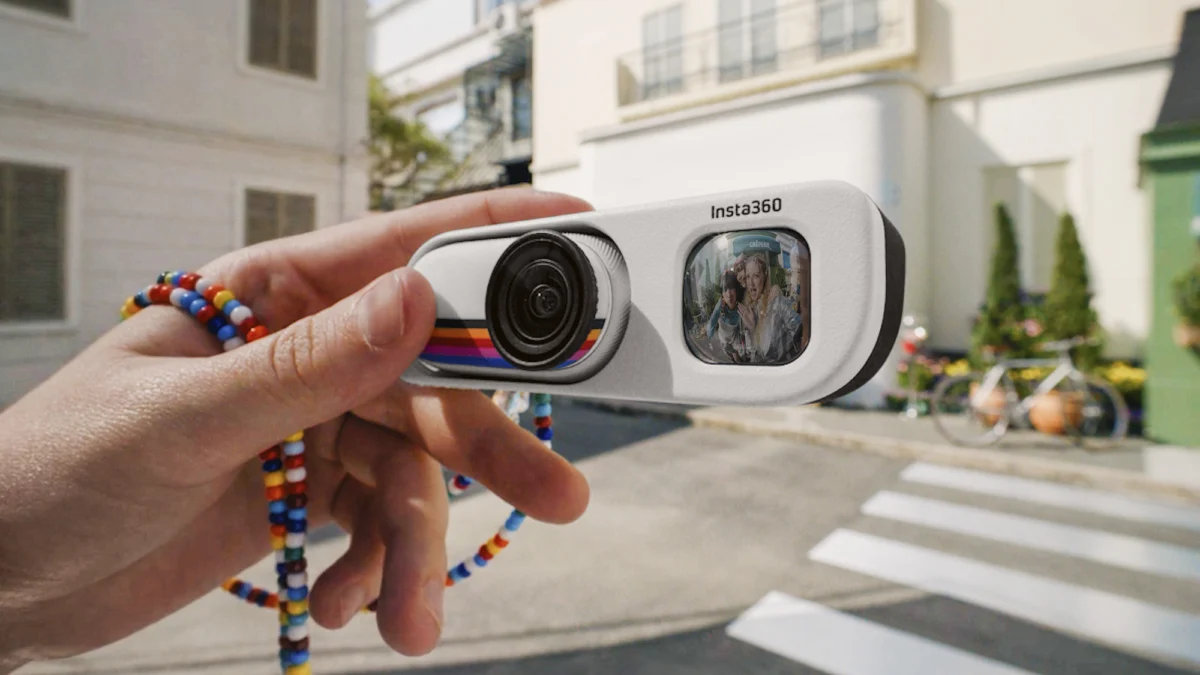
In a surprising pivot that blends cutting-edge imaging technology with the tactile, nostalgic charm of mid-century photography, Insta360 has unveiled its most unconventional release of 2026: the "Retro Bundle" edition of the Go 3S. This release marks a distinct departure from the hyper-digital, screen-heavy trend dominating the current action camera market, offering a unique "analog-style" experience for users who crave a more intentional approach to content creation.
While the core hardware—the thumb-sized, 4K-capable Go 3S—remains the powerhouse behind this kit, the introduction of a dedicated optical viewfinder marks a significant shift in how users interact with their gear. By stripping away the digital crutch of an LCD screen, Insta360 is betting that creators are ready to trade instant gratification for a more immersive, "point-and-shoot" workflow.
The Core Concept: Redefining the Action Camera
The Insta360 Go 3S has long been lauded as the premier choice for "tiny" 4K action photography. Its form factor allows it to be mounted in locations that would be impossible for traditional GoPros or DJI Osmo Actions. Whether attached to a pet, hidden in a tight mechanical space, or mounted to an athlete’s gear for an unobtrusive first-person perspective (POV), the device has carved out a niche as the ultimate "invisible" camera.
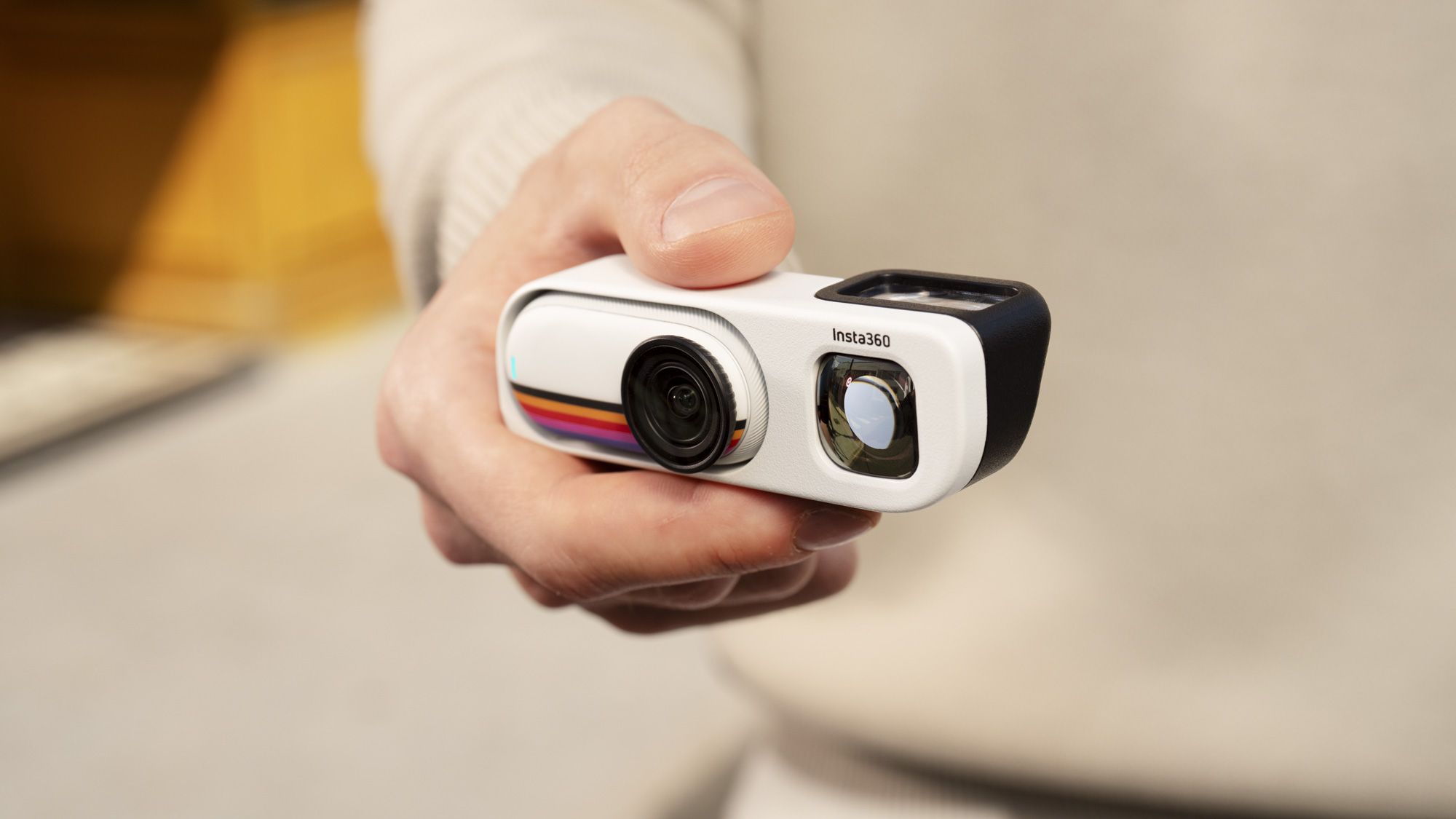
However, the standard Go 3S ships with a "Action Pod"—a functional, versatile dock featuring a flip-up LCD screen for real-time monitoring and remote control. The new Retro Bundle swaps this modern necessity for a specialized optical viewfinder case. This case is not just a housing; it is a stylistic nod to the era of film rangefinders and Polaroid cameras, encouraging users to frame their shots through an optical lens rather than a glowing display.
Chronology of a Retro Renaissance
The path to the Go 3S Retro Bundle is part of a broader industry trend toward "vintage-inspired" tech. Over the past two years, consumer electronics have seen a surge in demand for hardware that feels less like a smartphone peripheral and more like a dedicated creative tool.
- Early 2025: Rumors began circulating regarding a "minimalist" version of the Go series, with industry analysts noting a growing fatigue among Gen Z and Millennial creators regarding the "screen-first" nature of modern vlogging.
- Late 2025: Beta testing of a mechanical viewfinder accessory surfaced in niche photography forums, sparking speculation that Insta360 was planning a limited edition "analog-experience" camera.
- Early 2026: Official announcements confirmed the release of the Retro Bundle. The company focused its marketing on the concept of "Mindful Capture," emphasizing that removing the screen forces the user to be present in the moment rather than staring at a digital playback.
- Current Status: The bundle is now available in global markets, positioning itself as both a serious creative tool and a high-end fashion accessory for the modern creator.
Technical Specifications and Design Philosophy
At its heart, the Retro Bundle is powered by the same impressive internal hardware as the standard Go 3S.
The Camera Unit
- Resolution: 4K video recording capabilities with 12MP still photography.
- Size: Compact, thumb-sized chassis weighing approximately 39 grams.
- Controls: The camera body features a simplified single-button interface. One press records video; a double-tap captures a still image.
- Storage: Available in 64GB and 128GB internal storage configurations. Note: There is no expandable microSD slot, making the 128GB version the recommended choice for professional users.
The Retro Viewfinder Dock
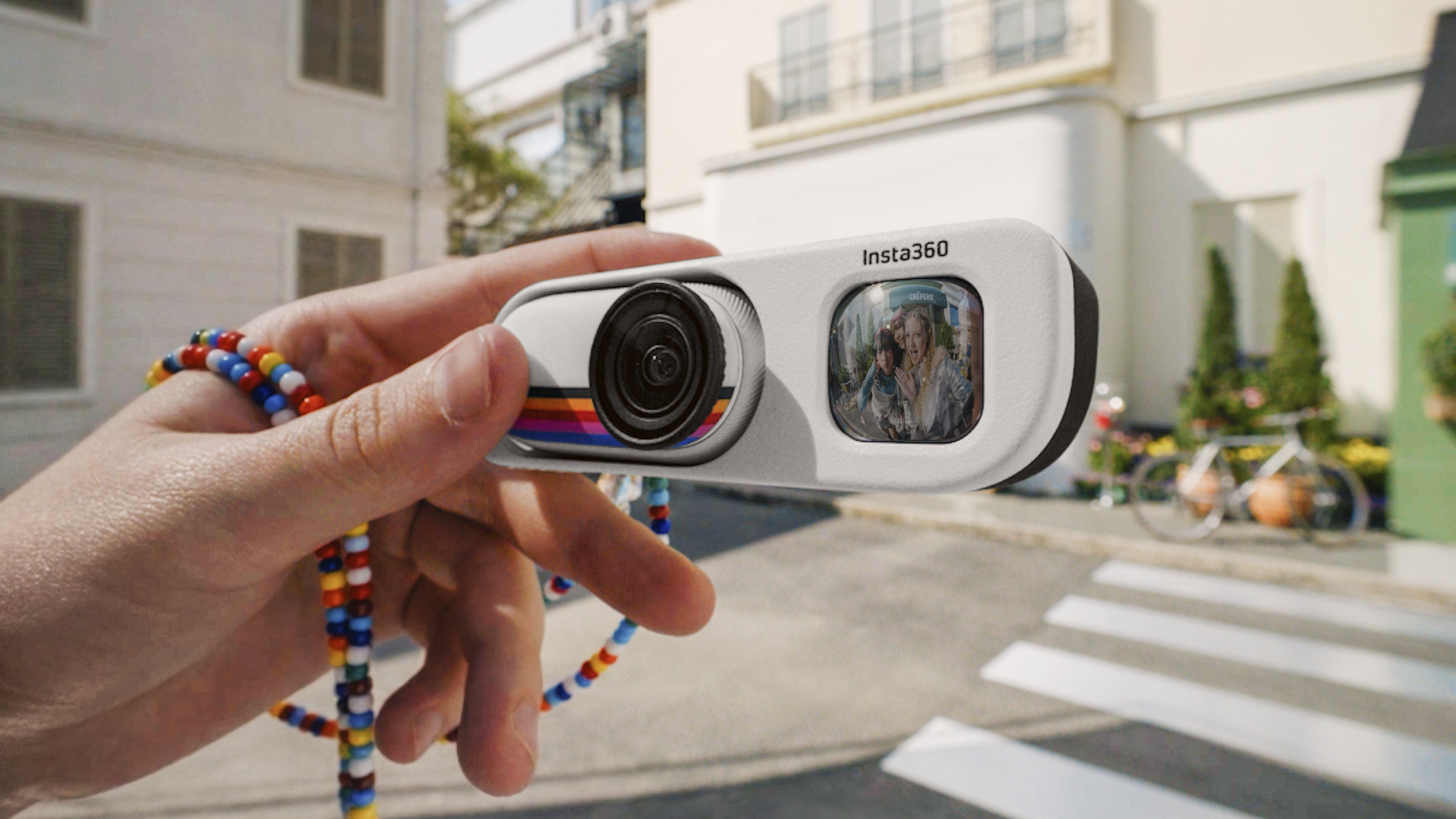
The standout feature of the bundle is the optical viewfinder case. Unlike electronic viewfinders (EVFs), this unit uses a glass-based optical path to mirror the scene in front of the lens.
- Waist-Level Framing: The design mimics classic medium-format cameras, allowing for creative, low-angle compositions.
- Selfie Mirror: The viewfinder doubles as a reflective surface for framing self-portraits, ensuring that the user is centered without needing a screen.
- Build Quality: The case features premium materials, including an available leather-finish option, which provides a tactile experience distinct from the plastic shells of standard action cameras.
Supporting Data: Why "Retro" Makes Sense
Market research in the portable camera sector suggests that while 4K resolution is the industry standard, the user experience has become a competitive differentiator. According to recent sales data, there is a 22% year-over-year increase in interest for "minimalist" hardware that limits the user’s ability to "chimp" (constantly check) their LCD screen.
The decision to offer the viewfinder separately ($48 / £46 / AU$80) is a strategic move to lower the barrier to entry for existing Go 3S owners. By treating the viewfinder as a modular component, Insta360 is effectively extending the lifespan of their previous hardware while capturing the "retro-enthusiast" demographic.
Official Stance and Market Positioning
In a statement accompanying the launch, the product team at Insta360 noted: "The Go 3S Retro Bundle is not about replacing the digital experience; it’s about augmenting it with the deliberate joy of analog photography. We noticed our users were spending more time editing on their phones than shooting in the field. By removing the screen, we hope to return the focus to the subject."
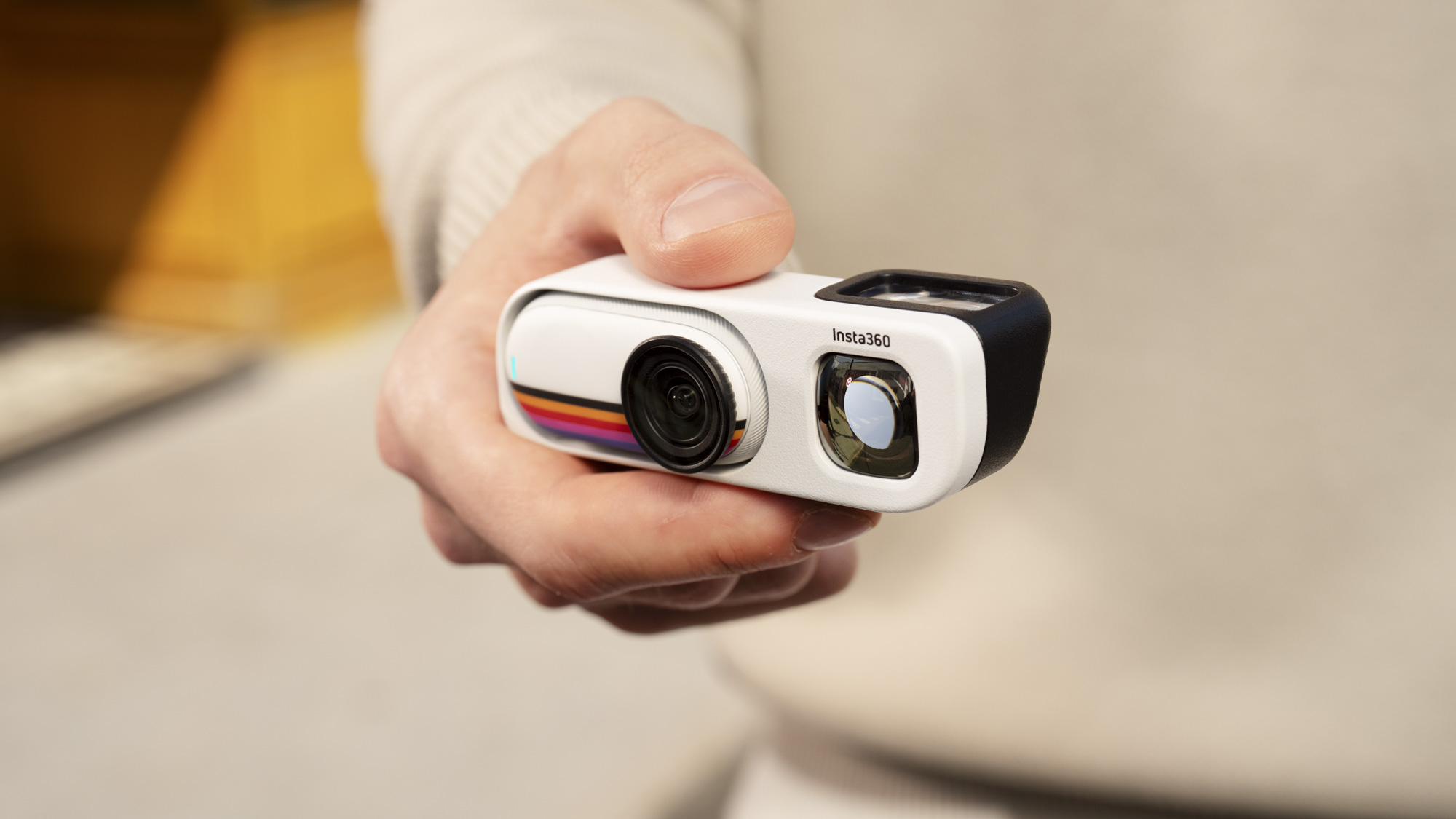
The company is clearly positioning this as a "lifestyle" product. While it retains the ruggedness and high-fidelity output required by professional action sports athletes, its aesthetic appeal makes it a perfect fit for street photographers, travel vloggers, and artistic directors looking for a discrete, stylish way to capture high-quality B-roll.
Implications: The Future of Action Cameras
The success of the Go 3S Retro Bundle could signal a fundamental shift in the action camera market. For years, the "spec war" has focused on frame rates, bitrates, and screen brightness. However, as these specs have plateaued, the "Human-Computer Interaction" (HCI) of cameras is becoming the next frontier.
1. The Death of "Screen Fatigue"
By removing the screen, Insta360 is challenging the notion that a camera is only as good as its monitor. This shift could lead to more "blind" photography, where users rely on intuition and wide-angle lenses to capture action, resulting in more authentic, less "curated" looking footage.
2. The Rise of Modular Ecosystems
If the Retro Bundle performs well, we can expect to see more "themed" accessories for action cameras. We might see future bundles that focus on night photography, underwater exploration, or even high-fidelity audio capture, all utilizing the same core camera unit but changing the physical interface of the dock.
3. Sustainability and Longevity
The fact that the viewfinder can be purchased separately is a win for sustainability. Instead of forcing users to buy a whole new device to experience a different style, they can simply purchase the modular case. This supports the "right to modularity" that many tech advocates have been pushing for.
User Considerations: Is the Retro Bundle for You?
Before committing to the $300 / £279 / AU$470 price tag for the 64GB version (or the $320 / £299 / AU$500 for the 128GB version), potential buyers should consider their workflow.
- The App Factor: While the camera has no screen, it is not "analog" in the sense of film. It still requires a smartphone app for advanced settings, firmware updates, and high-level file management. Users who are uncomfortable with app-based control may find the lack of a built-in screen frustrating.
- Storage Limitations: As previously mentioned, the lack of a microSD slot is a critical factor. The 128GB model is strongly advised for anyone shooting in 4K, as the lack of an easy way to offload footage on the go means you will be relying entirely on the internal capacity of the device.
- The Aesthetic: The "retro" tag is not just marketing—the device genuinely looks and feels different. If you are an athlete who needs to monitor telemetry (speed, altitude, battery) on a screen while recording, the standard Action Pod is still the superior tool. The Retro Bundle is for the creator, not the data-logger.
Conclusion
Insta360 has taken a bold, creative risk by looking backward to move forward. The Go 3S Retro Bundle manages to strip away the distractions of modern UI while keeping the professional-grade sensor and image stabilization that made the original Go 3S a market leader.
Whether this becomes a long-term staple of the action camera market or remains a niche collector’s item remains to be seen. However, by prioritizing the "feel" of photography alongside the quality of the image, Insta360 has reminded us that the best camera isn’t always the one with the biggest screen—it’s the one that makes you want to get out and shoot.












No comments yet. Be the first to join the conversation!