Laily UPN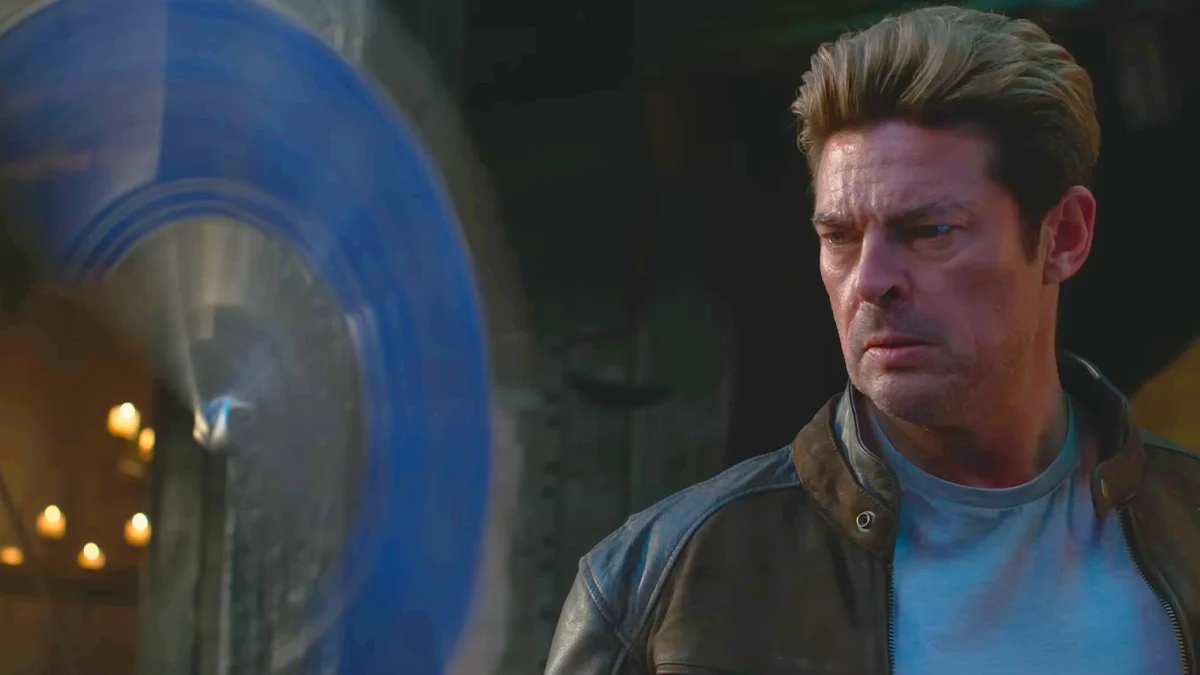
The cinematic arena of Mortal Kombat II (2025) has officially opened, and while the film has landed a solid opening-weekend punch, the road to total box-office domination remains a grueling tournament. As the dust settles on the opening frame, industry analysts are dissecting whether the sequel has enough staying power to secure a "Flawless Victory" or if it will require further reinforcements to avoid a fatality in the long run.
Main Facts: The Opening Frame
Mortal Kombat II debuted to a domestic box office haul of $38.5 million. While this figure falls within the lower end of pre-release industry projections—which ranged between $38 million and $49 million—it represents a significant milestone for the franchise. In the context of modern video game adaptations, which often struggle to find consistent footing, a $38.5 million opening is a respectable, if not record-shattering, performance.
However, the film was denied the top spot on the leaderboard by an unexpected contender: The Devil Wears Prada 2. The long-gestating fashion-industry sequel outperformed expectations, leveraging a "Mother’s Day Surge" on Sunday to capture $43 million. This demographic-heavy boost allowed The Devil Wears Prada 2 to leapfrog Mortal Kombat II, proving that even in the blockbuster season, counter-programming remains a potent threat to action-heavy tentpoles.
Chronology: From 2021 to the Present
To understand the current performance of Mortal Kombat II, one must look back at its 2021 predecessor. The first installment of this rebooted franchise was released during a tumultuous period for the film industry, burdened by a day-and-date release strategy on HBO Max. This dual-distribution model significantly cannibalized theatrical returns, making it difficult for the film to achieve traditional profitability.
Critics of the 2021 film frequently cited its deviation from the source material, specifically noting a lack of focus on the iconic tournament structure and the inclusion of an original character, Cole Young (played by Lewis Tan), which alienated some purists.
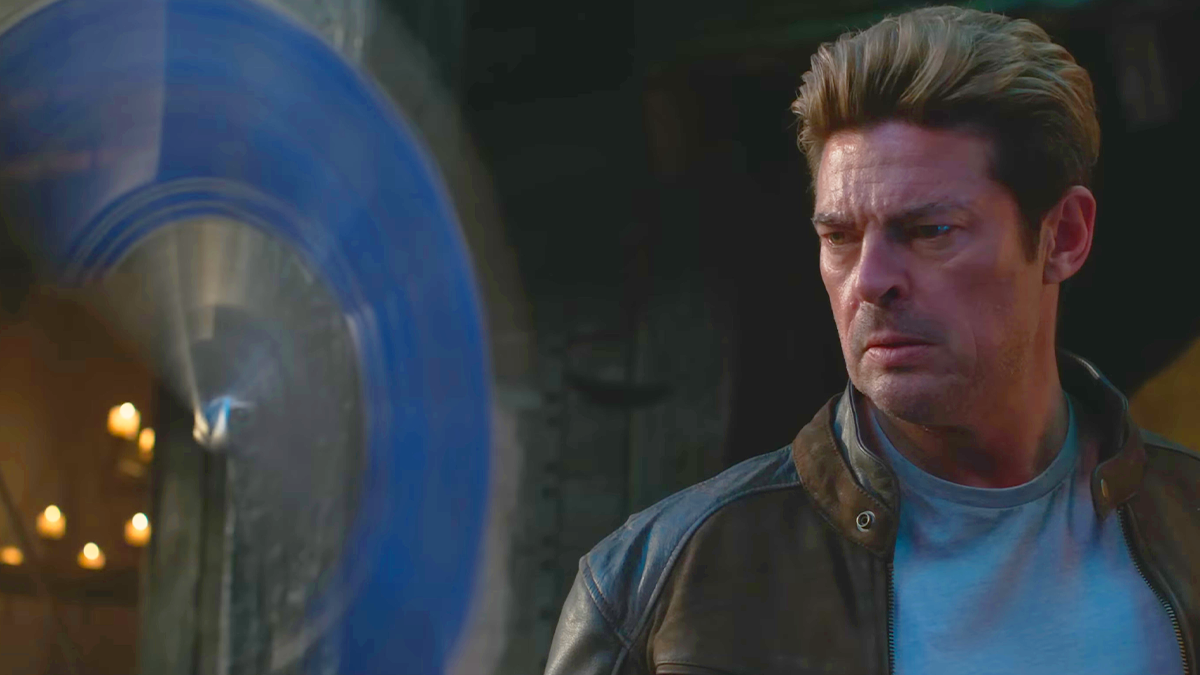
Mortal Kombat II appears to have learned from these grievances. By leaning into fan-favorite elements, introducing iconic characters, and shifting the narrative focus, the sequel has managed to generate a more favorable reception. The marketing campaign—which highlighted the casting of Karl Urban as the legendary Johnny Cage—was instrumental in building anticipation. Urban’s performance has since become the film’s strongest asset, with critics and fans alike praising his ability to balance the character’s trademark arrogance with the self-aware humor expected of the role.
Supporting Data: Financials and Critical Reception
The success of Mortal Kombat II is heavily tied to its production budget, which has been confirmed at approximately $80 million. In the current Hollywood landscape, where production costs frequently balloon past the $200 million mark, an $80 million budget is relatively lean. This suggests that the film does not need to reach the stratosphere to achieve profitability; it simply needs consistent, week-over-week performance.
The disparity between critic and audience scores on Rotten Tomatoes provides an interesting look at the film’s reception. The movie currently holds a "Certified Fresh" rating from critics, though it sits below the 70 percent threshold. Conversely, the audience score is surging, currently sitting at nearly 90 percent. This gap typically indicates that the film is a "fan-first" production—one that prioritizes deep-cut references and character moments that resonate with the gaming community, even if some critics find the narrative structure or pacing lacking.
Furthermore, unlike the 2021 installment, Mortal Kombat II is enjoying a more traditional theatrical window. By avoiding the immediate shift to streaming that hampered its predecessor, the film is better positioned to recoup its $80 million investment through pure ticket sales.
Official Responses and Public Sentiment
While Warner Bros. has remained relatively tight-lipped regarding specific internal financial targets, the general consensus from trade observers is that the film is in a "strong position." Social media discourse, particularly within communities like Reddit, suggests that the audience is largely satisfied with the tonal shift of the sequel.
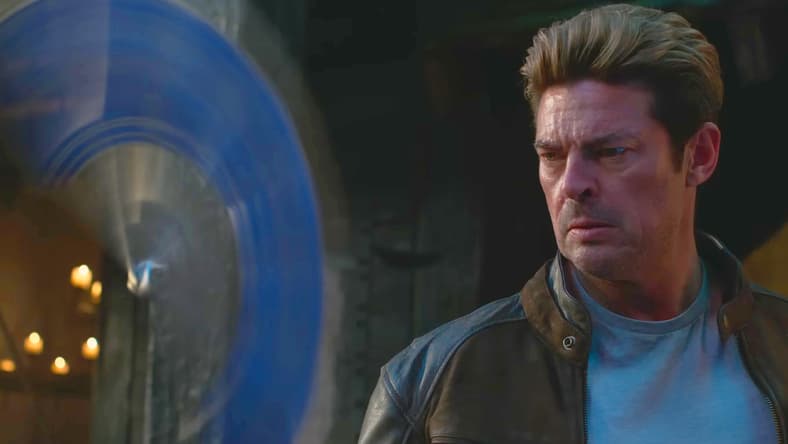
The inclusion of fan-requested mechanics, such as better-realized special moves and a more traditional tournament setting, has done much to wash away the bitterness left by the 2021 film’s narrative departures. The visual spectacle of characters like Kitana—and the viral fascination with the physics-defying movement of her iconic fan blades—has provided a marketing tailwind that money simply cannot buy.
Critics, while generally favorable, have been more measured. Many reviews highlight the improvement in fight choreography and the charisma of the cast, but note that the film still struggles with the inherent difficulty of balancing a massive roster of characters. The challenge for the production team was always going to be satisfying the lore-heavy demands of the Mortal Kombat fanbase while making the film accessible to casual moviegoers.
Implications: The Road Ahead
The implications for the franchise are clear: if Mortal Kombat II can sustain its momentum throughout the remainder of the month, it will likely pave the way for a third installment. However, the competition in the coming weeks remains fierce. As other summer blockbusters hit the multiplex, Mortal Kombat II must prove that its audience isn’t just the core group of franchise die-hards.
The "Stay in the Tournament" Factor
To stay in the "tournament" of the summer box office, the film needs to maintain its audience retention. The "Mother’s Day" weekend saw a dip due to specific demographic targeting by rival films, but upcoming weekends will be a better indicator of the film’s "legs."
If the audience score holds steady at 90 percent, word-of-mouth will be the film’s greatest ally. In an era where digital content is easily accessible, a strong, enthusiastic, and vocal fanbase is often the difference between a project being deemed a "modest success" and a "global phenomenon."
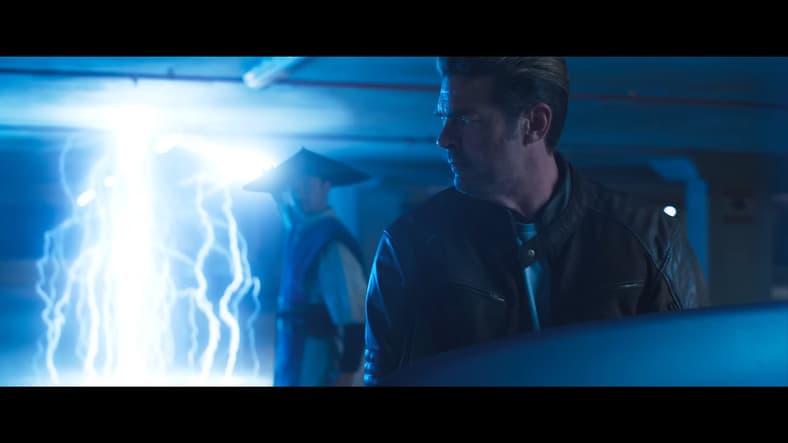
The Strategy for Sustainability
The film’s producers are likely monitoring the international markets with as much intensity as the domestic box office. Mortal Kombat as a brand has massive global recognition, and the $80 million budget allows for a lower barrier to entry in foreign territories. If the film performs well in international markets—particularly in regions with high video game penetration—the domestic $38.5 million opening will be viewed as merely the starting point.
Ultimately, Mortal Kombat II represents a calculated pivot. It is a film that acknowledges its own origins, corrects the course of its predecessor, and bets on the charisma of its actors and the loyalty of its fans. Whether this is enough to sustain a long-term franchise or if it will be a flash in the pan remains to be seen. But for now, the Kombatants are standing, the fans are engaged, and the sequel has earned its place in the arena.
As the film moves into its second week, the industry will be watching the percentage drop-off closely. A sharp decline would suggest that the film was purely driven by opening-weekend hype, whereas a stable performance would confirm that Mortal Kombat II has successfully recaptured the mainstream audience’s interest. For now, the verdict is in: the fight is far from over, but the game is very much still on.

 Sagoh
Sagoh
 Ammar Sabilarrohman