

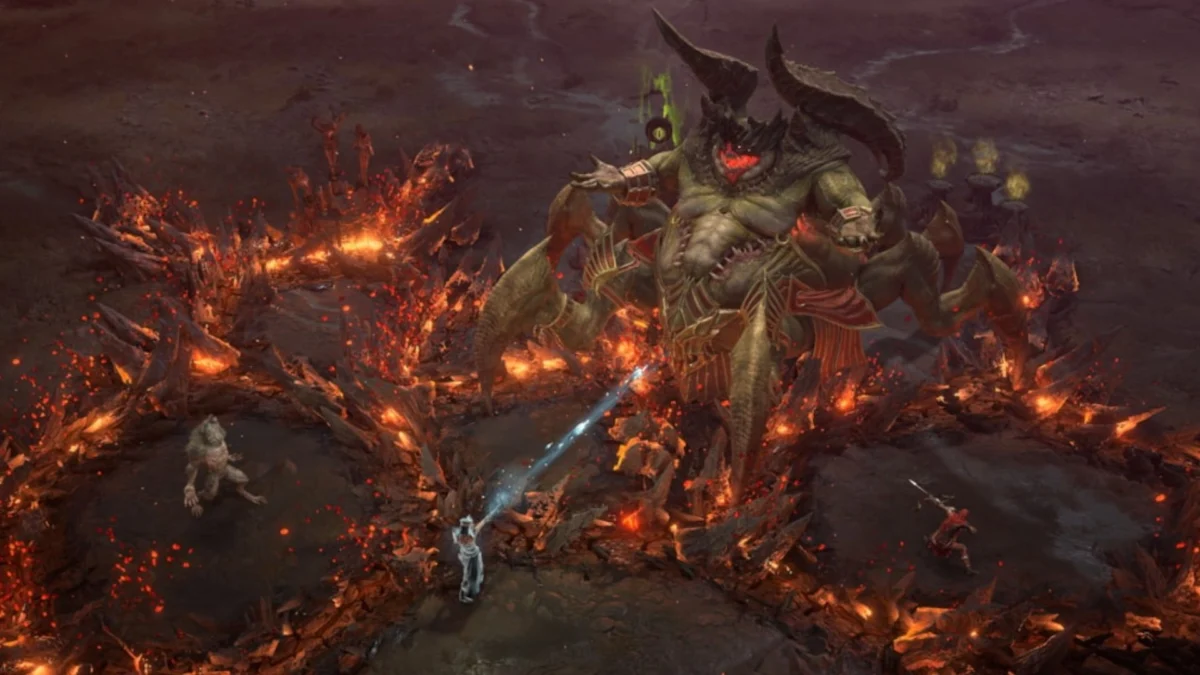
Since its highly anticipated release in June 2023, Diablo 4 has undergone a remarkable metamorphosis. Through a steady cadence of seasonal updates, radical overhauls to itemization, and the introduction of the Vessel of Hatred expansion, Blizzard Entertainment has successfully addressed many of the core complaints that plagued the game at launch. However, as the game matures, a persistent, lingering thorn in the side of the community remains: the prevalence and implementation of "on-death" enemy effects.
These mechanics—where enemies trigger a secondary, often lethal ability precisely at the moment of their demise—have become the silent killers of the high-level Diablo 4 experience. Despite years of vocal player feedback, these effects persist as one of the most frustrating aspects of the modern Sanctuary, turning what should be a triumphant display of player power into an unfair, visual-clutter-induced death screen.
The Evolution of Enemy Complexity: A Chronological Look
To understand the current frustration, one must look at the trajectory of the Diablo franchise. While Diablo 2 was defined by its atmospheric tension and deliberate pacing, Diablo 3 pivoted toward a high-octane, screen-clearing ARPG style. Diablo 4 attempts to bridge these two worlds, combining the dark, gritty aesthetic of the second game with the fluid, fast-paced combat of the third.
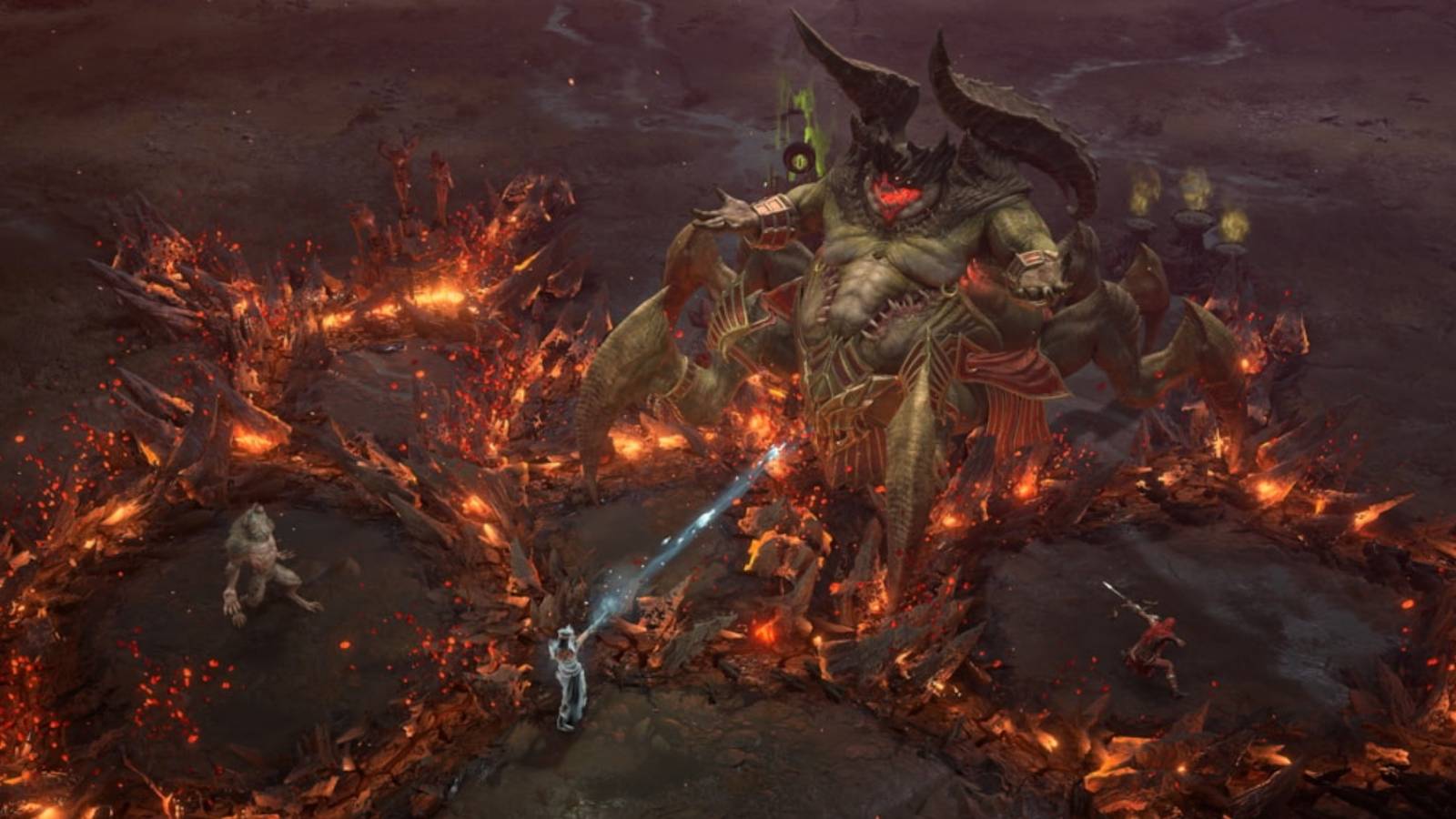
However, in this synthesis, the complexity of enemy traits has ballooned. In the early days of the franchise, elite packs were dangerous due to their raw damage output or specific elemental resistances. Today, elite enemies in Diablo 4 come packed with a randomized suite of modifiers, ranging from "Electrified" and "Frozen" to the much-maligned "On-Death" triggers.
As the game has expanded, the volume of these effects has scaled aggressively. During the launch window, players were largely dealing with basic explosions or poison puddles. As of 2026, with higher World Tiers and increasingly dense mob packs, the screen is often flooded with hundreds of particle effects simultaneously. The "On-Death" mechanic—once a niche tactical consideration—has become a constant, unpredictable hazard that occurs beneath a mountain of spell effects, loot drops, and environmental clutter.
The Technical Reality: Why "Visual Noise" Is the True Enemy
The primary grievance held by the community is not necessarily that enemies are dangerous, but that the danger is often invisible or impossible to telegraph. In a game that relies heavily on high-speed combat, the ability to read the battlefield is paramount.

The Problem of Particle Saturation
Diablo 4 is a visually stunning game, but that fidelity is its own worst enemy in combat. When a player engages a "mega-pack" of monsters, the screen is saturated with player ability effects—sorcerers casting lightning, necromancers summoning armies, and barbarians unleashing shouts. When an elite dies, the on-death effect (such as a delayed frost orb, a blood bomb, or a poison pool) is often rendered using colors and shapes that blend seamlessly into the existing chaos.
Accessibility and Sensory Overload
Beyond the standard gameplay experience, there is a significant accessibility issue at play. For players with visual impairments, color blindness, or motion sensitivity, the current level of "visual noise" is a barrier to entry. Many players have reported that the intense, flickering nature of these on-death triggers induces eye strain or, in some cases, motion sickness. When a game requires frame-perfect reaction times, but masks the telegraphs for those reactions with an opaque layer of visual effects, the game stops being a test of skill and starts being a test of visual processing endurance.
Statistical and Community Trends: What the Data Suggests
While Blizzard rarely releases internal telemetry regarding specific death causes, community polls and forum threads paint a clear picture. On platforms like Reddit and the official Blizzard forums, the "on-death" mechanic consistently ranks in the top three most-hated features, often sitting alongside "crowd control stacking" as a primary reason for player burnout.
Data from recent seasons indicates that in high-tier Nightmare Dungeons and the Pit, a disproportionate number of "one-shot" deaths occur exactly when a group of elite enemies is decimated. This suggests that the difficulty curve is currently being balanced not through engaging combat mechanics, but through "gotcha" moments that force players to back away from the combat they just won.
Is There an Official Path Forward?
Blizzard’s response to these complaints has been, to date, largely reactive rather than proactive. In various patch notes throughout the game’s lifespan, the development team has acknowledged the need for better "telegraphing" of enemy abilities. They have introduced small quality-of-life changes, such as slightly more distinct colors for certain ground-based hazards.
However, many players argue that these are band-aid solutions. The core issue remains: if an enemy is dead, why is it still capable of dealing damage that can rival, or exceed, the damage it dealt while alive? The community has proposed several solutions that have yet to be fully implemented:
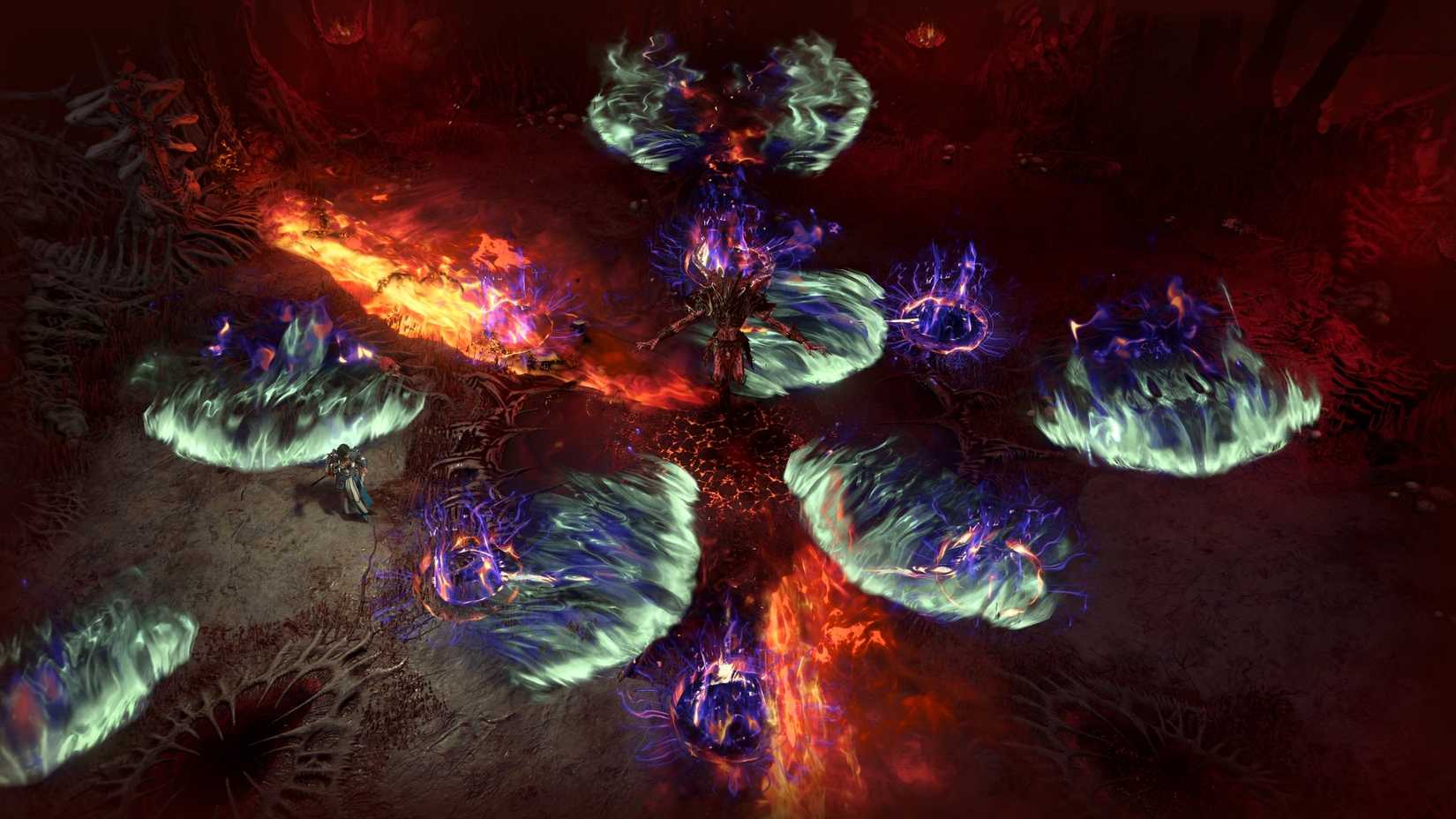
- Telegraphing Overhaul: Implementing a distinct, universal "border" or highlight for any effect that is about to trigger, regardless of the visual chaos on screen.
- Damage Delay Scaling: Allowing a brief "grace period" between an enemy’s death and the activation of the effect, giving the player time to react.
- Removal of Passive Effects: Replacing on-death effects with "on-hit" or "active" effects that force players to dodge while the enemy is alive, rather than after they have been defeated.
The Broader Implications for the ARPG Genre
The Diablo 4 experience highlights a fundamental tension in modern ARPG design: the balance between "punishing gameplay" and "fair design." As developers strive to make games more challenging to keep veterans engaged, they often lean into mechanics that act as damage checks or reaction-time tests.
If Diablo 4 is to retain its massive player base through its upcoming expansions and seasonal cycles, it must address the "friction" of its combat. When players feel that their deaths are the result of unseen, unavoidable, or poorly communicated mechanics, their emotional investment in the game wanes. A death should feel like a mistake the player made; it should never feel like a bug in the game’s visual clarity.
Moving Toward a More Transparent Sanctuary
The current state of on-death effects in Diablo 4 serves as a case study in the importance of user interface and visual design in action-heavy games. While the game has made massive strides in terms of loot, build diversity, and end-game systems, the combat loop remains hampered by this specific design legacy.

To move forward, Blizzard must prioritize the player’s ability to read the screen. Whether that means thinning the density of particle effects during intense combat, introducing a "contrast mode" for hazardous ground effects, or rethinking the philosophy of on-death mechanics entirely, change is necessary.
The Diablo franchise has always been about the power fantasy—the feeling of becoming a god-like entity capable of shredding through the forces of Hell. When that fantasy is interrupted by an invisible, unavoidable explosion from a corpse you didn’t even know you were standing on, the illusion shatters. By refining these mechanics, Blizzard has the opportunity to make the gameplay feel as polished and rewarding as the loot that keeps players coming back. Until then, the community remains caught in a cycle of frustration, waiting for the day when the screen finally tells the truth about what is killing them.











No comments yet. Be the first to join the conversation!