

In an era defined by rapid technological shifts and the omnipresent influence of social media, the question of how today’s teenagers navigate their developmental years has become a focal point for educators, policymakers, and brand strategists alike. A comprehensive new study released by Snapchat, conducted in partnership with Omnicom Media Group and research firm Alter Agents, offers a revealing glimpse into the lives of Gen Z and Gen Alpha. By surveying teen users across five global markets, the report challenges long-standing stereotypes about youth digital consumption, presenting a picture of a generation that is far more discerning—and cautious—than many adults assume.
Main Facts: Redefining the Teenage Experience
At its core, the Snapchat report aims to demystify the "digital native" experience. While the platforms through which teenagers communicate have shifted from landlines and mall meetups to ephemeral messaging and algorithmic feeds, the fundamental human needs of adolescents remain largely unchanged. They are still checking in with friends, navigating the complexities of burgeoning relationships, dealing with the pressures of homework, and engaging in social gossip.
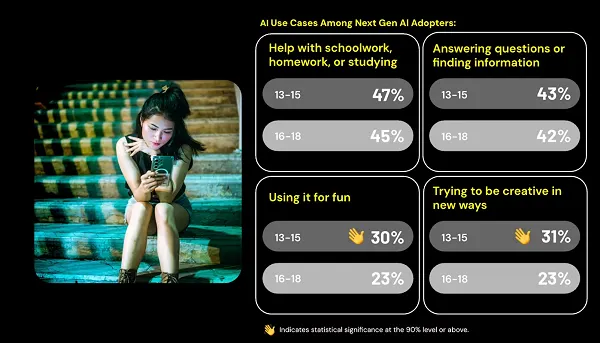
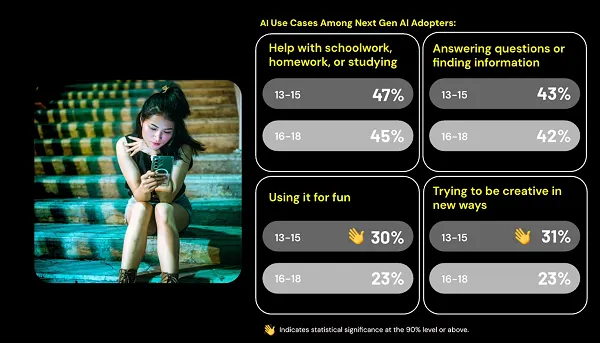
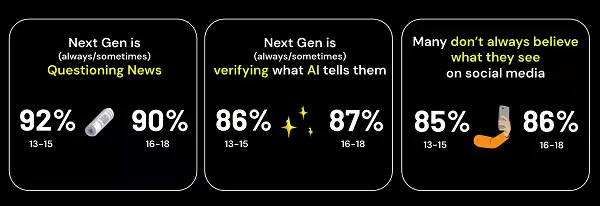
However, the "digital container" in which these experiences occur has fundamentally altered the pace and scale of their social lives. Unlike previous generations, today’s teens are constantly balancing the traditional requirements of growing up with the adult-level responsibility of managing their digital footprints. Perhaps the most striking finding is that this generation is characterized by a high degree of skepticism. Far from being passive consumers of content, modern teens are active interrogators of the media they consume, frequently fact-checking news and questioning the veracity of AI-generated content.
Chronology: The Evolution of the Digital Social Contract
To understand the current landscape, it is helpful to look at the progression of teen digital interaction:
- The Early 2000s (The Era of Connection): Early social platforms were viewed primarily as tools for connection, with limited focus on algorithmic curation or AI-generated synthetic media.
- The 2010s (The Rise of the Creator Economy): The shift toward video-centric platforms changed the role of the user from a mere participant to a content creator, establishing the "influencer" as a key social arbiter.
- 2023–2024 (The AI Inflection Point): We have entered a phase where reality is increasingly simulated. With the explosion of generative AI, teens are now forced to navigate an environment where "seeing is no longer believing."
This chronology highlights that while the tools have evolved, the developmental trajectory of the teenager has forced them to adopt "adult" coping mechanisms much earlier than their parents did. They are not just using the internet; they are managing it.
Supporting Data: The Generational Divide on AI
One of the most compelling aspects of the research is the divergent attitude toward Artificial Intelligence based on age. The data suggests that optimism regarding AI decreases as teens mature.
According to the study, 55% of younger teens (aged 13 to 15) believe that AI will have a predominantly positive impact on their generation’s future. In contrast, that optimism drops significantly among older teens (aged 16 to 18), with only 37% expressing the same positive outlook. This disparity likely reflects a growing awareness among older teens regarding the labor market implications of AI, as well as a more sophisticated understanding of the ethical dilemmas surrounding privacy, deepfakes, and algorithmic bias.
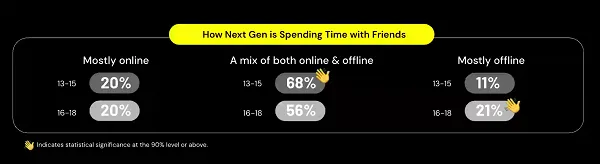
Furthermore, the data regarding social interaction highlights a stark difference between online and offline habits:
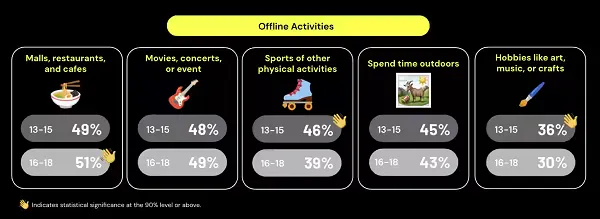
- Older Teens (16–18): Demonstrate a higher frequency of in-person social engagement, likely attributed to increased mobility and social independence.
- Younger Teens (13–15): Rely heavily on digital platforms as their primary "third space." For this cohort, social media is not a distraction from real life, but rather the primary environment where their social architecture is built and maintained.
Official Responses and Strategic Implications
Snapchat’s findings serve as a direct counter-argument to the global trend of "social media bans" currently being debated in various legislatures. Proponents of such bans often argue that social platforms are inherently damaging to teen mental health and social development. However, the Snapchat data suggests that for many young users, these platforms are vital infrastructure for their emotional and social well-being.
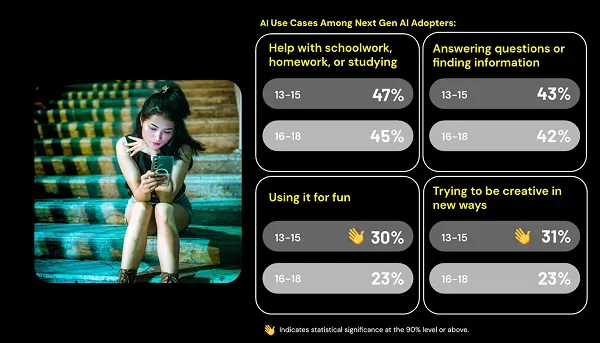
"This generation hasn’t changed what it means to be a teenager," notes the report. "They’re still checking in with friends, gossiping, doing homework, figuring out relationships—just in more digital spaces and often on social platforms."
By pathologizing these spaces, policymakers may be missing the opportunity to provide the necessary support structures, such as digital literacy education, that could actually empower teens to navigate these environments safely. Instead of removing the tools, the report implicitly suggests that we should be equipping the users with the critical thinking skills required to verify information, manage their online interactions, and engage with creators in a healthy, balanced way.
Implications for Marketers and Educators
The implications of this study for businesses and educators are profound.
For Marketers:
The era of the "unquestioned influencer" is fading. Because today’s teens are naturally skeptical, marketing strategies that rely on deceptive practices or overt manipulation are likely to backfire. Authenticity is no longer just a buzzword; it is a prerequisite for engagement. Brands that are transparent about their use of AI and that engage in open, two-way dialogues with their younger audiences are more likely to build long-term brand loyalty.
For Educators:
The data reinforces the urgent need for robust digital literacy curricula. If teens are already fact-checking their news and questioning AI, they have the innate capacity to handle the complexities of the digital age. Educators should build upon this existing skepticism, providing students with the tools to identify misinformation, understand the mechanics of algorithmic bias, and maintain a healthy relationship between their offline identities and their online personas.
Conclusion: A More Resilient Generation?
While the media often paints a portrait of teenagers as helpless victims of their screens, the evidence provided by Snapchat suggests a more resilient and critical generation. They are the first to grow up in a world where the line between the physical and the digital is essentially non-existent, and they are adapting to this reality with a surprising amount of nuance.
The "digital dilemma" facing society is not necessarily the existence of these platforms, but how we support young people in navigating them. By recognizing that social media is a fundamental component of the modern teenage experience, we can move away from reactionary measures and toward a more constructive approach. If we empower the next generation with the right tools—and trust their ability to use their own discernment—we may find that they are better prepared for the future than we ever were.
As we continue to watch the evolution of these trends, one thing is clear: the teenagers of today are not just consuming the internet; they are learning how to survive, thrive, and remain skeptical in a world where reality is increasingly up for interpretation. The future, it seems, is in capable, if constantly connected, hands.











No comments yet. Be the first to join the conversation!