

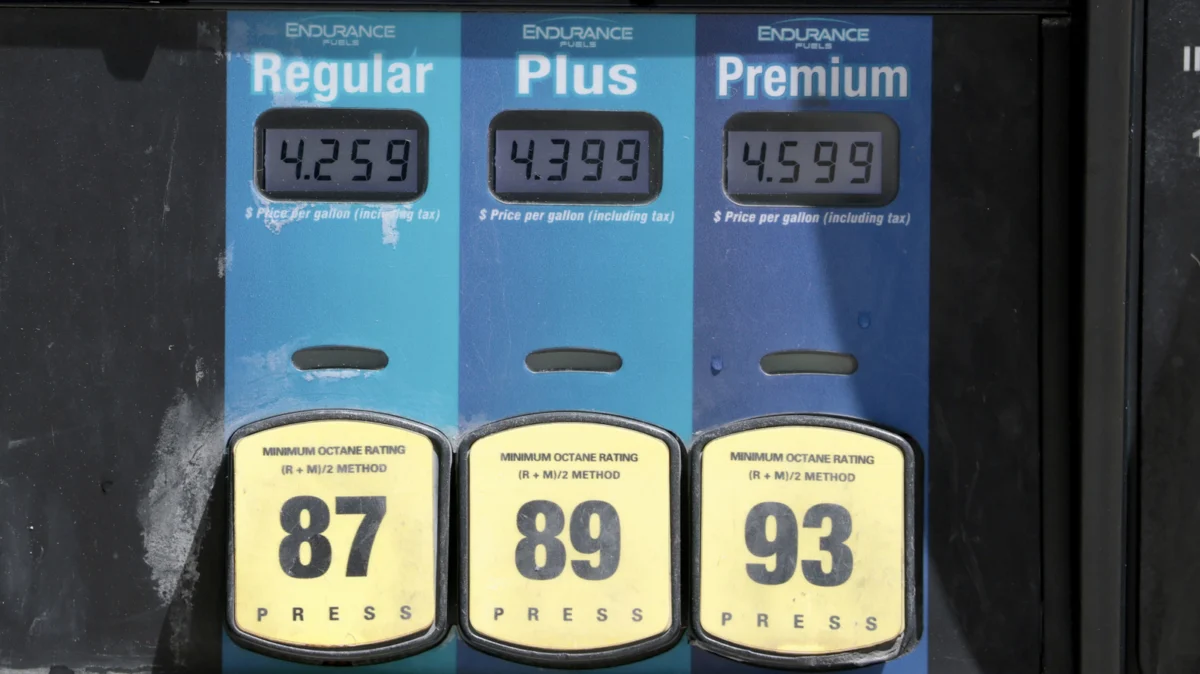
For the average motorist, the ritual of pulling into a service station is often performed on autopilot. We pull up to the pump, select our preferred grade, and fill the tank. Yet, the presence of three distinct buttons—regular, mid-grade, and premium—often leaves consumers wondering if they are making the optimal choice for their vehicle’s longevity and performance. While the debate between regular (87) and premium (91+) is common, the "middle child" of the pump—the 89-octane mid-grade—remains one of the most misunderstood products in the automotive industry.
The Science of Octane: Understanding Knock Resistance
At the heart of the fuel grade debate is the concept of the octane rating. Contrary to popular belief, a higher octane number does not indicate a "cleaner" or more "powerful" fuel in the sense of adding raw energy. Instead, the number represents the fuel’s stability—specifically, its resistance to premature detonation, commonly referred to as "knocking" or "pinging."
In a standard internal combustion engine, the fuel-air mixture is compressed by a piston and then ignited by the spark plug. This process must be precisely timed to produce maximum power. "Knocking" occurs when the fuel-air mixture ignites spontaneously due to the heat and pressure of compression before the spark plug fires. This creates an erratic, secondary explosion that sends shockwaves through the cylinder. If left unaddressed, this phenomenon can cause significant mechanical damage, including eroded spark plugs, broken piston rings, and in extreme cases, catastrophic engine failure.
The octane rating measures how much compression the fuel can withstand before it self-ignites. An 87-octane fuel is formulated for standard compression engines, while 91 to 94-octane fuels are engineered for high-performance or forced-induction engines (like those with turbochargers) that compress the mixture much more aggressively.
A Historical Perspective: The Origins of 89 Octane
The existence of 89-octane gasoline is less a result of engineering necessity and more a byproduct of historical market shifts. The mid-grade category emerged following the Environmental Protection Agency’s (EPA) aggressive move to phase out leaded gasoline starting in 1975.
Prior to this transition, lead was used as an inexpensive additive to increase octane levels and prevent knocking. When the EPA mandated the move to unleaded fuel to reduce toxic emissions and protect catalytic converters, the chemical composition of gasoline had to change significantly. The refining process for unleaded gasoline was more intensive and, consequently, more expensive.
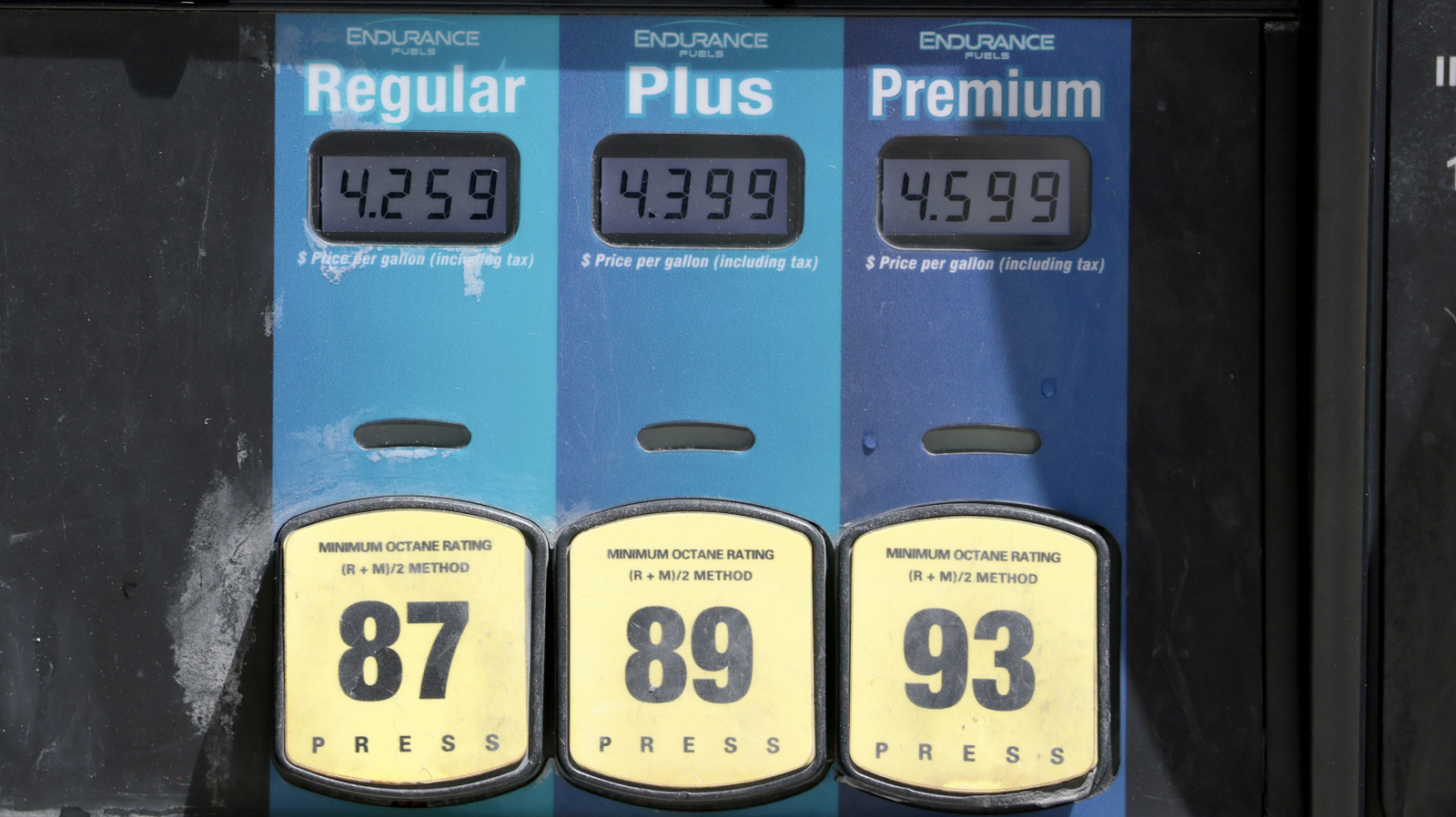
To provide consumers with an alternative that sat between the entry-level 87 and the increasingly expensive premium blends, retailers introduced the 89-octane "Plus" grade. Marketed as a bridge for engines that might have needed a slight boost over regular but didn’t require the full cost of premium, it filled a niche gap in the market. Decades later, however, the automotive landscape has changed entirely. Today, zero production vehicles list 89 octane as a requirement, and the grade accounts for a mere eight percent of total gasoline sales in the United States.
The "Pump Trick": How Mid-Grade Is Actually Manufactured
One of the most intriguing aspects of 89-octane fuel is its physical origin. In most modern gas stations, 89-octane gasoline is not stored in a separate, dedicated tank. Instead, it is a "blend-on-demand" product.
When a customer selects the mid-grade button at a modern multi-product dispenser, the internal plumbing of the pump draws simultaneously from the underground 87-octane and 93-octane tanks. The pump’s internal computer mixes these two liquids in real-time as they travel through the hose to reach your vehicle. This ingenious logistical solution allows gas stations to offer three grades of fuel while only maintaining two primary storage tanks, maximizing efficiency and minimizing infrastructure costs for station operators.
Supporting Data: Why "More" Is Not Always "Better"
Consumers frequently fall into the trap of "premium bias," assuming that if 87 is good, 89 must be better, and 93 must be best. Automotive engineers, however, maintain that this is a fallacy.
The engine control unit (ECU) in a modern vehicle is programmed to optimize performance based on the fuel detected. If a manufacturer specifies 87 octane, the engine is designed to run at peak efficiency using that specific chemical composition. Using a higher octane fuel in an engine that does not require it offers no measurable increase in horsepower, fuel economy, or cleanliness. In fact, you are simply paying a premium for a chemical stability that your engine does not need and cannot utilize.
Data from the U.S. Energy Information Administration confirms that market demand for mid-grade remains stagnant. Despite the fluctuating prices of fuel—which recently hit four-year highs—consumers are becoming increasingly savvy, realizing that spending extra cents per gallon for 89 octane offers no tangible return on investment.
When Should You Consider Moving Up?
While 89 octane is rarely necessary, there are specific scenarios where a driver might find themselves tempted to step up from the base 87 grade.
1. Persistent Engine Pinging
If your vehicle begins to exhibit audible pinging or knocking, it is a clear warning sign. However, the first step should never be to simply switch to a higher octane. Pinging is often a symptom of underlying mechanical issues, such as:
- Carbon Deposits: Accumulation in the combustion chamber can effectively increase the compression ratio, leading to premature detonation.
- Worn Spark Plugs: Firing issues can disrupt the combustion cycle.
- Lean Air/Fuel Mixture: A malfunctioning oxygen sensor or a vacuum leak can cause the engine to run "lean," increasing heat and the likelihood of knocking.
- Ignition Timing: Issues with the timing sensor can cause the spark to fire at the wrong moment.
In these instances, using 89 or 91 octane might mask the symptoms temporarily by resisting the knock, but it does not fix the root cause. A visit to a certified mechanic is the recommended course of action to ensure the engine remains healthy.
2. Extreme Environmental Conditions
Under very specific conditions—such as heavy towing during an extreme heatwave—an engine might experience slightly higher internal temperatures that stress the fuel’s stability. In such high-stress scenarios, some drivers choose a mid-grade or premium fuel as a "safety buffer" against temporary knocking. However, this is largely anecdotal and should not be a substitute for proper vehicle maintenance.
Implications for the Future of the Pump
As vehicle technology continues to evolve toward direct injection and variable valve timing, engines are becoming more efficient at managing combustion. Paradoxically, while engines are becoming more powerful, they are also becoming more adept at using lower-octane fuels without sacrificing performance.
The future of the 89-octane grade is likely to remain in decline. As retailers modernize their stations, many are choosing to prioritize space for high-flow diesel pumps or electric vehicle charging stations, potentially phasing out the underutilized mid-grade storage and blending hardware.
Final Verdict: Follow the Manual
The most important takeaway for any driver is to consult the owner’s manual. Automotive manufacturers spend millions of dollars in research and development to determine the precise fuel requirements for their engines. If the manual calls for 87, stick with 87. If it calls for premium, do not downgrade to 89, as this could trigger the engine’s "knock sensors," causing the ECU to retard the ignition timing, which leads to reduced power and decreased fuel economy.
In the world of fuel grades, "better" is a subjective term. The best fuel for your car is the one the manufacturer engineered it to use. Anything else is likely a waste of money—a "fuel myth" that has persisted far longer than it should have in the American automotive market. By understanding the science behind the numbers, drivers can make more informed decisions, save money at the pump, and ensure their vehicles operate exactly as intended.











No comments yet. Be the first to join the conversation!