Is it possible for a cinematic project to possess too much star power? In the case of the upcoming animated adaptation of George Saunders’ Booker Prize-winning novel, Lincoln in the Bardo, the production appears to be testing the limits of this question. What began as a focused, singular casting announcement has blossomed into one of the most densely populated, high-profile ensembles in contemporary animation.
The project, which seeks to capture the surreal, heart-wrenching, and darkly comic spirit of Saunders’ prose, has evolved into a creative juggernaut. With a blend of stop-motion animation and live-action elements, the film is poised to redefine how we visualize historical trauma and ethereal storytelling.
The Evolution of an Unprecedented Cast
The narrative of this production’s casting began with a singular, gravitational force. When news first broke regarding the adaptation, the primary focus was the anchoring presence of Tom Hanks, who was tapped to provide the voice for the 16th President of the United States, Abraham Lincoln. Given the gravitas required to portray such a pivotal historical figure, Hanks felt like an intuitive, albeit standard, choice.
However, the subsequent weeks proved that the producers were aiming for something far more ambitious than a traditional biopic. Last week, Deadline sent ripples through the industry by revealing that the project had secured a trio of highly acclaimed character actors: Willem Dafoe (The Lighthouse), Jonathan Bailey (Wicked), and Peter Dinklage (Game of Thrones).
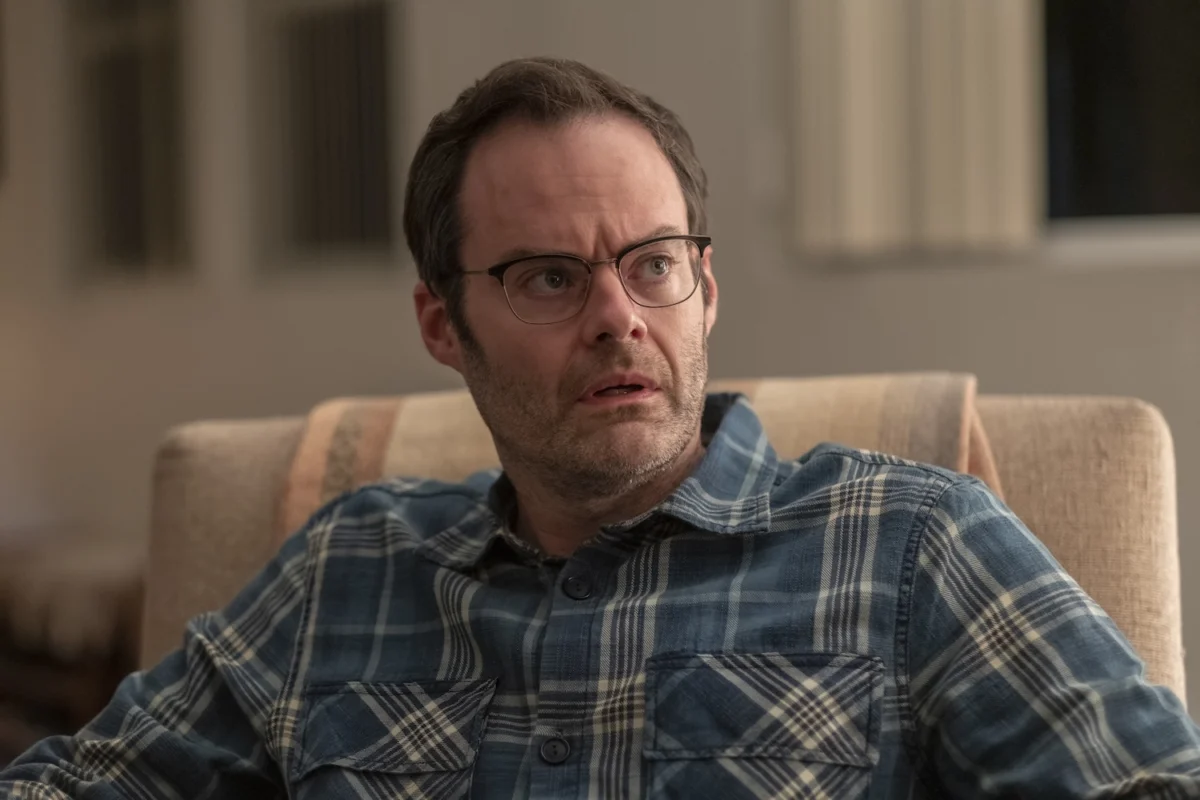
The momentum did not stop there. In a stunning follow-up, The Hollywood Reporter confirmed that the ensemble would be bolstered by the inclusion of Meryl Streep—a casting coup that in itself would headline any other project—alongside the versatile Colman Domingo (The Four Seasons), comedic powerhouse Bill Hader (Barry), and the legendary musician and actor Tom Waits. This collection of talent represents a rare confluence of artistic pedigree, spanning decades of film, theater, and music history.
Chronology of a Casting Blitz
The rapid-fire expansion of the Lincoln in the Bardo cast can be tracked through a series of tactical announcements that have kept the project at the forefront of industry discourse:
- Phase One: The Foundation. The project is introduced to the public with Tom Hanks as the centerpiece, signaling a serious, prestige-driven approach to the source material.
- Phase Two: The Spectral Trio. The announcement of Willem Dafoe, Jonathan Bailey, and Peter Dinklage signals a shift toward the "cacophony of voices" central to the novel. These actors are chosen to ground the more eccentric, ghostly characters in the narrative.
- Phase Three: The Expansion. Meryl Streep, Colman Domingo, Bill Hader, and Tom Waits are added to the roster, transforming the film into an "all-star" event. This phase also revealed that Streep would be undertaking the daunting task of voicing four distinct characters, further emphasizing the experimental nature of the animation.
Bridging History and the Bardo: The Creative Vision
At the helm of this ambitious endeavor is director Duke Johnson, best known for his work on the critically acclaimed Anomalisa. Johnson’s expertise in the nuances of stop-motion—a medium that excels at portraying the psychological interiority of characters—makes him the ideal shepherd for Saunders’ complex narrative.
The film, based on a screenplay written by Saunders himself, utilizes a hybrid technical approach. By combining stop-motion animation with live-action techniques, Johnson aims to create a visual language that mirrors the "Bardo"—a Tibetan concept representing a liminal state between death and rebirth.
The Synopsis
According to producers, the film explores "one of the most intimate moments of Lincoln’s life, centering on his relationship with his recently deceased eleven-year-old son." The synopsis further notes: "Blending history and imagination, the story unfolds through an unforgettable ensemble of characters—living and dead, historical and invented—to explore themes of love, empathy, and the human capacity for connection in the face of unimaginable grief."
Character Breakdown and Narrative Complexity
The novel, which was hailed by critics upon its 2017 release for its structural daring, is famously told through a "wall of noise." Leah Schnelbach, writing for Reactor, noted that the book corrals "historical records, newspaper clippings, diary entries, correspondence, and pure fiction into a wall of noise."
The adaptation appears to be leaning into this polyphonic structure by assigning specific, high-profile talent to the ghostly inhabitants of the Bardo:
- The Reverend Everly Thomas: Voiced by Willem Dafoe. The Reverend is one of the primary figures of the afterlife, acting as a guide through the purgatorial space.
- Roger Bevins III: Voiced by Jonathan Bailey. A character whose arc in the novel is defined by his struggle to let go of life’s pleasures.
- Hans Vollman: Voiced by Peter Dinklage. A man who died before he could truly consummate his marriage, providing one of the book’s most tragic subplots.
- The Protean Performance: Meryl Streep is slated to play four distinct roles: Abigail Bass, Elizabeth Crawford, an Angel, and a Demon. This range of characterization underscores the surrealist, fluid nature of the Bardo.
- Thomas Havens: Voiced by Colman Domingo. Described as the ghost of a former slave seeking a history-changing union with Lincoln.
- The Rakes: Bill Hader steps into the roles of Eddie Baron and one of the "Three Rakes," characters who provide the narrative with its biting, dark humor.
- Jasper Randall: Voiced by Tom Waits. A former dancehall performer turned demon, Randall is tasked with the antagonistic role of attempting to capture the soul of the young Willie Lincoln.
Implications for the Animation Industry
The casting of Lincoln in the Bardo represents a significant shift in the perception of animation. For years, major studios relied on A-list stars for "voice acting" as a marketing tool, often prioritizing celebrity status over performance. However, this production marks a departure from that trend.
By selecting actors like Dafoe, Waits, and Streep—individuals known for their transformative, character-based work—Johnson is treating animation not as a fallback for live-action, but as a medium that requires the highest level of dramatic nuance. The decision to have one actor (Streep) embody four different entities is a bold statement about the flexibility of the medium.
Furthermore, the scale of the ensemble suggests that Lincoln in the Bardo is being positioned as a "prestige" animated film, a category that has gained significant traction following the success of experimental works like Spider-Man: Across the Spider-Verse and Guillermo del Toro’s Pinocchio. This film could very well set a new benchmark for how literary, non-linear fiction is translated for the screen.
Conclusion: A Wonderful Cacophony
While the sheer density of talent involved might lead some to wonder if the "star power" will overshadow the delicate emotional core of George Saunders’ work, the track record of the team involved suggests the opposite. The "cacophony of voices" that defined the novel is exactly what the film requires to succeed. By casting actors who are masters of their craft, the production is ensuring that every ghost, demon, and historical figure feels distinct, haunting, and vital.
As the industry and audiences await a release date, the anticipation remains high. Lincoln in the Bardo is not just an adaptation; it is an experiment in collective storytelling. It promises to be a film where history, grief, and high-art animation converge, creating a cinematic experience that—much like the Bardo itself—will be difficult to leave once the final frame fades to black. We are, quite simply, waiting for the curtain to rise on what may be the most ambitious animated ensemble in history.