For many readers, the allure of the apocalypse is found in the grit—the desperate survival, the scarcity of resources, and the grim reality of a world stripped of its infrastructure. However, for a significant subset of the literary and cinematic audience, these themes do not evoke excitement; they trigger a visceral sense of dread. The genre is frequently synonymous with profound melancholy, a sentiment often compounded by real-world experiences with disaster, such as those endured by survivors of Hurricane Katrina. Yet, a burgeoning sub-genre is challenging this paradigm, offering a "kinder, gentler" apocalypse that prioritizes absurdity, satire, and hope over unremitting despair.
The Evolution of the End-of-the-World Narrative
The post-apocalyptic genre has historically been rooted in the "survivalist" school of thought, popularized by works like Cormac McCarthy’s The Road or the television phenomenon The Walking Dead. These stories are grounded in the assumption that when the structures of society collapse, humanity’s base, often violent, nature will inevitably emerge.
However, a shift has occurred. Contemporary creators are increasingly moving toward the "Cozy Apocalypse"—a term used to describe stories where the end of the world is not a death sentence, but a canvas for reimagining how we live. This trend relies on the "exception to the rule" philosophy: the idea that even the most pessimistic reader can find solace in a narrative that approaches the end with curiosity rather than condemnation. By injecting elements of humor, surrealism, and whimsy, these stories dismantle the trauma inherent in the genre and replace it with a narrative of resilience and community.
Chronology of a Cultural Shift
The transformation of the genre can be tracked through key milestones, beginning with the foundational absurdity of the late 20th century and moving into the highly stylized, character-driven narratives of the 2020s.

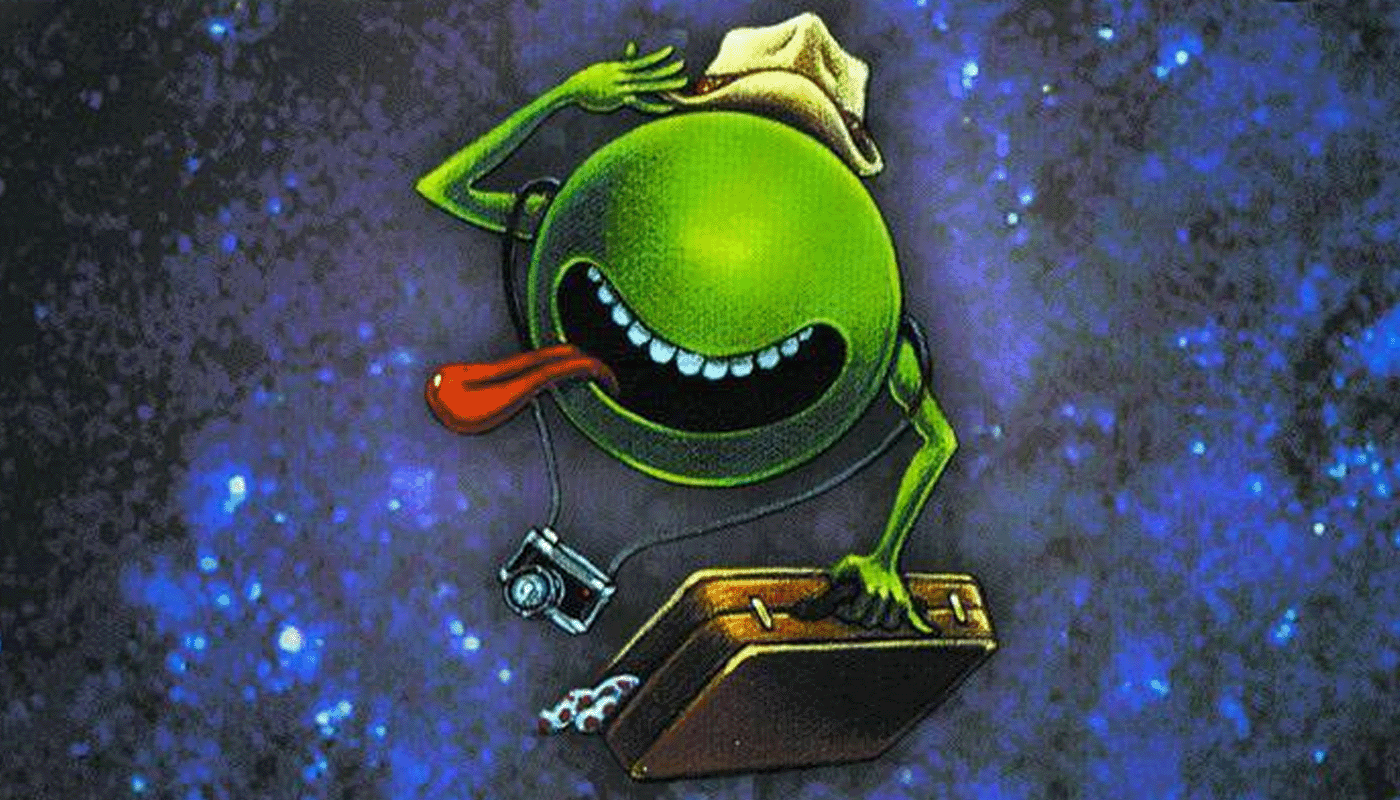
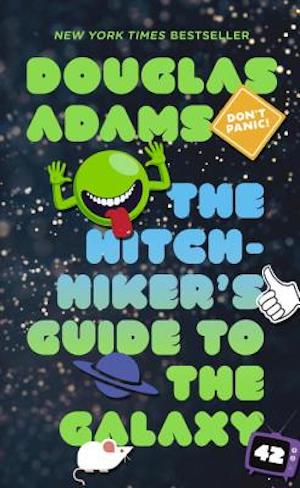
- 1979: Douglas Adams launches The Hitchhiker’s Guide to the Galaxy on BBC Radio, cementing the idea that the end of the world can be a bureaucratic inconvenience rather than a tragedy.
- 1984: The cult classic The Ice Pirates is released, blending space opera with post-apocalyptic humor and high-concept satire.
- 1988–1990: The Tank Girl comics emerge from the UK punk scene, introducing an anarchic, unapologetic protagonist who thrives in the wasteland.
- 2010: Jasper Fforde publishes Shades of Grey, introducing a post-apocalyptic society defined by color-perception hierarchies rather than violent scarcity.
- 2019: Kira Jane Buxton releases Hollow Kingdom, a seminal work in the "animal-perspective" sub-genre, which centers the apocalypse around the observations of a cynical pet crow.
- 2020: The release of Love and Monsters provides a template for the "hopeful" apocalypse, emphasizing personal growth and connection in the wake of extinction.
Supporting Data: Why We Crave the "Cozy Apocalypse"
The appeal of these stories is not merely aesthetic; it is psychological. Market research into reader preferences suggests a distinct "disaster fatigue" among younger generations, particularly those who have come of age during a period of global political and climate instability.
According to literary analysts, there is a measurable decline in the popularity of "grimdark" fiction among readers aged 18–35. Instead, there is a rising demand for narratives that offer a "soft landing." The popularity of audiobooks—such as Robert Petkoff’s narration of Hollow Kingdom—further highlights that audiences are looking for immersive, personality-driven experiences. When the world ends, readers want a narrator who is witty, observant, or perhaps even a sentient animal, rather than a brooding survivor staring into the void.
Official Critiques and Perspectives: Analyzing the Canon
To understand this shift, one must analyze the specific works that have successfully redefined the genre’s boundaries.
The Satirical Masterclass: The Hitchhiker’s Guide to the Galaxy
Douglas Adams remains the gold standard for apocalyptic humor. By framing the destruction of Earth as a "by-the-way" decision made by an alien construction crew to facilitate a hyperspace bypass, Adams removed the weight of human importance. The inclusion of the Vogon bureaucracy provides a satirical reflection of modern human frustrations, allowing readers to process their own real-world grievances—useless paperwork, endless wait times—through a lens of cosmic insignificance.
The Animal Lens: Hollow Kingdom
Kira Jane Buxton’s Hollow Kingdom represents a radical departure from human-centric narratives. By viewing the fall of humanity through the eyes of "S.T.," a foul-mouthed pet crow, the story shifts from a tragedy of lost civilization to a comedy of animal survival. This perspective allows the author to bypass the human trauma typically associated with the apocalypse, focusing instead on the bizarre, vibrant world that emerges in our absence.
The Weird and the Wonderful: Shades of Grey
Jasper Fforde’s Shades of Grey serves as a bridge between high-concept satire and world-building. Set in the post-apocalyptic society of Chromatacia, it ignores the common tropes of radiation and famine, focusing instead on a social structure built on color perception. Fforde demonstrates that the most interesting part of an apocalypse isn’t the disaster itself, but the strange, arbitrary social rules that rise from the ashes.
The Anarchic Alternative: Tank Girl
While Tank Girl is often lauded for its punk-rock energy and subversion of gender roles, critics point to the importance of approaching it with a modern, intersectional lens. The comic’s roots in 1980s British punk culture often result in insensitive tropes regarding Indigenous Australians. Engaging with this work requires a critical awareness of its historical context, proving that even in "fun" apocalypses, the echoes of real-world history remain.
The Wholesome Quest: Love and Monsters
Released in the shadow of the COVID-19 pandemic, Love and Monsters inadvertently became the definitive "hopeful" apocalypse. It is a story about a character who realizes he is more than just a cook in a bunker. It is visually stunning, featuring monsters that are monstrous in size but secondary in importance to the film’s central theme: the quest for connection. The film posits that even if the world is broken, the bonds formed between survivors are worth the journey.

Implications for Future Storytelling
The movement toward "kindler, gentler" apocalyptic fiction has significant implications for the future of the publishing and film industries. First, it signals that "genre" is no longer a rigid container. Readers are increasingly seeking "necessary whimsy"—the ability to confront difficult topics without being crushed by them.
Second, this trend highlights a growing desire for agency. Traditional apocalyptic stories often focus on the powerlessness of the individual against a crushing system. The stories mentioned above, from the misadventures of Arthur Dent to the journey of Joel Dawson, emphasize that the individual still possesses the power to define their own meaning, even in a world that has officially ended.
Finally, the success of these titles suggests that audiences are ready for a more nuanced dialogue regarding trauma. By allowing the apocalypse to be funny, weird, and occasionally heartwarming, creators are providing a space for readers to engage with their fears, process their anxiety, and ultimately, find a way to laugh in the face of the impossible.
Conclusion
Whether it is through the lens of a space-traveling human, a snarky crow, or a young man in search of a lost love, the "cozy apocalypse" serves as a reminder that the end is not always the end of the story. It is merely a change of scene. As we navigate an increasingly complex and often daunting reality, the capacity to approach the "worst-case scenario" with curiosity and a sense of humor remains one of our most potent tools for resilience. For those who, like the author, prefer their dystopia with a side of absurdity, the landscape of literature remains vast, varied, and—against all odds—remarkably bright.