Summer is officially here. For many, this season signals a time for travel—whether it’s a quick trip to a local beach, a trek through the mountains, or an exotic excursion to a far-flung corner of the globe. But as seasoned role-playing game (RPG) fans, we often find ourselves wondering: why limit our itinerary to the physical world?

Over the decades, we have been transported to picturesque coastal villages, floating islands that defy gravity, serene hot springs, and bustling, neon-soaked metropolises. In celebration of the season, our team of 18 contributors—the largest collective to ever work on a feature for this publication—has curated a list of 27 RPG locations that we would consider the ultimate vacation spots. Whether these entries evoke warm nostalgia or serve as a recommendation for your next digital adventure, we hope you enjoy this journey across the virtual map.
The Geography of Escapism: A Categorized Travel Guide
To understand why these locations resonate, we must look at what makes a "vacation" in a virtual space. Our team’s selections fall into three distinct categories: The Idyllic Retreat, The Bustling Metropolis, and The Mythic Haven.
The Idyllic Retreat
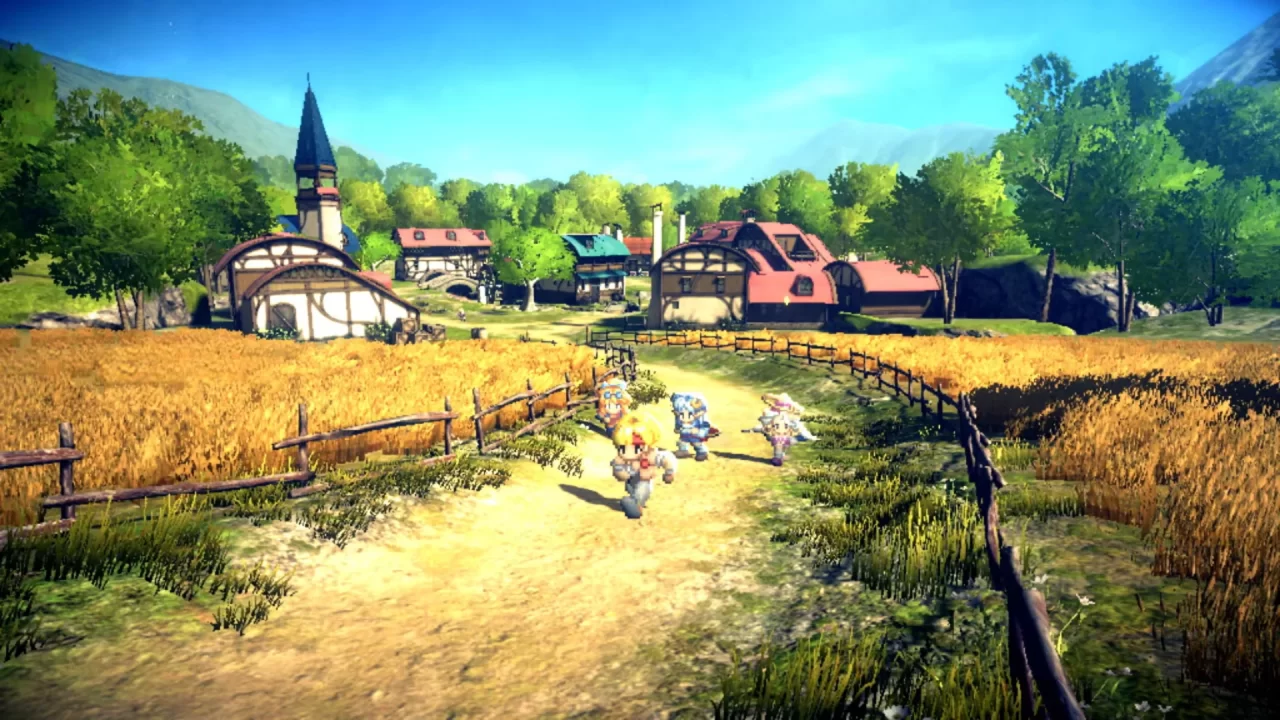
For those seeking to disconnect from the "dirty air" of modern city life, villages like Arlia (Star Ocean: The Second Story) and Elysia (Tales of Zestiria) represent the pinnacle of peace. Arlia, with its lack of industrial noise and its emphasis on natural beauty, serves as a masterclass in restorative design. Similarly, Elysia’s blend of verdant, rolling hills and ethereal, breezy architecture offers a sanctuary far removed from the anxieties of the "real" world.
These locations are mirrored by the pastoral charm of Springvale (Genshin Impact) and Besaid (Final Fantasy X). While Besaid is a coastal town, it transcends the typical "beach vacation" by offering a sense of history and profound, melancholic beauty that remains unmatched in gaming.
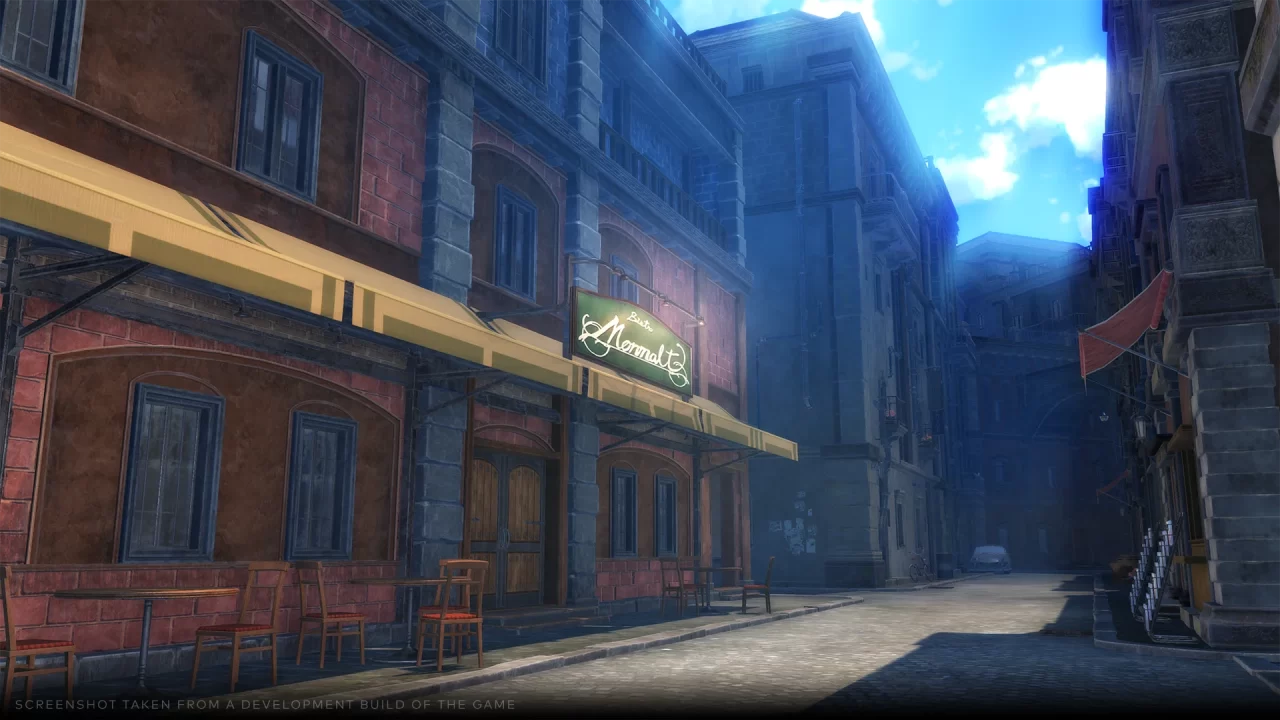
The Bustling Metropolis
For the traveler who thrives on energy, the urban landscapes of the RPG world are unparalleled. Edith (The Legend of Heroes: Trails through Daybreak) stands out as a sprawling capital that functions as a melting pot of culture, offering everything from black markets to cozy bistros.
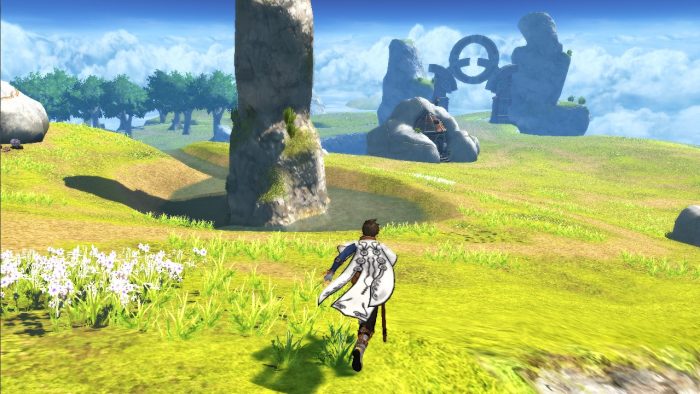
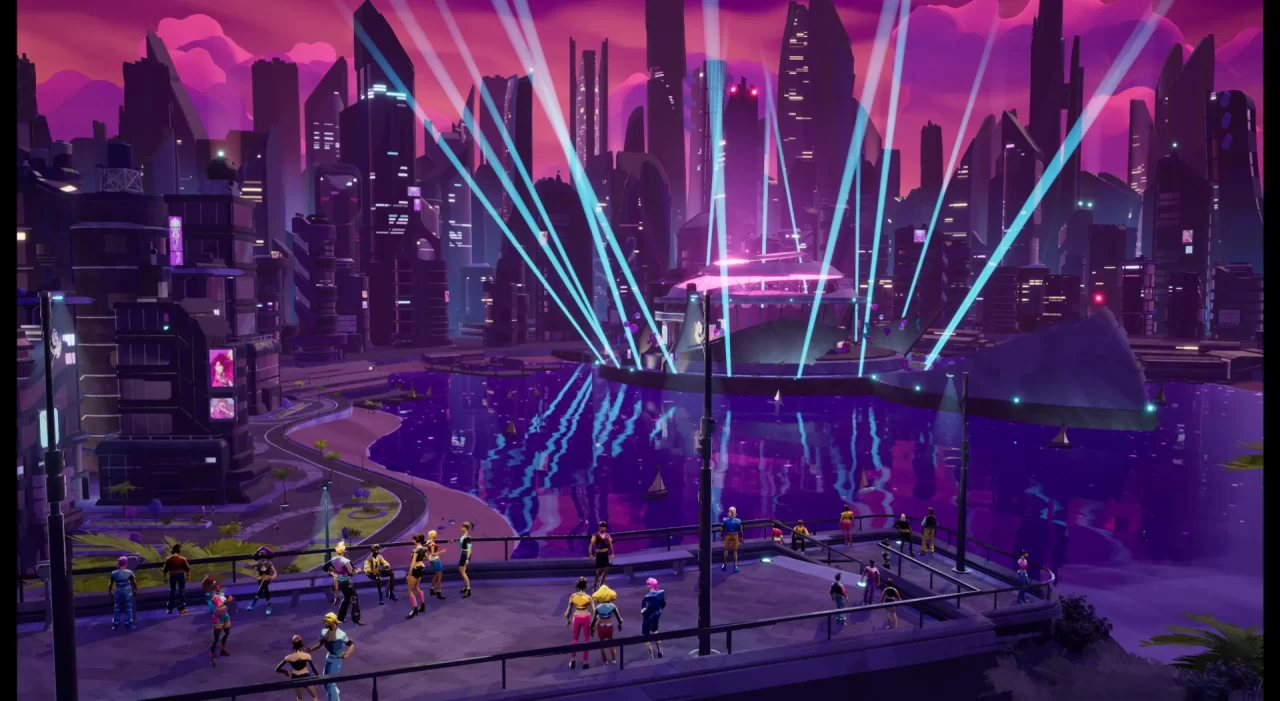
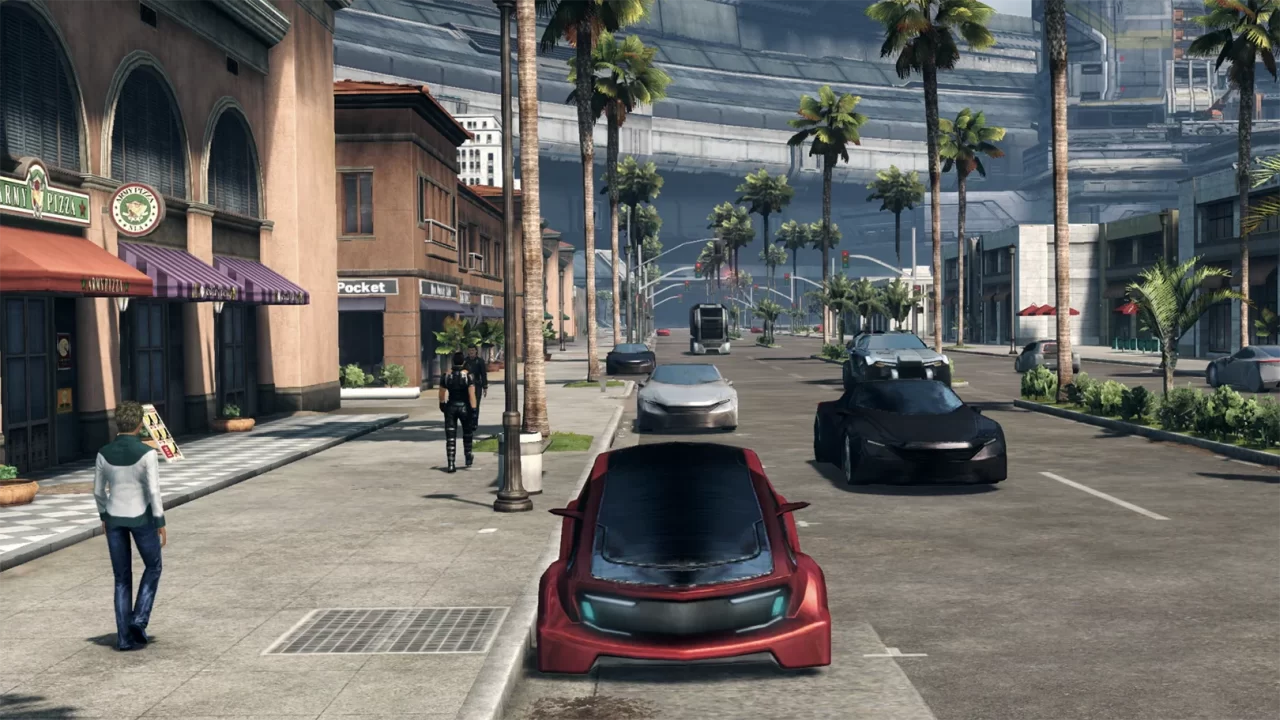
In a more futuristic vein, New Los Angeles (Xenoblade Chronicles X) offers the grit and excitement of a sci-fi colony. Despite the constant threat of the alien indigens, the city’s ability to provide a "home away from home" for its residents makes it an essential stop. Meanwhile, the neon-drenched, music-obsessed streets of Chordia (People of Note) provide a perpetual weekend experience, where the architecture itself is composed of musical motifs.

The Mythic and Mysterious
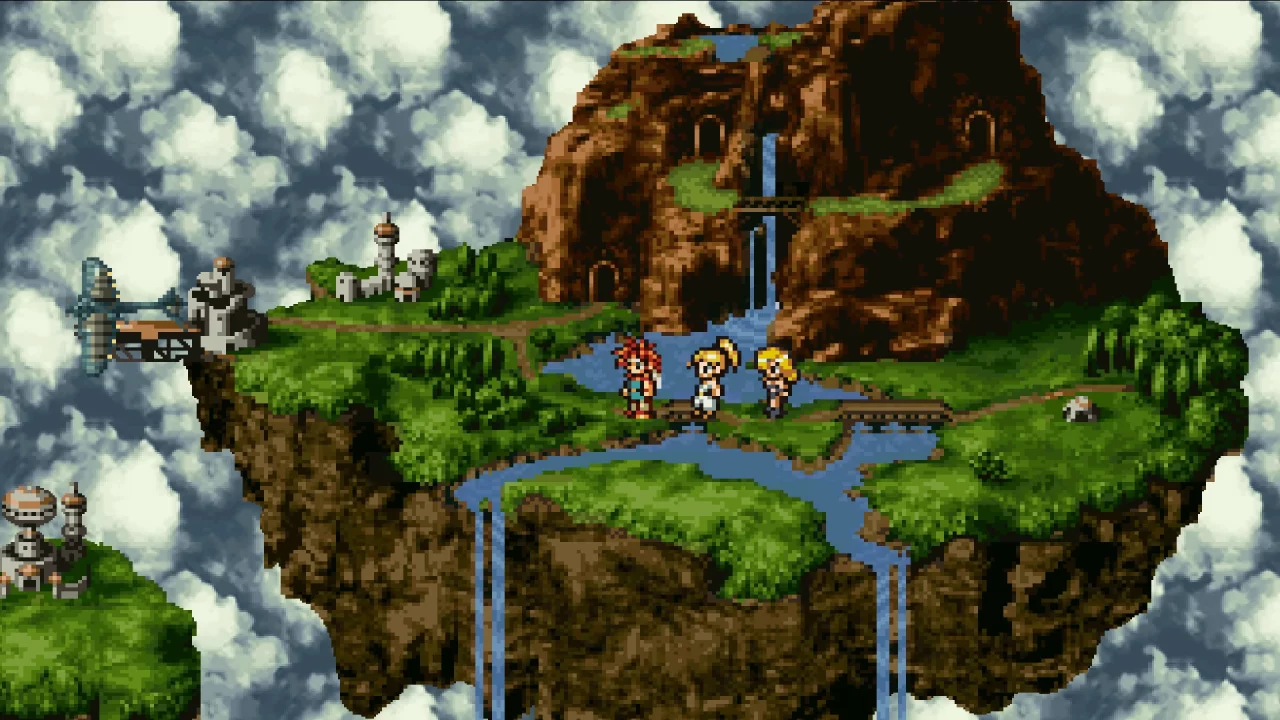
Some locations earn their place on our list not for their comfort, but for their sheer wonder. The Kingdom of Zeal (Chrono Trigger) remains a triumph of fantasy, with its floating islands and enlightened populace. Though we acknowledge the inherent danger of a kingdom that resides in the clouds, the aesthetic brilliance is undeniable.
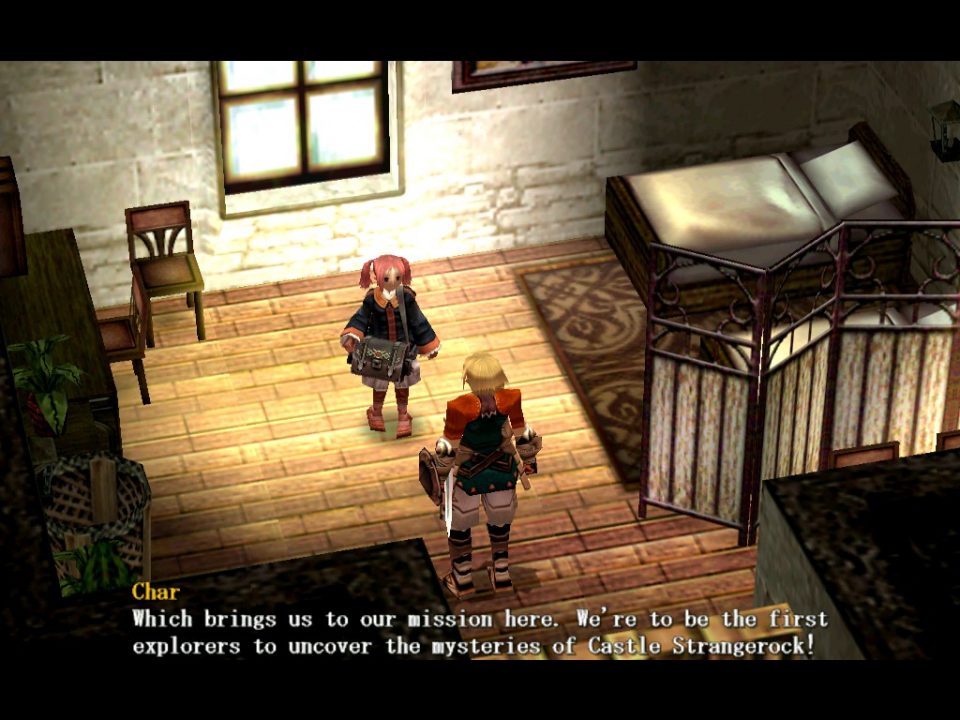
Similarly, Saturn Valley (EarthBound) offers a level of pure whimsy that is rare in the genre. With its non-judgmental inhabitants and hot springs, it is the perfect place for a traveler to "BOING!" their way into a state of relaxation.
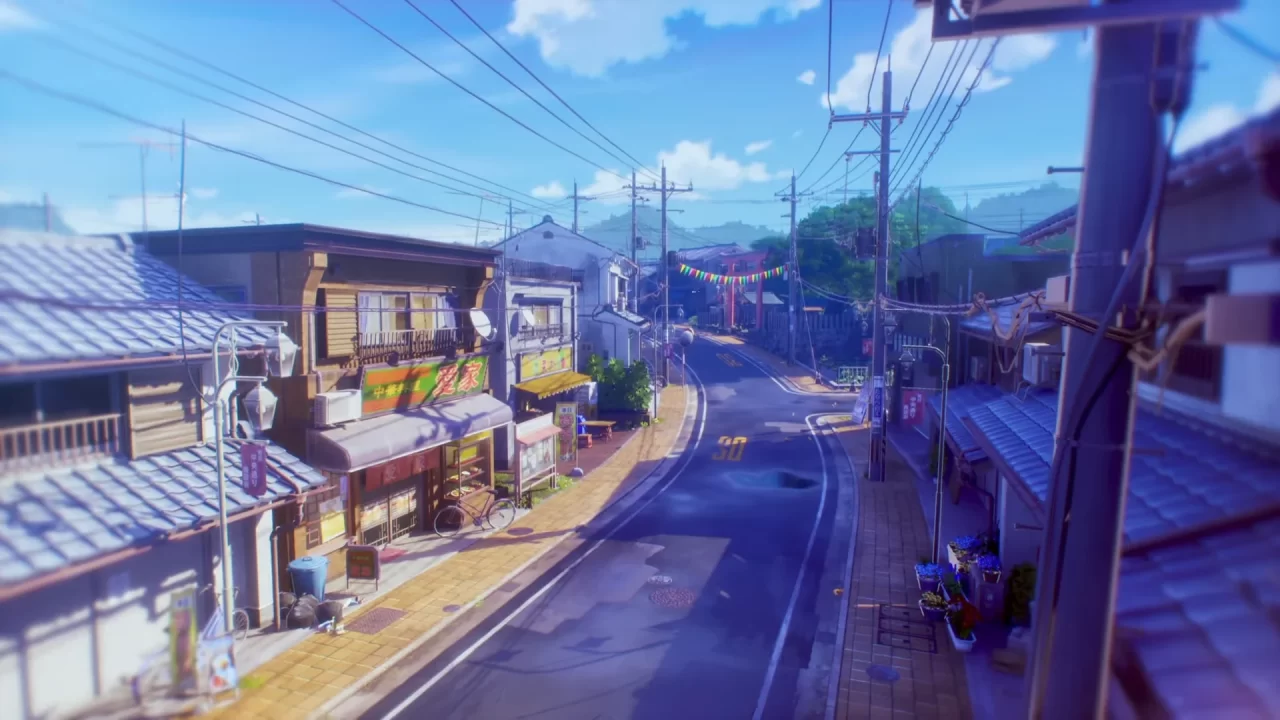
Chronology of Our Journeys
The locations selected span the entire history of the medium, demonstrating how game design has evolved to create increasingly immersive environments.

- The 16-bit Era (1990s): Locations like Chrono Trigger’s Zeal and EarthBound’s Saturn Valley established the blueprint for "magical" destinations that feel lived-in and distinct.
- The Golden Age of 3D (Early 2000s): Titles such as Final Fantasy X, Persona 4, and Suikoden III pushed the boundaries of world-building. Inaba (Persona 4) is a fascinating inclusion here; it demonstrates how a "dying" rural town can be transformed by narrative into a character in its own right.
- The Modern Era (2010s–Present): The latest titles, including Final Fantasy XIV: Dawntrail and Persona 3 Reload, showcase a shift toward hyper-detailed environments. Tuliyollal (FFXIV) reflects a contemporary desire for diverse, harmonious, and vibrant cultural representation that feels both grounded and aspirational.
Supporting Data: The "Vacation" Metric
When our contributors were asked to select their dream spots, we identified three core criteria that make a location "vacation-ready":

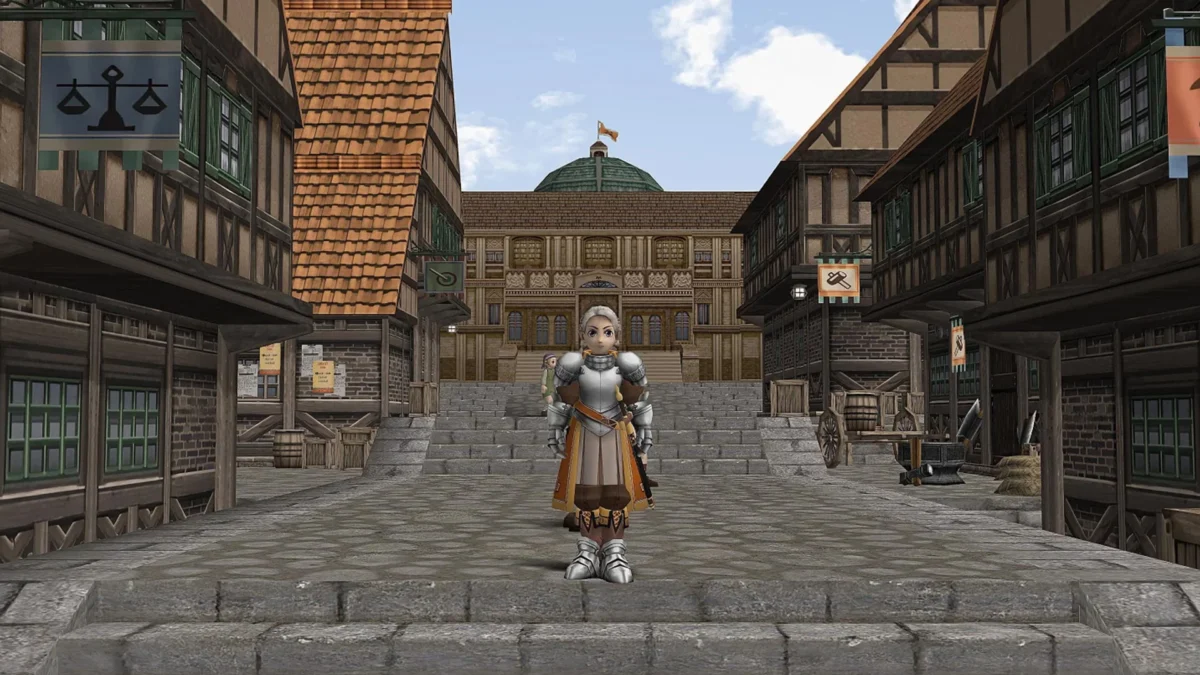
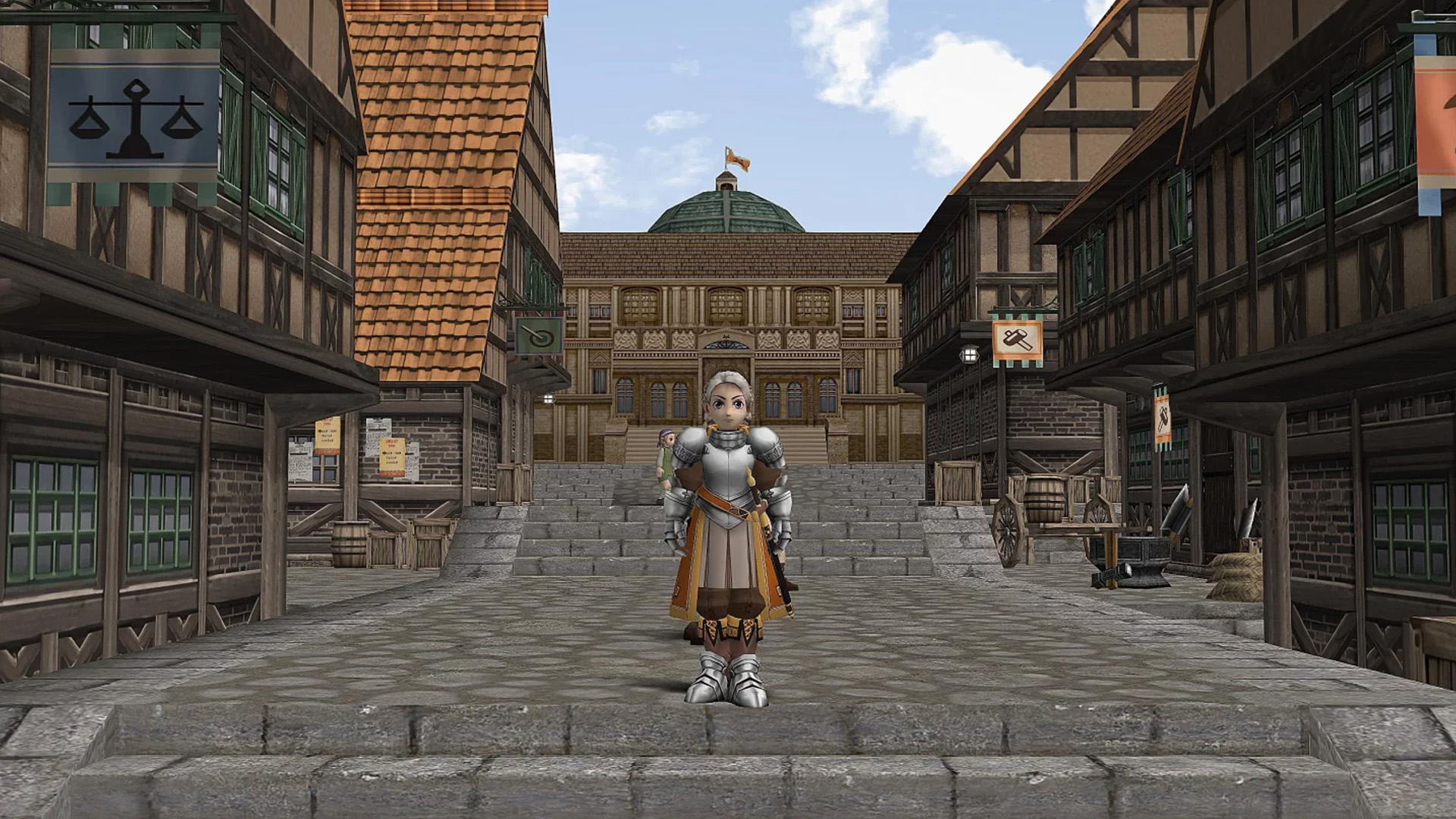
- Community Dynamics: Is the town defined by its people? Harlech Village (Xanadu Next) was highlighted specifically because the residents make the island feel like a sanctuary despite its foreboding atmosphere.
- Sensory Immersion: Does the location have a distinct "vibe"? Doolin (Folklore) was noted for its ability to act as a "mood," where the cold rain and quiet streets create an ambient hush that stays with the player long after they turn off the console.
- Utility and Comfort: Does it have the amenities one expects? From the inns of Tatsumi Port Island (Persona 3 Reload) to the dining cars of the Excess Express (Paper Mario: The Thousand-Year Door), the presence of creature comforts is essential for a "vacation."
Official Responses and Team Reflections
The diversity of this list is a direct result of our 18-person editorial team. For instance, Neal Chandran’s comparison of Altamira (Tales of Symphonia) to the New Jersey Shore highlights how players often project their real-world memories onto virtual spaces. "Altamira is not my vibe nowadays," Chandran writes, "but simply owning a shore house as a vacation home is the dream."
Conversely, Stephanie Sybydlo reflects on the necessity of nature-based retreats, noting that for a "city girl," the village of Arlia is the perfect antidote to the isolation of urban living. The sentiment is shared by Rob White, who finds Lindblum (Final Fantasy IX) to be the ideal balance between the hubbub of city life and the cozy, traditional fantasy aesthetic.

Implications: The Future of Virtual Tourism
What does it mean when we choose to "vacation" in a digital space? For many of our readers, these locations provide a form of escapism that is increasingly vital. As Mark Roddison notes regarding the Whirling-in-Rags (Disco Elysium), even grimy, melancholy locations can be seductive. The fact that players are drawn to such complex, flawed environments suggests that we seek more than just "pretty" backdrops; we seek places that feel honest and deeply rooted in a history, even if that history is entirely fictional.
As technology continues to advance, the line between "visiting" a place and "playing" a game will continue to blur. Whether you are grabbing a taco in the vibrant streets of Tuliyollal or taking a meditative walk through the rainy streets of Doolin, these 27 locations stand as a testament to the power of environmental storytelling.
Tell us: Where would you go? If you had the choice to step into the screen, which of these destinations would be the first on your list? Reach out to us via Facebook, Bluesky, Instagram, Threads, or join the conversation on our Discord server.
For those of you currently experiencing the chill of winter, fear not—the virtual sun in Besaid and the warm lights of the Excess Express are always waiting for your return.