The zombie genre, once considered a saturated landscape of decaying tropes and repetitive narratives, has found a hauntingly fresh lease on life. While cinematic history is paved with the shuffling footsteps of the undead—from the social commentaries of George A. Romero’s "Dead" series to the high-octane terror of "Train to Busan"—it takes a rare visionary to inject genuine novelty into the subgenre. Enter We Bury the Dead, a film that has quietly emerged as one of the most compelling pieces of horror-drama in recent memory. Despite flying under the radar during its initial release, the film has garnered significant critical acclaim, boasting an impressive 88% approval rating on Rotten Tomatoes.
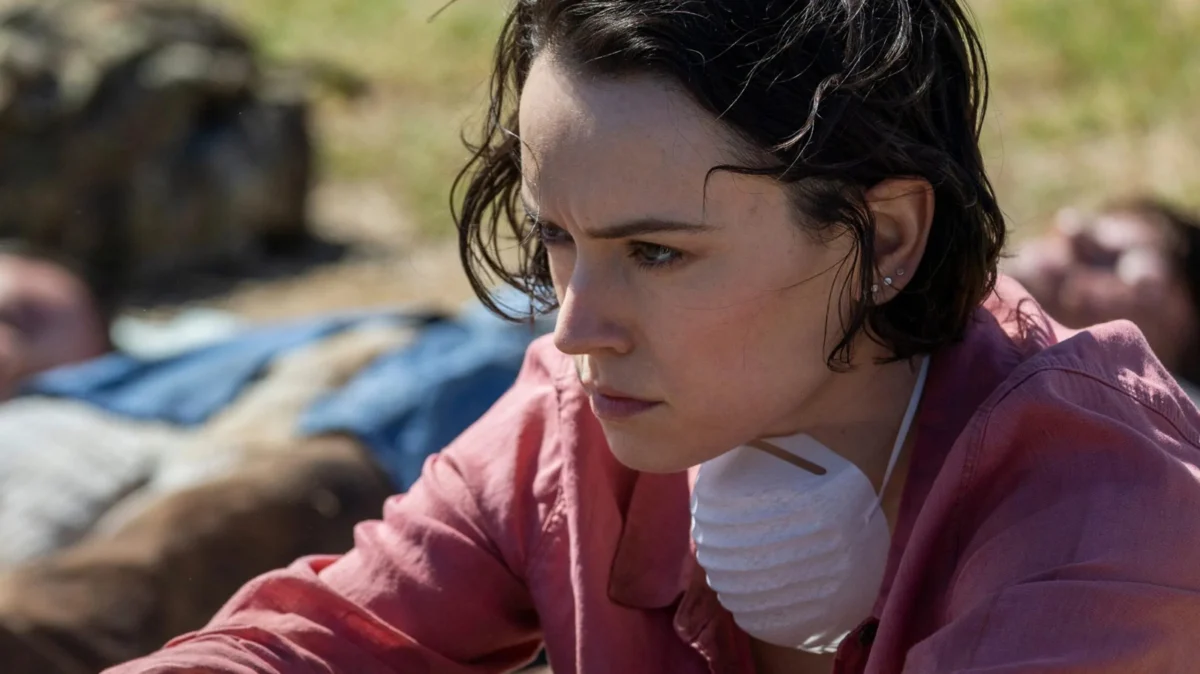
At the center of this atmospheric nightmare is Daisy Ridley, who delivers a career-defining performance that transcends the traditional "final girl" archetype. Directed by Zak Hilditch—best known for his masterful adaptation of Stephen King’s 1922—We Bury the Dead redefines what it means to coexist with the reanimated, trading mindless gore for a meditative, often heartbreaking exploration of grief.
The Premise: A New Take on the Biological Apocalypse
The narrative of We Bury the Dead is deceptively simple. Set against the isolated, rugged backdrop of Tasmania, the film follows Ava Newman (Ridley), a woman driven by the singular, desperate goal of finding her missing husband in the wake of a localized apocalypse.
The inciting incident, however, is where the film deviates sharply from established zombie canon. Rather than a global, supernatural plague, the crisis is the result of an accidental U.S. biological weapon detonation off the coast of Tasmania. The weapon’s fallout is unpredictable: it either kills its targets outright or renders them brain dead. Among those left in a vegetative state, a small, unpredictable fraction regain motor function, becoming the "undead."
Unlike the swarming hordes of World War Z or the rotting walkers of The Walking Dead, the zombies in We Bury the Dead are rare, unpredictable, and oddly human. They are not mindless monsters driven by hunger; they are, in many ways, an extension of the tragedy that birthed them.
A Chronology of the Film’s Journey
To understand the cultural trajectory of We Bury the Dead, one must look at its quiet yet impactful path through the film festival circuit and into limited theatrical release:
- March 2025 (SXSW Premiere): The film made its world debut at the South by Southwest (SXSW) Film Festival. Industry insiders and critics immediately took note of its somber tone and Hilditch’s restrained direction, which stood in stark contrast to the bombastic horror films of the year.
- January 2026 (Theatrical Release): The film received a modest, limited release in the United States. Due to a crowded blockbuster schedule, the film did not initially penetrate the mainstream consciousness, leading many to label it a "hidden gem" that required word-of-mouth momentum to survive.
- Post-Theatrical Discovery: Following its limited run, the film began to see an uptick in critical reappraisal. Its availability on digital platforms allowed it to find the audience it deserved, with critics highlighting its thematic depth and Ridley’s powerhouse performance.
The Human Element: Grief as the Primary Driver
What sets We Bury the Dead apart is its refusal to treat the zombie element as the primary antagonist. In most films of this genre, the living fear the undead. In Hilditch’s world, the living—or at least some of them—actually crave them.
The film introduces a chillingly poignant concept: there are characters who pray for their loved ones to return as zombies. In a world where the alternative is permanent, cold, and final death, the prospect of a reanimated, albeit altered, family member is a source of hope. This pivot from horror to existential drama creates a unique tension. When the undead "wake up," it is often framed not as a threat, but as a potential reunion—albeit one that remains fraught with ambiguity. Are they truly back? Is there a soul left behind the eyes, or merely a neurological echo?
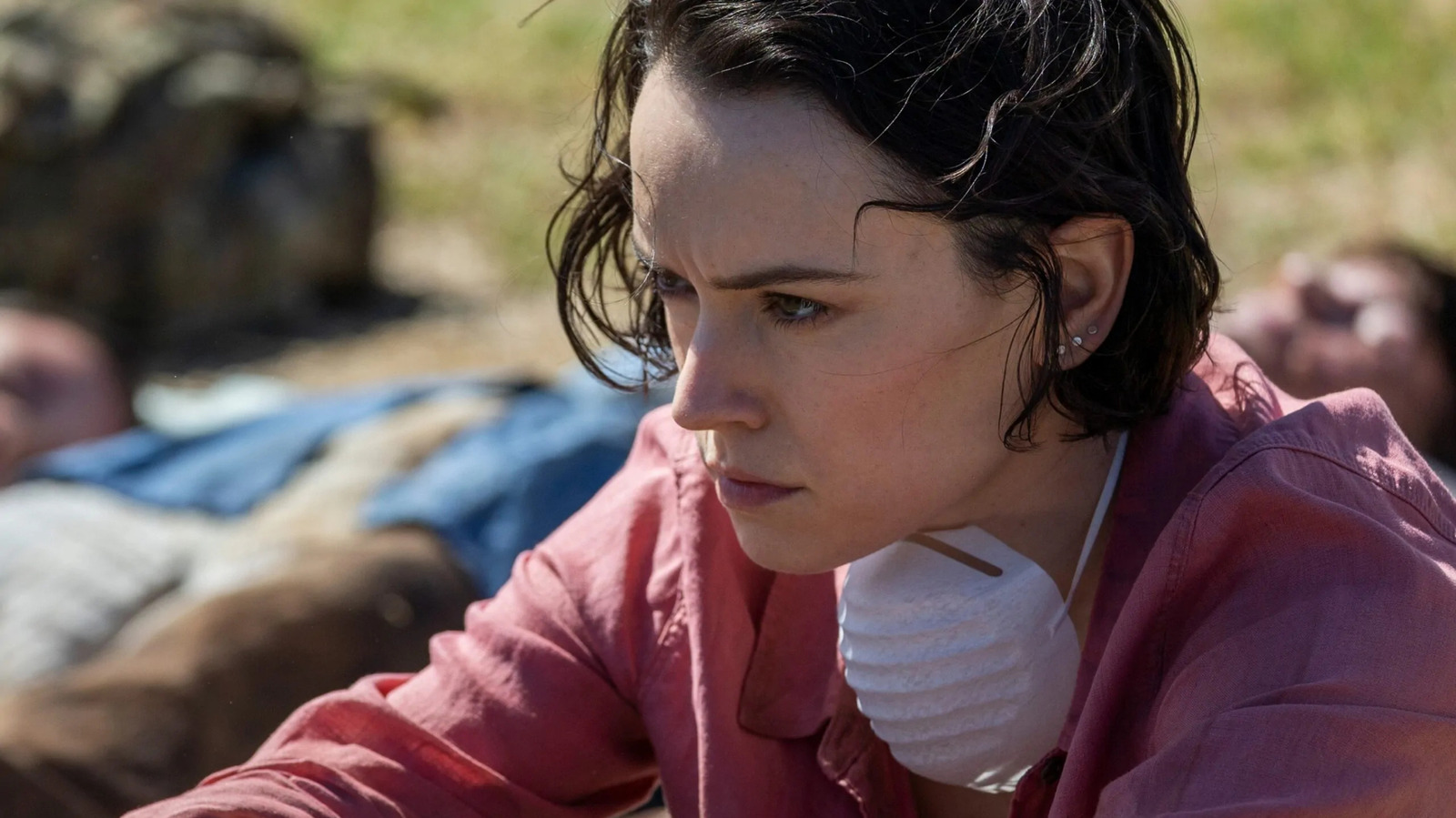
Daisy Ridley’s performance anchors this central conflict. Her portrayal of Ava is one of exhaustion, persistence, and, eventually, a terrifying acceptance. She isn’t fighting a war; she is navigating a mourning process that happens to be haunted by the walking remains of the departed.
Supporting Data: Why Critics Are Convinced
The critical consensus surrounding the film has been remarkably consistent. With an 88% rating on Rotten Tomatoes, the film has been lauded for its technical proficiency and its emotional weight.
Critical Highlights:
- The "Cargo" Comparison: Many reviewers have drawn parallels between We Bury the Dead and the 2017 Australian film Cargo, starring Martin Freeman. Both films utilize the Australian landscape to isolate their protagonists, focusing on the intimate human drama that unfolds when the world ends.
- Directional Mastery: Zak Hilditch has been praised for his ability to maintain suspense without relying on jump scares. His use of the Tasmanian landscape—vast, empty, and hauntingly beautiful—serves as a character in itself, emphasizing the loneliness of Ava’s journey.
- Performance: Critics have noted that Ridley sheds the "galactic hero" persona seen in her previous blockbusters, opting for a gritty, unglamorous role that tests her range. Her ability to convey complex emotions in scenes of minimal dialogue has been cited as a primary reason for the film’s success.
Official Responses and Creative Intent
In interviews following the film’s festival run, director Zak Hilditch discussed the philosophy behind his approach to the "undead." He stated that he wanted to move away from the "zombie as a viral metaphor" and toward the "zombie as a manifestation of unresolved business."
"When we talk about the undead, we are usually talking about fear," Hilditch noted during a press roundtable. "In this film, we are talking about the inability to let go. The zombies are essentially vessels for the grief that the survivors refuse to bury. If you are desperate enough, you will see a person where there is only a corpse."
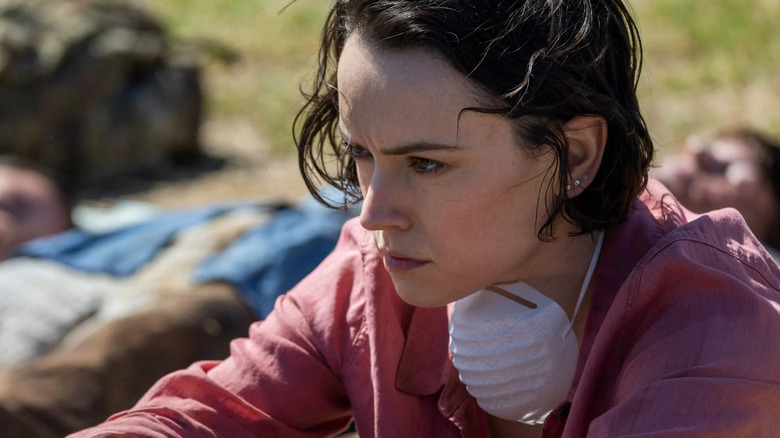
Daisy Ridley has echoed these sentiments, noting that the physical demands of the role were secondary to the psychological toll of playing a character who is constantly oscillating between hope and horror. "Ava isn’t trying to save the world," Ridley said. "She’s trying to save her own sanity. The zombies are just the landscape she has to walk through to get there."
Implications for the Zombie Genre
The success of We Bury the Dead signals a potential shift in the horror genre. For years, the zombie movie has been defined by the "shambling horde" aesthetic—a focus on scale, survivalism, and the societal collapse of the state. We Bury the Dead suggests that audiences are ready for a more introspective, intimate take on the end of the world.
The "Slow-Burn" Horror Trend
The film is part of a growing movement of "prestige horror" that favors mood and character development over rapid-fire action. By grounding the supernatural in the very real, visceral experience of losing a loved one, the film ensures that the horror feels earned rather than manufactured.
The Future of Regional Horror
By centering the narrative on the specific geography of Tasmania—a location rarely featured in major zombie cinema—the film proves that horror is often most effective when it feels tethered to a specific, tangible place. This shift away from the "urban wasteland" trope allows for a fresh visual palette, utilizing the natural isolation of the Australian wilderness to heighten the stakes for the protagonist.
Conclusion
We Bury the Dead is more than just a horror movie; it is a profound exploration of human endurance. It asks the audience to consider the unthinkable: what would you give to have your loved ones back, even if they were no longer themselves?
By focusing on the tragedy of the situation rather than the spectacle, Daisy Ridley and Zak Hilditch have crafted a film that lingers long after the credits roll. It is a testament to the fact that, even after decades of being chewed over, the zombie genre still has plenty of life left in it—provided there is a beating heart at the center of the story. For those who may have missed this quiet, chilling masterpiece upon its release, it remains a mandatory watch, standing as a stark reminder that the most terrifying ghosts are the ones we refuse to bury.