Iffa Jayyana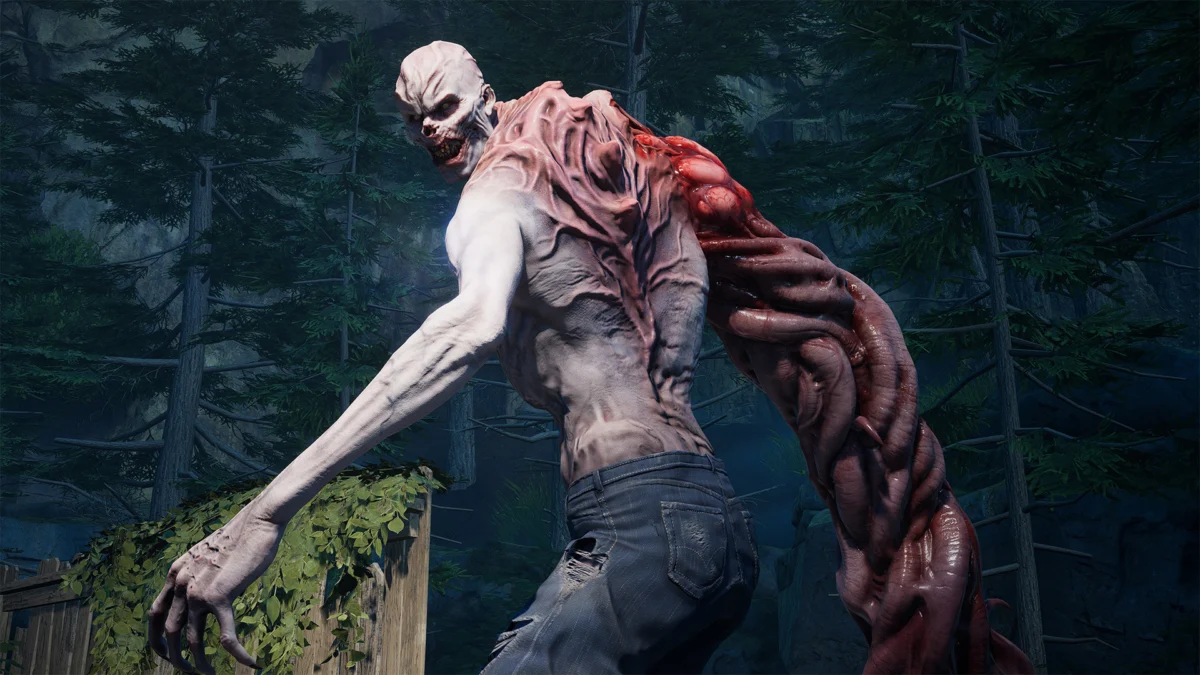
A Successor’s Burden: Does Back 4 Blood Evolve the Cooperative Shooter or Simply Complicate It?
Main Facts
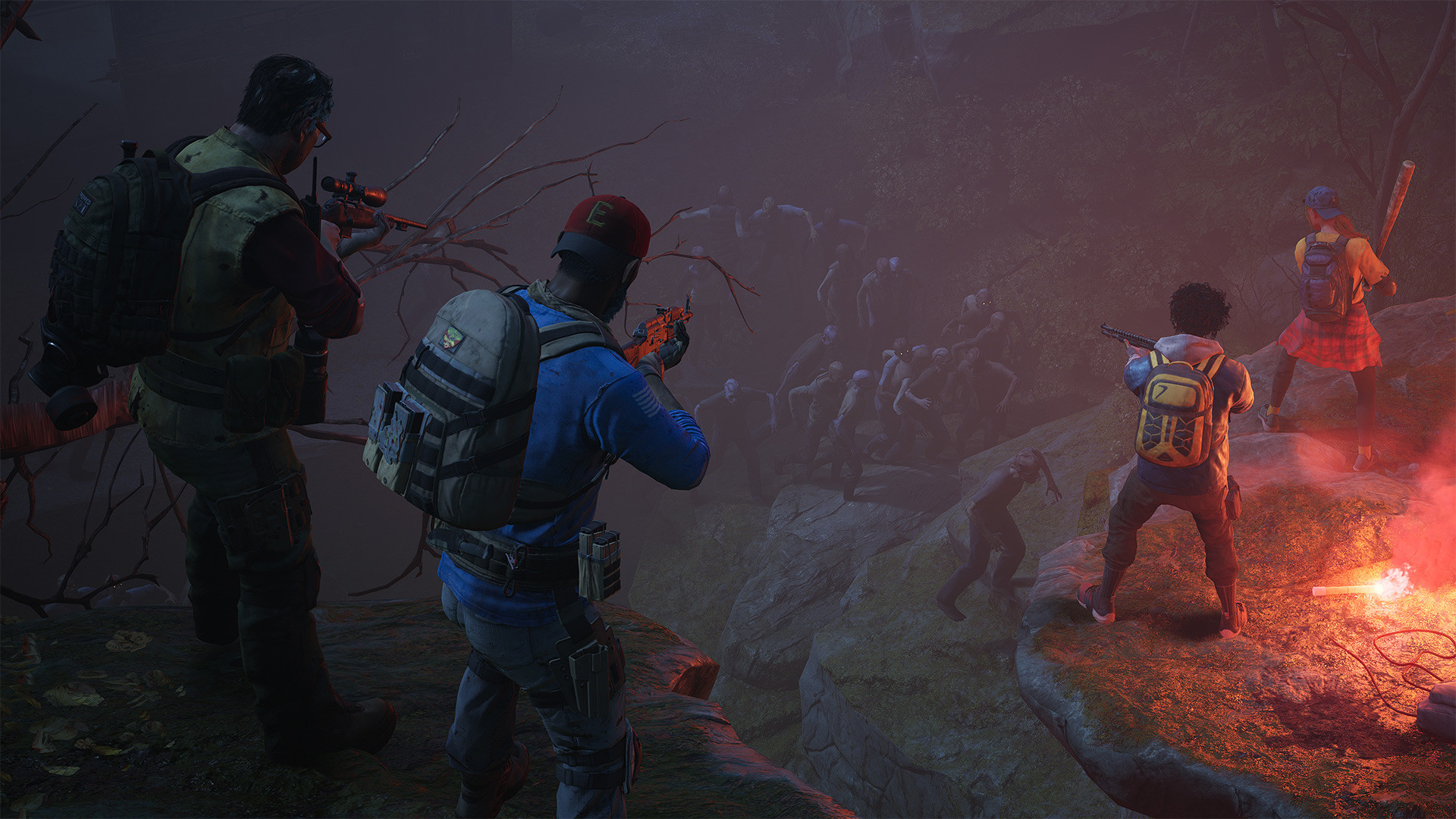
Back 4 Blood, the highly anticipated cooperative zombie shooter from Turtle Rock Studios and published by Warner Bros. Interactive Entertainment, arrives with the heavy weight of legacy upon its shoulders. As the spiritual successor to the genre-defining Left 4 Dead, the game tasks four players—known as "Cleaners"—with navigating a post-apocalyptic landscape infested with the "Ridden," a parasitic zombie-like threat.
Priced at £49.99 and available across PC, PlayStation 5, Xbox Series X/S, PlayStation 4, and Xbox One, the game attempts to modernize the classic "run-and-gun" formula. It introduces a sophisticated card-based deck-building system, deep weapon customization, and a robust AI "Director" that manages the intensity of the encounters. While it shares the DNA of its predecessor, Back 4 Blood is a fundamentally different beast, trading minimalism for a dense, multifaceted RPG-lite structure.
Chronology: From Confusion to Clarity
The initial experience of Back 4 Blood is, frankly, disorienting. Players accustomed to the pick-up-and-play accessibility of the Left 4 Dead era will find themselves bombarded with UI elements, currency systems, and terminology that feel unnecessarily cluttered. In the opening hours, the game suffers from a lack of identity; it is "stacked with so many bells and whistles" that the core loop—the visceral joy of mowing down undead hordes—is momentarily obscured.
However, a temporal shift occurs as one persists. The first two hours are spent "bumbling around" like a novice, grappling with concepts like "Corruption Cards" and "Supply Lines." But by the midway point of the first Act, the systems begin to coalesce. The player moves from a state of total confusion to a strategic appreciation of the game’s depth. What initially felt like an over-engineered mess eventually reveals itself as a thoughtful, layered tactical experience that demands more from the player than simple twitch reflexes.
Supporting Data and Mechanics
The brilliance of Back 4 Blood lies in the interplay between its weapon handling and its deck-building mechanics.
The Arsenal
The gunplay is undeniably refined. Weapons feature a satisfying "kick," particularly the handguns—the Desert Eagle and the Magnum—which reward precision in high-pressure scenarios. Unlike its predecessor, Back 4 Blood introduces a tiered ammo system and modular attachments, encouraging players to trade resources and coordinate loadouts. This shift forces a higher level of team communication; you aren’t just shooting; you are managing a collective inventory to ensure the team’s survival.
The Card System: A Tactical Evolution
The most significant departure from the Left 4 Dead blueprint is the card-based progression system. Before a run begins, players construct a deck of cards that grant passive and active bonuses. These range from simple stamina boosts to complex character specializations, such as "Tank" builds that grant health for melee kills or "Support" builds that provide party-wide healing.
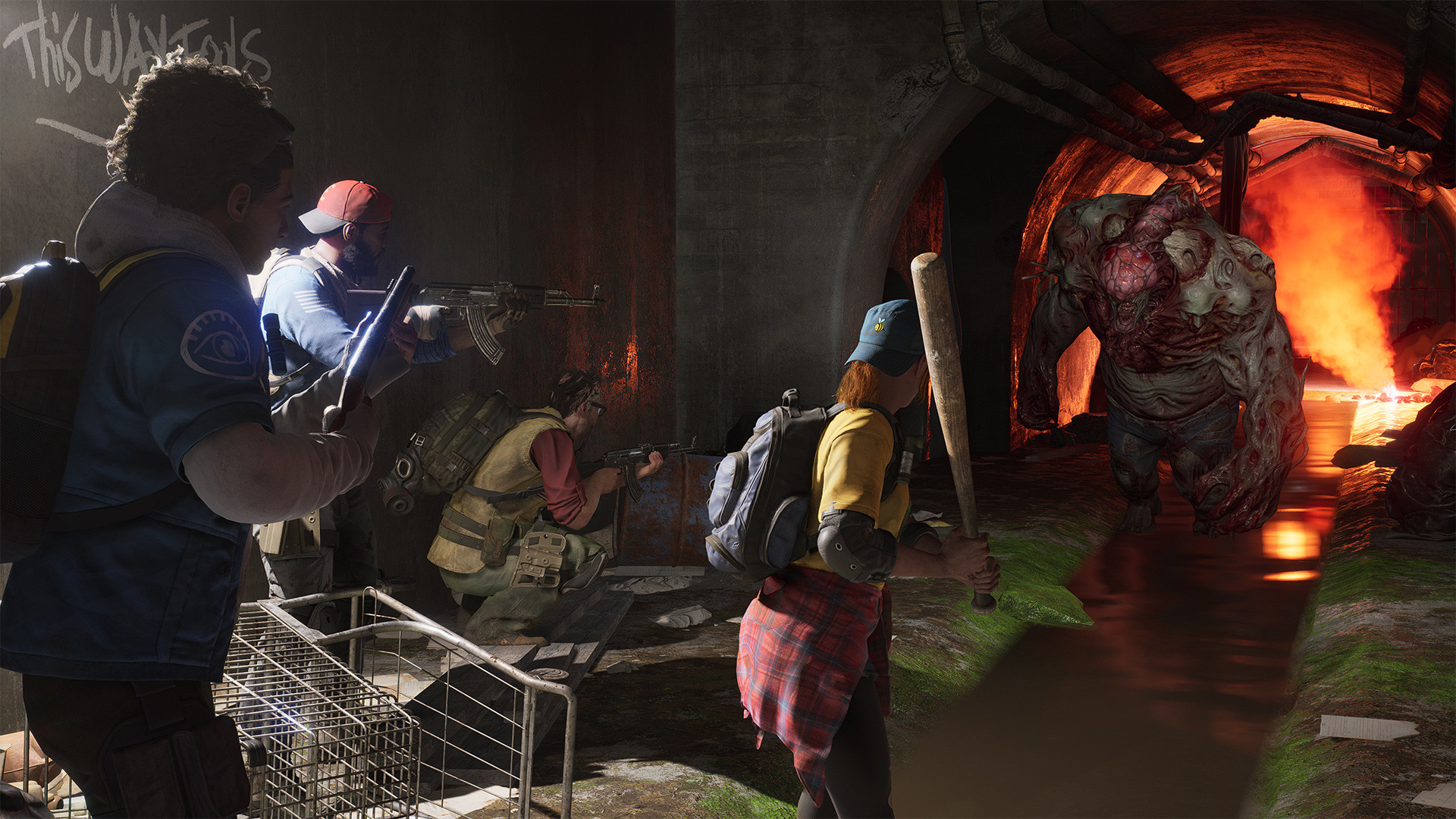
Because cards are drawn in a specific order, the game forces players to plan their character’s growth. This adds a layer of "pre-game" strategy that is absent in most arcade shooters. When combined with the "Corruption Cards"—randomized modifiers introduced by the AI Director—the game ensures that no two playthroughs feel identical. The world reacts to the player: thick fog might obscure vision, or flocks of birds might alert a massive horde, keeping the tension at a consistent fever pitch.
Official Perspectives and Design Philosophy
Turtle Rock Studios has clearly aimed to provide a "live service" feel to a classic genre. Their design philosophy centers on longevity and replayability. By extending the length of the Acts—each lasting approximately 5-6 hours—the developers have provided a canvas large enough for their card system to truly shine.
However, this design choice is a double-edged sword. While the card system benefits from these extended sessions, the pacing often suffers. The length of the acts can make the experience feel like a "slog," particularly for those hoping for the punchy, high-intensity sessions characteristic of the Left 4 Dead format.
Furthermore, the game’s balancing reveals an interesting dichotomy. In a four-player lobby, the game is a frantic, chaotic mess of Special Ridden and overwhelming hordes. Conversely, solo play—supported by significantly improved AI bots—is often too easy, stripping away the tension that defines the multiplayer experience. It appears that the "sweet spot" for Back 4 Blood is currently found in a two-player dynamic, where the game provides enough challenge to feel earned without becoming frustratingly insurmountable.
The Aesthetic and Narrative Challenge
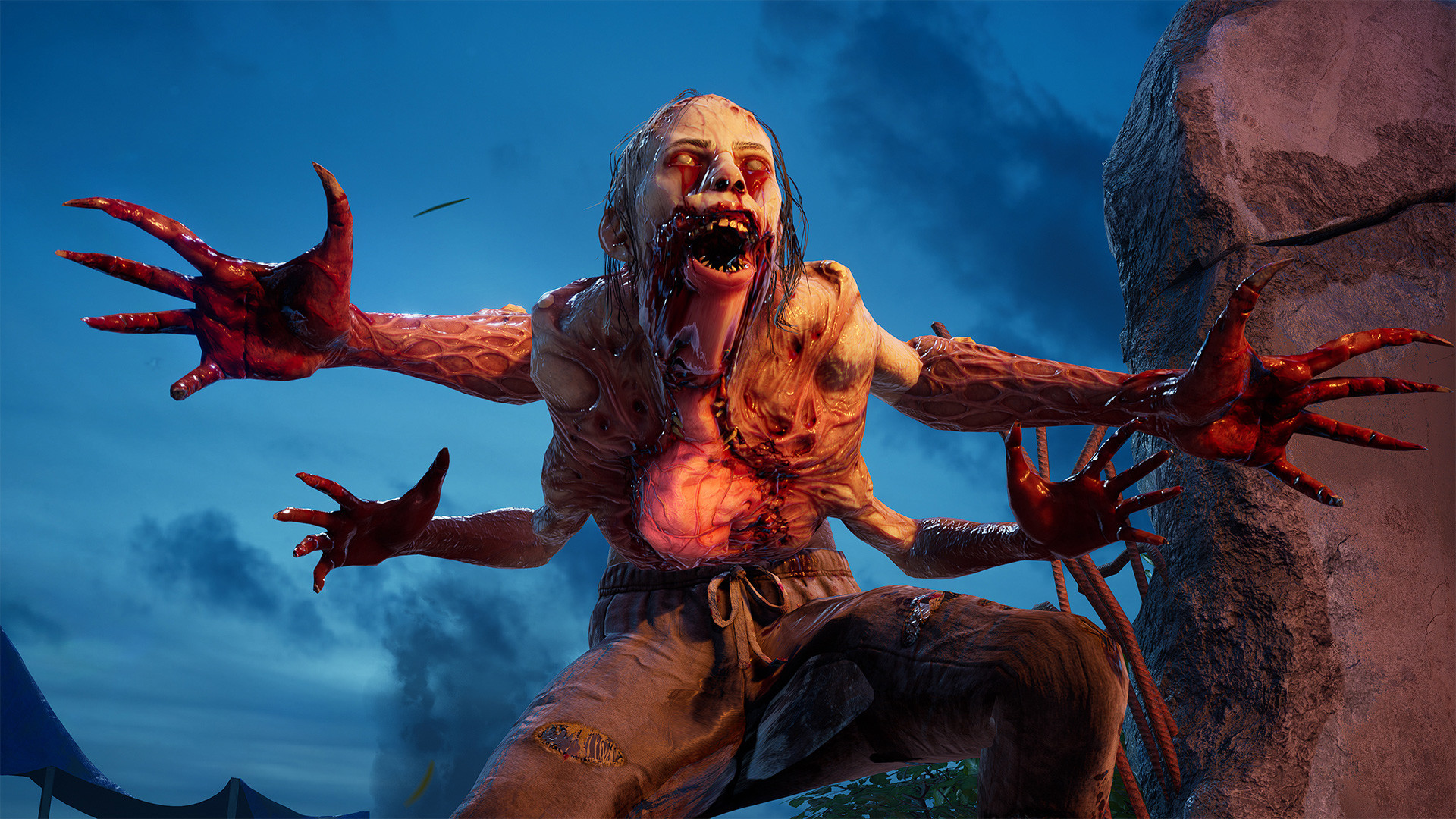
One of the most glaring issues remains the game’s atmosphere. Left 4 Dead was iconic for its film-grain visuals, grindhouse posters, and distinct personality. Back 4 Blood, by contrast, often feels "bland." The initial levels are murky, the environments lack distinct visual markers, and the Cleaners struggle to replicate the instant camaraderie of the original survivors. The "Special Ridden" often blend into the background as indistinguishable fleshy masses, making it difficult for players to quickly prioritize threats during the heat of battle.
Despite these visual shortcomings, the level design itself offers some of the series’ most memorable set-pieces. Highlights include a desperate, high-stakes dash across a ferry-clogged bridge and a gruesome search for biological samples within a police station to bypass a security scanner. These moments demonstrate that while the aesthetic may be less inspired, the environmental storytelling and objective variety are a clear step forward.
Implications for the Genre
Does Back 4 Blood succeed as a successor? The answer is a nuanced "yes." It is not the "platonic ideal" of a cooperative shooter, nor does it aim to be. It is a more contemplative, RPG-influenced iteration of the genre.
The Implications:
- Complexity vs. Accessibility: The game proves that modern audiences are willing to engage with complex systems, but it also highlights the risk of losing the "pick-up-and-play" magic that made the genre popular in the first place.
- The AI Director’s Future: The dynamic nature of the card-based AI suggests a future where difficulty is not just about enemy health, but about environmental and systemic variety.
- The "Long-Form" Campaign: The industry is clearly moving away from the "short and sweet" campaign format. Whether players will embrace 6-hour chunks of gameplay as the new standard for cooperative shooters remains to be seen.
Ultimately, Back 4 Blood is a game of patience. It demands that you overlook its initial lack of charm and its steep learning curve to discover the satisfying tactical depth beneath. It is not the Left 4 Dead 3 that many fans spent years dreaming of; it is a different, more demanding, and occasionally flawed creature. Yet, for those willing to invest the time to build their decks and coordinate with their team, it offers a rewarding, highly replayable experience that stands as a worthy, if somewhat bloated, evolution of the genre. Turtle Rock Studios has not merely retread the past; they have attempted to rebuild it, and in doing so, they have created something that—while occasionally messy—is undeniably worth the struggle.


 Ammar Sabilarrohman
 Reynand Wu