For decades, the Final Fantasy franchise has stood as a monolithic cultural pillar, a titan of the gaming industry that seemed perpetually shrouded in the haze of its own intense, sometimes exclusionary, fandom. To the uninitiated, the series was a buffet of contradictory tropes: endless, convoluted lore, spikey-haired protagonists wielding oversized blades, and a community often perceived as being hyper-focused on the aesthetics of its female characters. However, as the 2026 gaming landscape continues to evolve, the Final Fantasy VII Remake trilogy has emerged not merely as a high-fidelity update to a 1997 classic, but as an accessible, profound entry point that challenges the very myths surrounding the franchise.
The Myth of the Unapproachable JRPG
The reputation of Final Fantasy has long been defined by its "elephant in the room" status. For those outside the inner circle, the franchise felt like a social club where the entrance fee was a master’s degree in fictional history and a tolerance for impenetrable plotlines. I recall high school bus trips punctuated by the glow of portable DVD players showing Advent Children, a visual spectacle that left non-fans feeling alienated rather than intrigued.
For years, I viewed the series as a triumph of aesthetic over substance. I assumed that the obsession with Cloud Strife and Tifa Lockhart was a symptom of a fandom trapped in a loop of nostalgia and objectification. Yet, upon actually stepping into the neon-drenched, Mako-polluted streets of Midgar, the reality proved to be a stark, refreshing departure from these preconceived notions. The story is not a tangled knot of confusion; it is a classic, grounded hero’s journey that utilizes familiar archetypes—the weary soldier, the hometown girl, the revolutionary—to tell a story that feels surprisingly urgent.
Chronology: From Slum Dweller to Hero
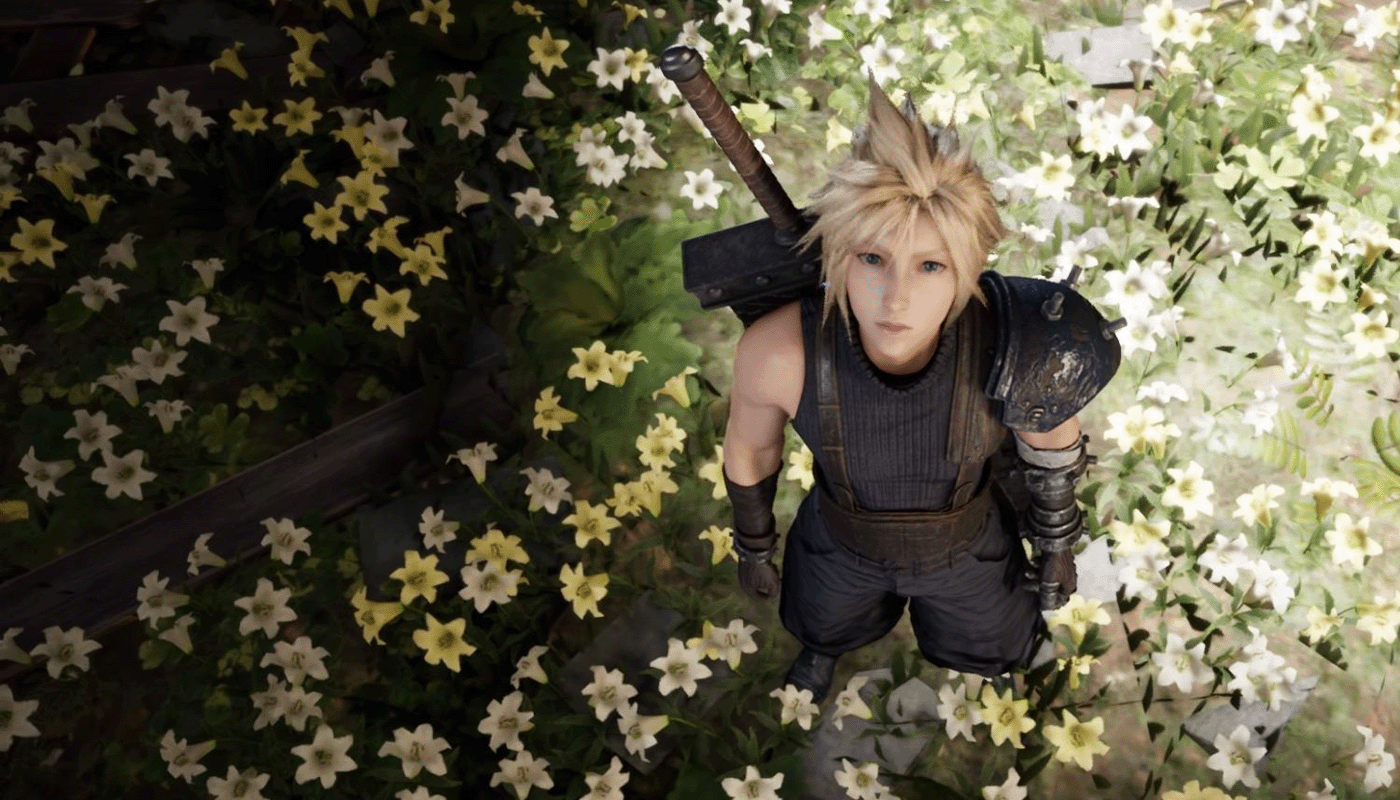
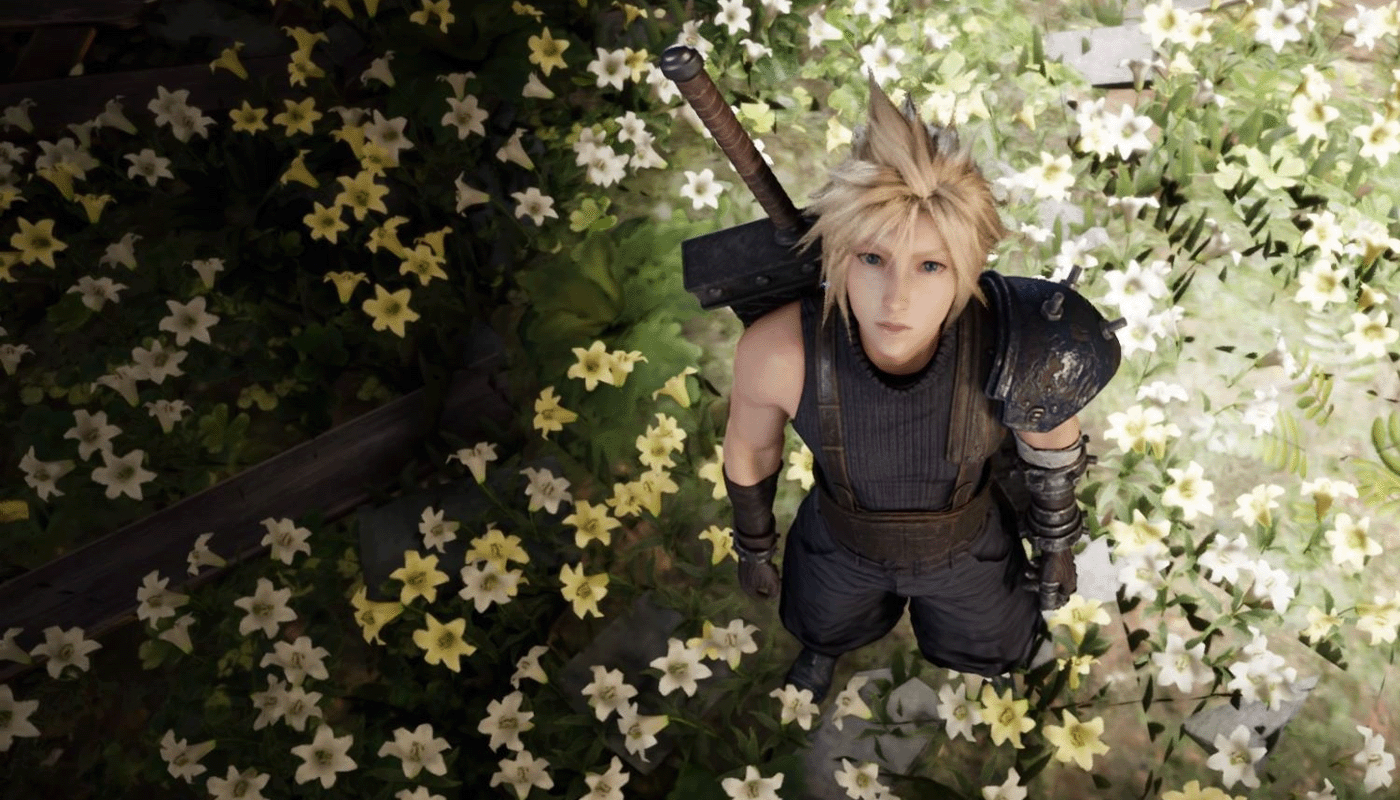
The player’s journey begins in the claustrophobic, oppressive atmosphere of Midgar, a city literally split between the wealthy elite living in the sunlight and the impoverished masses toiling in the shadow of the Mako reactors. The narrative pace is masterful, transitioning from the adrenaline-fueled destruction of a reactor to the quiet, domestic tension of a garden cottage.
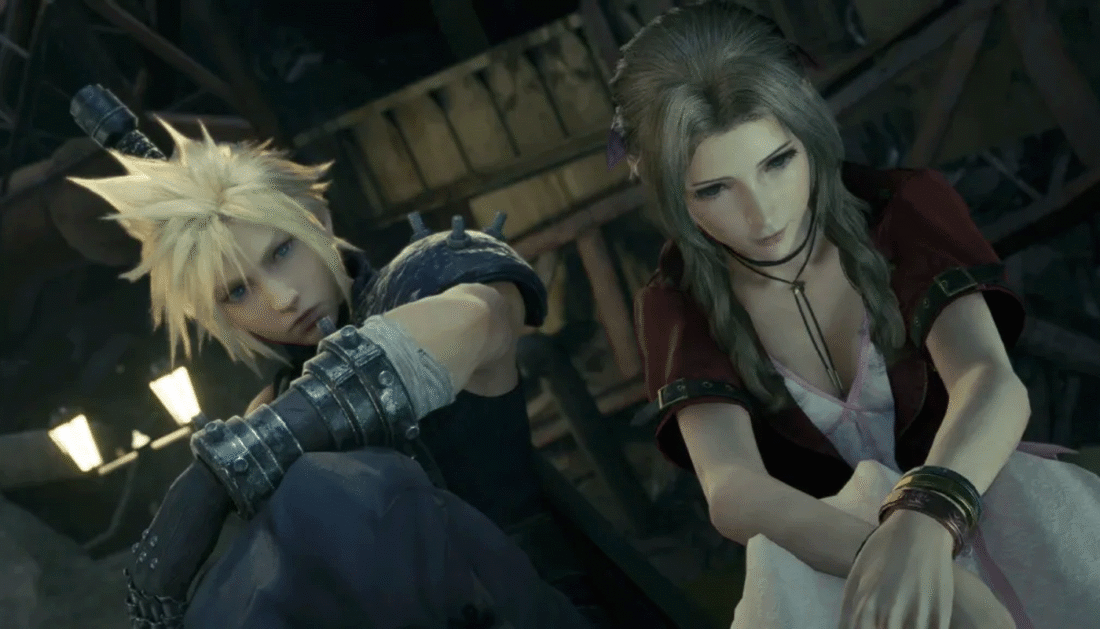
My initial, humbling experience was, ironically, the simple act of navigating a dark landing. This mundane failure to move through a room without waking Aerith served as a wake-up call: this game possesses a sense of humor and a grounded humanity that the "self-serious" reputation of the series completely failed to communicate.
As the story unfolds, we see Cloud Strife—a character I had long dismissed as a generic "emo boy"—evolve into a deeply sympathetic figure. His struggle with social cues and his inability to maintain his "stoic mercenary" facade are not just narrative choices; they are windows into his trauma. His transformation from a man who claims to be in it for the money to a reluctant volunteer worker highlights a core theme of the game: the power of community and the persistence of kindness in the face of systemic decay.
Supporting Data: The Anatomy of a Dystopia
The brilliance of Final Fantasy VII Remake lies in its "slice-of-life" world-building. Midgar is not just a backdrop; it is a character. Whether it is the vertigo-inducing catwalks beneath the floating city, the bustling, sordid neon of Wall Market, or the quiet, Ghibli-esque warmth of Aerith’s home, the environmental storytelling is unparalleled.
This is a world of science fantasy—a blend of high-tech robotics and ancient, mystical energy. The thematic backbone of the game is a blistering critique of unchecked capitalism and corporate governance. Shinra, the primary antagonist conglomerate, functions as a stand-in for modern environmental and social degradation. The presence of Avalanche, a group of "justified ecoterrorists," forces the player to grapple with the ethics of resistance. When a game from the 1990s can effectively inspire decades of dystopian fiction—from Fallout to Horizon and Bioshock—it forces us to acknowledge that Final Fantasy has always been more than just "pretty people with swords."
Furthermore, the game’s inclusion of queer-coded narratives—such as the iconic, flamboyant infiltration of Don Corneo’s lair in Chapter Nine—serves as a reminder that the franchise has long been a part of queer culture, despite the toxicity that occasionally dominates online discourse. The game refuses to be purely heteronormative, and its willingness to embrace the camp and the unconventional adds a layer of depth that further separates it from the "generic action" label.
Official Perspectives and Creative Reimagining
The developers of the Remake trilogy have taken a bold, meta-fictional approach to the original game’s legacy. By subtly implying that these remakes occur in an alternative timeline—a shift noticed by characters like Sephiroth himself—Square Enix has effectively freed itself from the shackles of canon. This is not just a retread of old ground; it is a reinvention.
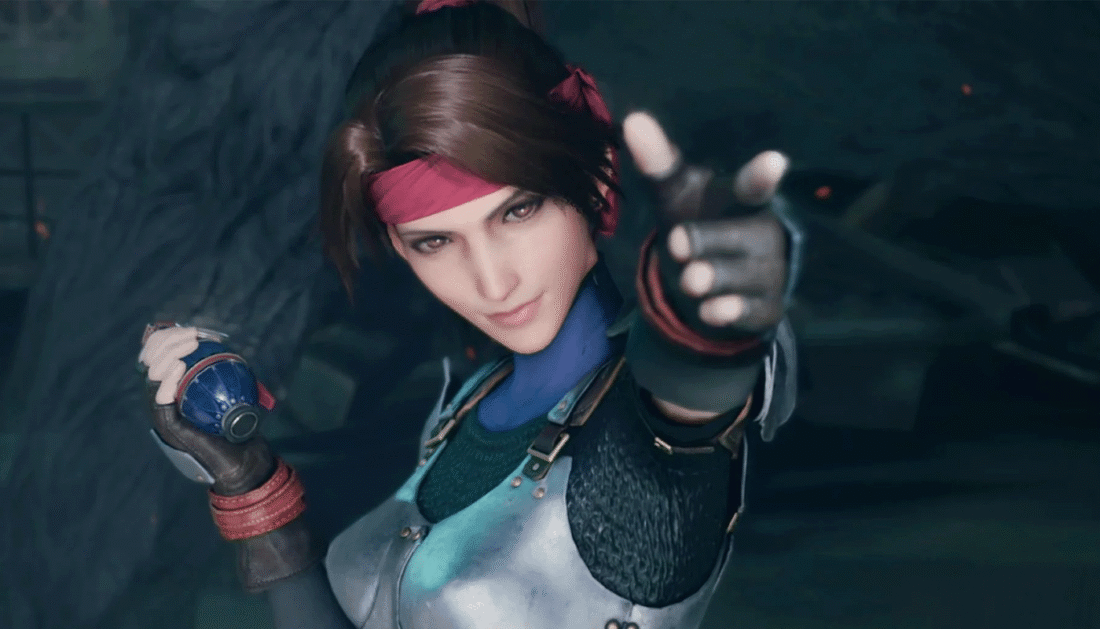
The inclusion of characters like Jessie, who had minimal lines in the 1997 original, is a testament to the developers’ commitment to improvement. Jessie’s arc—a woman who chooses the slums not out of desperation, but as a deliberate rejection of the corrupt systems that destroyed her family—is one of the most compelling narratives in the game. It is a sign that the studio understands that a remake’s duty is to expand, deepen, and challenge the original source material.
Implications: The Humanization of the Soldier
The most striking implication of playing this game in 2026 is the realization that the "fractious fandom" and the "toxic discourse" have served as a smokescreen for a genuinely profound artistic work. The debates surrounding character design—often centered on Tifa Lockhart—frequently overlook the fact that she is a layered, capable, and compassionate character, an entrepreneur who manages a bar and cares for her community, all while operating as a key operative in an underground resistance.
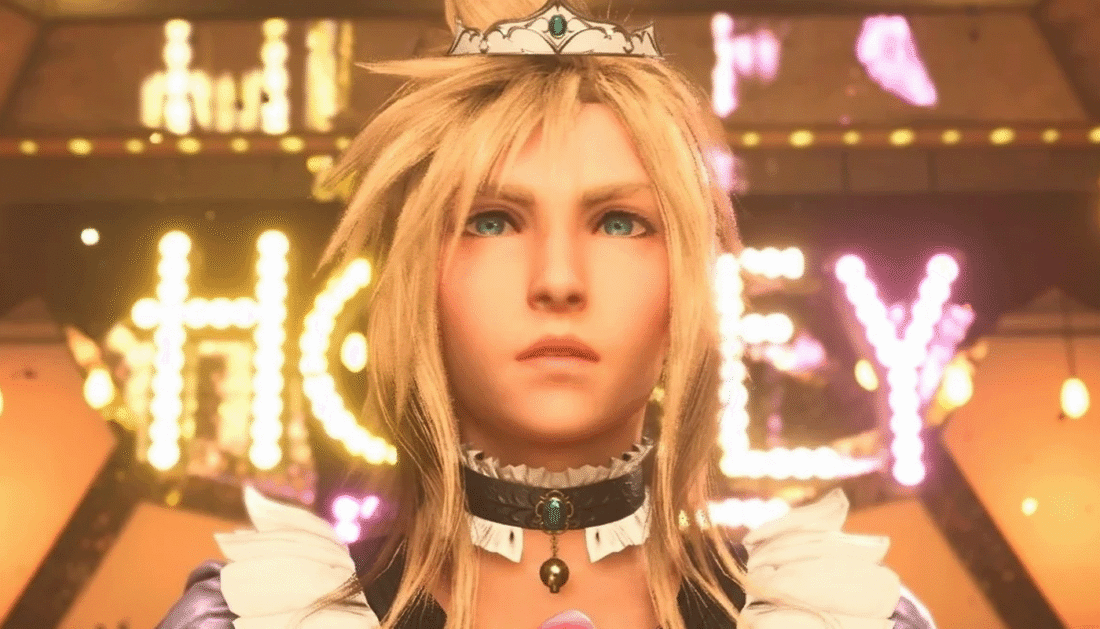
For the newcomer, the Remake trilogy is a revelation. It proves that a franchise can grow, that it can address its own past, and that it can offer a mirror to our own struggles. Cloud Strife’s journey from a hardened mercenary to a person capable of vulnerability is, in many ways, the journey of the player themselves. We come into the game expecting a power fantasy and instead find a story about the difficulty of maintaining one’s humanity in a world that profits from its destruction.
As I continue my playthrough, approaching the end of the first chapter of this trilogy, I find myself no longer looking at Final Fantasy as a distant, intimidating cultural artifact. I see it as a living, breathing work of art that invites the player to participate in its growth. If Cloud can overcome his past, if the developers can transcend their own history, and if a newcomer can find themselves reflected in a genetically enhanced soldier, then there is hope for us all. The lessons of Midgar—the necessity of looking out for one’s neighbor, the importance of questioning authority, and the courage to move through the dark without giving up—are as relevant today as they were when the first reactor blew nearly thirty years ago.
This is not a review; it is an invitation. For those who, like me, spent years making assumptions based on the noise of the internet, the time has come to set those biases aside. Final Fantasy VII Remake is a testament to the fact that it is never too late to engage with a classic, and that even the most well-trodden paths can lead to entirely new, breathtaking discoveries.