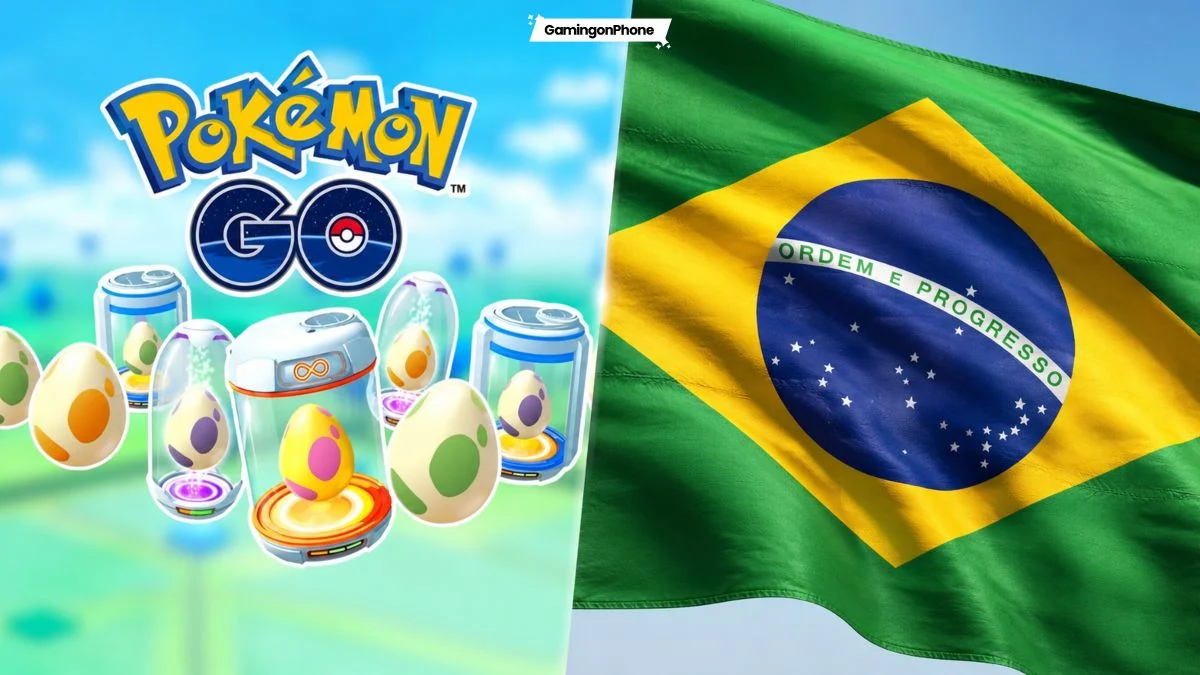
SÃO PAULO, Brazil – Brazilian players of the globally popular augmented reality game, Pokémon GO, are reportedly facing significant new restrictions on in-game purchases, specifically affecting premium Incubators and certain shop items. This abrupt change follows a landmark court ruling in Brazil that has taken a firm stance against "loot box"-style mechanics in games accessible to minors, classifying them as akin to gambling. The development has sent ripples through the local gaming community and highlights an escalating global debate on game monetization practices and child protection.
Main Facts
The primary impact on Pokémon GO players in Brazil is the restricted availability and usability of premium Incubators, certain item boxes, and select paid GO Pass bundles. These changes, initially observed by a multitude of players, have been corroborated by prominent community resources like Pokémon GO Hub. While initial reports suggested a complete ban on Incubators, further investigation indicates that availability is now tied to account restrictions, likely enforced through a mandatory age verification process. This move by Niantic, the developer of Pokémon GO, is a direct consequence of a recent, sweeping Brazilian court ruling that targeted major gaming and technology companies over the inclusion of randomized paid rewards, arguing that such systems expose children and teenagers to gambling-like mechanics.
The controversy centers on Pokémon GO’s Egg and Incubator system. Although players do not directly purchase Eggs, premium Incubators, bought with real money (or in-game currency acquired with real money), significantly accelerate the hatching process. Crucially, the Pokémon that emerges from an Egg is randomized, with potential outcomes including rare, regional, event-exclusive, or Shiny Pokémon. It is this combination of paid acceleration and randomized, potentially valuable, outcomes that regulators in Brazil have identified as problematic, drawing parallels to a loot box system. Niantic has yet to issue an official statement regarding these restrictions or its long-term strategy for the Brazilian market, leaving players and industry observers awaiting further clarification.
Chronology of Events and Legal Precedents
The current situation in Brazil is not an isolated incident but rather the culmination of years of growing legal scrutiny regarding video game monetization. The seeds of this specific controversy were sown with a significant Brazilian court ruling that specifically addressed loot box systems in games.
Early Player Observations and Community Confirmation: The immediate signs of change emerged from the Pokémon GO player base in Brazil. Reports surfaced across social media platforms and community forums, such as Reddit’s r/TheSilphRoad, detailing that items previously available for purchase in the in-game shop were either missing or marked as unusable. Premium Incubators, which are essential for competitive play and efficient progression, were particularly noted. These anecdotal reports quickly gained traction and were subsequently confirmed by established community news outlets like Pokémon GO Hub, solidifying the reality of the restrictions. The initial confusion gave way to the understanding that these were not mere glitches but deliberate changes.
The Nature of the Restrictions: What began as a perceived outright ban on Incubators evolved into a more nuanced understanding. It became apparent that the restrictions were not uniformly applied across all accounts. Instead, access to these items seemed to hinge on whether an account had undergone age verification. This suggests Niantic’s immediate response was to segment its player base, restricting access for those who could potentially be minors, in compliance with the court’s directive. This mandatory age verification process, while a new hurdle for some players, is a clear indicator of the gravity of the legal situation.
The Brazilian Legal Framework and the Loot Box Ruling: The backdrop to these in-game changes is a robust and increasingly stringent legal environment in Brazil concerning consumer protection and child safety. Brazil has a comprehensive Consumer Defense Code (CDC) and a Statute of the Child and Adolescent (ECA), both of which provide a strong legal basis for protecting vulnerable populations, including minors, from potentially exploitative commercial practices.
The specific court ruling that triggered these restrictions is a landmark decision that concluded a broader legal action against several prominent gaming and tech companies. While the exact date of the final verdict is crucial, the legal proceedings had been ongoing, building a case against the perceived gambling-like nature of loot boxes. The court’s decision underscored that monetization mechanics involving randomized rewards, especially when purchasable with real money and accessible to minors, constitute a violation of existing consumer and child protection laws. The core argument was that such systems can psychologically manipulate children and teenagers, fostering addictive behaviors and encouraging excessive spending, thus resembling illicit gambling.
Brazil’s push for stricter child safety laws related to in-game purchases has been intensifying over recent years, culminating in this ruling. The judicial body responsible for this decision emphasized the need for digital companies to adapt their monetization strategies to prevent the exploitation of minors, setting a clear precedent for the industry operating within the country’s borders. This legal push aligns with a global trend where various jurisdictions are grappling with the ethical and legal implications of loot boxes.
Supporting Data: Dissecting the "Loot Box" Classification
To fully comprehend the Brazilian court’s decision and its ramifications for Pokémon GO, it is essential to delve into the definition of "loot boxes" and why the game’s Incubator system fits this contentious classification.
What Constitutes a Loot Box?
A loot box, in its simplest definition, is a virtual item in video games that can be redeemed to receive a randomized selection of further virtual items, ranging from cosmetic skins to powerful in-game advantages. These boxes are often acquired either through gameplay or, more commonly, by spending real money. The controversy stems from the element of chance: players do not know the exact contents they will receive, only the potential range of items, often with varying probabilities. This unpredictability, coupled with the monetary cost and the desire for rare outcomes, is what regulators frequently equate to gambling. Key characteristics include:
- Monetary Cost: The loot box or the means to open it (e.g., a key) is purchased with real-world money.
- Randomized Rewards: The player does not know the specific item(s) they will receive before purchase.
- Variable Value of Rewards: The items received can range from common and low-value to rare and highly desirable.
- Psychological Hooks: The excitement of uncertainty, the "near miss" phenomenon, and the pursuit of rare items can create a compulsive loop similar to gambling.
Why Pokémon GO’s Incubators Are Under Scrutiny:
Pokémon GO’s Egg and Incubator system, while not a direct purchase of a "box," exhibits many of these core characteristics when premium Incubators are involved:
- Player Investment: While Eggs are acquired through gameplay (spinning PokéStops, gifts), premium Incubators are bought from the in-game shop using PokéCoins, which can be purchased with real money. These Incubators allow players to hatch multiple Eggs simultaneously and more quickly than the single, infinite-use Incubator provided.
- Randomized Outcome: The Pokémon that hatches from an Egg is entirely random, drawn from a pool specific to the Egg type (2km, 5km, 7km, 10km, 12km, or event-specific Eggs). Players have no control over which Pokémon they will receive.
- Variable Value of Rewards: The randomized outcomes can range dramatically in value to a player. An Egg could contain a common Pokémon, or it could yield a rare, regionally exclusive, event-exclusive, or even a coveted Shiny Pokémon – which is exceedingly rare and highly sought after. The potential for a "valuable" outcome drives the desire to hatch more eggs.
- "Gambling-like" Argument: Regulators argue that paying money (via PokéCoins for Incubators) to accelerate a randomized process that can yield highly desirable, rare outcomes mimics the mechanics of gambling. Players are effectively "betting" on the chance of hatching a superior Pokémon. The psychological appeal of chasing a rare Shiny or a powerful legendary from an Egg, amplified by the ability to pay to speed up this process, is what the court deemed problematic for minors.
Economic Impact and Precedents:
The Incubator system is a significant revenue stream for Niantic. By offering a way to bypass the time gate on egg hatching, it incentivizes continuous spending, particularly during events where rare Pokémon are temporarily available in Eggs. This economic model is now directly challenged.
Brazil is not alone in its scrutiny. Other countries have taken similar stances:
- Belgium: Famously declared loot boxes illegal gambling in 2018, leading several games to remove or alter their loot box systems for Belgian players.
- Netherlands: While not an outright ban, the Dutch Gaming Authority has issued warnings and ordered adjustments, particularly regarding items that can be traded for real-world value.
- Other Jurisdictions: Many other countries, including the UK, US, and Australia, have seen ongoing legislative debates, consumer protection inquiries, and self-regulatory efforts concerning loot boxes, recognizing the potential harm to vulnerable players.
The Brazilian ruling, however, stands out for its broad scope and the direct imposition of collective damages on major industry players, signalling a robust and uncompromising approach.
The Broader Legal Landscape and Penalties
The restrictions in Pokémon GO are but a small piece of a much larger judicial puzzle in Brazil. The recent court ruling, which directly implicated Niantic’s operations through its broad definition of problematic monetization, represents a significant victory for consumer advocates and child protection agencies.

Scope of the Ruling and Implicated Companies:
The Brazilian court’s decision was not narrowly focused on a single game or developer. Instead, it was a sweeping judgment that named several of the world’s most influential gaming and technology giants. Companies explicitly cited in the broader case include:
- Nintendo
- Sony
- Apple
- Tencent Games
- Electronic Arts (EA)
- Ubisoft
- KONAMI
This comprehensive list highlights the court’s intent to send a clear message across the entire digital entertainment ecosystem. The inclusion of platform holders like Google and Apple is particularly noteworthy, as it places a responsibility on them for the content and monetization practices offered through their app stores.
Collective Damages and New Requirements:
As a direct consequence of this ruling, these implicated companies have been ordered to pay substantial collective damages. Reports indicate these damages amount to approximately $58.4 million. These funds are typically earmarked for consumer protection initiatives, public awareness campaigns, or to compensate for collective harm, rather than direct individual payouts. The imposition of such a hefty fine underscores the court’s view of the severity and widespread nature of the issue.
Beyond monetary penalties, the ruling also mandates several critical changes in operational practices for these companies within Brazil:
- Clearer Warnings: Games must now provide explicit and transparent warnings about the presence of randomized paid rewards and their potential implications.
- Stronger Age Checks: The implementation of more robust and reliable age verification mechanisms is now a legal requirement to ensure minors are genuinely prevented from accessing these problematic systems. This is directly reflected in Pokémon GO’s new mandatory age verification for certain purchases.
- Better Consumer Protections: Companies are expected to introduce broader measures to protect consumers, particularly minors, from predatory or exploitative monetization schemes. This could include spending limits, clearer odds disclosure, or parental control enhancements.
The judicial interpretation driving this ruling leverages existing Brazilian laws, notably the Consumer Defense Code (Lei nº 8.078/1990), which protects consumers from abusive practices and misleading advertising, and the Statute of the Child and Adolescent (Lei nº 8.069/1990), which safeguards the rights and well-being of minors. The court’s application of these laws to digital game monetization sets a powerful precedent, effectively classifying loot boxes and similar mechanics as a form of "hidden gambling" or an unfair commercial practice when directed at or accessible by minors.
Official Responses and Niantic’s Position
In the wake of these significant restrictions and the broader court ruling, one of the most pressing questions revolves around the official responses from the affected companies, particularly Niantic.
Niantic’s Silence:
As of the current reporting, Niantic, the developer behind Pokémon GO, has maintained an official silence on the matter. No public statement, press release, or in-game announcement has been issued to Brazilian players or the global community regarding the restrictions on Incubators and other shop items. This silence, while potentially frustrating for players seeking clarity, is not uncommon for companies navigating complex legal challenges.
Reasons for Niantic’s Silence:
Several strategic and legal considerations could explain Niantic’s current quietude:
- Legal Review and Strategy Formulation: Niantic’s legal teams are likely thoroughly reviewing the court’s full ruling, understanding its precise implications, and formulating a comprehensive response strategy. This involves assessing options such as appealing the decision, seeking further clarification from Brazilian authorities, or planning for system redesigns.
- Coordination with Partners: Given that the ruling affects a wide array of companies, including platform holders like Google and Apple, Niantic may be coordinating its response with these partners to ensure a unified approach or to understand how platform-level changes might impact their game.
- Avoiding Premature Statements: Issuing a statement too early, especially one that could be misinterpreted or that commits the company to a specific course of action before all legal avenues are explored, could be detrimental.
- Observing Industry-Wide Reactions: Niantic might also be observing how other implicated companies respond to the ruling, learning from their approaches before making its own public move.
Potential Future Actions for Niantic:
Despite the current silence, Niantic will eventually need to address the situation directly. Their potential actions could include:
- Appeal the Ruling: Niantic, possibly in conjunction with other affected companies, could pursue an appeal against the court’s decision. This would be a lengthy and costly process but might be considered if they believe the ruling fundamentally misinterprets their game mechanics or oversteps legal boundaries.
- System Redesign for Brazil: A more immediate and likely response could involve redesigning the Incubator system specifically for the Brazilian market. This might entail:
- Fixed Outcomes: Guaranteeing specific Pokémon from Eggs, removing the random element (though this would fundamentally alter gameplay).
- Alternative Monetization: Introducing different ways to speed up egg hatching that do not involve randomized rewards for paid items.
- Removing Premium Incubators: Completely withdrawing premium Incubators from the Brazilian shop for all players, forcing reliance on the single infinite-use Incubator.
- Enhanced Age Verification and Parental Controls: Strengthening the mandatory age verification process and introducing more robust parental control options (e.g., spending limits) would be a direct way to comply with the court’s demand for stronger child protections.
- Clearer Disclosures: Providing explicit probability rates for hatching different Pokémon from Eggs, although this might not fully address the "gambling-like" classification if the paid random element persists for minors.
- Withdrawal of Specific Items: Permanently removing the restricted item boxes and GO Pass bundles that were deemed problematic.
How Niantic chooses to proceed will have significant implications not only for its Brazilian player base but potentially for its global monetization strategy, especially if similar legal challenges arise in other jurisdictions.
Implications for Players, Developers, and the Industry
The Brazilian court ruling and Niantic’s subsequent restrictions on Pokémon GO have far-reaching implications that extend beyond the immediate changes for players in one country. They represent a significant moment in the ongoing global dialogue about video game monetization, consumer protection, and the responsibilities of developers.
For Brazilian Pokémon GO Players:
- Disrupted Gameplay Experience: Players, particularly those who relied on premium Incubators for efficient egg hatching, will experience a noticeable slowdown in progression. This impacts the ability to quickly acquire rare Pokémon, complete event research, and optimize team building.
- Increased Frustration: Dedicated players who have invested time and money into the game may feel frustrated by the sudden changes and lack of communication, potentially leading to disengagement.
- Forced Age Verification: The mandatory age verification process, while intended for protection, adds a new hurdle for players and might lead to account access issues for some.
- Potential for a "Fairer" System: From another perspective, these restrictions could be seen as a step towards a less predatory monetization model, particularly for younger players, fostering a gaming environment focused more on gameplay than on randomized spending.
- Uncertainty: The future of certain in-game items and monetization strategies remains unclear, creating an atmosphere of uncertainty for the player base.
For Niantic:
- Revenue Impact: Brazil is a significant market, and restrictions on popular paid items like Incubators will undoubtedly impact Niantic’s revenue from the region. The company will need to find alternative, compliant monetization strategies.
- Reputational Risks: How Niantic responds to this challenge will shape its reputation globally, particularly concerning its commitment to ethical monetization and player protection.
- Legal Precedent Concerns: The Brazilian ruling sets a precedent that could embolden regulators in other countries to pursue similar legal actions against Niantic or other game developers, necessitating a review of global monetization strategies.
- Development Costs: Any required redesigns of in-game systems, implementation of robust age verification, or ongoing legal battles will incur significant development and operational costs.
For the Wider Gaming Industry in Brazil:
- Increased Scrutiny: The ruling will undoubtedly intensify scrutiny on all games operating in Brazil that employ loot box-like mechanics, gacha systems, or other forms of randomized paid rewards. Developers will need to proactively review and potentially adjust their monetization models to ensure compliance.
- Shift Towards Compliance: Companies will be compelled to prioritize clearer disclosures, stronger age verification, and enhanced consumer protections to avoid fines and legal action. This could lead to a more transparent and player-friendly monetization landscape.
- Innovation in Monetization: The challenge might spur innovation in alternative, compliant monetization strategies that are less reliant on randomized rewards, focusing instead on direct purchases, battle passes with clear progression, or subscription models.
- Legal Clarity (Eventually): While initially disruptive, the ruling provides a clearer legal framework for game developers operating in Brazil, defining acceptable and unacceptable monetization practices concerning minors.
Global Implications:
- Inspiring Similar Legislation: Brazil’s assertive stance could serve as an inspiration or a legal blueprint for consumer protection agencies and legislative bodies in other countries grappling with loot box regulation. This could accelerate the global trend towards stricter oversight.
- Harmonization of Laws: As more countries address this issue, there might be a move towards some form of international harmonization of laws regarding in-game monetization, especially concerning child protection.
- Ethical Monetization Debate: The incident further fuels the ongoing ethical debate within the gaming industry about monetization practices, particularly those perceived as exploitative or gambling-adjacent, forcing developers to reconsider their approaches.
Conclusion
The restrictions imposed on Pokémon GO in Brazil represent a pivotal moment in the intersection of digital entertainment, legal regulation, and consumer protection. Sparked by a landmark court ruling against loot box-style mechanics accessible to minors, Niantic has been compelled to alter fundamental aspects of its game’s monetization for Brazilian players, specifically targeting premium Incubators and certain shop bundles. While Niantic has yet to provide an official statement, the changes underscore the growing legal pressure on the gaming industry to adopt more transparent and ethically sound monetization practices. This development will undoubtedly reshape the gaming landscape in Brazil, potentially influencing regulatory efforts worldwide, and serves as a stark reminder that digital content, despite its virtual nature, is subject to real-world laws and societal expectations regarding the protection of vulnerable populations. The coming days and weeks will be crucial in observing Niantic’s formal response and the broader industry’s adaptation to this new regulatory paradigm.