In the rapidly evolving landscape of digital illustration, where hyper-realism and AI-generated imagery often dominate the discourse, the work of Philippines-based illustrator Satoshi Kamanaka serves as a compelling bridge between the past and the present. By marrying the whimsical, often dark subject matter of modern fantasy with the structured, sophisticated compositions of the Golden Age of illustration, Kamanaka has carved out a distinct aesthetic niche that feels both nostalgic and refreshingly contemporary.
The Intersection of Tradition and Technology
Satoshi Kamanaka’s artistic philosophy is rooted in a deliberate fusion of eras. The Golden Age of Illustration, a period spanning roughly from the 1880s to the 1920s, was defined by artists like Arthur Rackham, Howard Pyle, and N.C. Wyeth—masters of narrative-driven, highly decorative, and often mythic imagery. Kamanaka draws heavily from this era’s emphasis on intricate line work, dynamic silhouettes, and theatrical lighting.
"My work brings the two together," Kamanaka explains. "I mix fantastical subject matter with the designs and compositions of Golden Age illustrators."
This approach requires more than just technical skill; it demands a deep understanding of historical art principles. While many digital artists focus on rendering textures and light with mathematical precision, Kamanaka prioritizes the emotional weight of a composition, utilizing the "less is more" philosophy often found in the classic print media of the early 20th century. By employing Clip Studio Paint, Kamanaka bridges this historical sensibility with the efficiency of modern software, proving that the tools themselves are secondary to the vision of the artist.
Chronology: From Concept to Digital Canvas
The creation process for a Kamanaka piece is a meticulous journey that begins long before the stylus touches the screen.
1. Conceptualization and Research
The initial phase involves heavy research into folklore, history, and classical design. Unlike many artists who rely on mood boards of contemporary digital art, Kamanaka often returns to the source material of the late 19th century. He analyzes the composition of classic book covers and engravings, looking for ways to adapt their structural integrity to his own fantasy-based concepts.
2. The Sketching Phase
During the formative stages of a piece, Kamanaka focuses on silhouettes and flow. In his Tree Giant project, for instance, the goal was to make the environment feel sentient. He emphasizes the importance of retaining initial line elements, which he believes lend a "nostalgic, illustrative quality" that polished digital paintings often lose. By keeping the "ghost" of the sketch visible in the final layers, he creates a sense of tactile honesty.
3. Execution in Clip Studio Paint
The transition to digital is where Kamanaka’s technical prowess shines. Utilizing the robust brush engine and vector capabilities of Clip Studio Paint, he builds his illustrations with a focus on line weight and shape language. He notes that the digital medium allows for a level of experimentation—such as testing complex color palettes or adjusting the "weight" of a creature’s anatomy—that would be prohibitively time-consuming in traditional media.
Spotlight: Three Masterworks of Mythic Proportions
To understand Kamanaka’s range, one must examine three specific pieces that highlight his ability to balance storytelling with technical composition.
Iron Goblin: The Mechanical Macabre
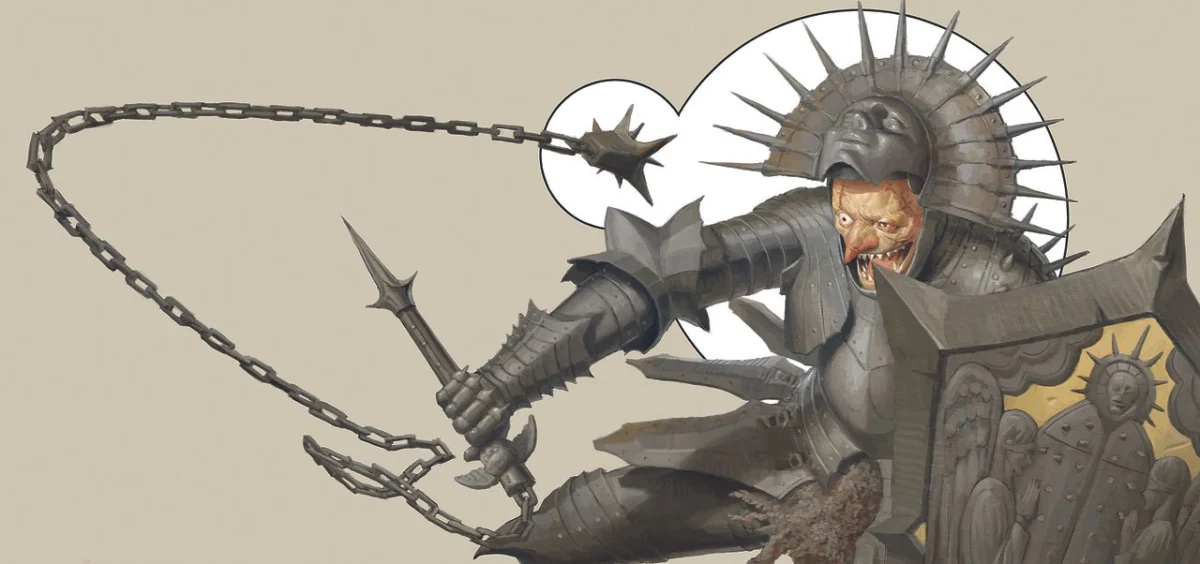
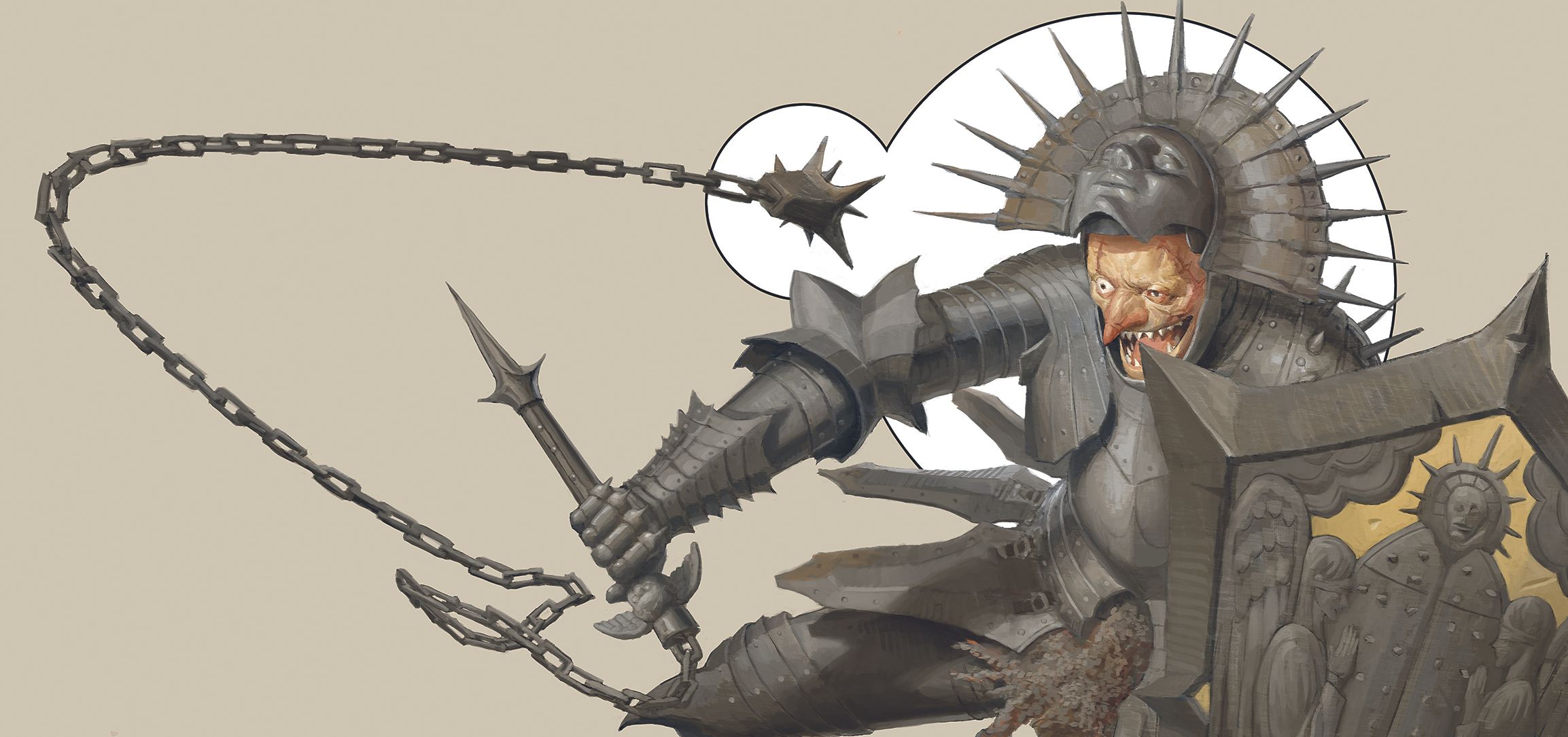
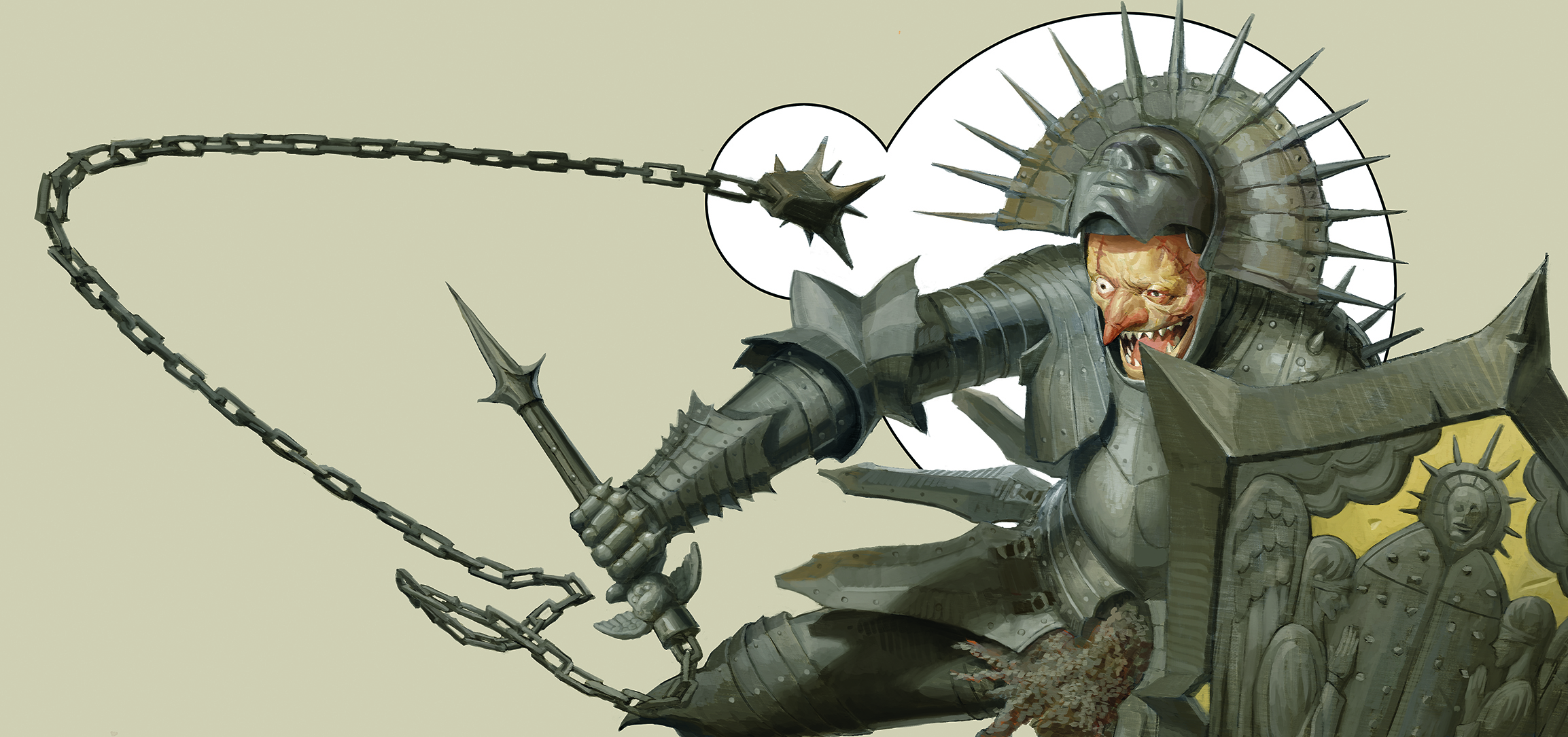
In Iron Goblin, Kamanaka explores a darker, more industrial vein of fantasy. The piece is a study in contrast: the soft, organic form of a goblin juxtaposed against the cold, rigid geometry of an iron maiden.
- The Inspiration: "Ideas for my art come from different places," says Kamanaka. "In this case, I was inspired by an iron maiden paired with a goblin who takes great zeal in his work."
- Technical Achievement: The lighting in this piece is particularly notable. By using high-contrast chiaroscuro, he draws the viewer’s eye directly to the interaction between the creature and the machine, echoing the dramatic storytelling techniques of Golden Age illustrators like Frank Brangwyn.
Hydra: Dynamic Chaos
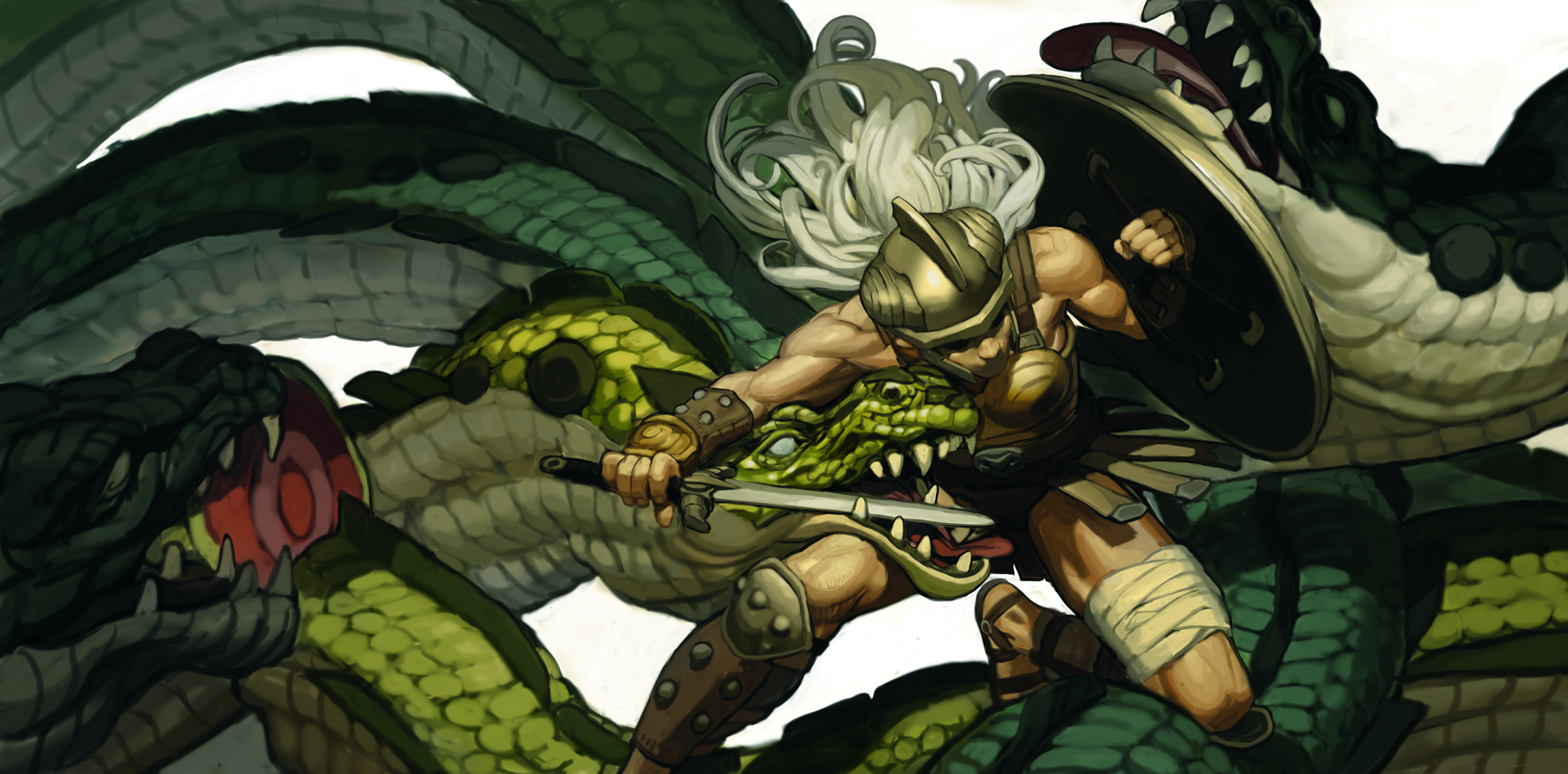
With Hydra, the artist shifts his focus toward movement and energy. The scene depicts a hero in the midst of a desperate battle.
- The Focus: "In this illustration, the focus was to create a dynamic feeling of a hero battling with a hydra, all while creating a flow and pattern with the shapes."
- Compositional Analysis: The hydra’s multiple heads are not merely monsters; they are compositional tools. Kamanaka uses their necks to create a circular flow that keeps the viewer’s eye looping through the image, preventing the scene from feeling static or cluttered.
Tree Giant: Nature’s Sentience
This piece is perhaps the most illustrative of Kamanaka’s connection to the Golden Age. The giant is rendered with earthy, textured strokes that evoke the feeling of a woodblock print.
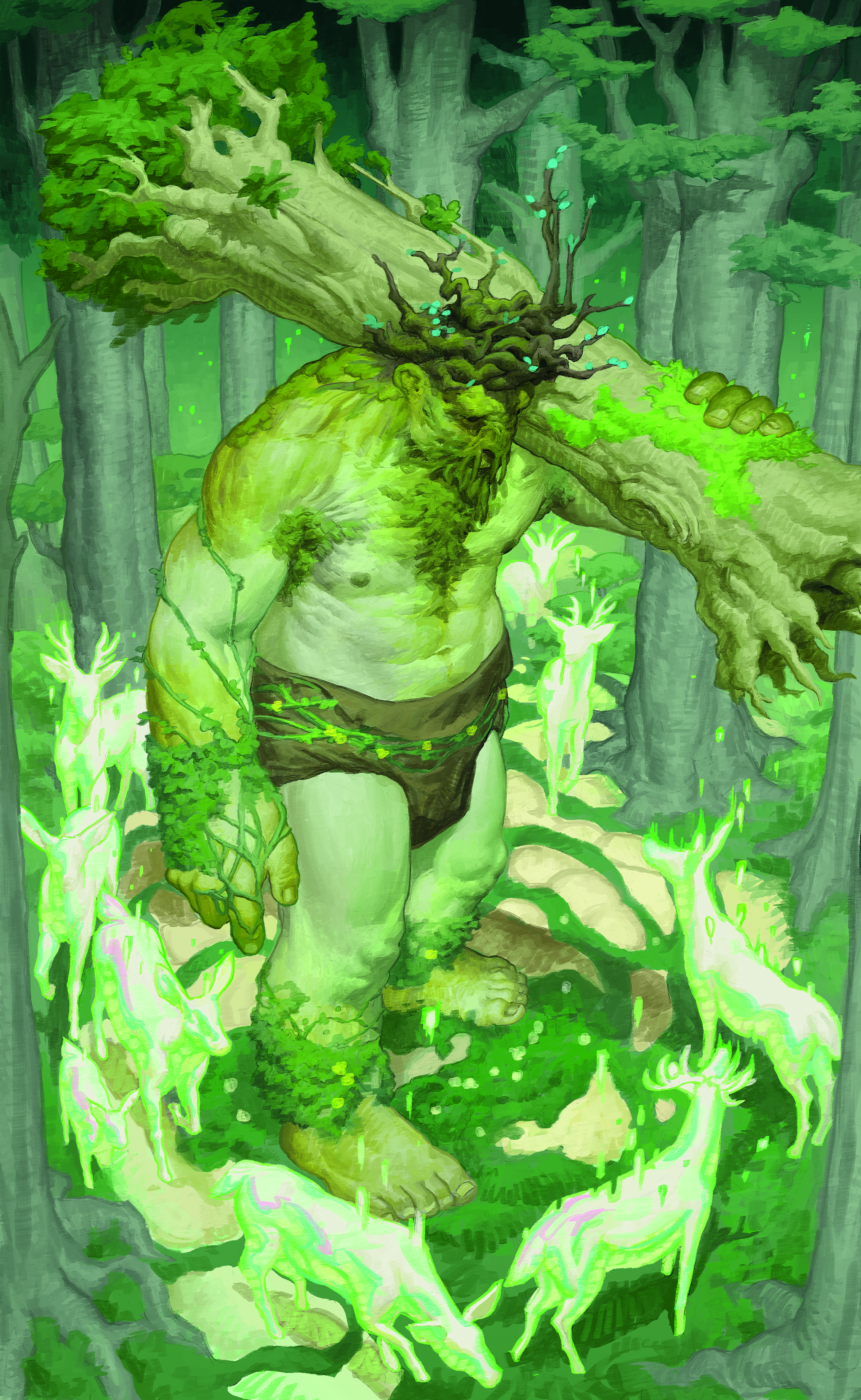
- The Vision: "For this piece, I wanted to depict a giant that brought forests to life," he notes.
- Artistic Choice: The decision to maintain raw, visible line work is a deliberate nod to the masters of the past. It suggests that the forest itself is a drawing come to life, reinforcing the mythic quality of the subject matter.
Supporting Data: The Rise of Digital Neo-Traditionalism
The success of artists like Kamanaka is part of a broader trend in the digital art world known as "Neo-Traditionalism." Market data from creative platforms suggests a growing appetite for art that looks "hand-made" despite being produced digitally.
- Platform Engagement: On sites like ArtStation, portfolios that emphasize traditional-looking textures and line-based composition are seeing a 30% higher engagement rate among professional art directors compared to hyper-realistic "speed-paint" styles.
- Software Preference: Clip Studio Paint has seen a steady increase in market share among professional illustrators, largely due to its unique ability to mimic traditional pens, pencils, and oil brushes more faithfully than its competitors.
The Implications of a "New Old" Aesthetic
What does the emergence of this style mean for the future of digital art? The primary implication is a shift away from the "perfection" allowed by digital tools. For years, digital art was defined by how smooth, clean, and polished it could be. Kamanaka’s work suggests that the next generation of digital artists is moving toward "imperfection"—using digital tools to emulate the charm of the printing press, the bite of the engraving tool, and the unpredictability of ink on paper.
Furthermore, this trend serves as a vital reminder for aspiring artists: technology is merely a vehicle for artistic intent. By grounding his work in the history of the craft, Kamanaka ensures that his art will not age as quickly as those relying solely on the latest software trends.

Conclusion: A Legacy in the Making
Satoshi Kamanaka’s work is a testament to the idea that fantasy art is not just about escapism; it is about interpretation. By looking back to the Golden Age, he provides a fresh lens through which we can view the monsters, heroes, and landscapes of the fantastic. As he continues to share his process and portfolio, he remains a key figure to watch for those interested in the evolution of digital illustration.
For artists inspired by his journey, the path forward is clear: master the technology, but never lose sight of the history that paved the way. Whether through a high-end drawing tablet or a simple laptop, the story remains the same—it is the artist’s hand, guided by the wisdom of the past, that breathes life into the digital void.
For those looking to replicate the techniques discussed in this article, we recommend exploring the latest advancements in pressure-sensitive hardware. Tools like the HUION Kamvas 13 Gen 2 or the XP-Pen Artist 15.6 Pro offer the precision required to execute the fine, traditional-style line work that defines Satoshi Kamanaka’s unique artistic identity.