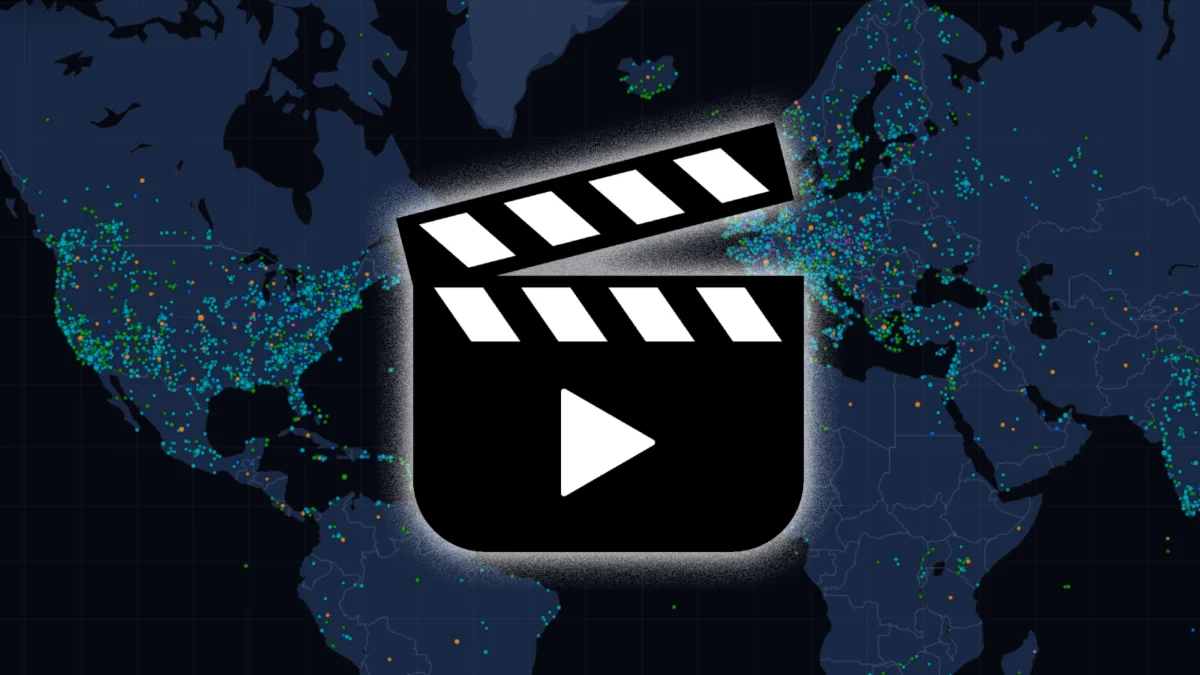
In the digital age, geography has often been reduced to navigational utility—a way to get from point A to point B via GPS. However, a revolutionary new platform is challenging that utilitarian perspective, overlaying our physical world with the rich, storied tapestry of cinema and television. Movie Scene Map, a sprawling, interactive global atlas, has recently emerged as a definitive resource for cinephiles, digital explorers, and armchair travelers alike. By cataloging over 15,000 real-world filming locations across 166 countries, the platform is effectively turning the entire planet into an open-air museum of entertainment history.
The Genesis of an Interactive Atlas
The project, spearheaded by a developer known online as Flightmussy, was born from a simple but ambitious premise: to bridge the gap between the fictional worlds we consume on screen and the tangible streets we walk every day. Unlike traditional location guides that focus on a single city or franchise, Movie Scene Map functions as a comprehensive, user-friendly database.
Spanning 9,295 movies and television series—from the sweeping epic fantasy of Game of Thrones to the gritty, sun-drenched desert aesthetic of Breaking Bad—the site provides a granular look at where cinematic magic actually happens. Most remarkably, the platform maintains a commitment to accessibility; it is entirely free to use, requires no account registration, and is blissfully devoid of the advertisements and paywalls that typically plague niche informational sites.
Chronology: From Niche Tool to Viral Sensation
While Movie Scene Map has been a labor of love for Flightmussy for some time, its true "tipping point" occurred on September 5, 2026. The platform gained sudden, explosive traction after user Nav Toor shared the link on the social media platform X (formerly Twitter).
Toor’s post, which emphasized the sheer scale of the project—"15,716 real filming locations. 166 countries. one map"—struck a chord with a public increasingly interested in "location scouting" as a form of tourism. Within hours, the site saw a massive influx of traffic as users began testing the map against their own hometowns, vacation destinations, and favorite cinematic memories. This viral moment transformed a quiet developer’s passion project into a global phenomenon, sparking a conversation about how we perceive the places we live and the media we consume.
Supporting Data: The Mechanics of the Map
At its core, Movie Scene Map relies on a robust architecture of data. The project primarily leverages the vast, structured repository of Wikidata, which allows for automated updates and a high degree of location accuracy. To ensure comprehensiveness, the developer has also integrated specific data points sourced from Wikipedia, which are clearly labeled to maintain transparency regarding the origin of the information.
Navigating the Digital Backlot
The user experience is designed for intuitive exploration. Upon entering the site, visitors are presented with a global view punctuated by thousands of pins. Each pin serves as a portal:
- Photographic Evidence: By selecting a pin, users are greeted with a photograph of the location, allowing them to compare the real-world site with its on-screen counterpart.
- Production Context: The interface lists every known production filmed at that specific coordinate, effectively turning a simple street corner into a cross-section of film history.
- The Breaking Bad and Matrix Examples: For fans of Breaking Bad, the map offers a pilgrimage-worthy guide to Albuquerque, pinpointing the exact residence of Walter White. Similarly, for The Matrix enthusiasts, the platform tracks the movement of the production across the urban landscapes of Sydney and San Francisco, highlighting iconic spots like Martin Place and Sussex Street.
Beyond Live-Action Film
While the map is anchored in the physical world, its scope extends into the realms of video games, anime, and manga. While these mediums aren’t "filmed" in the traditional sense, the creator has mapped them according to the real-world inspirations and settings depicted in their narratives, providing a fascinating look at how creators adapt geographic reality for digital storytelling.
Implications for Tourism and Fan Culture
The existence of Movie Scene Map signals a shift in the "fan experience." No longer content to simply watch a film, audiences are increasingly driven to engage with the physical sites of production. This trend, often referred to as "set-jetting," has historically been the domain of luxury travel agencies, but Movie Scene Map democratizes the process.
The "Nakatomi Plaza" Effect
The map’s ability to highlight iconic sites—such as Durham Cathedral (the halls of Hogwarts in Harry Potter) or Fox Plaza (the infamous Nakatomi Plaza from Die Hard)—creates a bridge between the mythic and the mundane. It encourages users to view their own neighborhoods through a lens of wonder. A mundane office building or an unassuming park becomes a site of cultural significance, fostering a deeper connection between local communities and the global entertainment industry.
The Curation Disclaimer
Despite its vast reach, the creator remains humble about the platform’s limitations. The site is a curated atlas, not an exhaustive encyclopedia. Some productions or obscure locations may be absent, a reality the developer openly acknowledges. This transparency invites a community-driven ethos, where users are encouraged to view the map as a living document that grows as more data is validated and added.
The Gamification of Geography: SceneGuessr
Recognizing that users often enjoy testing their own knowledge, the platform includes a built-in game called SceneGuessr. This daily challenge presents players with five production stills and asks them to drop a pin on a global map where they believe the scene was captured.
The scoring system is precise, awarding points out of 5,000 based on the proximity of the user’s guess to the actual location. This feature taps into the current popularity of geography-based browser games, positioning Movie Scene Map alongside other digital distractions like collaborative heist games or Wikipedia-based collectible card games. By blending education with play, the site ensures that users return daily, not just to search for data, but to refine their "location-scouting" intuition.
Future Prospects and Community Impact
As Movie Scene Map continues to evolve, its potential impact on the tourism industry is significant. Local municipalities, often unaware of the specific film heritage in their jurisdictions, may find that this map provides a valuable tool for cultural promotion. For the film industry, it serves as a testament to the enduring legacy of production design and the importance of location scouting in creating a sense of place.
Furthermore, the project stands as a shining example of independent web development. In an era where the internet is increasingly siloed behind corporate paywalls and algorithmically driven feeds, a free, open-access, and deeply informative tool like Movie Scene Map serves as a reminder of the internet’s original promise: to connect people to information and to one another in ways that were previously impossible.
Whether you are a professional researcher, a casual film fan, or simply someone who enjoys the thrill of digital discovery, Movie Scene Map offers a unique perspective on the world. It reminds us that our environment is not just a collection of roads and buildings, but a backdrop for millions of stories, waiting to be rediscovered, one pin at a time.
As we look toward the future of digital cartography, projects like this will likely set the standard for how we interact with our cultural heritage. By mapping the world through the lens of cinema, we don’t just see where movies were made; we see the world as a stage, and every one of us, in our own way, as a player upon it.