Nana
Nana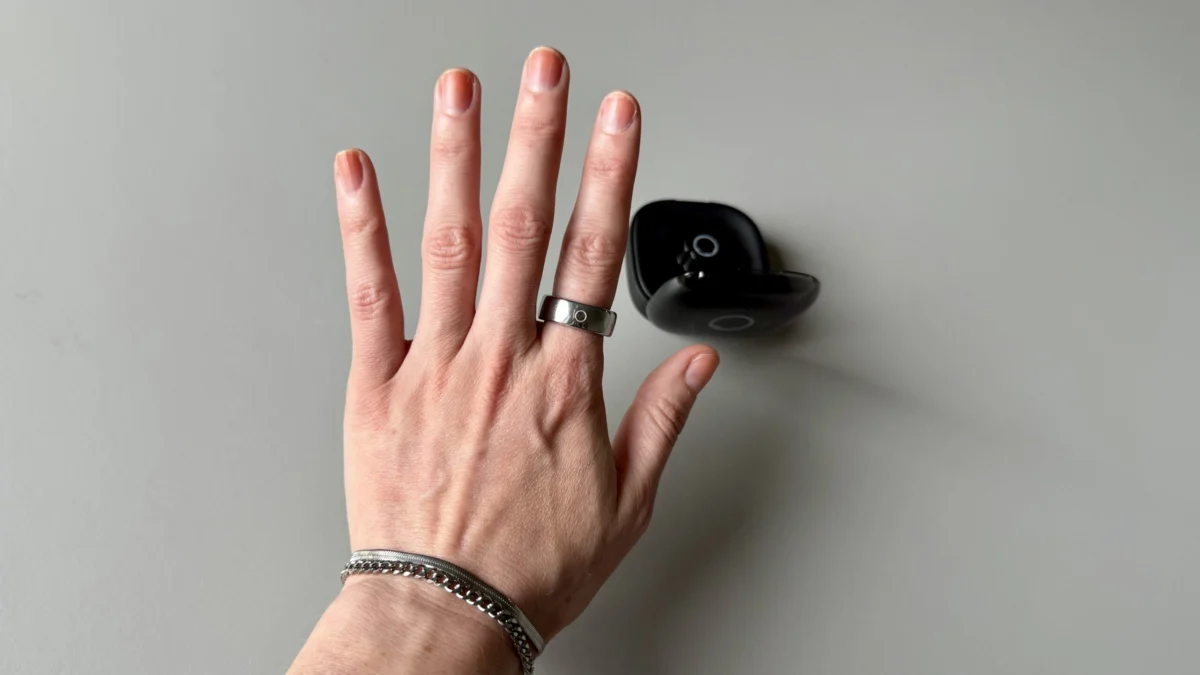
The wearable technology landscape is shifting rapidly, with the smart ring category transitioning from a niche curiosity to a mainstream health essential. Amidst heavyweights like Oura, Samsung, and RingConn, the Circular Ring 2 enters the fray as an ambitious challenger. Boasting an array of advanced biometric sensors and a subscription-free model, it promises to disrupt the status quo. However, after two weeks of rigorous, real-world testing, the narrative surrounding the Circular Ring 2 is one of significant potential hampered by inconsistent execution.
The Promise of the Circular Ring 2: Main Facts
On paper, the Circular Ring 2 is a powerhouse. It aims to pack more health-tracking capability into a compact form factor than almost any other competitor. Beyond the standard suite of step tracking, sleep analysis, and heart rate variability (HRV) monitoring, the device includes electrocardiogram (ECG) functionality and atrial fibrillation (AFib) detection.
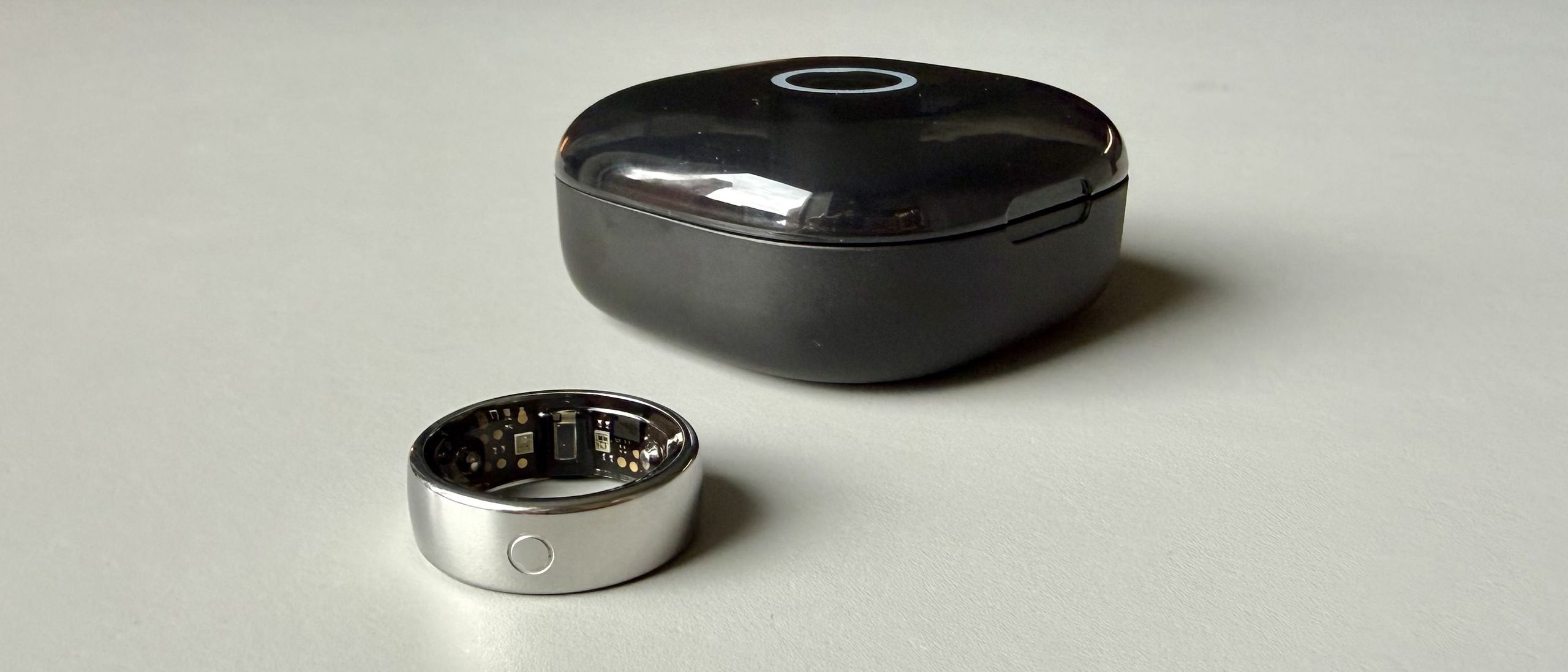
Circular has also teased future-proof capabilities, including blood pressure and blood glucose trend monitoring. These features, combined with a lightweight titanium design and a convenient clamshell charging case, position the ring as a high-tech, user-centric alternative to the industry leaders. Most importantly, the company has resisted the industry trend of locking basic health metrics behind a mandatory monthly paywall, offering a "what you see is what you get" value proposition that appeals to budget-conscious users tired of subscription fatigue.
A Brief Chronology: Evolution from Slim to 2
To understand the Circular Ring 2, one must look at its predecessor, the Circular Ring Slim. Launched in 2024, the Slim was praised for its aesthetic and size but was heavily criticized for its buggy software, unreliable syncing, and a charging mechanism that felt like an afterthought.
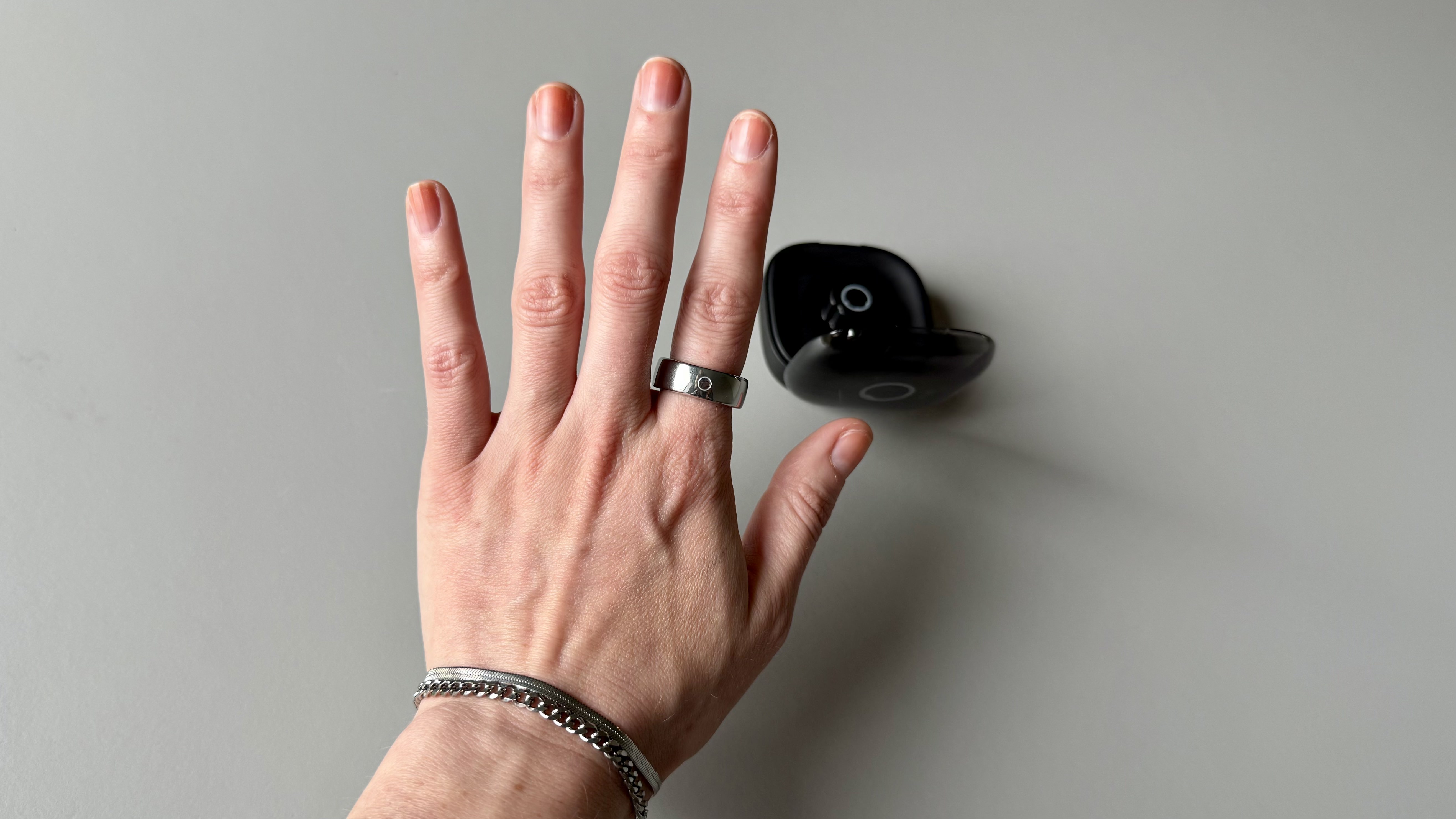
The Ring 2, which began its journey as a Kickstarter project in early 2025, represents the company’s attempt to refine these shortcomings. The rollout throughout late 2025 and early 2026 was highly anticipated, with many early adopters hoping for a more "buttoned-up" experience. While the hardware has undeniably matured—the ring is more comfortable, durable, and comes with a vastly improved charging solution—the software ecosystem has failed to evolve at the same velocity, creating a disconnect between the premium-feeling physical product and the clunky digital interface.
Supporting Data: Performance and Real-World Usage
Testing the Circular Ring 2 involves navigating a dichotomy between hardware excellence and software frustration.
Design and Ergonomics
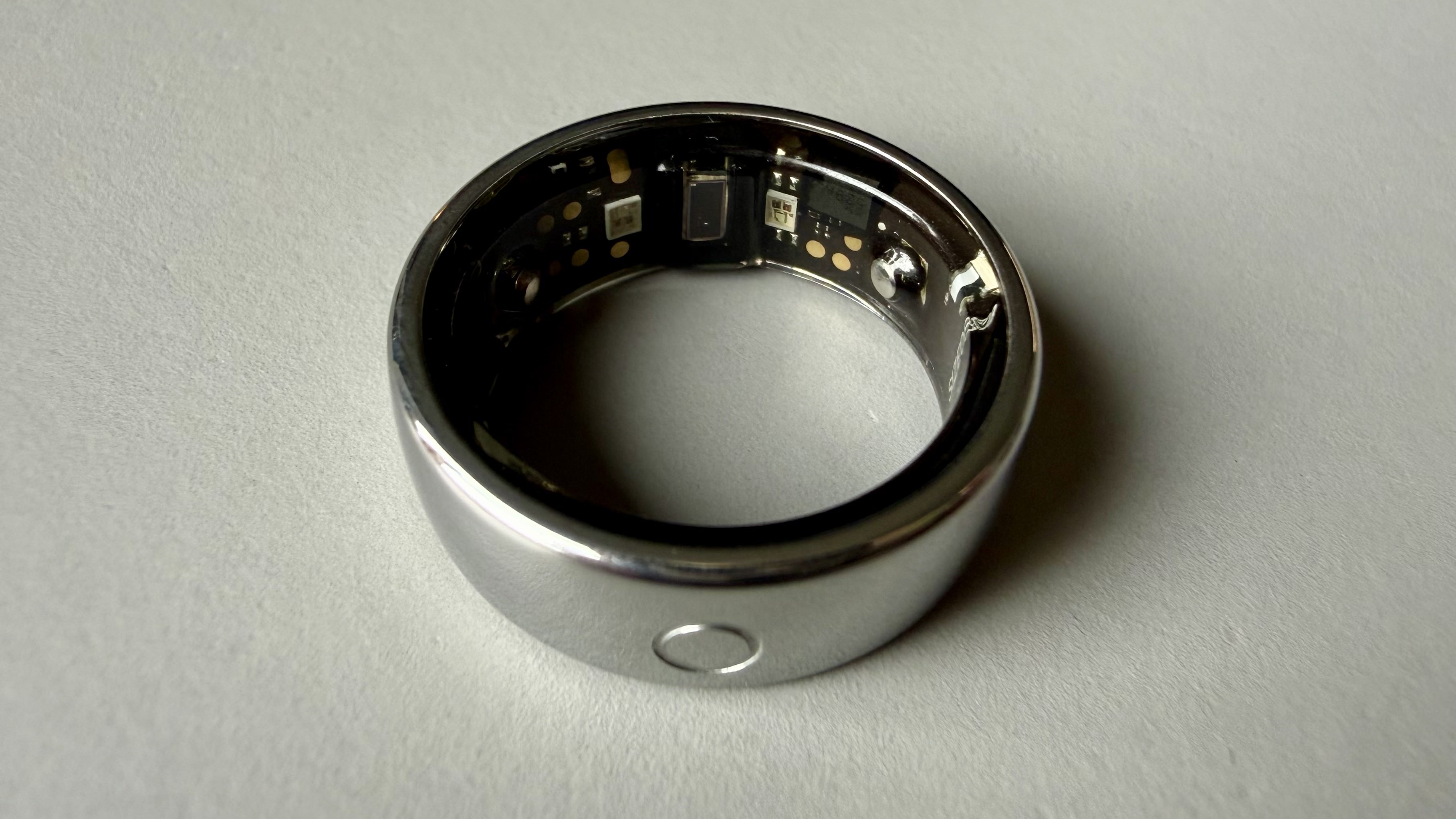
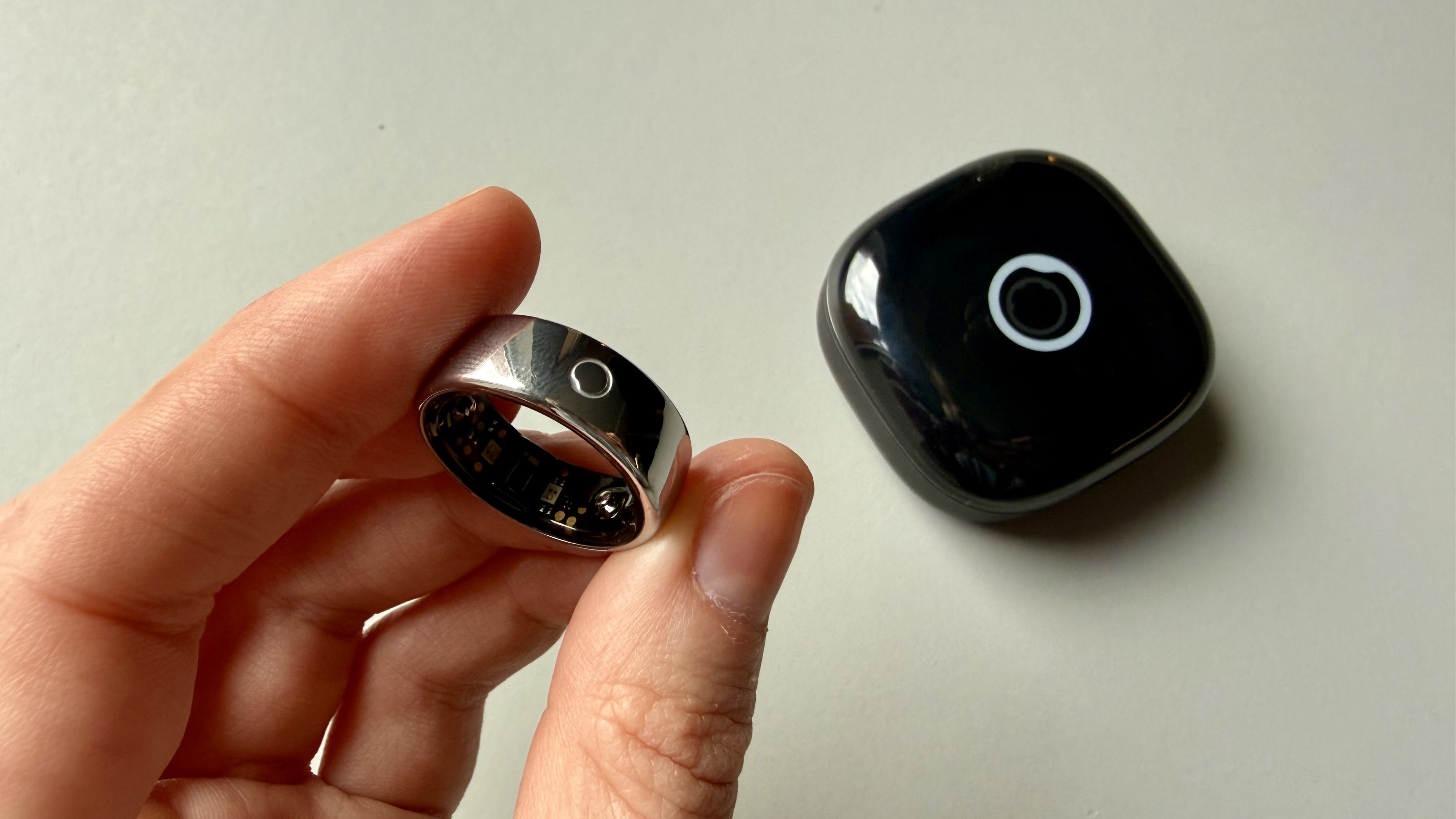
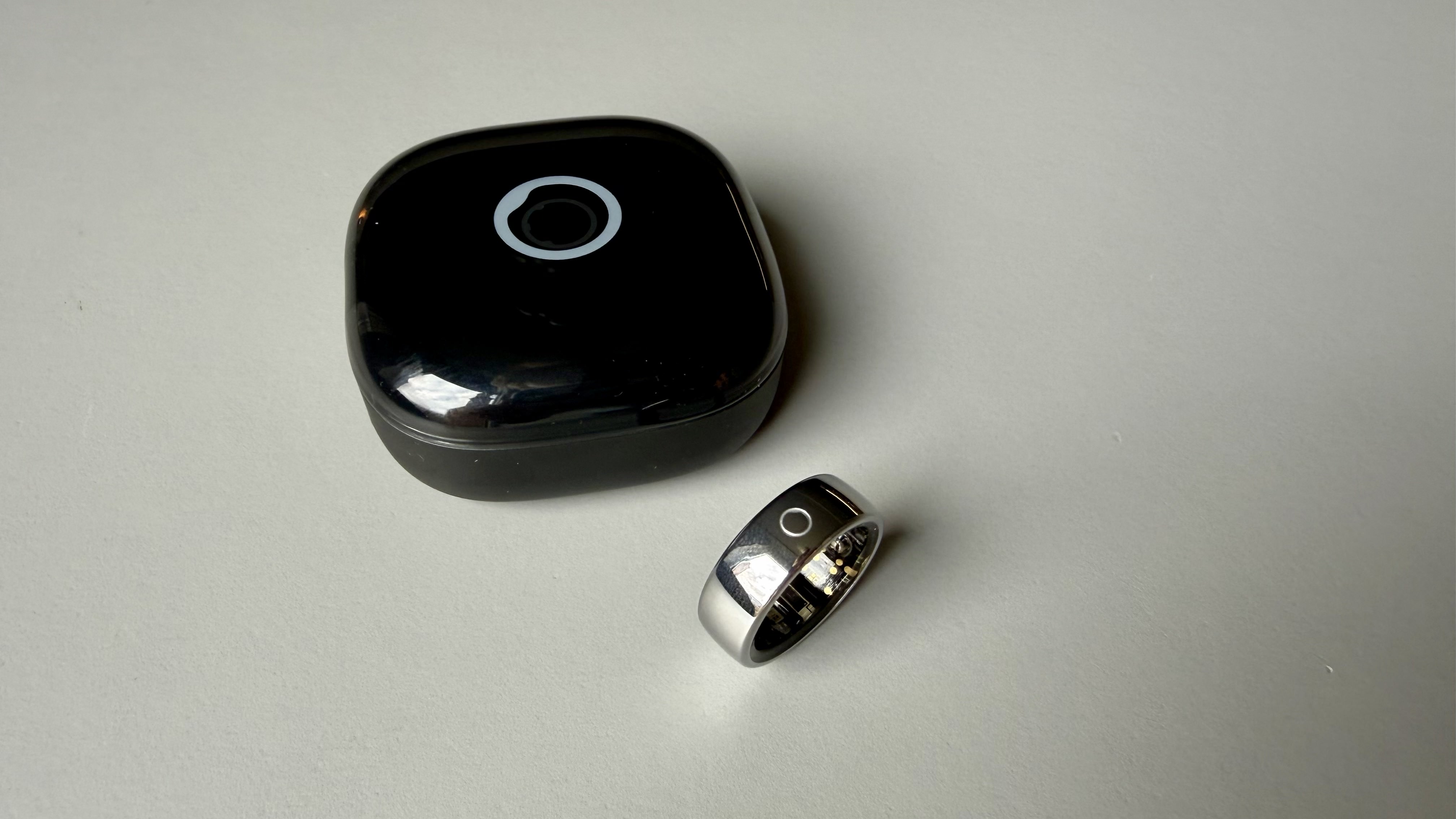
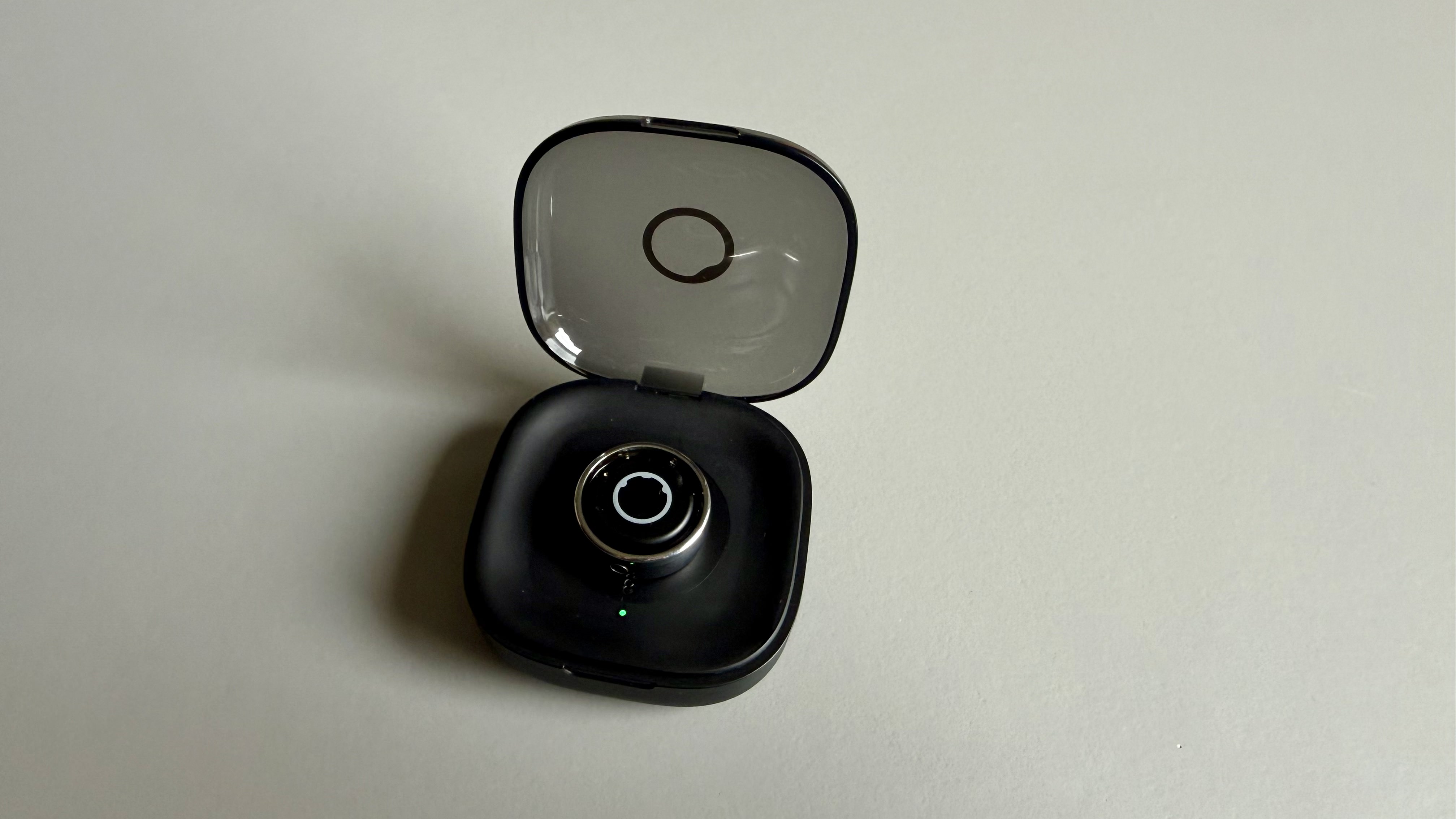
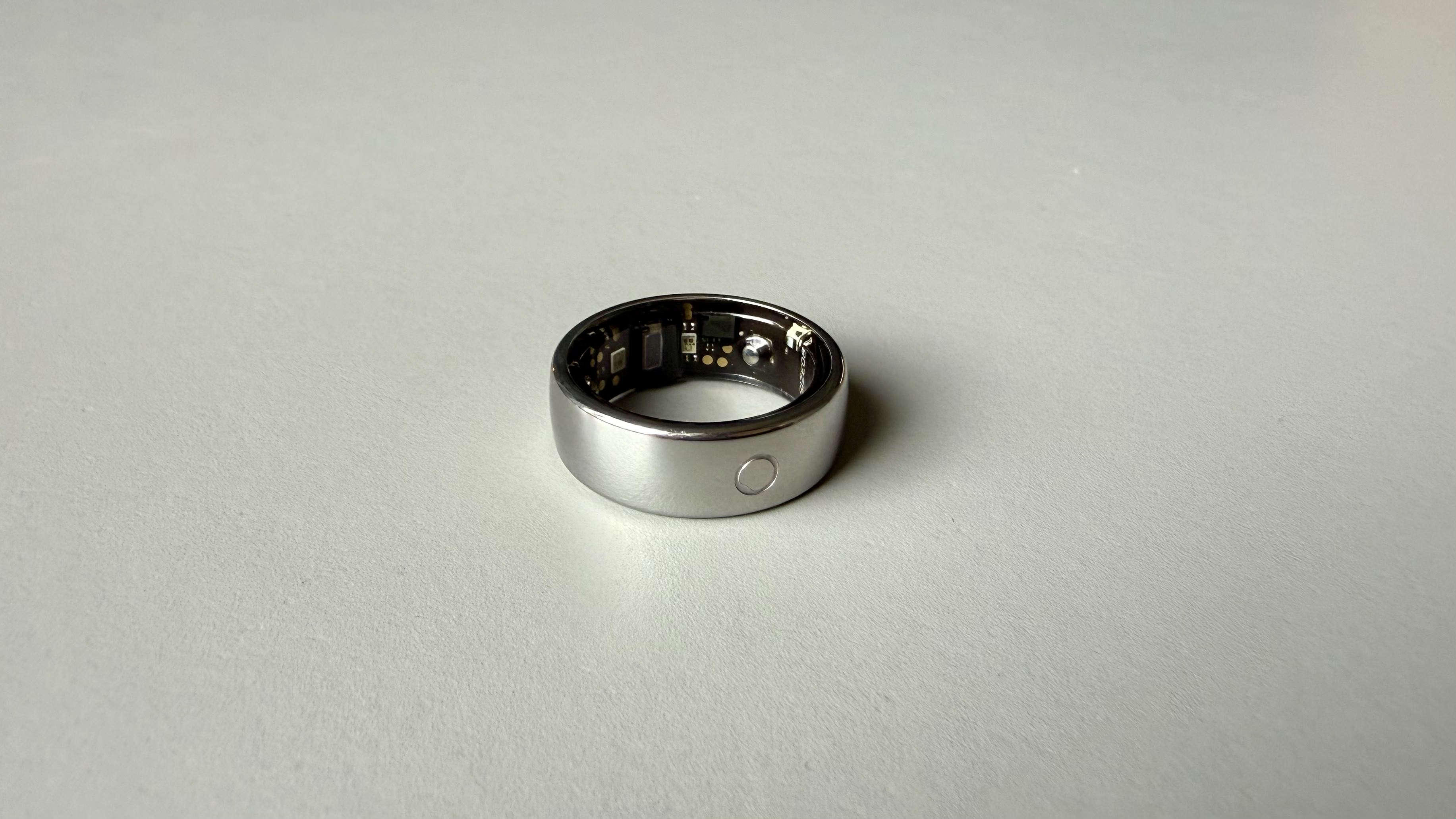
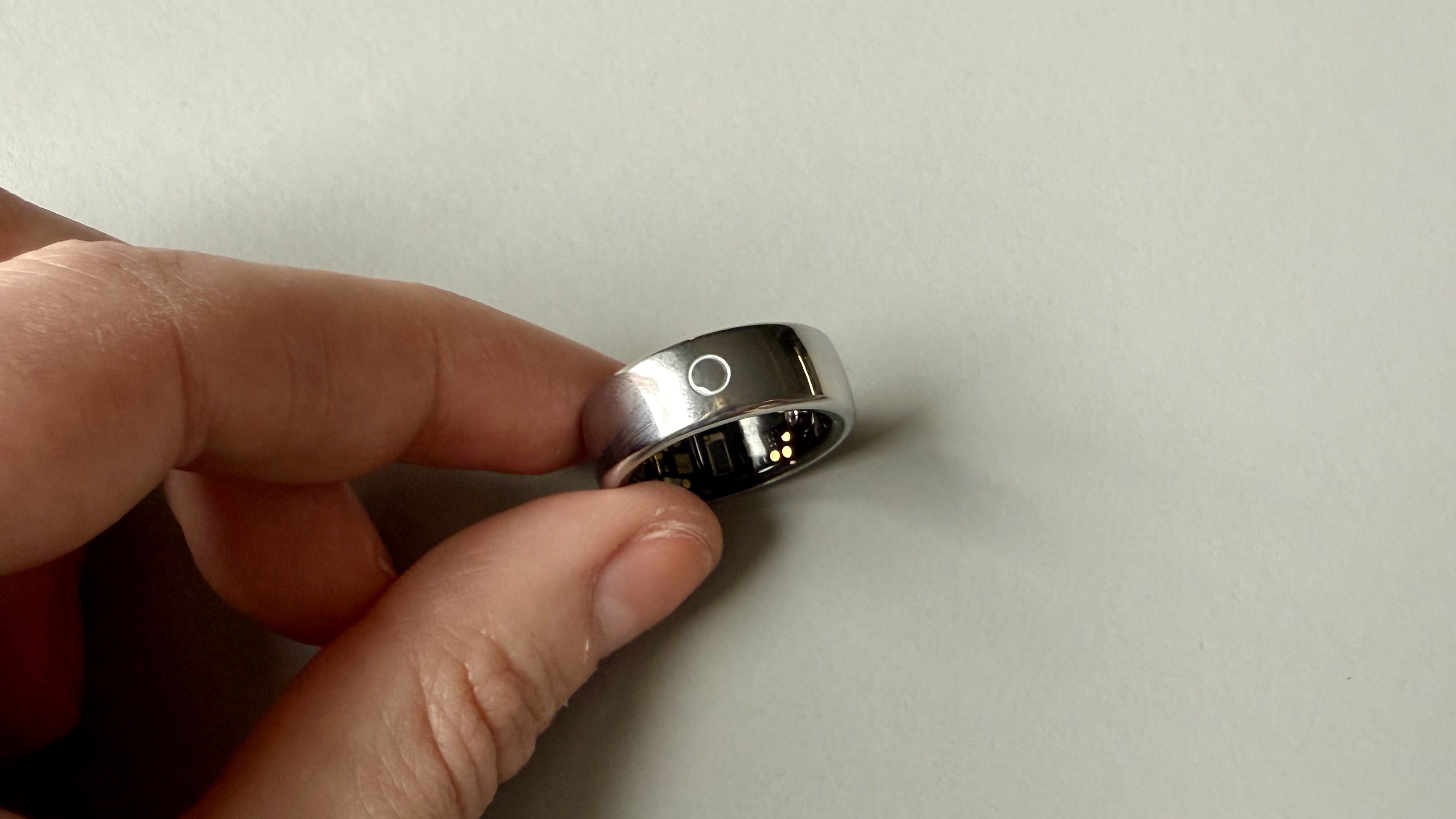
The hardware is, without question, the highlight of the package. Weighing in at a mere 3 grams and measuring 2.5mm in thickness, it is unobtrusive during daily activities and sleep. The choice of titanium with a hypoallergenic interior ensures that it is both durable and skin-friendly. The transition to a clamshell charging case is a massive victory, moving away from the cumbersome proprietary cables that plagued earlier models.
The Software Hurdle
Where the device falters is in its reliance on a companion app that lacks the polish of its rivals. In a product category where the app is the experience—since there is no screen on the ring itself—usability is paramount. Syncing data often takes minutes, and in several instances, failed entirely.
The data presentation is equally problematic. Users are greeted by a cluttered interface where information is scattered across unintuitive sub-menus. The linguistic choices within the app, such as labeling sleep as "Incorrect" or describing one’s state as "unbalanced," come across as robotic and provide little actionable guidance. Furthermore, the AI assistant, "Kira," often fails to provide meaningful synthesis, defaulting to generic advice like "stay hydrated" rather than offering the deep, personalized health insights users expect from a device at this price point.
Accuracy and Reliability
While basic metrics like steps and heart rate showed reasonable consistency, the advanced features were hit-or-miss. The ECG and AFib features frequently hung on loading screens, rendering them effectively unusable during the test period. Sleep tracking, while generally accurate for standard nights, struggled significantly with fragmented sleep, often merging periods of wakefulness into a single block of rest. Furthermore, the lack of automatic workout detection means the device is currently ill-suited for active users who don’t want to manually trigger their fitness sessions.
Market Context and Pricing
The Circular Ring 2 is priced competitively, starting at £280 / $349 / AU$497 for the black model and scaling up to £440 / $549 / AU$782 for premium finishes. When compared to the Samsung Galaxy Ring (£399 / $399 / AU$699) or the Oura Ring 4 (£349 / $349 / AU$534), the upfront cost is attractive.
However, the "subscription-free" benefit is muddied by the promise of future premium features—like blood glucose and blood pressure trends—which are slated to be locked behind a paywall or a "Circular Coin" system. As of now, the specifics of this monetization strategy remain vague, casting a shadow of uncertainty over the long-term cost of ownership.
Official Responses and Company Direction
Circular has consistently communicated that they are a "software-first" company, often promising iterative updates to improve the user experience. Their commitment to adding features like blood pressure monitoring—a notoriously difficult metric to track accurately via an optical sensor—shows a company willing to take risks. However, the recurring nature of the complaints regarding app stability suggests that their development roadmap is perhaps too focused on new features rather than the stability of the core user journey.
Implications for the Consumer
The implications for the prospective buyer are clear: the Circular Ring 2 is a device for the "early adopter" who values hardware design and wants to avoid recurring subscriptions, but who is also willing to tolerate a "beta" software experience.
If you prioritize a polished, reliable, and "set-it-and-forget-it" experience, the market currently offers better alternatives. The Oura Ring 4, despite the subscription, provides a seamless, professional-grade experience that simply feels more finished. Similarly, the RingConn Gen 2 offers a more cohesive software environment at a lower price point.
Final Verdict
The Circular Ring 2 is a testament to the fact that in the modern wearable market, a great spec sheet is only half the battle. While the hardware is arguably some of the most comfortable and aesthetically pleasing on the market, the software creates a barrier between the user and their health data.
For the Circular Ring 2 to compete with the giants of the industry, the company must pivot its focus toward refining the existing app interface, fixing the syncing issues, and ensuring that advertised features like ECG monitoring work with 100% reliability. Until these software-side "kinks" are ironed out, the Circular Ring 2 remains a promising, ambitious, but ultimately unfinished piece of technology.
Should you buy it?
- Buy if: You are an enthusiast who wants to support a challenger brand, you value a subscription-free model above all else, and you enjoy the hardware aesthetics of a slim, lightweight ring.
- Don’t buy if: You want a device that works perfectly out of the box, you rely on precise workout tracking, or you find app-based technical troubleshooting to be a dealbreaker.

 Ali Ikhwan
 Rifan Muazin