

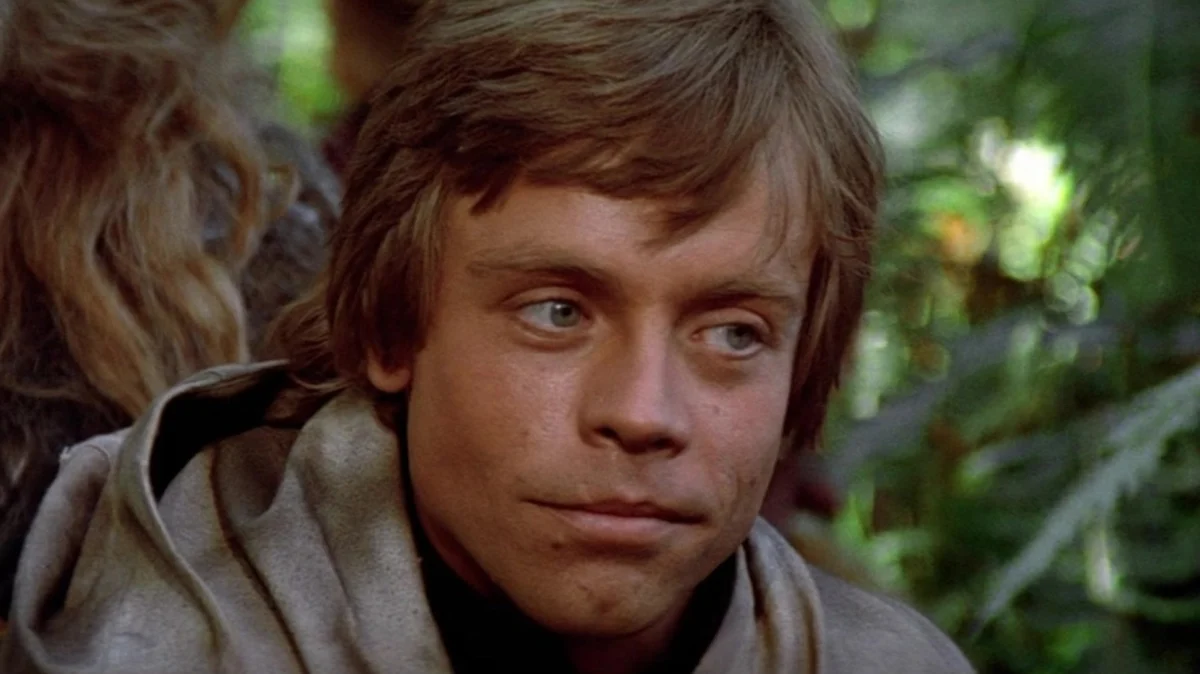
The Star Wars saga, as it exists today, is a cultural monolith. From the deserts of Tatooine to the gleaming spires of Coruscant, George Lucas’ space opera has been dissected, analyzed, and celebrated for nearly half a century. Yet, for all its permanence in the public consciousness, the franchise began as a fluid, often volatile collection of half-formed ideas. While fans are well-acquainted with the "Special Edition" edits and the lore found in J.W. Rinzler’s definitive The Making of Star Wars, the path to the final 1977 cut is littered with "what-ifs" that would have fundamentally altered the DNA of the galaxy far, far away. Among the most fascinating of these discarded concepts is the revelation that Luke Skywalker—the humble moisture farmer destined to become a Jedi—was once envisioned as a chieftain-in-waiting among the Wookiees.
The Fluidity of the First Drafts: A Different Galaxy
The evolution of Star Wars was characterized by a constant process of trial and error. Before Mark Hamill became the face of the rebellion, the character roster was significantly more alien and abstract. Early drafts featured an protagonist named Annikin Starkiller, while the suave, roguish Han Solo was originally conceived as a green-skinned, gill-bearing alien. C-3PO, now the gold-plated icon of protocol and neurosis, was initially written with the personality of a sleazy used-car salesman.
These early scripts were not just creative exercises; they were attempts by George Lucas to find the heart of a story that could balance high-stakes political conflict with mythic archetypes. As Lucas navigated this development phase, he experimented with various environments, alien species, and societal structures. One of the most prominent pillars of this early world-building was the Wookiee homeworld, a jungle planet that served as a central battlefield in early iterations of the plot.
Chronology of a Scrapped Arc: From Jungle Fighter to Royalty
In a 1977 interview with Rolling Stone, conducted by Paul Scanlon shortly after the release of A New Hope, Lucas shed light on the structural differences of his earlier scripts. According to the filmmaker, the initial narrative arc for the film’s climax was far more dependent on indigenous support than the final version suggested.
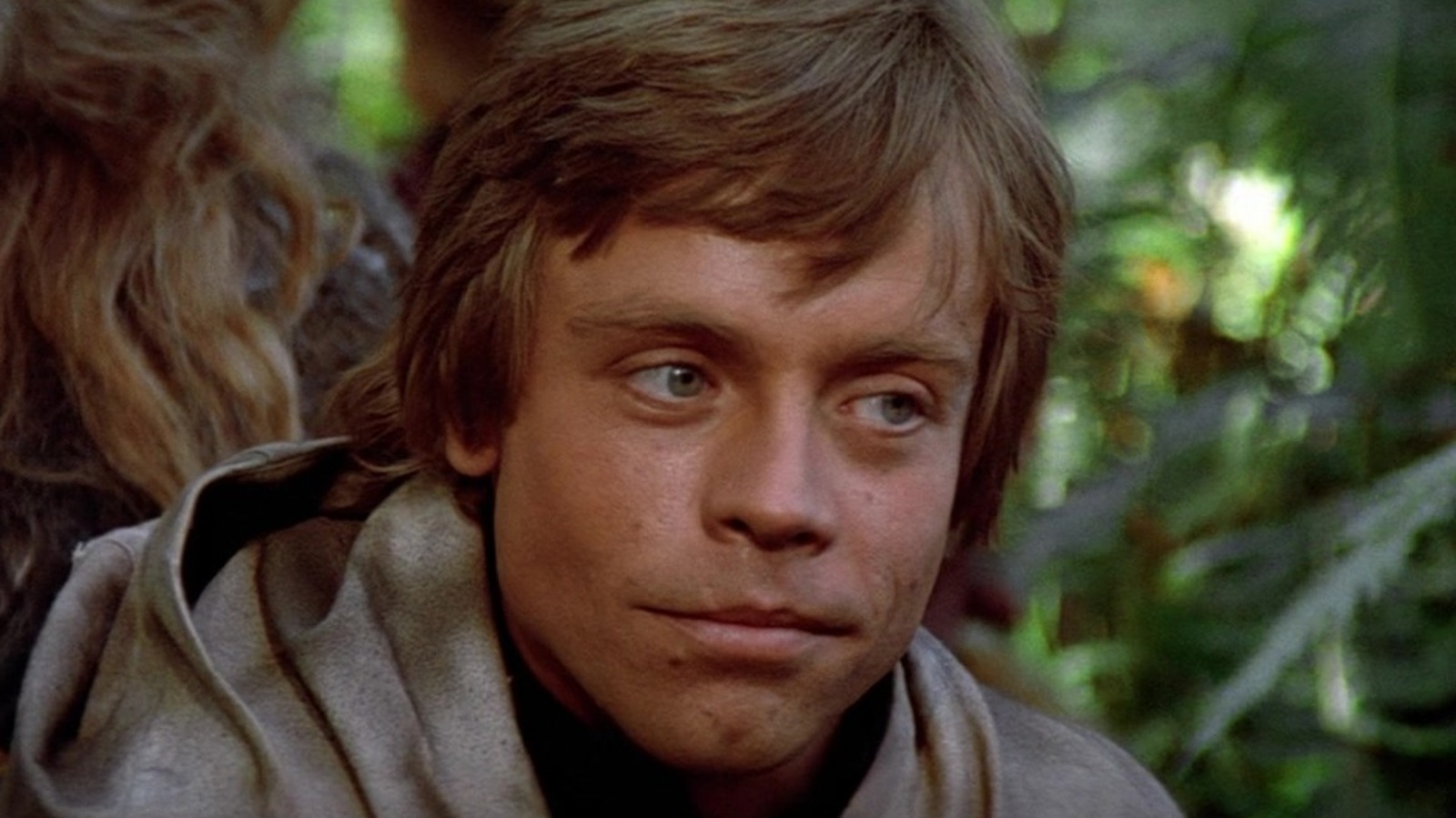
In this early iteration, Luke Skywalker finds himself stranded on a Wookiee jungle planet where the Galactic Empire has established a strategic outpost. The narrative beat involves a clash between the young hero and the leader of the local Wookiee tribe. Rather than a standard conflict, the scene was designed to be a rite of passage. After a brutal confrontation, Luke emerges victorious but chooses to spare the life of the chieftain. In a display of honor and respect, the tribe accepts Luke into their fold, designating him as the "son of the chief."
This moment of integration would have been the catalyst for the final act. Luke, now a figure of authority within the Wookiee society, would have rallied the warriors to assault the Imperial base. The scale of this sequence was intended to be massive, involving not just ground combat but a specialized training montage where Luke and his allies teach the Wookiees to pilot starfighters. In this original vision, the Wookiees—not the Rebel pilots—were the ones tasked with the daring mission to strike the Death Star.
The Evolution of the Wookiee Concept: The "Ewok" Connection
It is impossible to discuss these early Wookiee plans without addressing their thematic successor: the Ewoks of Return of the Jedi. As Lucas continued to develop the trilogy, the logistical complexity of filming a massive, fur-covered species like the Wookiees as the primary ground-level heroes proved daunting.
However, the DNA of the original Wookiee storyline survived the transition to the 1983 conclusion of the original trilogy. The "primitive tribe vs. the technological Empire" motif, the concept of a hidden jungle civilization, and even the ritualistic celebration of victory—the dancing around a massive fire—were all lifted from the original Wookiee concepts and retooled for the forest moon of Endor.
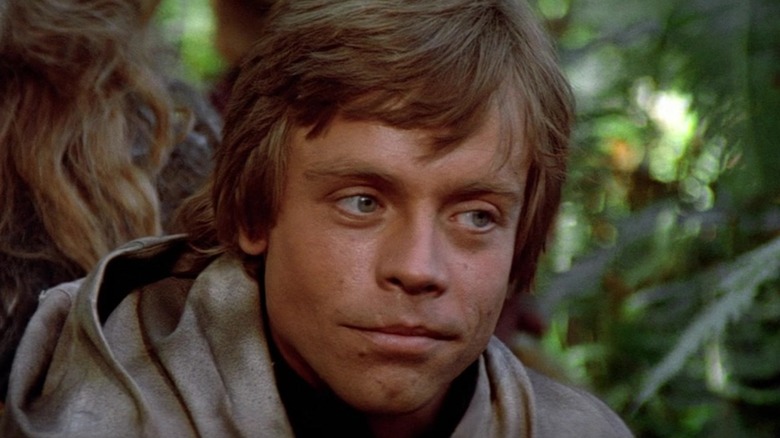
When Luke uses the Force to trick the Ewoks into believing C-3PO is a deity, he is essentially performing a more magical version of the "honorary tribe member" arc that was originally meant for the Wookiees. By the time the production of Return of the Jedi arrived, Lucas had simply traded the towering, technologically capable Wookiees for the smaller, more manageable Ewoks, maintaining the core narrative arc of "primitive indigenous forces overcoming high-tech imperial oppression."
Supporting Data: Why the Change?
Why did Lucas abandon such a high-concept plot? Several factors, ranging from budget constraints to narrative pacing, likely played a role.
- Technical Limitations: In the mid-1970s, the technology required to show Wookiees piloting advanced starfighters in a coherent, cinematic way was non-existent. While Peter Mayhew brought immense charm to Chewbacca, directing an entire army of Wookiees to act, fight, and fly was beyond the scope of ILM’s early capabilities.
- Focusing the Hero’s Journey: The final version of A New Hope prioritized the intimacy of the Rebellion’s struggle. By shifting the focus away from a massive Wookiee uprising and toward a small, rag-tag group of Rebels, the film highlighted the "underdog" status of the protagonists.
- Mythic Simplicity: The final version of the Death Star trench run is a masterclass in tension and brevity. Had the film included a subplot involving the political and social integration of a human into a Wookiee tribe, the runtime and narrative focus would have been severely diluted.
The Legacy of Kashyyyk and the "Holiday Special"
While the Wookiee-led climax was abandoned, the concept of the Wookiee homeworld, Kashyyyk, remained a point of interest for Lucas. The planet finally received significant screen time in the 1978 Star Wars Holiday Special, a production that remains a notorious oddity in pop culture history.
The Holiday Special essentially leaned into the "Wookiee society" research that Lucas had conducted, depicting the home life of Chewbacca, his wife Malla, his son Lumpy, and his father Itchy. It introduced the concept of "Life Day" and suggested a society that was far more technologically integrated than the "jungle primitive" sketches suggested. Despite the special’s infamy, it stands as a strange, unintended repository for the world-building concepts that didn’t make the final cut of the 1977 film.
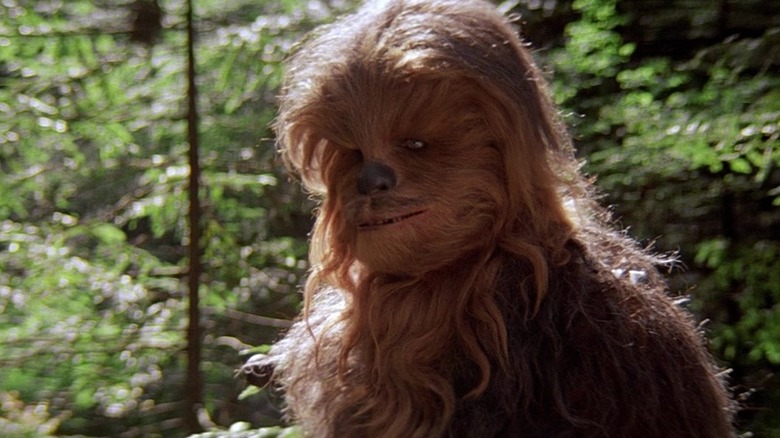
It would take until 2005’s Revenge of the Sith for audiences to finally see the lush, arboreal beauty of Kashyyyk on the big screen, featuring the Wookiees in a massive, war-torn defensive battle that, in many ways, honored the spirit of Lucas’ original 1977 vision.
Implications for Modern Storytelling
The journey of the "Wookiee Royalty" script serves as a vital lesson in the creative process of franchise filmmaking. It illustrates that "lore" is rarely a fixed entity; it is a byproduct of evolution, constraints, and the constant refinement of ideas.
For fans, these discarded drafts offer more than just trivia—they offer insight into the psyche of a creator. George Lucas wasn’t just building a world; he was testing the limits of what a myth could look like in a modern context. By stripping away the more complex, tribal, and "honorary prince" elements, he distilled Star Wars into its purest, most universal form: a battle between light and dark, where the hero’s power comes not from his status within a tribe, but from his connection to the Force.
Ultimately, while the image of a young Luke Skywalker leading a Wookiee charge against the Empire is a tantalizing "what-if," the final product proved that sometimes, the most effective path for a story is the one that leaves the most room for the audience’s imagination. We may have missed out on Luke as a Wookiee prince, but in exchange, we received a cinematic legend that allowed us to project our own hopes and dreams into the stars.










