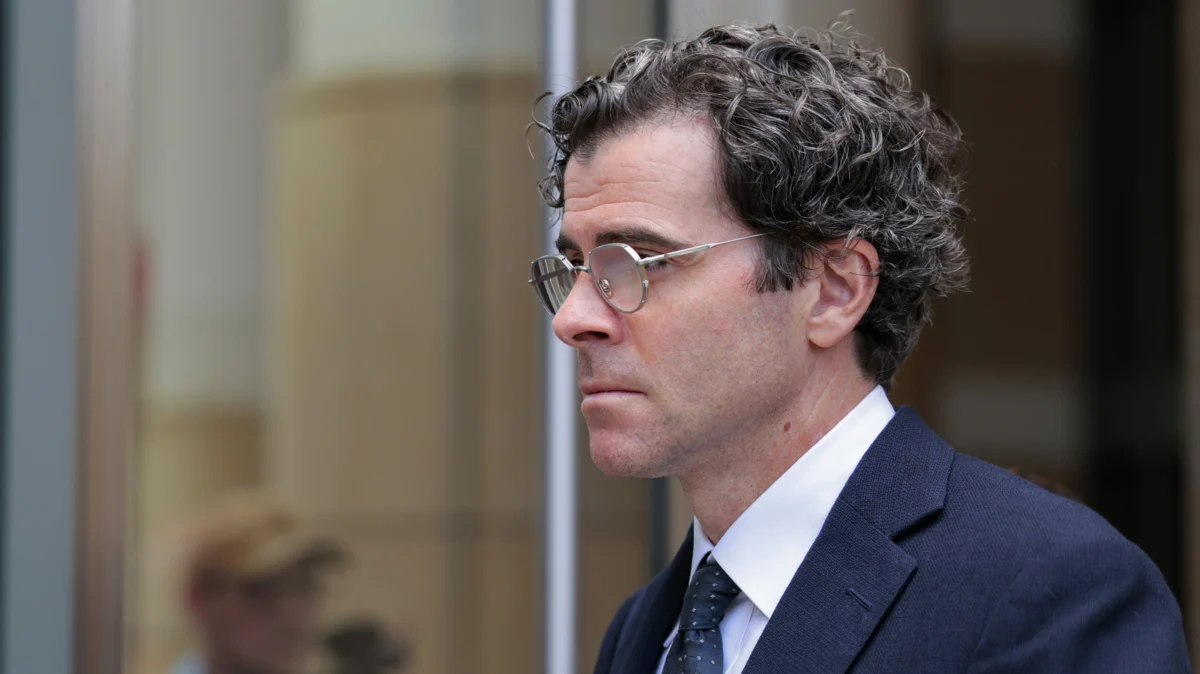
In a high-stakes legal showdown that could reshape the landscape of digital regulation, Adam Mosseri, the head of Instagram, became the first marquee executive to take the stand in Meta’s sprawling social media addiction trial. The proceedings, which involve a coalition of attorneys general from dozens of U.S. states, seek to hold the tech giant accountable for what prosecutors describe as a calculated strategy to "hook" minors on its platforms, despite internal warnings that such engagement was causing significant harm to young users.
The testimony this week has pulled back the curtain on the internal culture at Meta, revealing a tension between the company’s stated commitment to teen safety and the granular, often troubling, data produced by its own researchers.
The Core Allegations: Profit Over Protection
At the heart of the litigation is the accusation that Meta prioritized user retention and growth metrics over the mental health and safety of its youngest demographic. The attorneys general argue that the company knowingly ignored its own internal research highlighting the addictive nature of its algorithms and the prevalence of harmful content targeting teens.
The trial has been marked by a series of explosive revelations, most notably the existence of internal slide decks that appeared to contradict the public-facing narrative of a company deeply concerned with safety. The trial, which could see Meta face financial penalties totaling upwards of $1.4 trillion, represents one of the most significant challenges to the company’s business model in its history.
Chronology of a Controversy: The July 2023 Disclosure
The most damaging evidence presented thus far centers on a 2023 presentation prepared by Instagram’s design and research teams. This document was intended to provide leadership with a snapshot of the digital environment inhabited by teenage users.
- The Findings: The research indicated that content related to eating disorders, self-injury, and suicide reached a "disproportionately large" teen audience—approximately 2.5 times higher than that of the adult demographic. Furthermore, content flagged as "non-recommendable" for minors was circulating among teens at a rate 1.5 times higher than that of adults.
- The Suppression: During the testimony of Francesco Fogu, Instagram’s Director of Product Design, it was revealed that a company lawyer had intervened before the presentation reached senior management. Employees were explicitly instructed to remove these specific statistics from the formal deck to "limit" executive exposure to the data.
- The "News to Me" Defense: When confronted with these details on the stand, Adam Mosseri testified that the instruction to sanitize the report was "news to me." He claimed he had never participated in discussions regarding the moderation of his own access to safety data. "I’m not a legal expert," Mosseri stated, asserting that his understanding was that legal teams reviewed materials to ensure compliance and accuracy, rather than to obscure problematic findings.
A Disconnect in Leadership
The testimony provided by Fogu, while defending the company’s ultimate goals, highlighted a startling lack of data literacy among senior product leaders.
When questioned by Judge Yvonne Gonzalez Rogers regarding the "Take a Break" feature—a tool designed to encourage users to step away from the app—Fogu admitted he did not know the peak adoption rate of the feature. When pushed by the judge, who noted that he was the head of the department responsible for such designs, Fogu replied, "I do not create the dashboards for collecting data. I do not read data. That’s not my job. I just trust my team."
The exchange prompted a stern rebuke from Judge Rogers: "And yet, even though you have to trust them, even though you have to design things, you have no idea what those numbers are as you sit here today."
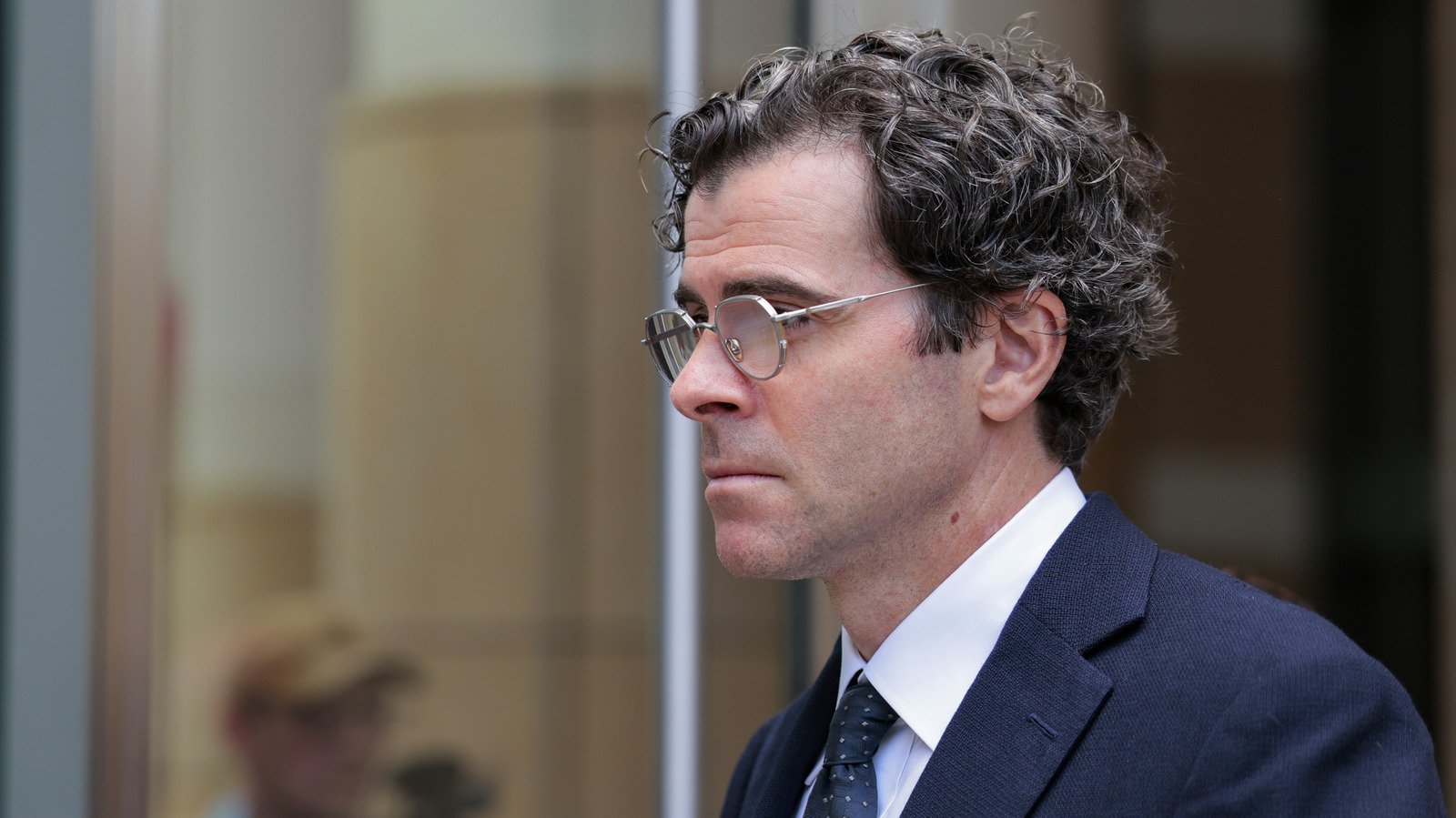
This moment crystallized the prosecution’s argument: that Meta’s leadership remains willfully detached from the empirical reality of how their products impact their users, preferring to rely on high-level narratives rather than the often-grim statistics generated by their own data scientists.
Supporting Data: The Failure of "Take a Break"
The "Take a Break" feature, launched in 2021, has become a central point of contention in the trial. It was marketed as a proactive measure to empower users, yet internal data paints a picture of a feature that failed to gain traction.
Former Meta data scientist George Volichenko testified that the adoption rate among teens was "very low and disappointing." Following its 2022 rollout, data suggested that only 0.165 percent of teens utilized the 10-minute break option, a figure that climbed to a mere 0.2 percent over time. Volichenko characterized the feature as "easy to dismiss," suggesting that for many teens, the friction of an intervention was insufficient to disrupt the dopamine-loop mechanics of the platform.
Mosseri, while acknowledging that the feature’s early performance was underwhelming, cautioned against focusing solely on the success of a single tool. He argued that the conversation should focus on broader systemic changes, such as the introduction of mandatory "teen accounts" for users under 16, which feature default time limits and more restrictive privacy settings. "There are many features that are effective, there are many features that are ineffective," Mosseri remarked, attempting to pivot the narrative toward the company’s ongoing evolution.
Implications for Meta and the Tech Industry
The implications of this trial extend far beyond the courtroom walls in California. If the court finds that Meta intentionally misled the public and regulators about the impact of its platforms, it could force a radical restructuring of how social media companies operate.
Potential Outcomes:
- Financial Penalties: The $1.4 trillion figure, while a maximum projection, signals that the states are looking for a penalty that effectively serves as a deterrent against future corporate negligence.
- Algorithmic Transparency: The trial is expected to push for greater transparency in how algorithms are designed to keep users engaged. If the court mandates that "safety-by-design" becomes a legal requirement, companies like Meta could be forced to abandon engagement-based ranking systems for minors.
- Governance Shifts: The testimony has already exposed potential cracks in how information flows from researchers to executives. Moving forward, shareholders and regulators may demand stricter internal reporting requirements, ensuring that leadership cannot claim "ignorance" when internal research points to significant harm.
Looking Ahead
The trial is far from over. With Mark Zuckerberg expected to testify, the legal team for the states is preparing to delve deeper into the decision-making processes at the highest levels of Meta. The testimony of Mosseri and Fogu has set a precedent for the weeks to come: the court is no longer interested in corporate messaging—it is demanding the raw data and the intent behind the decisions that shaped the digital lives of millions of teenagers.
As the legal proceedings continue, the central question remains: Does a platform that is designed for profit have the capacity to truly protect the children it serves? For now, the answer seems to be caught in a battle between legal defense strategies and the undeniable, often hidden, metrics of a global social media empire.