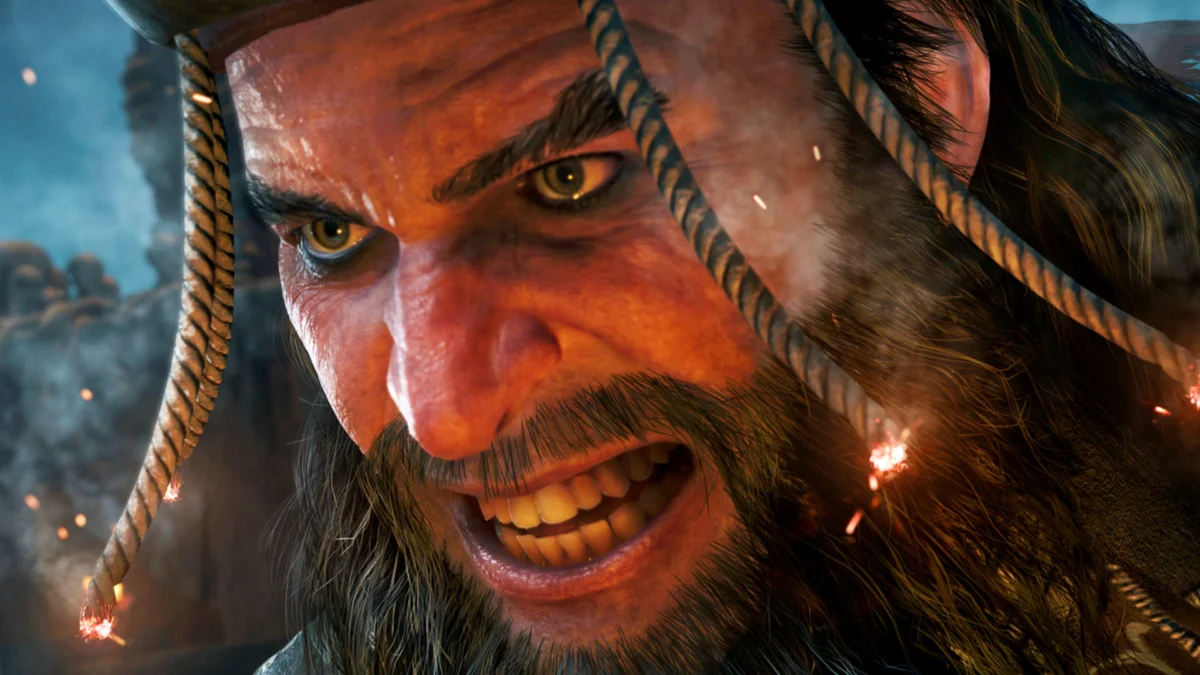
The high seas of the digital gaming landscape have rarely seen a launch as turbulent—yet commercially successful—as the recent arrival of Assassin’s Creed Black Flag Resynced. Ubisoft’s ambitious reimagining of its beloved 2013 classic, Black Flag, has officially crossed the threshold of two million copies sold in its opening 24 hours. While the commercial performance serves as a massive validation for Ubisoft’s strategy of modernizing its back catalog, the game’s reception has been far from smooth, marked by a vocal divide within the franchise’s dedicated community and a series of technical hurdles that have necessitated immediate developer intervention.
The Milestone: A Commercial Triumph Amidst Technical Friction
The sheer velocity at which Black Flag Resynced moved two million units is a testament to the enduring legacy of Edward Kenway’s journey. For many, the original Black Flag remains the zenith of the Assassin’s Creed franchise, perfectly balancing the high-stakes intrigue of the Assassin-Templar conflict with the emergent, open-world freedom of Caribbean piracy.
However, the launch of Resynced has been punctuated by the "Day One" reality that plagues modern high-budget titles. Players have reported a spectrum of issues ranging from minor localization errors and voice-over synchronization glitches to more disruptive technical bugs, such as the widely reported 30fps lock on cutscenes for PC users—a significant grievance for a title marketed on its modern, high-fidelity technical upgrades.
Chronology: From Anticipation to the "Resynced" Reality
The road to Black Flag Resynced was paved with intense speculation. When Ubisoft first teased the project, the community was caught in a tug-of-war between hope for a faithful remaster and fear of a radical departure from the source material.
- The Announcement: Ubisoft revealed the "Resynced" initiative, promising not just a graphical facelift, but a complete overhaul of the underlying engine to match the fluid movement and combat systems of more recent entries like Valhalla and Odyssey.
- The Launch Phase: Upon release, the game saw an immediate surge in player count, crashing regional store pages in some territories.
- The Backlash: Within hours, the forums and social media channels began to fill with critiques. While the visuals were largely praised, the "reinvention" of the combat system polarized long-time fans who felt the original’s weightier, more rhythmic swordplay had been sacrificed for modern flash.
- The Correction: Recognizing the frustration, Ubisoft’s production team acted swiftly, acknowledging the bugs and preparing the first wave of hotfixes. The rollout of the "Thank You" reward bundle was a calculated move to soothe tensions and retain the massive player base that had flocked to the title on day one.
Supporting Data: Community Sentiment and Technical Reality
Current data from Steam reviews reflects a complex narrative. With a 78% positive rating, the game is undoubtedly a success, but that figure is notably lower than what one might expect for a reimagining of a "classic" title.
The primary friction points identified by the community include:
- Monetization Concerns: A significant portion of the negative sentiment is directed toward the influx of day-one paid DLC. Players have expressed fatigue over what they perceive as "nickel-and-diming" for cosmetic items that were either unlockable or absent in the 2013 original.
- Gameplay Evolution: There is a clear demographic divide. Newer players, accustomed to the fast-paced, RPG-lite mechanics of the recent Assassin’s Creed titles, largely enjoy the changes. Conversely, "purists" argue that the Resynced approach strips the game of its unique identity, turning it into a "reskin" rather than a true evolution.
- Technical Debt: The 30fps cutscene bug and various localization issues have acted as the primary lightning rod for criticism. While these are common in major launches, they underscore the challenges of translating a decade-old codebase into a modern, high-performance environment.
Official Responses: Ubisoft’s Strategy of Transparency
In a statement addressing the state of the game, Producer Justin Ng emphasized that the team is "following feedback closely." The developer’s transparency has been a key factor in keeping the community engaged despite the rocky start.
"We want you to know that we hear you," Ng stated. "We appreciate every report, and our teams are already working on fixes that will be rolling out very soon."
This proactive communication strategy is clearly aimed at preventing a PR disaster. By acknowledging the localization and technical issues specifically—and attributing the identification of these bugs to the player base—Ubisoft is attempting to foster a partnership with the community. This "co-development" narrative is essential for a game that intends to have a long tail of support and content updates.
The Reward: Rebuilding Good Will
To mark the two-million-unit milestone and to express gratitude for the community’s patience regarding the day-one bugs, Ubisoft has released a special rewards bundle. This package is designed to provide immediate value to all players, regardless of their stance on the game’s design choices.

The bundle includes:
- The Crimson Storm Sails: A unique cosmetic upgrade for the Jackdaw, allowing players to distinguish their vessel on the high seas.
- 1,500 Animus Keys: A premium currency used in the game’s "Exchange" store to acquire unique items, ranging from character outfits to ship upgrades.
The distribution method—a redeemable code (ACBF-PHGN-SYBJ-RTRF)—via the Ubisoft Connect platform is a standard procedure, but the lack of a specific end date for this offer creates a "fear of missing out" (FOMO) factor that encourages players to engage with the game sooner rather than later.
Implications: What Does This Mean for the Future of the Franchise?
The success of Black Flag Resynced carries significant implications for the future of the Assassin’s Creed brand. Ubisoft is currently sitting on one of the most extensive and beloved libraries of action-adventure games in the industry. If Resynced can overcome its technical teething problems and settle into a positive long-term reputation, it effectively creates a blueprint for how the company can "re-release" its older titles for a modern audience.
However, the internal debate within the fan base—between "reinvention" and "preservation"—is not going away. The developers are now faced with a difficult balancing act: continue to update the game to satisfy the modern audience, or pivot slightly to appease those who miss the mechanical nuance of the original.
"This is only the beginning of the journey," Ng wrote in his concluding remarks. This statement suggests that Ubisoft views Black Flag Resynced not as a static product, but as a living platform. Whether this platform evolves into a long-term service model or remains a single-player experience with intermittent updates will likely depend on the next six months of development and the community’s willingness to forgive the rocky launch.
A Final Assessment of the High Seas
Assassin’s Creed Black Flag Resynced stands at a crossroads. It is a game that is undeniably fun, visually breathtaking, and commercially dominant, yet it is also a game that highlights the growing pains of bringing a legacy title into a modern, hyper-connected, and highly critical gaming ecosystem.
For the average player, the game offers a fantastic opportunity to revisit one of the best pirate experiences ever crafted, now with a fresh coat of paint and more responsive controls. For the developer, the mission is now clear: prioritize the technical fixes, maintain the current level of transparency, and decide how to balance the demands of a split audience.
If Ubisoft can navigate these waters with the same tactical precision that Edward Kenway used to navigate the Caribbean, Black Flag Resynced will likely go down as a successful, if occasionally bumpy, chapter in the Assassin’s Creed saga. For now, the sails are set, the keys are in the hands of the players, and the community waits to see if the "Resynced" journey will lead to smooth sailing or further storms ahead.
Players are encouraged to remain active on the official forums and to continue submitting bug reports, as the developers have signaled that they are listening. As the industry watches on, the lesson remains clear: even the most iconic ships need a steady hand on the rudder when the winds of public opinion begin to shift. For those yet to redeem their rewards, the Ubisoft Connect portal remains the place to claim the Crimson Storm sails and Animus keys, ensuring that your vessel is ready for whatever challenges the coming updates may bring.