


As the days stretch long in Tokyo, hazy and thick with the heavy humidity of the Kanto summer, the city’s frantic pace often demands a momentary pause. For those looking to finally fulfill that New Year’s resolution—reading more and scrolling less—the season offers the perfect excuse to retreat. Whether you are lounging on the sun-drenched sands of Enoshima, finding respite on a picnic blanket at Shiba Park, or enjoying the air-conditioned sanctuary of your own home, the world of translated Japanese literature offers an unparalleled escape.
From the "healing fiction" that has captured the global imagination to the sharp, cerebral puzzle-boxes of the mystery genre, here is a curated selection of works that define the depth and breadth of Japanese letters.
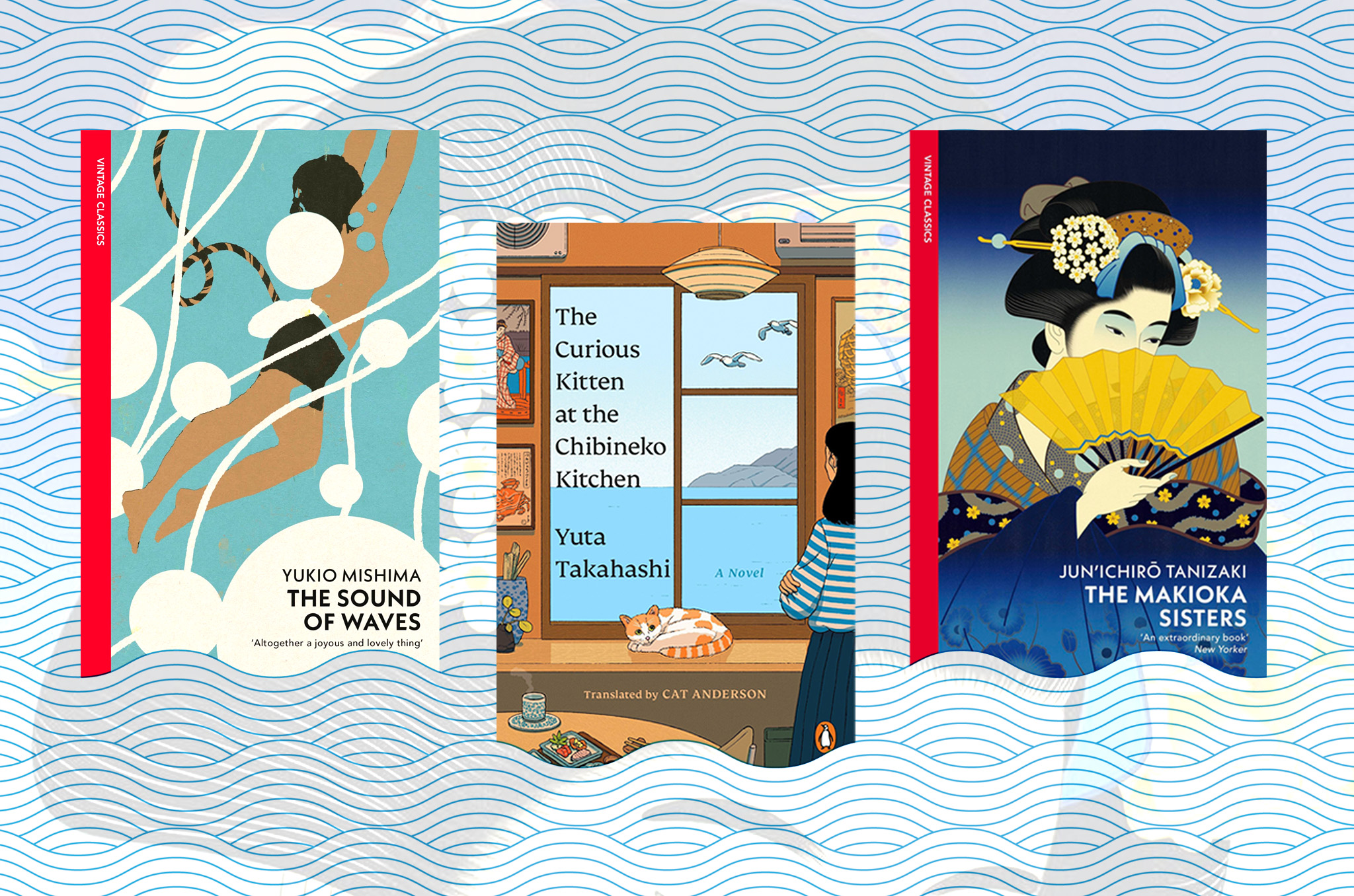
Main Facts: A Literary Snapshot
The current landscape of translated Japanese fiction is defined by two primary movements: the rise of iyashikei (healing) literature—which emphasizes comfort, emotional resonance, and the small, human connections found in daily life—and the enduring global prestige of Japanese mystery and speculative fiction.
While classics like Junichiro Tanizaki’s The Makioka Sisters remain foundational, contemporary authors like Sonoko Machida and Yuta Takahashi are finding massive international audiences by exploring the "lonely outsider" trope. This shift reflects a post-pandemic hunger for stories that prioritize empathy and the "makeshift family" over traditional narratives of success.

Chronological Evolution of Translated Japanese Hits
The books selected here span nearly a century, illustrating how Japanese storytelling has evolved from the pastoral traditions of the post-war era to the surreal, introspective works of the modern day.
- 1954: Yukio Mishima publishes The Sound of Waves, a gentle, classical coming-of-age tale that pivoted away from his later, more provocative works.
- 1988: Yukito Ayatsuji releases The Mill House Murders, a cornerstone of the "New Orthodox" mystery movement that would eventually see a massive English-language surge in 2023.
- 1993: Haruki Murakami’s The Elephant Vanishes brings his signature surrealism to an English-speaking audience, cementing his status as a global literary icon.
- 1948 (Published): Tanizaki’s The Makioka Sisters marks the pinnacle of 20th-century Japanese realism.
- 2020–Present: The surge of "healing" series, including Yuta Takahashi’s Chibineko Kitchen, dominates the current market.
Supporting Data: The "Healing" Phenomenon
According to industry reports from major international publishers, books categorized under "translated Japanese fiction" have seen a 30% increase in sales over the last five years. Data suggests that readers are increasingly gravitating toward shorter, more digestible narratives—hence the popularity of short story collections like Murakami’s and the episodic, "cozy" nature of works by authors like Sonoko Machida and Hiro Arikawa.

The Curated List
1. The Convenience Store by the Sea by Sonoko Machida (Trans. Bruno Navasky)
Set in the coastal town of Mojiko, this novel centers on a 24-hour convenience store called "Tenderness." The shop serves as an anchor for a diverse cast, from manga-drawing clerks to couples navigating the complexities of retirement. Machida, a winner of the Japan Booksellers’ Award, excels at crafting makeshift families. While some critics argue it verges on the "saccharine," its core message—that the mundane spaces we inhabit are the foundations of community—is profoundly relevant.
2. The Sound of Waves by Yukio Mishima (Trans. Meredith Weatherby)
Inspired by the Greek pastoral Daphnis and Chloe, this novel follows the innocent romance between a young fisherman and a pearl diver on the idyllic Uta-jima. It is a work of rhythmic, sensuous prose that highlights the sea as both a livelihood and a character. It remains one of Mishima’s most accessible works, devoid of the political darkness that characterized his later life.
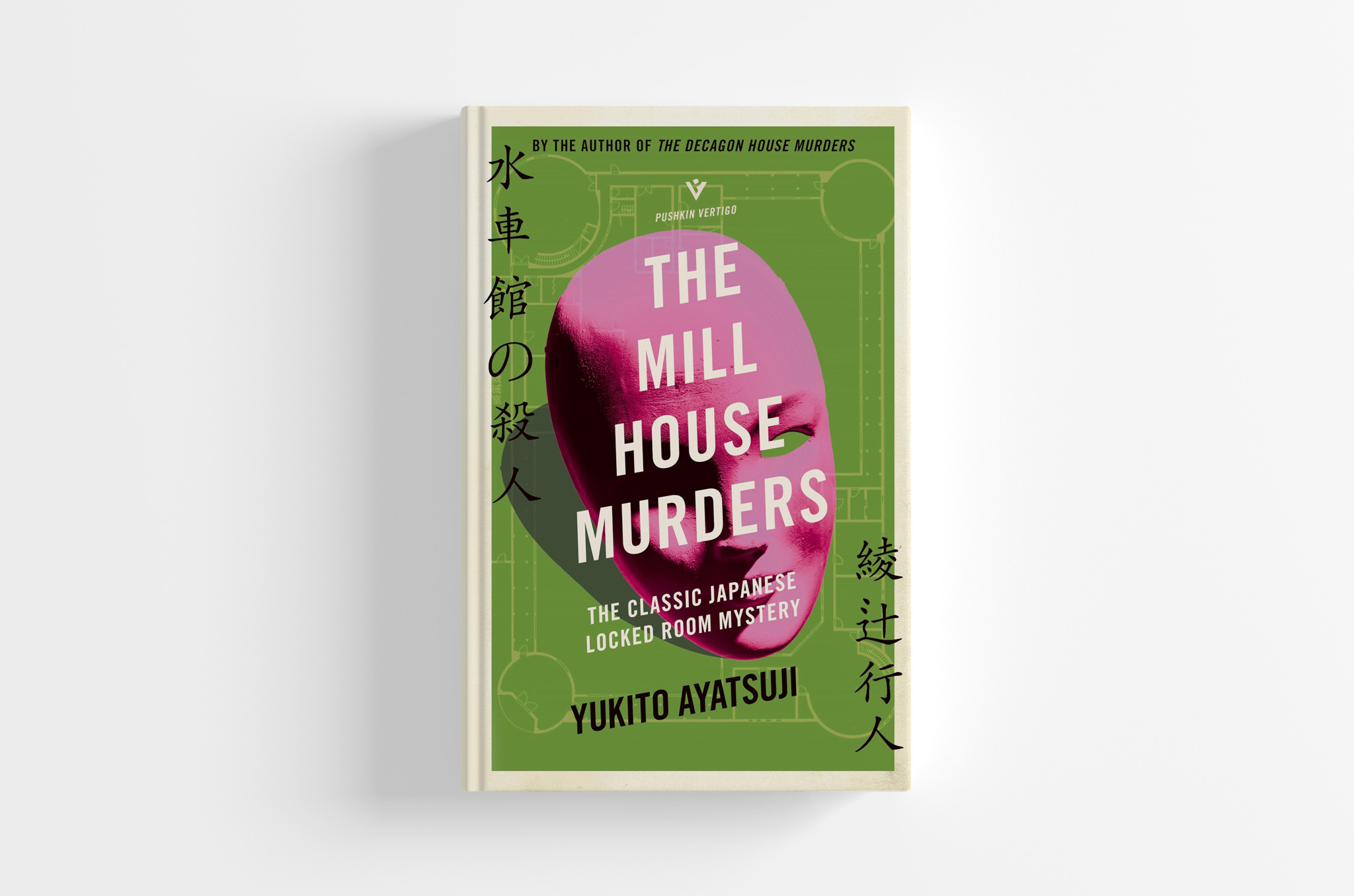
3. The Mill House Murders by Yukito Ayatsuji (Trans. Ho-Ling Wong)
Ayatsuji is the master of the "fair play" puzzle mystery. In this locked-room thriller, a group of art enthusiasts visits a remote, castle-like house, only for a murder to occur. The novel is a masterclass in structure, relying on intricate floor plans and precise timing. It is a testament to the revival of the classic "Golden Age" detective trope within a Japanese context.
4. Manazuru by Hiromi Kawakami (Trans. Michael Emmerich)
Kawakami, known for Strange Weather in Tokyo, takes a darker, dreamier turn here. The story follows a woman haunted by the disappearance of her husband, whose journey to the town of Manazuru causes her to blur the lines between memory and reality. It is a haunting, hypnotic read that demands the reader’s full attention.

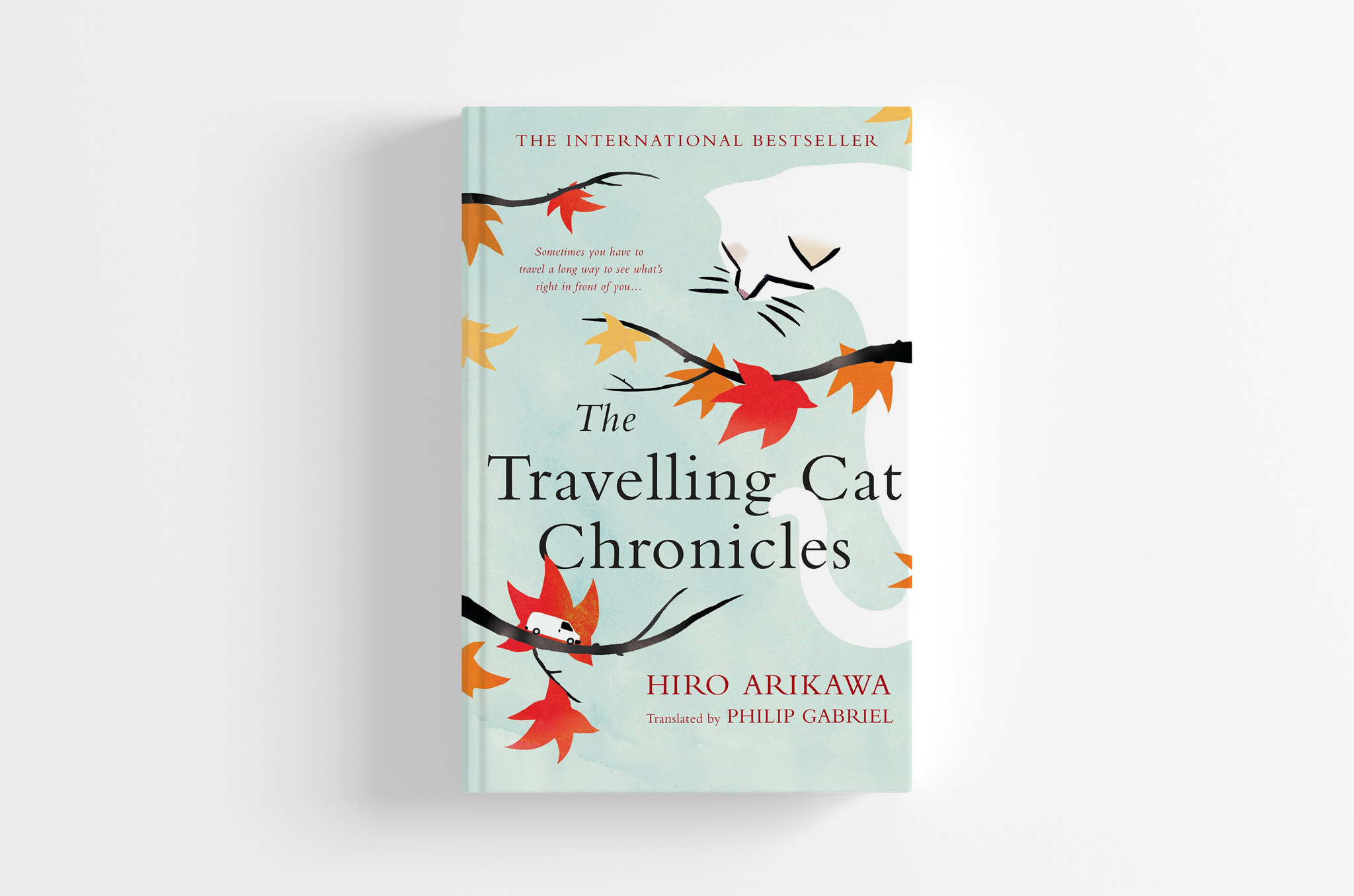
5. The Travelling Cat Chronicles by Hiro Arikawa (Trans. Philip Gabriel)
Narrated by a cynical, proud cat named Nana, this story of a road trip across Japan is an expert tear-jerker. It explores loyalty, grief, and the transition from life to whatever comes next, all through the eyes of an animal observing the baffling habits of humans.
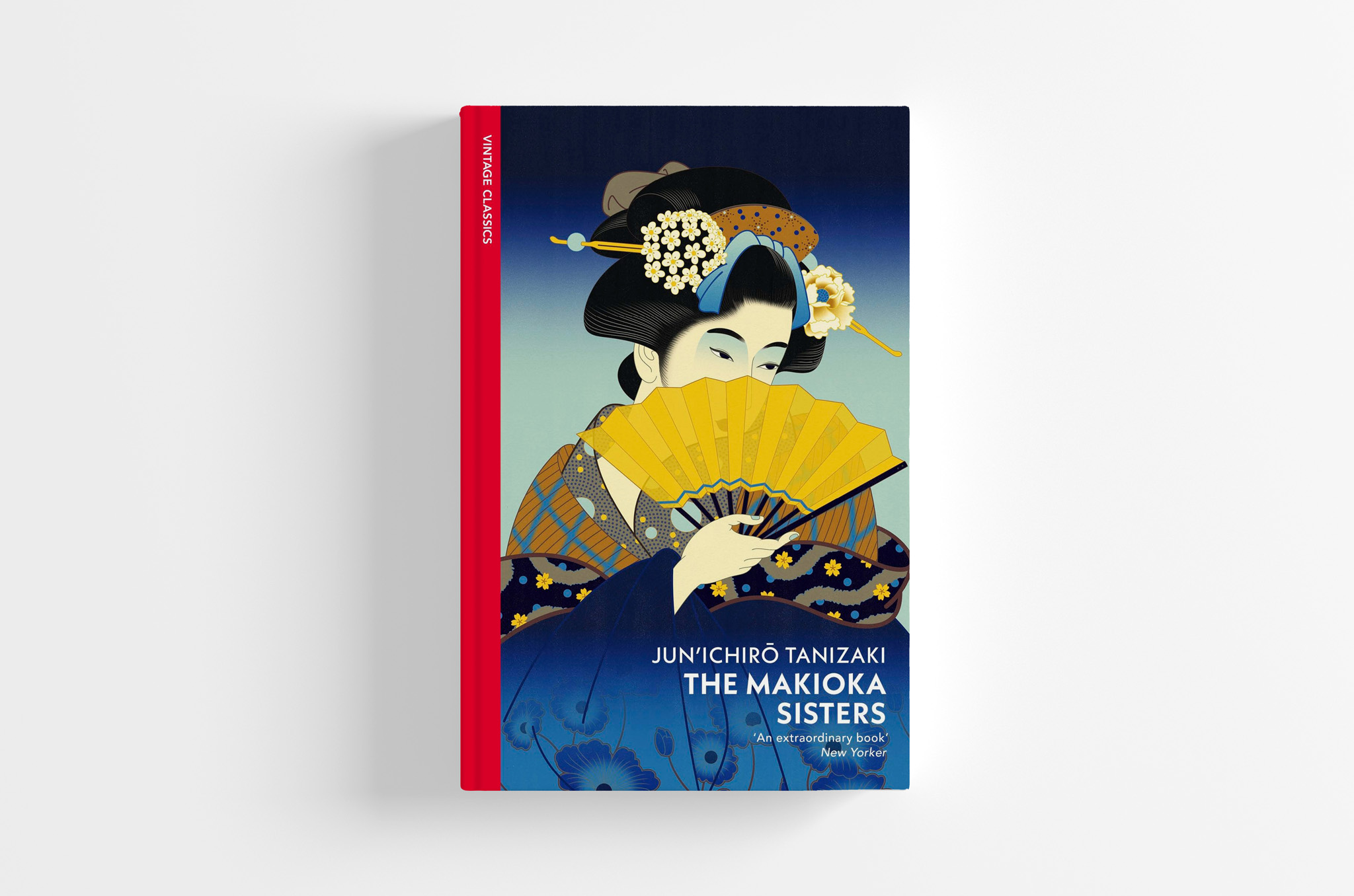
6. The Makioka Sisters by Junichiro Tanizaki (Trans. Edward G. Seidensticker)
Often cited as the finest Japanese novel of the 20th century, this is a multi-generational epic about an Osaka merchant family. It is a slow, lush, and deeply moving study of a world on the brink of change. For the reader with a long, lazy summer ahead, there is no more rewarding challenge.
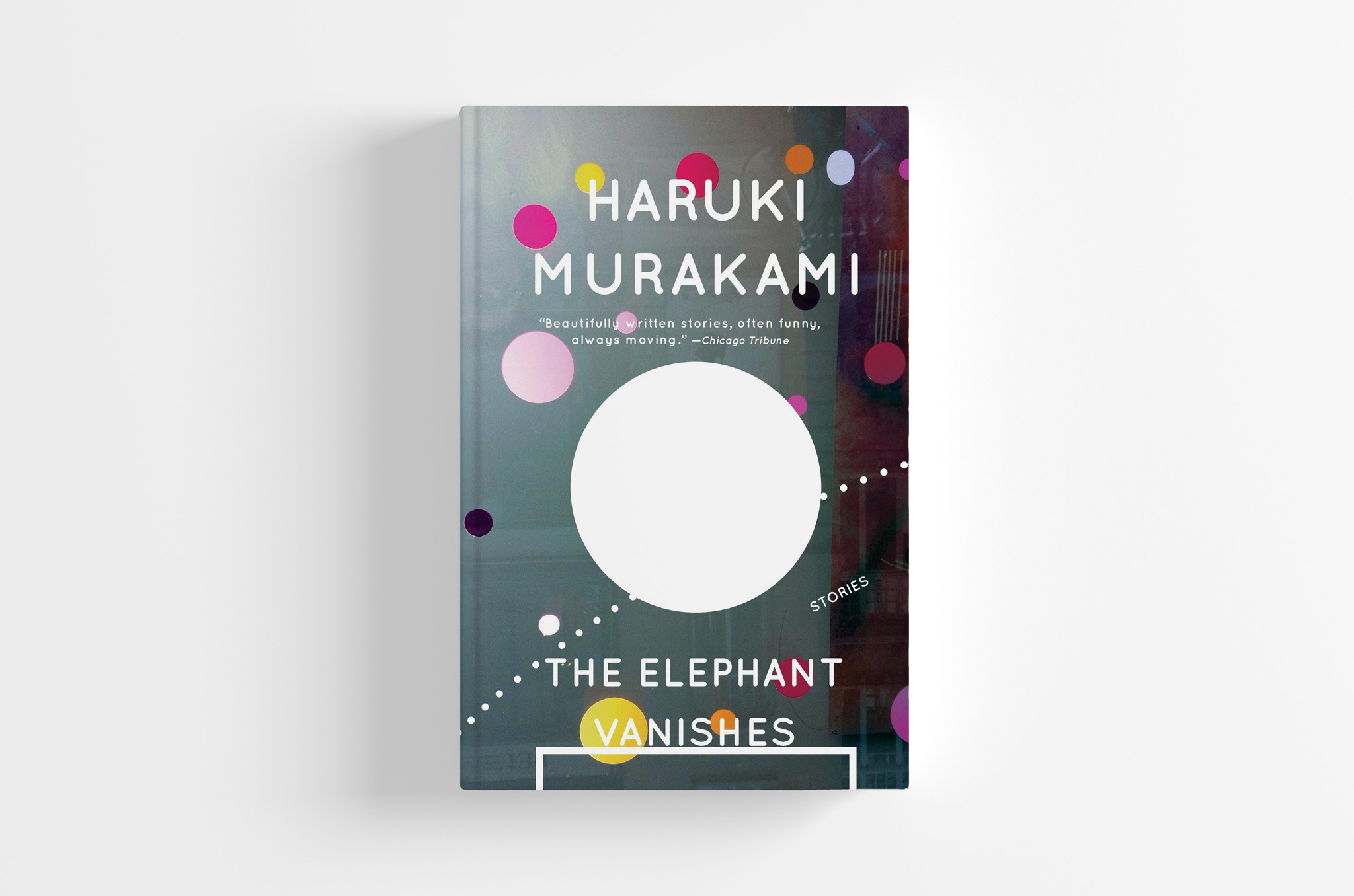
7. The Elephant Vanishes by Haruki Murakami (Trans. Alfred Birnbaum & Jay Rubin)
For those hesitant to dive into a 500-page novel, Murakami’s short stories are the ideal entry point. Whether it is a man obsessed with a missing elephant or a couple raiding a McDonald’s, these stories capture the "surrealist ruptures" of modern life.
8. The Devotion of Suspect X by Keigo Higashino (Trans. Alexander O. Smith)
This "howcatchem" mystery flips the script: the reader knows the killer from the first page, and the tension lies entirely in the brilliance of the alibi. It is a high-stakes chess match between two geniuses and remains a landmark in crime fiction.
9. The Curious Kitten at the Chibineko Kitchen by Yuta Takahashi (Trans. Cat Anderson)
A prime example of modern healing fiction, this series focuses on a restaurant that serves "remembrance meals" to the grieving. It is a comforting, bittersweet exploration of loss that feels like a warm embrace.
10. Every Day a Good Day by Noriko Morishita (Trans. Eleanor Goldsmith)
This memoir on the Japanese tea ceremony is the perfect companion for quiet contemplation. Morishita traces 25 years of learning, showing that true wisdom—and happiness—is often found in the most repetitive of rituals.
Implications: The Future of Translated Literature
The popularity of these works has deep implications for the publishing industry. We are seeing a shift away from "big, loud" narratives toward stories that are character-driven, introspective, and culturally specific. Readers in the West are no longer looking for exoticized versions of Japan; they are looking for universal human experiences translated through a Japanese lens—grief, the comfort of routine, the persistence of memory, and the search for connection in an increasingly isolated world.
As these authors continue to find success, it is clear that the "translated" label is becoming less of a barrier and more of a hallmark of quality. Whether it is the quiet ritual of a tea ceremony or the high-tension logic of a locked-room mystery, these books prove that the best stories are those that bridge the gap between our own experiences and the wider world.











