Pevita Pearce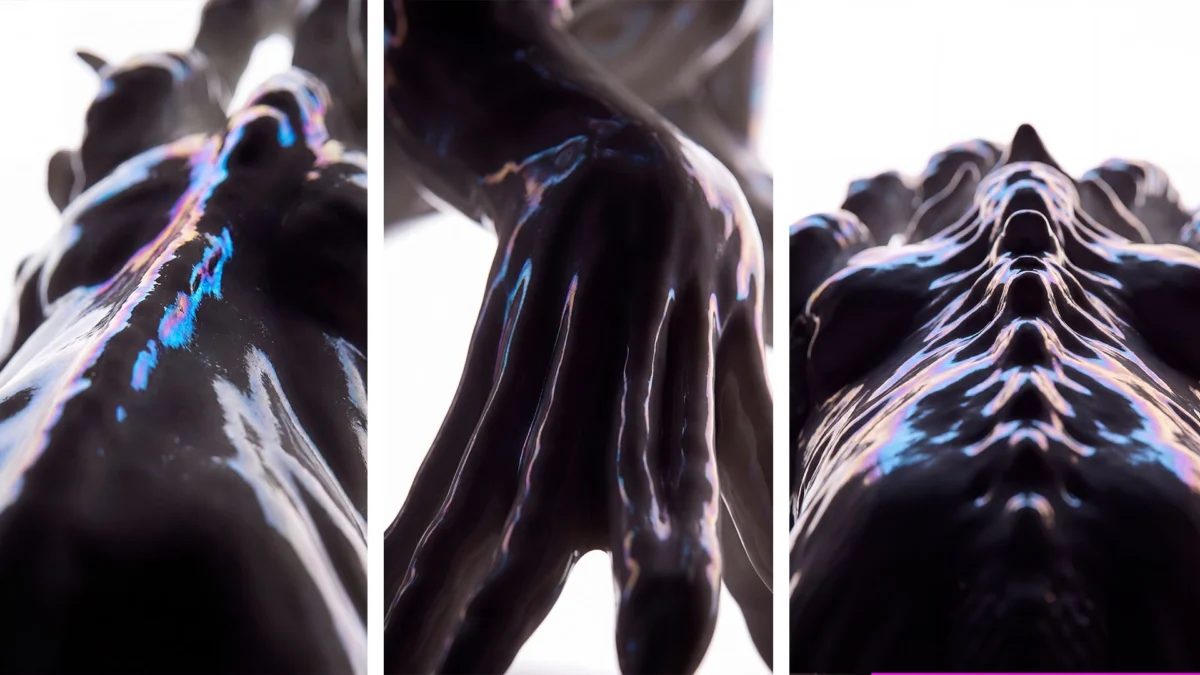
By 2026, the landscape of digital creativity has undergone a profound, often unsettling, transformation. What was once heralded as a "democratizing tool" for artists has, in many corners of the internet, devolved into a deluge of what the creative community derisively calls "AI slop." This term, now ubiquitous in design circles, refers to the mass-produced, derivative, and often uncanny imagery generated by AI models that lack the intentionality, soul, and technical rigor of human-crafted art.
As major corporations like Coca-Cola lean into AI-generated campaigns and local businesses attempt to market art classes with incoherent, hallucinated flyers, the backlash is mounting. Consumers are increasingly wary of the "uncanny valley" effect, with reports suggesting that AI-generated food imagery is actively deterring diners from restaurants. In this climate of aesthetic fatigue, one London-based creative studio, Electric Dreama, has taken a radical, performative stand. They have created a monster—literally—to serve as a permanent, visceral reminder of why the industry must return to human-first principles.
The Genesis of CH(AI)MERA: A Vow in Digital Stone
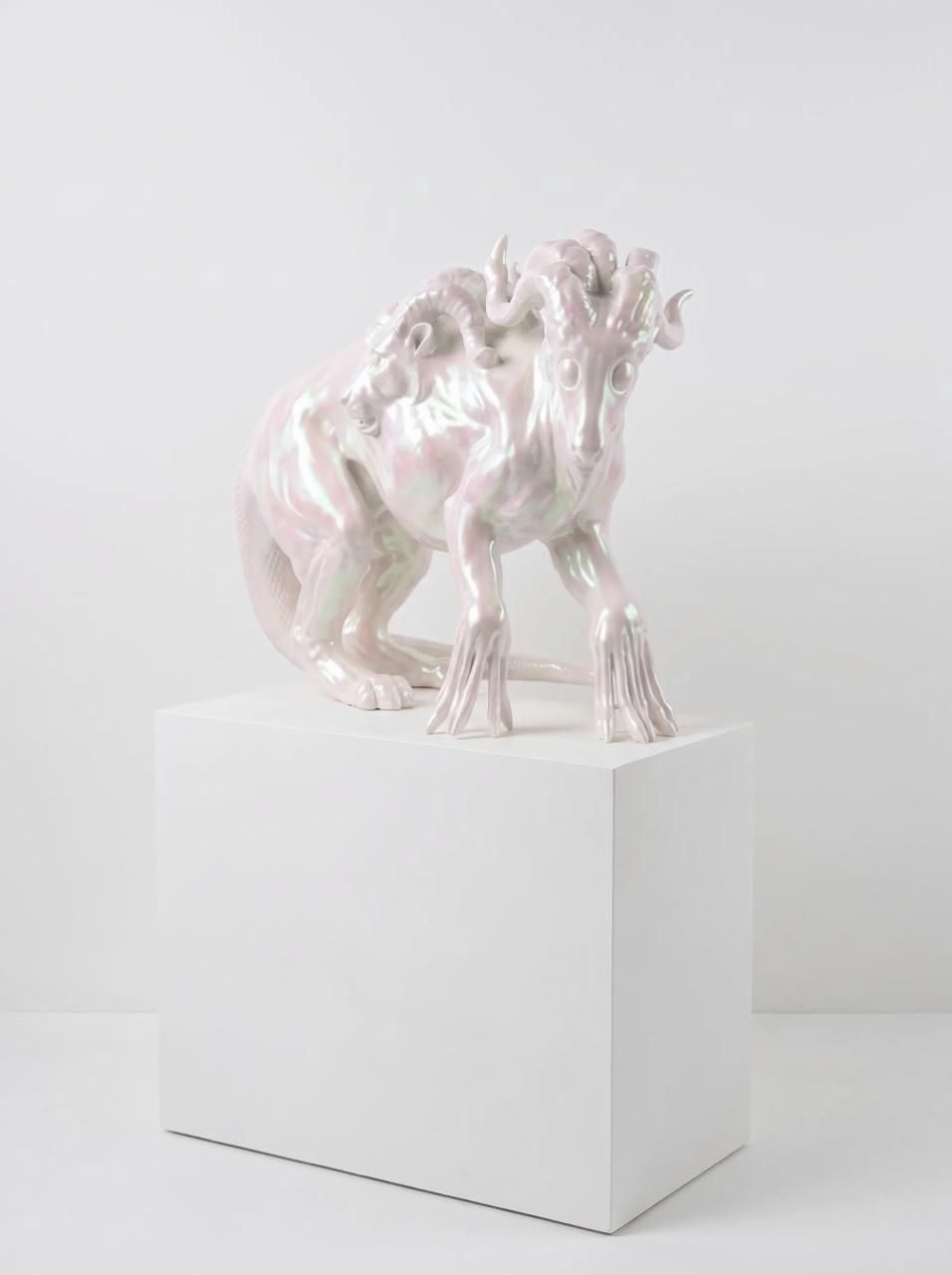
Electric Dreama Studios, a boutique VFX and digital production firm, is preparing to unveil its latest installation at the upcoming British Art Fair at London’s Saatchi Gallery. The piece, titled CH(AI)MERA, is a grotesque, 3D-sculpted manifestation of everything wrong with the current trajectory of generative AI.
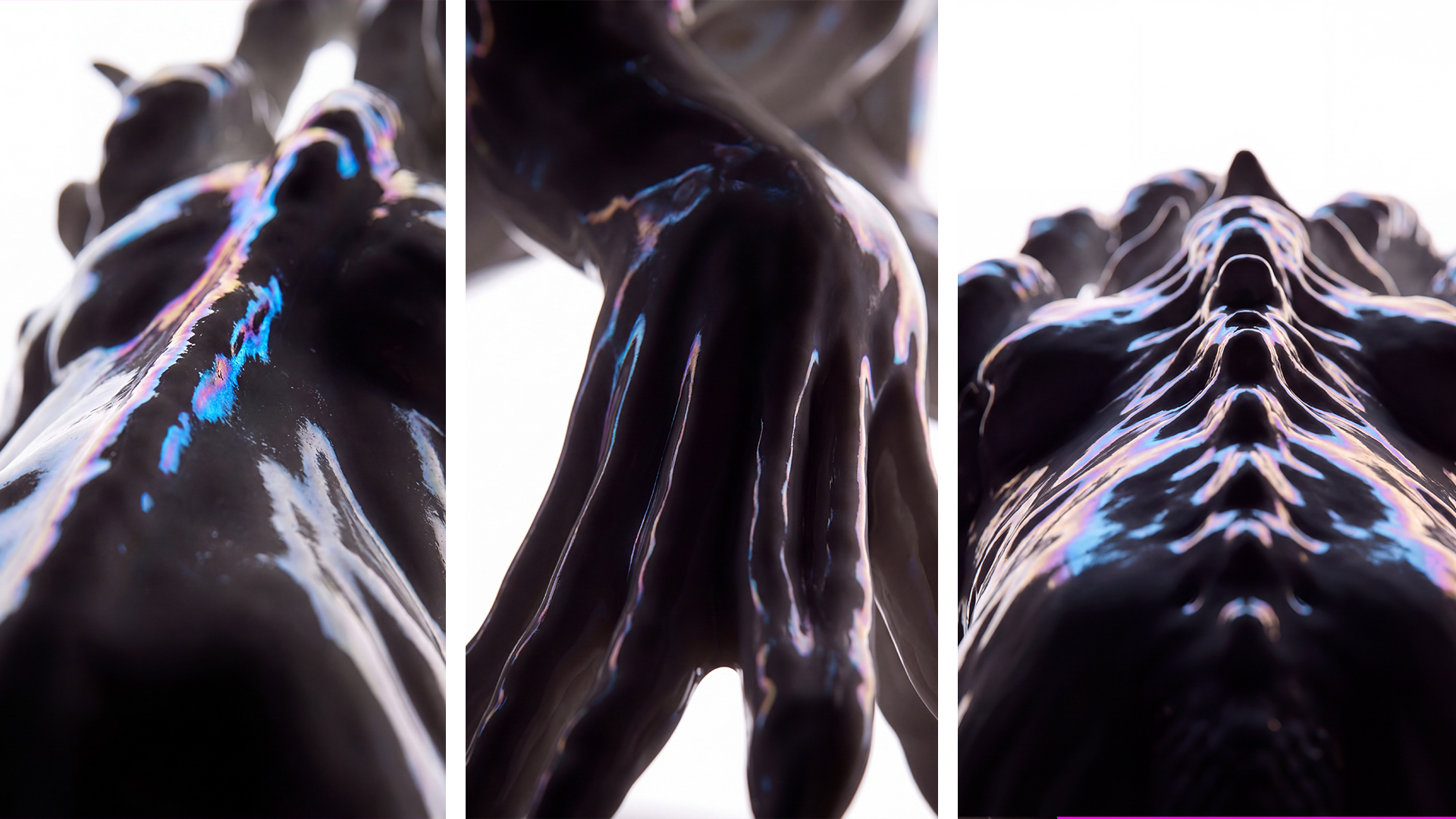
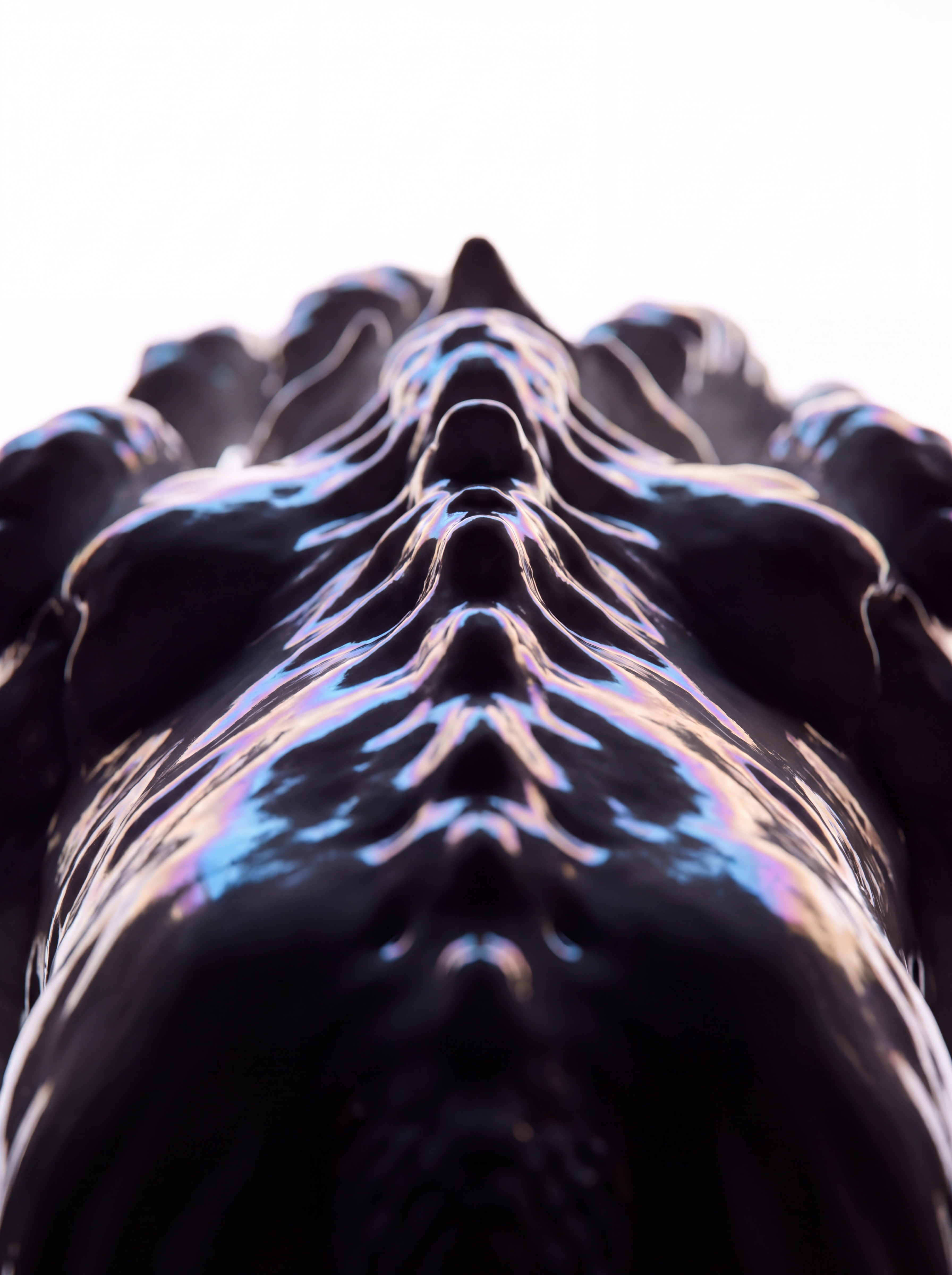
The sculpture is an intentional abomination. It features poreless, synthetic-looking skin that appears to be perpetually melting, paired with hollow, dead eyes that evoke a profound sense of existential dread. It is, in every sense, a "slop monster."
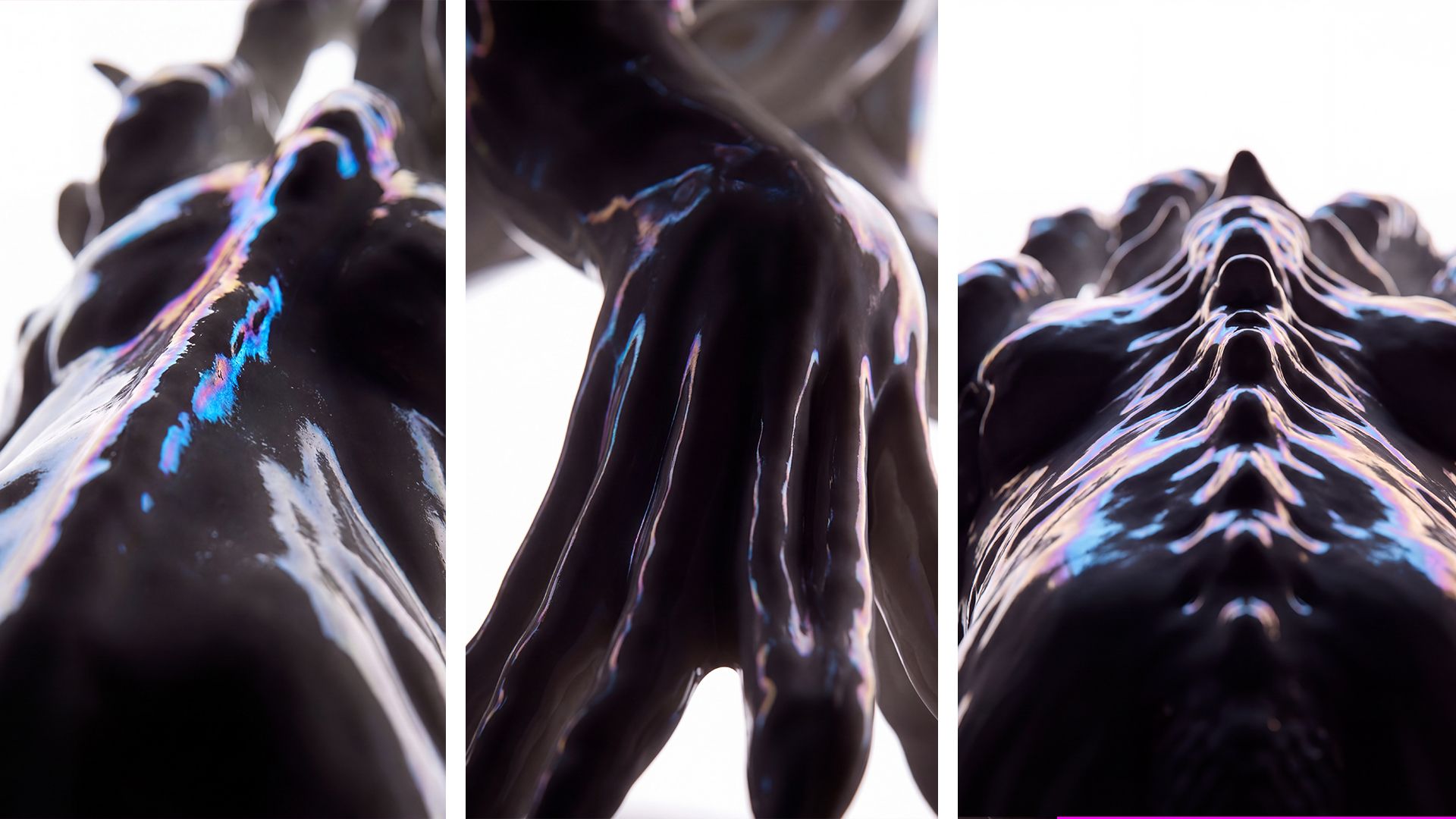
"We wanted to build the ugliest, most representative version of AI slop we possibly could," says Sam Nutt, Creative Director at Electric Dreama. "It’s a physical manifestation of the digital pollution we see everywhere. The name—CH(AI)MERA—is a direct nod to the mythological beast, a creature composed of disparate parts that symbolizes chaos and destruction. For us, it represents the potential destruction of authentic creative intent."
A Chronology of the "Slop" Crisis
To understand why a studio would go to such lengths to "curse" their own work, one must look at the timeline of the 2024–2026 AI explosion.
- 2024: The Hype Phase. Generative AI tools became widely accessible. Early adopters were hailed as innovators, and businesses rushed to replace traditional illustrators and photographers with prompt-based alternatives to cut overhead costs.
- 2025: The Saturation Point. The novelty wore off. Audiences began noticing the "hallucinations"—extra fingers, nonsensical text, and the tell-tale plastic sheen of AI imagery. A grassroots movement began to emerge, with graphic designers volunteering to "fix" poorly generated flyers for small businesses, effectively acting as digital public defenders against low-quality output.
- Early 2026: The Boycott Movement. The public began voting with their wallets. Viral social media threads documenting "Lovecraftian" food ads from local eateries led to organized boycotts. Brands that relied too heavily on AI without human curation found their engagement metrics plummeting.
- Late 2026: The Correction. Industry leaders like Electric Dreama are now attempting to pivot. The creation of CH(AI)MERA marks a symbolic line in the sand: a move away from automated mass-production toward a "human-first" creative philosophy.
The Data Behind the Disdain
Why are consumers so hostile toward AI-generated content? Psychological and behavioral data gathered over the last 18 months suggest a phenomenon known as "aesthetic alienation."
Research indicates that when humans perceive a lack of "labor value" or "intentionality" in an image, their emotional connection to that image drops significantly. In a 2026 survey conducted by the Creative Design Collective, 72% of respondents reported that they felt "less trust" in brands that utilized obvious AI imagery in their promotional materials. The "uncanny valley"—that specific psychological discomfort we feel when something looks almost, but not quite, human—has been weaponized by AI, leading to the "slop" phenomenon that keeps people from engaging with the content.
Furthermore, the economic impact on the creative sector has been turbulent. While some studios report increased efficiency, the long-term cost of "brand erosion"—the slow dilution of a company’s identity through generic AI imagery—is becoming a major boardroom concern.
Official Stances: Efficiency vs. Authenticity
The industry remains deeply divided. On one side are the tech-optimists who argue that AI is merely an evolution of the paintbrush or the Adobe Creative Suite. They argue that as models improve, the "slop" will vanish, and only high-quality, efficient art will remain.
On the other side are firms like Electric Dreama. In an official statement regarding the CH(AI)MERA project, the studio clarified their position: "We are not anti-technology. We are anti-slop. There is a fundamental difference between using an AI tool to speed up a tedious task—like color grading or background removal—and asking a machine to conceive, design, and finalize a creative concept from scratch. The former is a tool; the latter is a surrender."
Nutt emphasizes that the studio’s commitment is now to a "human-first" workflow. "Everything we produce from this point forward is a promise to our clients. We will use the tech, but the taste, the narrative, and the heart must come from a human being. We built CH(AI)MERA as a reminder of what happens when you remove the human from the loop: you get a monster."
Implications for the Future of Art and Advertising
The unveiling of CH(AI)MERA at the British Art Fair is more than an art installation; it is a signal of a changing tide. As the industry moves toward 2027, several trends are likely to solidify:
- The Rise of "Certified Human" Content: Expect to see agencies begin marketing their work with badges or certificates that guarantee human involvement, similar to "Fair Trade" or "Organic" labels in the food industry.
- The Premium on Imperfection: As AI-generated perfection becomes ubiquitous and cheap, the slight imperfections of human-made art—the brushstroke, the nuanced choice, the emotional weight—will become a luxury commodity.
- Creative Ethics as a USP (Unique Selling Proposition): Studios that publicly reject "slop" will likely find a niche among high-end clients who are terrified of their brand being associated with the uncanny, cheap look of generative AI.
Conclusion: The Monster as a Mirror
The story of Electric Dreama and their CH(AI)MERA sculpture serves as a poignant, if slightly grotesque, allegory for the state of the modern creative economy. By bringing their worst creative nightmare to life, the studio is effectively exorcising the temptation to take the easy, automated route.
As we look toward the future, the question is not whether AI will be used in creative industries—it is already firmly embedded—but rather how it will be used. Will it be a collaborator that expands human potential, or a crutch that leads to a landscape of soulless, melting, and indistinguishable digital waste?
For Sam Nutt and his team, the answer is clear. CH(AI)MERA will stand at the Saatchi Gallery as a warning. It is a monument to the dangers of complacency, and a testament to the fact that while a machine can generate an infinite amount of content, it cannot generate meaning. In an age of infinite digital noise, the most radical act an artist can perform is to create something that only a human could have imagined.
CH(AI)MERA will be on public display at the British Art Fair, Saatchi Gallery, London, from 24 to 27 September. Visitors are invited to confront the creature and, in doing so, reflect on the trajectory of our digital future.

 Siti Muinah
 Ali Ikhwan