

Every digital artist, regardless of their experience level, eventually hits the same creative wall. Whether it is the frustration of rendering a convincing hand, the struggle to balance a complex lighting scheme, or the haunting suspicion that a background composition feels fundamentally "off," the creative process is rarely a straight line. While intuition plays a massive role, professional-grade output relies heavily on high-quality reference material. In the digital age, the challenge has shifted from a lack of information to an overwhelming abundance of it.
For many, the search for the "perfect" reference can become a time-sink that detracts from the actual act of creating. To navigate this, many professionals have turned to specialized digital hubs that curate, categorize, and archive visual data. By moving beyond generic image searches, artists can reclaim their workflow and find the precise inspiration required to push their projects to the next level.
The Evolution of the Artist’s Reference Workflow
Historically, artists relied on physical archives—magazines, photography books, and observational sketches—to inform their work. Today, the "reference library" is entirely digital. However, the quality of one’s output is often dictated by the quality of the intake.
In our work at Creative Bloq, we frequently explore the tools that facilitate this creative evolution. From comprehensive Procreate tutorials to curated lists of inspirational digital artists, we have seen how the right resource can bridge the gap between a vague idea and a polished final image.
Chronology of the Digital Reference Revolution
The digital reference landscape has undergone three distinct phases over the last two decades:
- The Search Engine Era (2000–2010): This period was defined by the ubiquity of Google Images. While revolutionary, it lacked curation, often flooding artists with low-resolution or irrelevant results that lacked context.
- The Social Curation Era (2010–2018): The rise of Pinterest allowed artists to build "mood boards." While effective for inspiration, it lacked technical depth, often presenting aesthetics without the underlying structural data required for professional concept art.
- The Specialized Archive Era (2018–Present): We are currently in an era of hyper-specialization. Platforms like ShotDeck and Character Design References have emerged, offering high-fidelity, searchable databases designed specifically for the professional artist’s needs.
Supporting Data: Why Specialized Archives Outperform Search Engines
The efficacy of a reference tool is measured by its "Searchability-to-Application" ratio. Generic search engines often provide a wide breadth of images, but they fail to offer the metadata required for technical application.
The Power of ShotDeck
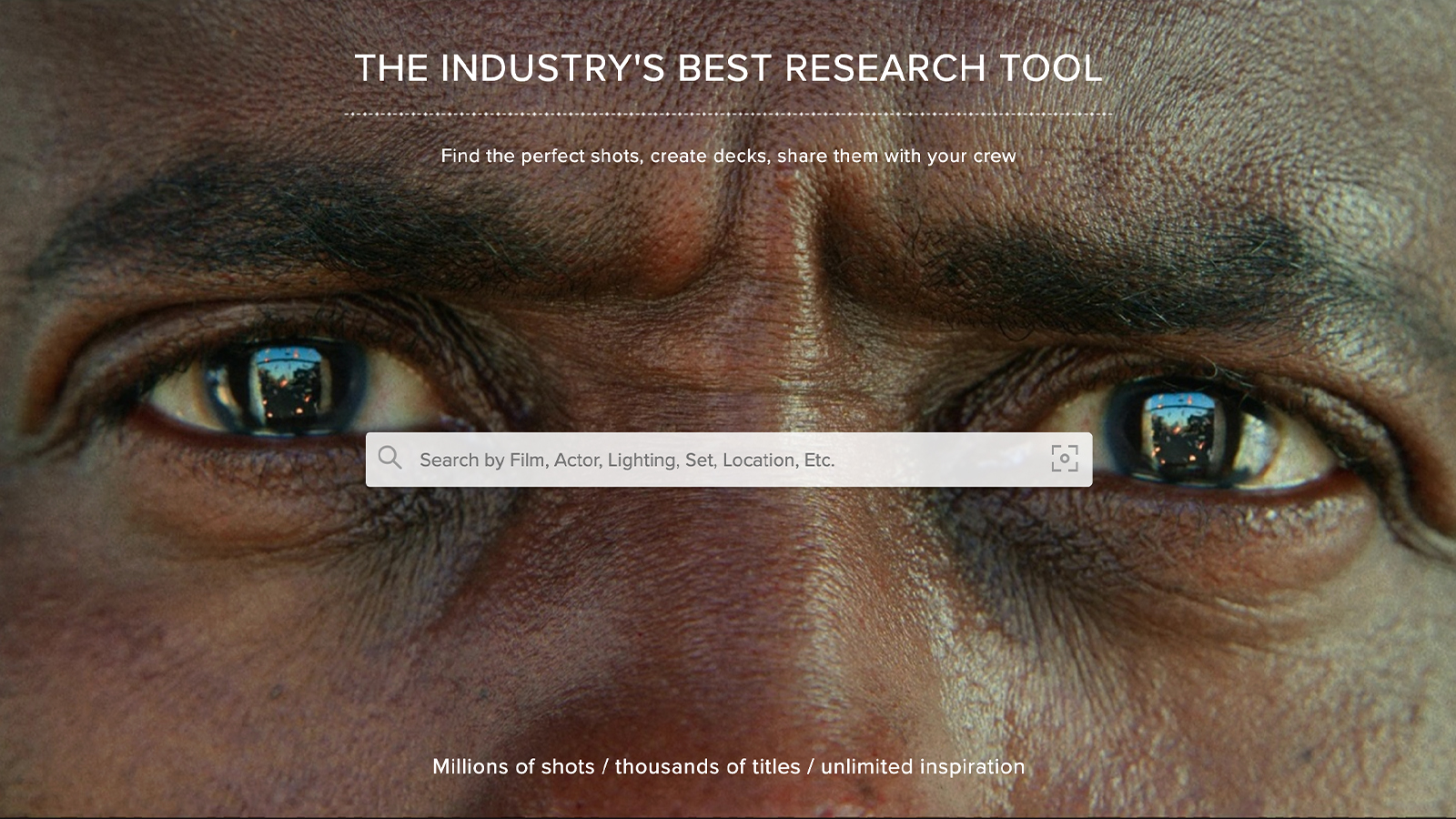
For those working in digital film, animation, or narrative illustration, ShotDeck serves as an indispensable archive of film stills. It is not merely a gallery; it is a technical tool. Whether an artist is hunting for specific lighting setups—such as green-hued fog or neon-drenched wet pavement—the platform allows for granular filtering.
Beyond the imagery, the real value lies in the pedagogical shift it facilitates. By viewing professional film stills, artists begin to internalize the "why" behind the image: the framing choices, the color balance, and the subtle lighting tricks that cinematographers use to guide the viewer’s eye. This is essential for artists aiming to create work that resonates on a cinematic level.
The Anatomy of Character Design References
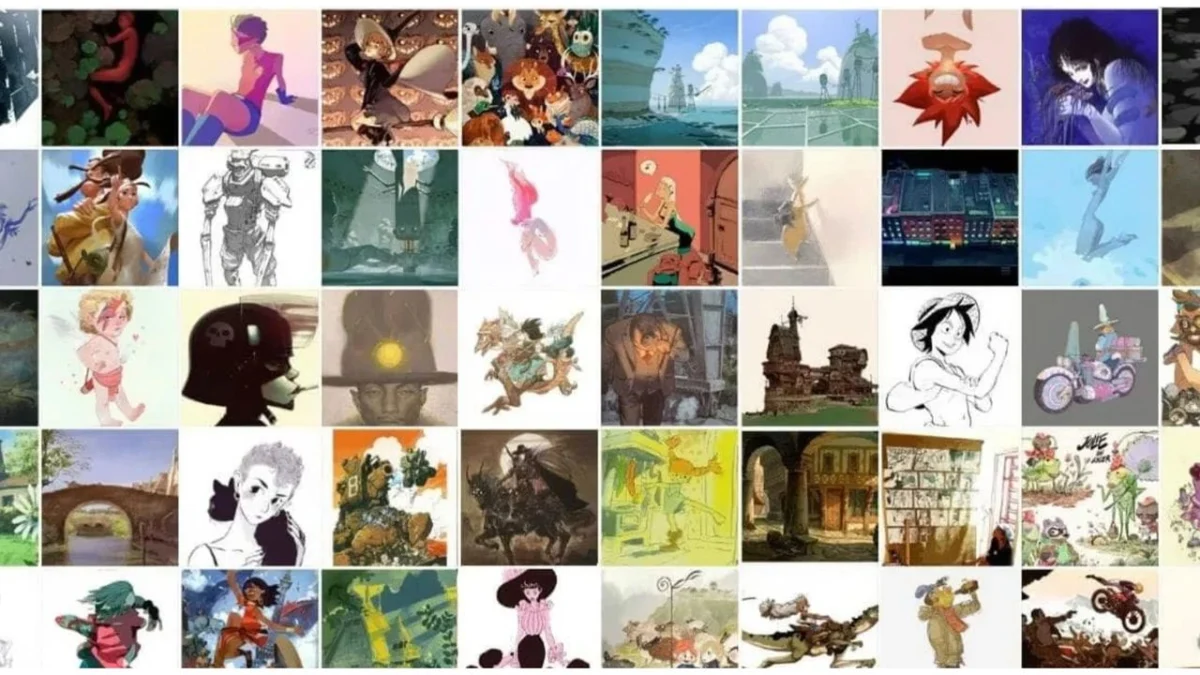
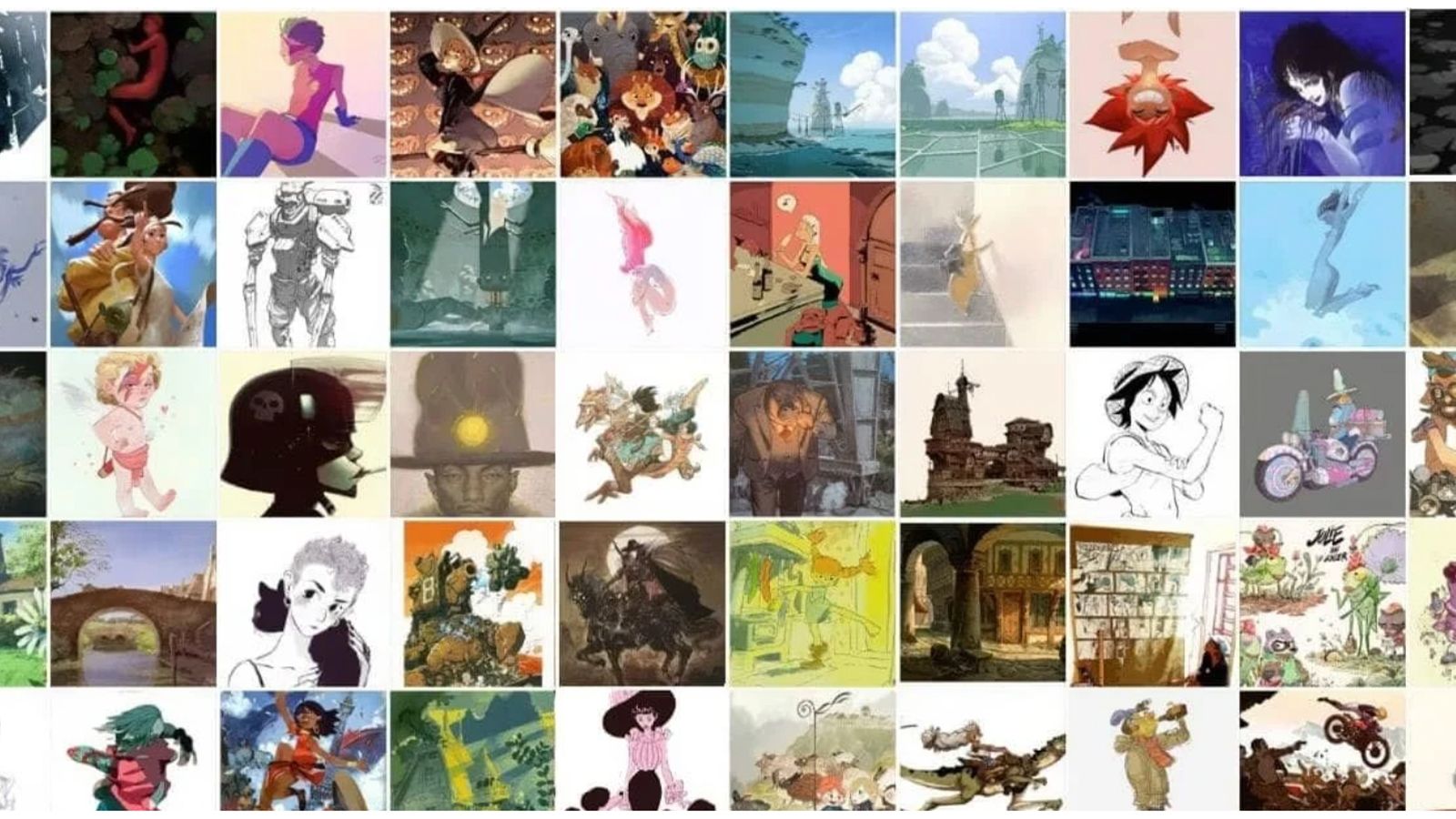
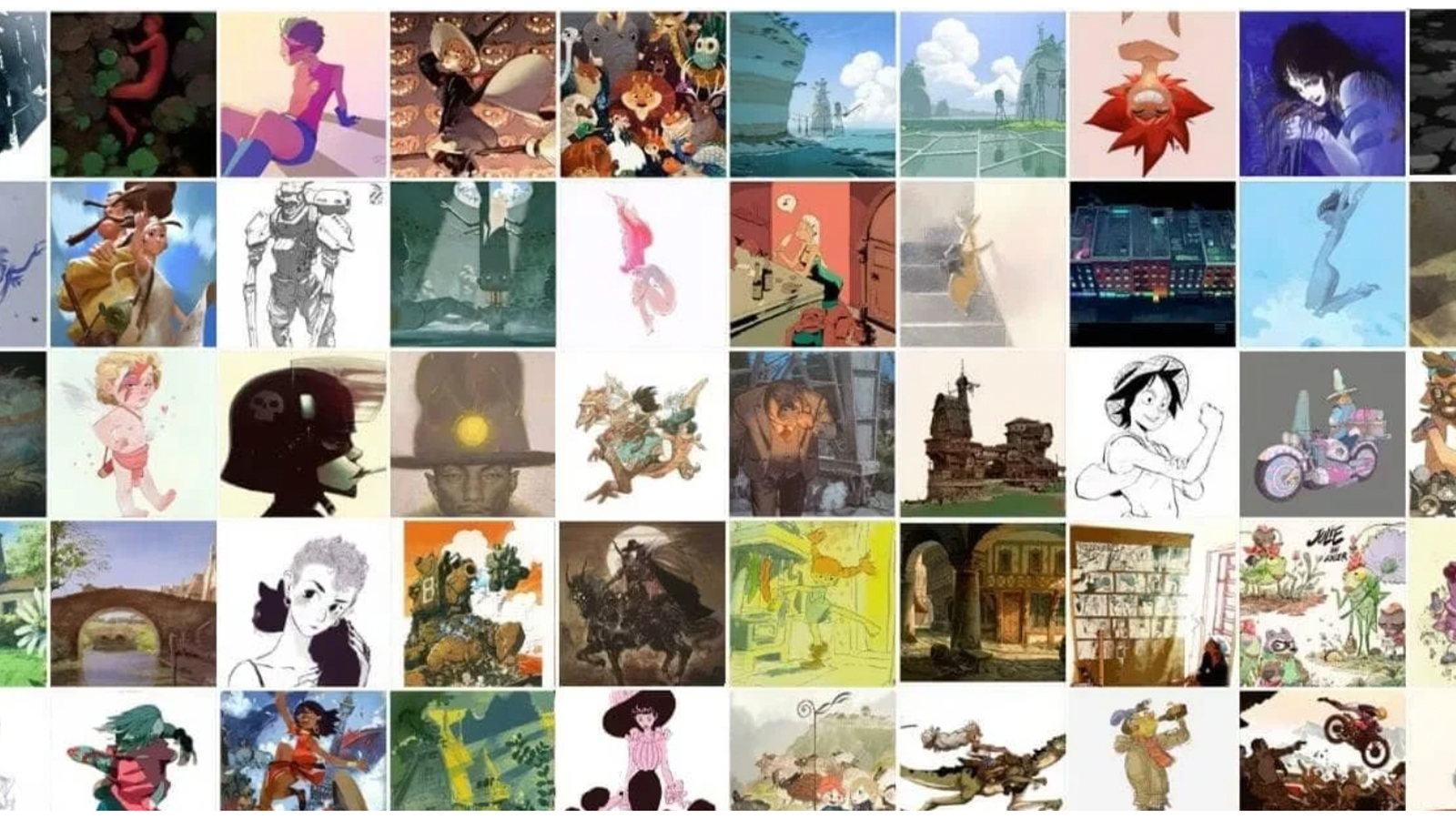
For character designers, the technical requirement is even more specific. Character Design References provides a structured library of anatomy, costume, expression sheets, and creature designs. Unlike the chaotic sprawl of social media, this site functions as a curated repository, allowing artists to "hoard" shapes, moods, and textures with the confidence that the information is anatomically and structurally sound.
The Double-Edged Sword of ArtStation
ArtStation remains the gold standard for industry-level concept art. It provides a window into how professional game and film artists build complex environments. However, it also carries an psychological weight; for many, it is a place of immense motivation, but for others, the high bar of quality can be daunting. Used as an educational tool to study technique, it is unparalleled; used as a metric for self-worth, it can be a source of burnout.
The Role of Platforms in Creative Professionalism
The professional consensus is that a "curated reference" is superior to a "found reference." By using targeted tools, artists reduce the cognitive load associated with decision-making.
Implications for the Creative Industry
The move toward specialized repositories has significant implications for how digital art is produced:
- Standardization of Quality: As access to high-quality cinematic and anatomical references becomes more egalitarian, the floor for what is considered "professional" work continues to rise.
- Faster Iteration Cycles: Artists who utilize organized databases spend less time searching and more time executing. This efficiency is critical in industries like VFX and game development, where deadlines are tight.
- Cross-Pollination of Styles: By using platforms that allow for serendipitous discovery—like browsing 1970s sci-fi covers alongside medieval armor—artists are encouraged to create more hybrid, unique aesthetic identities.
Moving from Inspiration to Execution
The ultimate "trick" to modern creativity is not the search for more images—it is the ability to recognize the specific reference that triggers a creative impulse. Once that spark occurs, the goal is to immediately open one’s digital studio software. Whether you prefer the industry-standard depth of Photoshop, the tactile feel of ArtRage, or the naturalistic painting engine of Rebelle, the transition from viewing to creating must be seamless.
The best artists are not those who hoard the most images; they are those who know how to synthesize those images into something "messy, interesting, and unique" before the initial spark of inspiration fades.
Future Outlook: The AI and Database Frontier
As we look toward the future, the integration of AI-driven search within these repositories will likely change the landscape once again. Imagine a search query that isn’t just "wet street," but "wet street with high-contrast noir lighting and 85mm lens compression."
While technology will continue to advance, the core philosophy of the artist’s toolkit remains unchanged:
- Curate: Choose your sources with intent.
- Analyze: Understand the mechanics of the reference (lighting, framing, anatomy).
- Internalize: Synthesize the data into your own style.
- Execute: Do not let the research phase replace the creative phase.
Whether you are a professional concept artist or a hobbyist doodling in your spare time, the resources mentioned above—along with our own curated collections at Creative Bloq—are designed to help you bypass the "trudge" of the research phase and get straight to the part that matters: making art.
To stay informed on the latest tools, tutorials, and industry insights, we encourage you to download the Creative Bloq app (available on both iOS and Android) and sign up for our daily newsletter. The world of digital art is moving fast; our mission is to ensure you have the best tools to keep pace.









No comments yet. Be the first to join the conversation!