In the world of animation and cinematic storytelling, the characters often command the audience’s immediate attention, but it is the environment that holds the narrative together. Background art is the silent architect of a production’s mood, pacing, and emotional resonance. It is a discipline that requires a unique intersection of technical precision, narrative intuition, and an almost architectural understanding of how spaces are inhabited.
As production pipelines become increasingly complex, the role of the background artist has evolved from simple "set dressing" to a critical pillar of visual development. By examining the methodologies of industry professionals who have worked on powerhouse productions like Arcane, The Legend of Vox Machina, and Star Trek: Lower Decks, we can distill the essential principles of world-building that define the modern visual landscape.
The Triad of Environment Design: Foundations and Philosophy
For Morgan Noll, a veteran visual development artist with credits at Titmouse and Nickelodeon, background art is not merely about drawing scenery; it is about establishing the internal logic of a story. Noll approaches every environment through a structured, three-tiered inquiry:
- The Emotional Objective: What should the audience feel upon entering this space? Is it claustrophobic, welcoming, foreboding, or nostalgic?
- The Narrative Driver: How does the story dictate the design? The environment must support the plot, providing clues about the world without needing a line of dialogue.
- The Visual Language: Which artistic choices—color palettes, shape language, or brushwork—will best facilitate the first two objectives?
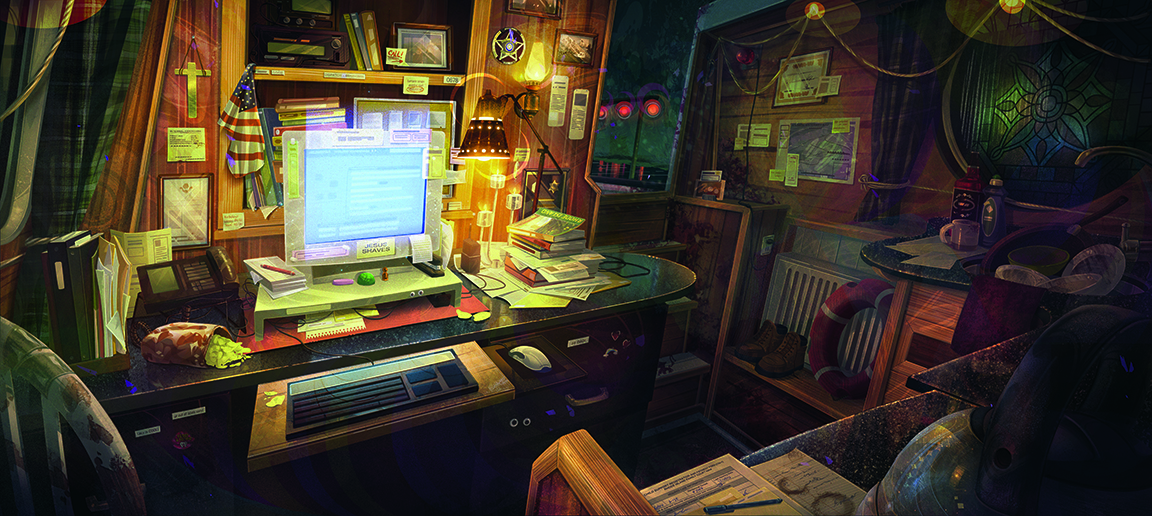
"I try to keep my artistic choices informed by characters," Noll explains. "I like to add extra scuffs and cracks to items that would naturally pick up a lot of human use, and to leave traces of activity like dust, notes, graffiti, or stains. This evokes a sense of history—the idea that the space exists independently outside the moment it was captured on screen."
The Anatomy of a Scene: Shape, Space, and Intent
The consensus among top-tier artists is that effective background art relies on the mastery of simplified shapes. By breaking complex scenes into fundamental graphic impressions, artists can ensure that the "read" of the image remains strong even when layers of detail are added.
Edwige Stoll, known for his work on Arcane and The Summit of the Gods, advocates for a bold, intentional approach to brushwork. "Try to use a brush that’s as big as it can be, to the point that it’s uncomfortable to paint with," Stoll suggests. "If the shape you want to achieve can be made with one brushstroke, try to do it, and put intention in every stroke."
This sentiment is echoed by Eduardo Vargas, a visual development artist for The Legend of Vox Machina. For Vargas, the narrative is the absolute "guiding light." He argues that once an artist truly understands the story, decisions regarding lighting, mood, and tone become secondary to the emotional goal of the scene. "We should always start with understanding the story as deeply as possible, and only then move onto executing the background itself."
The Professional Pipeline: Collaboration and Technical Stewardship
While the artistic side of background design is often romanticized, the technical reality is a game of organization and stewardship. Because background art is rarely the end of the line—often passing through compositing, lighting, and animation teams—the files themselves must be as functional as they are beautiful.
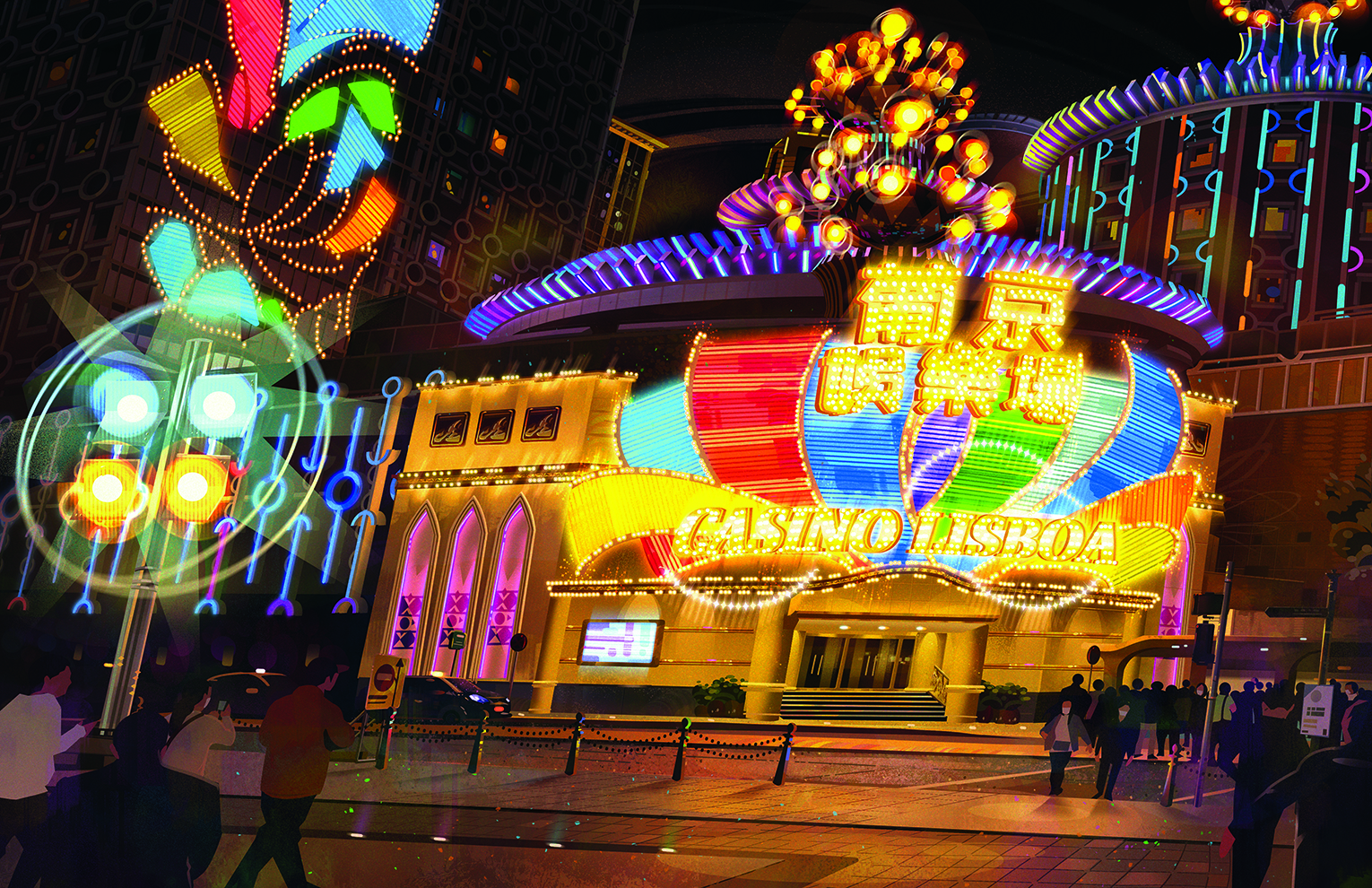
"When you’re a background artist, you’ll often be managing hundreds of layers," Noll notes. "It’s good practice to ensure all layers are named and grouped by depth—foreground, middleground, and background—for the compositing teams."
Eduardo Vargas adds that this is a matter of professional responsibility. "Backgrounds have an interesting place in the pipeline because we inherit the boons and flaws of everyone who came before us. What’s most important is to understand that every mistake we don’t deal with will be inherited by the next team. If everyone in the pipeline is aware of how their work affects others, productions flow much more smoothly."
Professional Chronology: From Novice to Industry Veteran
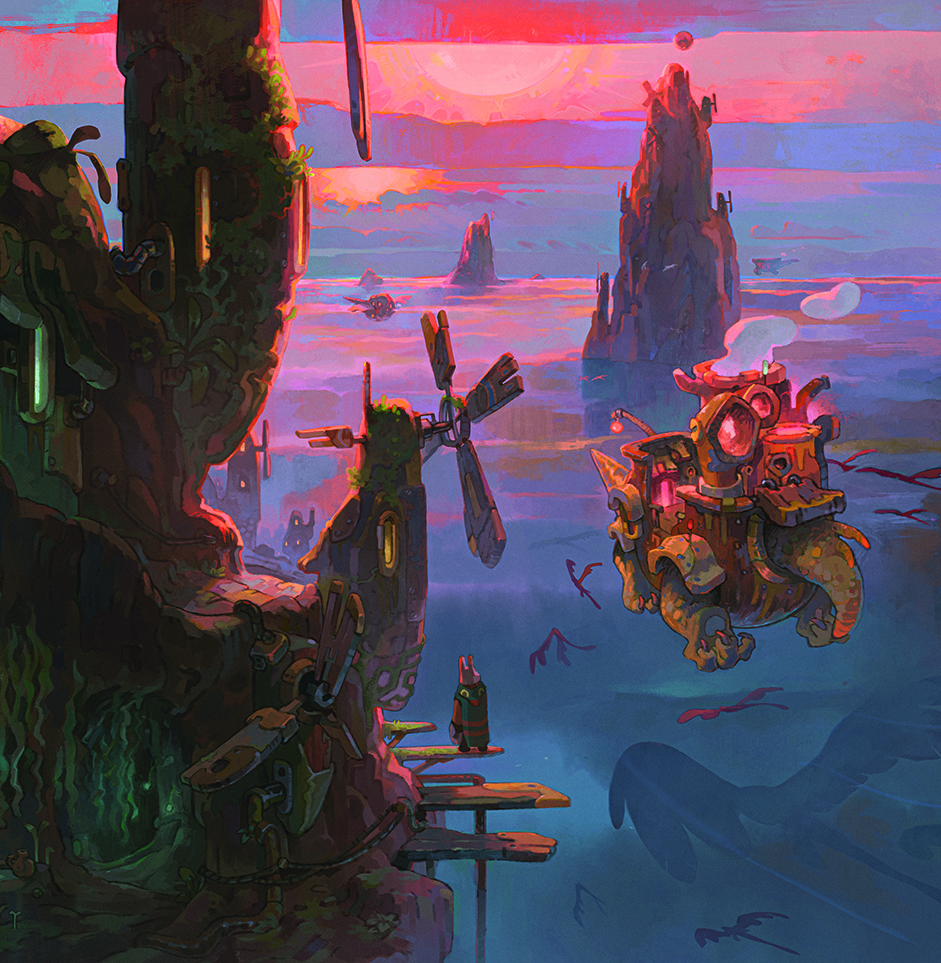
The path into the industry has shifted significantly over the last decade. Morgan Noll’s own trajectory is a testament to the speed at which a dedicated artist can grow, transitioning from a total novice with no formal experience to a professional industry artist in just three years.
The modern barrier to entry is no longer just "talent," but the ability to "metabolize" a studio’s specific visual style. Whether it is replicating the scribble-style of Teenage Mutant Ninja Turtles or the high-fidelity textures of a Dungeons & Dragons project, studios are looking for artists who can solve their specific aesthetic problems.
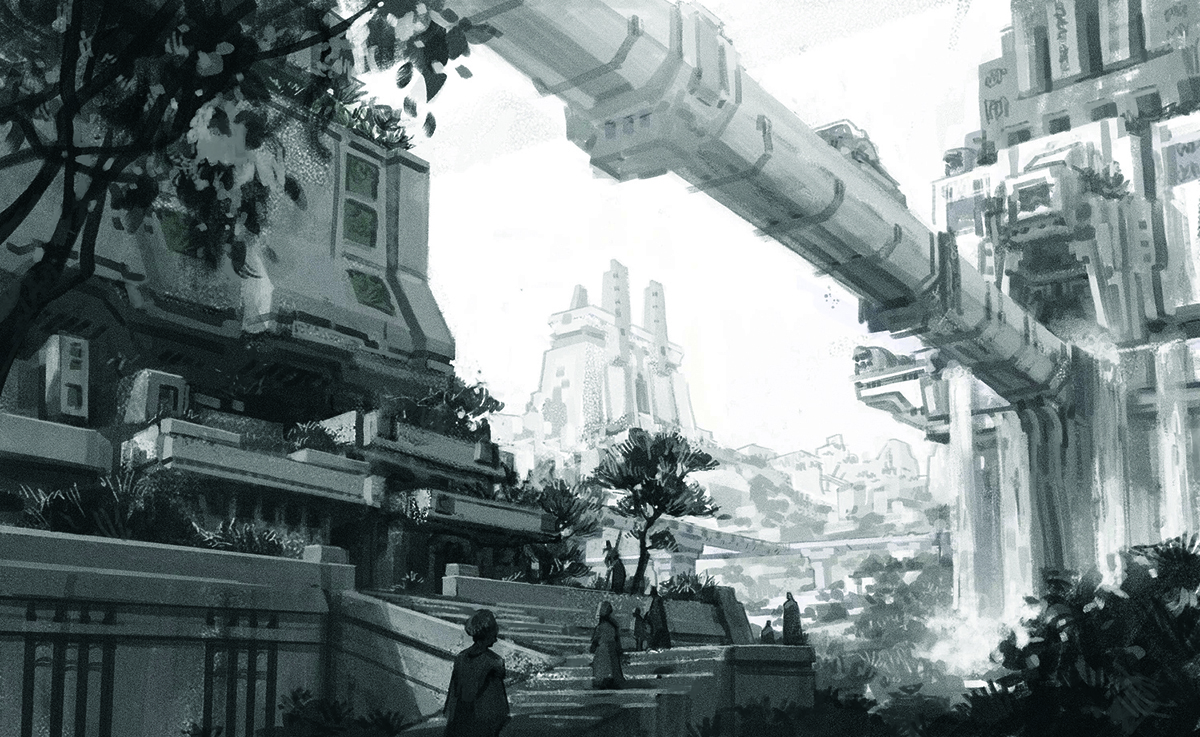
"When Dungeons & Dragons asked me to join their projects," says Bastien Grivet, an Emmy Award-winning designer for Star Trek: Prodigy, "I had to spend the first two weeks learning 50 years of art history dedicated to the IP. You have to do your homework to truly capture the essence of the stories your environments must convey."
Technological Integration: Pushing the Boundaries
The tools of the trade have evolved alongside the artists. Grivet, for instance, has moved beyond traditional 2D workflows, building sets by hand in virtual reality using Gravity Sketch on Oculus. He imports this geometry into Cinema 4D for lighting and rendering, before finalizing the piece in Photoshop or Clip Studio Paint.
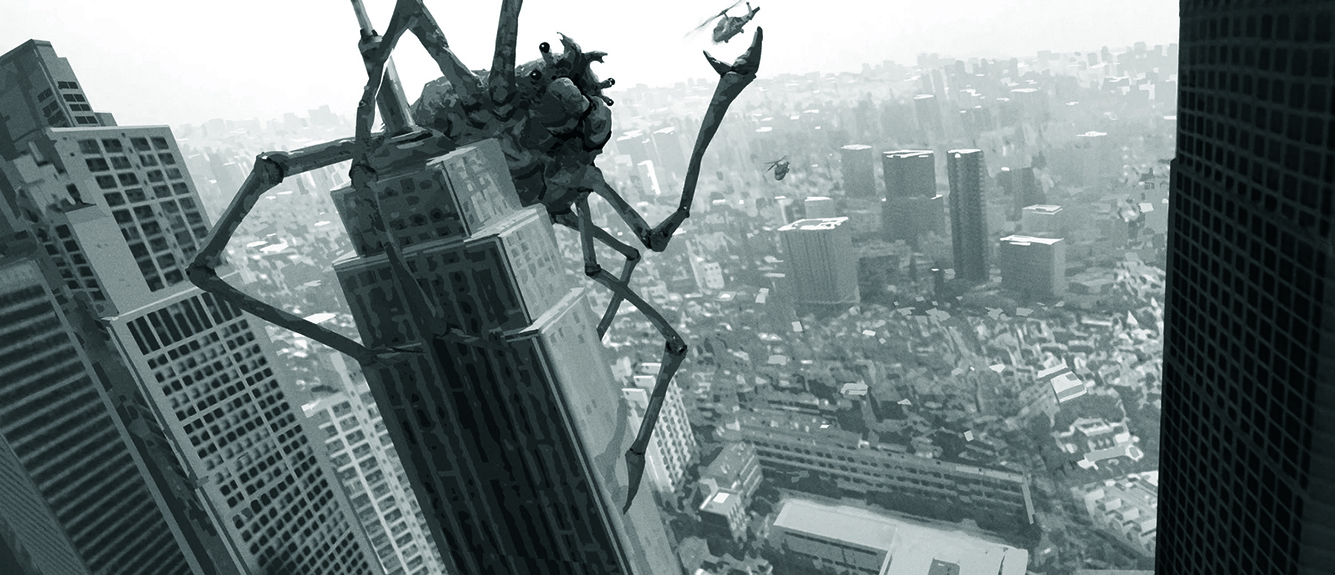
"When I added Gravity Sketch to my toolkit," Grivet explains, "I was able to rediscover the joy of sculpting my stories." This blend of 3D efficiency and 2D artistic sensibility allows for faster iteration and more dynamic camera angles, which are increasingly vital in modern 3D-hybrid animation.
Implications: The Environment as Character
Perhaps the most significant takeaway from these industry leaders is the idea that background design is, in essence, character design.
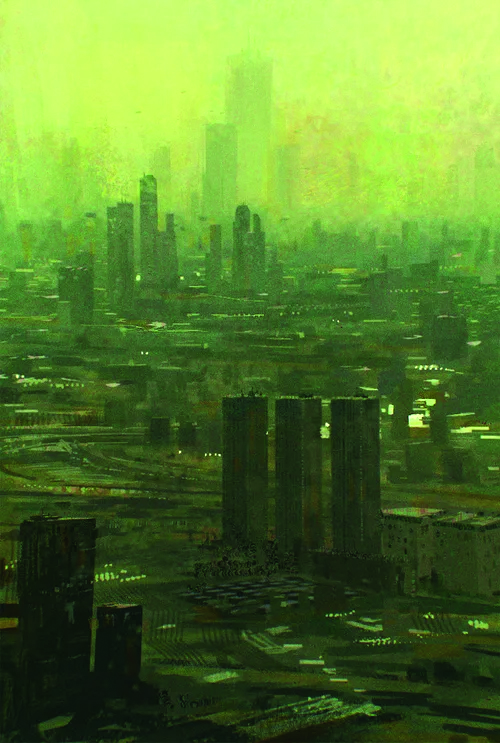
"We are all products of our environments," says Noll. "Look around your own room. Take note of what your things say, or perhaps even hide about you. The most amazing thing about background art is that we get to think on this level—that every little scuff in a surface or crumb left behind is a purposeful clue to a fuller picture of a character."
This perspective shifts the focus from "drawing a pretty room" to "designing a space that tells a secret." By treating the environment as a living, breathing entity, artists provide the foundation upon which character arcs are built.
Strategic Advice for Aspiring Artists
For those looking to break into the industry, the experts offer three final pillars of advice:
- Prioritize Studies over Polish: Rather than spending weeks on a single "masterpiece," focus on studies of small, mundane objects—a clock, a pizza slice, a pile of laundry—to replicate the style of the studio you want to join.
- Use Thumbnails to Save Time: Cassie Jacobsen, a specialist in background painting, stresses that thumbnail sketches are the best way to avoid getting lost in detail. They force the artist to define lighting and composition before the heavy lifting begins.
- Embrace the "Neutral" Start: Jacobsen also suggests painting scenes with neutral lighting first, then using layer blending modes like Overlay and Multiply to apply light and shadow. This prevents the artist from being overwhelmed by complex lighting scenarios too early in the process.
Ultimately, the goal of the background artist is to create a world so convincing that the audience forgets it was ever drawn. By balancing the technical demands of the pipeline with a deep, character-driven approach to storytelling, the next generation of artists can ensure that the environments they build are not just backdrops, but the very heart of the narrative.