Siti Muinah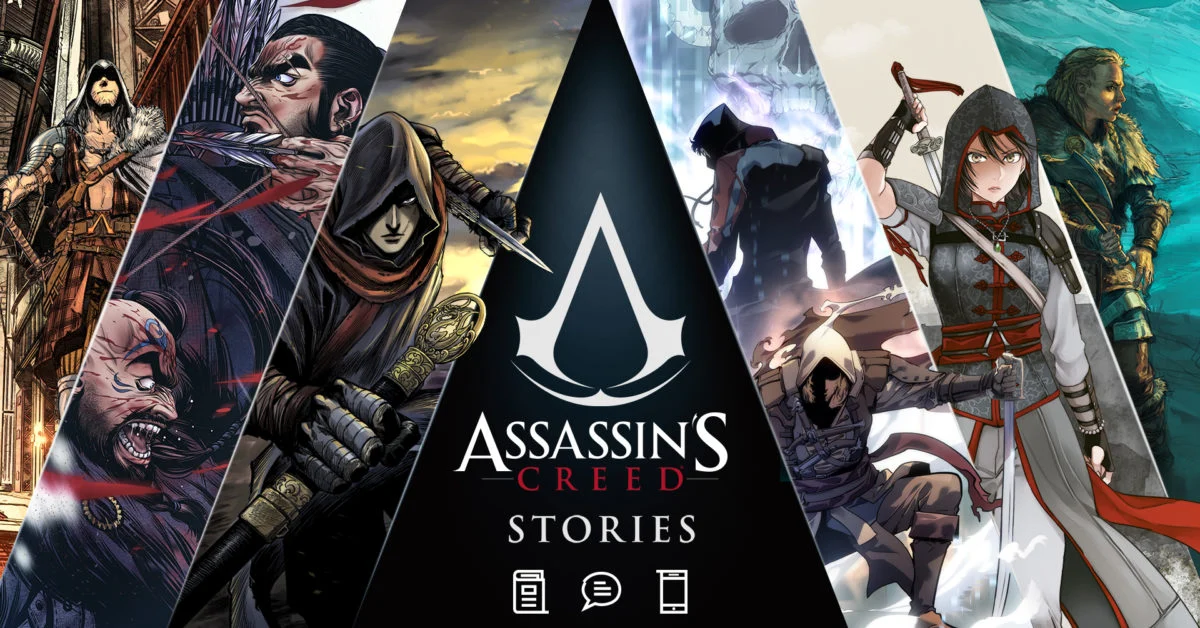
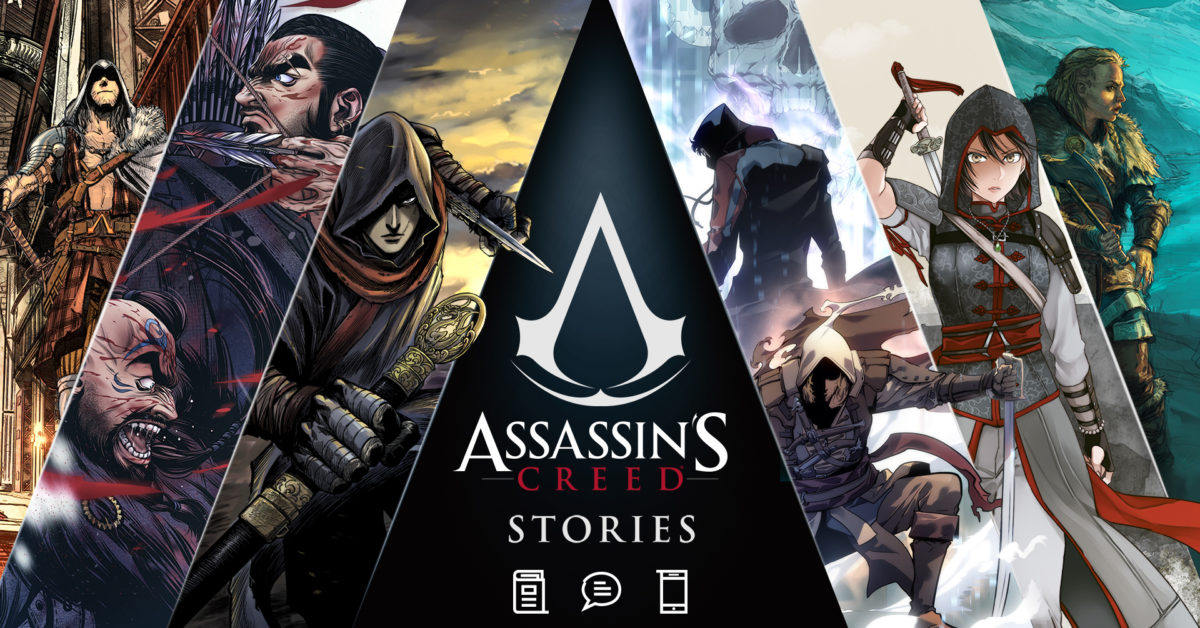
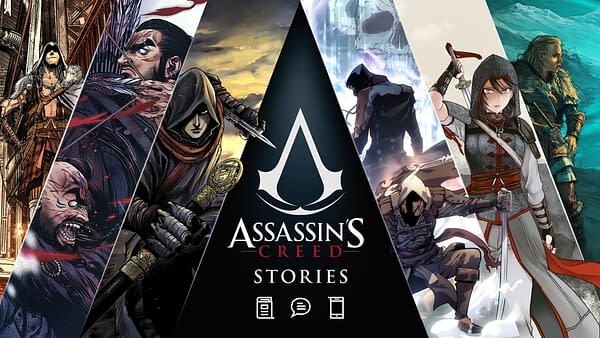
The Assassin’s Creed franchise, a pillar of modern gaming that has redefined the historical action-adventure genre for over a decade, is stepping out from behind the controller. Ubisoft has officially unveiled a sprawling, ambitious transmedia initiative designed to propagate the lore, mystery, and high-stakes combat of the Assassin-Templar conflict into nearly every corner of the literary and digital media landscape.
Moving beyond the traditional sequel-based release model, the publisher is now curating a sophisticated ecosystem of novels, graphic novels, manhuas, webtoons, and immersive audio experiences. This strategic pivot represents a profound shift in how Ubisoft approaches its intellectual property, aiming to transform a video game series into a global, cross-cultural storytelling phenomenon.
The Strategy: Categorizing a Multiverse of History
To manage the sheer volume of content, Ubisoft has organized its new publications into three distinct tiers. This taxonomy ensures that both veteran fans and newcomers can navigate the vast library of content with ease:
- Classics: These serve as direct adaptations, transcribing the visceral experiences of the beloved video games into prose and illustrated formats.
- Chronicles: These narratives focus on existing fan-favorite Assassins, filling in the gaps of their lives and exploring untold chapters of their legendary careers.
- Originals: Perhaps the most ambitious category, these works introduce entirely new protagonists, novel historical settings, and fresh perspectives on the eternal shadow war.
By segmenting the universe in this way, Ubisoft is effectively building a "canon" that functions similarly to established comic book universes, where individual stories can stand alone while simultaneously enriching the overarching mythology of the Assassin’s Creed franchise.
A Global Creative Mosaic
The backbone of this initiative is a concerted effort to move away from Western-centric narratives. By partnering with prominent creators in China, Japan, and Korea, Ubisoft is injecting authentic cultural nuances into the series.
"With a license as rich as Assassin’s Creed, many creators are excited to offer their vision of the franchise," says Aymar Azaïzia, Transmedia Director at Ubisoft Montreal. "It’s a great creative opportunity to publish a work that is relevant to the genre in question and produced by authors or illustrators who are recognized in their field."
This sentiment is echoed by Julien Fabre, Associate Director of Publishing at Ubisoft, who highlights the necessity of regional expertise. "With so many creators from all over Asia delivering innovative content, a priority for Ubisoft has been to forge new relationships with talented partners in the region."
This "global vision, local approach" is aimed at ensuring that the expansion feels organic. As Publishing Content Manager Etienne Bouvier notes, "We are all consumers of stories. With this global vision and local approach, we seek to offer our fans new content in formats they are familiar with, and with stories that are rooted in their cultural background and their history."
Roadmap of Upcoming Releases
The following list represents the first wave of this aggressive expansion, showcasing the diversity of formats and historical settings currently under development:
1. The Fragments Young Adult Trilogy (Originals)
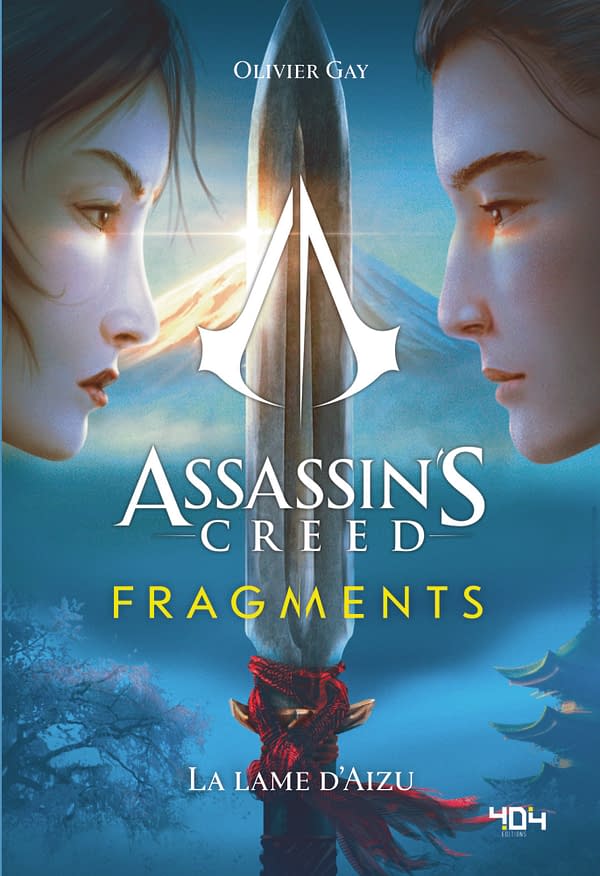
In partnership with the French publisher Editis, Fragments is an action-adventure saga that centers on the complex, often volatile relationships between siblings caught in the crossfire of the Assassin-Templar feud. Each volume is a standalone experience set in a distinct era:
- Volume 1: Set in 19th-century Japan.
- Volume 2: Set in 13th-century Scotland.
- Volume 3: Set in 17th-century France.
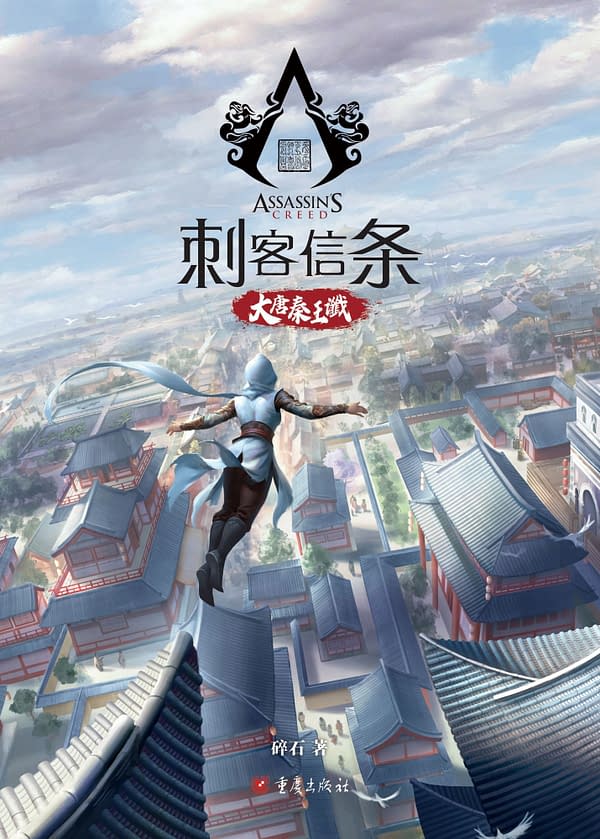
2. The Jade Seal Collection (Originals)
This massive undertaking consists of ten novels spanning Chinese history from the Zhou Dynasty (4th Century BC) to the Ming Dynasty (17th Century). Written by six acclaimed Chinese authors, the collection promises a multi-secular epic featuring emperors, martial artists, and philosophers, introducing a vast array of new combatants to the franchise.
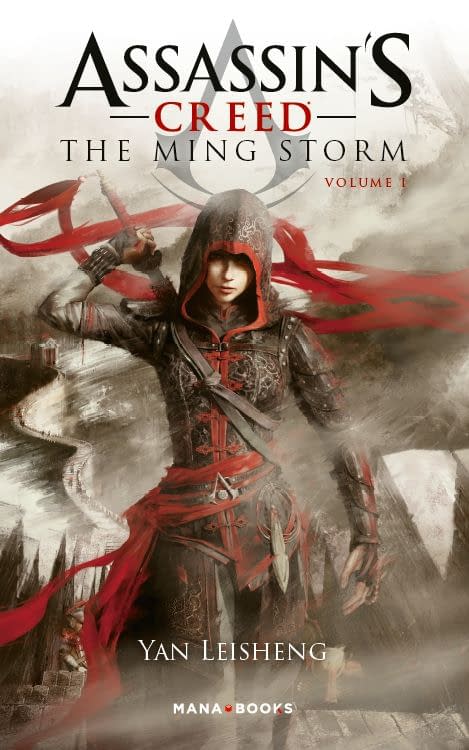
3. The Ming Storm (Chronicles)
Written by best-selling author Yan Leisheng, this novel serves as the introduction to an action-packed trilogy. It follows Shao Jun, the fan-favorite protagonist of the Assassin’s Creed Chronicles: China video game. Aconyte Books, Ubisoft’s primary English-language partner, has scheduled the release for June 1, 2021, with further Valhalla-themed novels slated for 2022.
4. Assassin’s Creed Dynasty (Manhua/Originals)
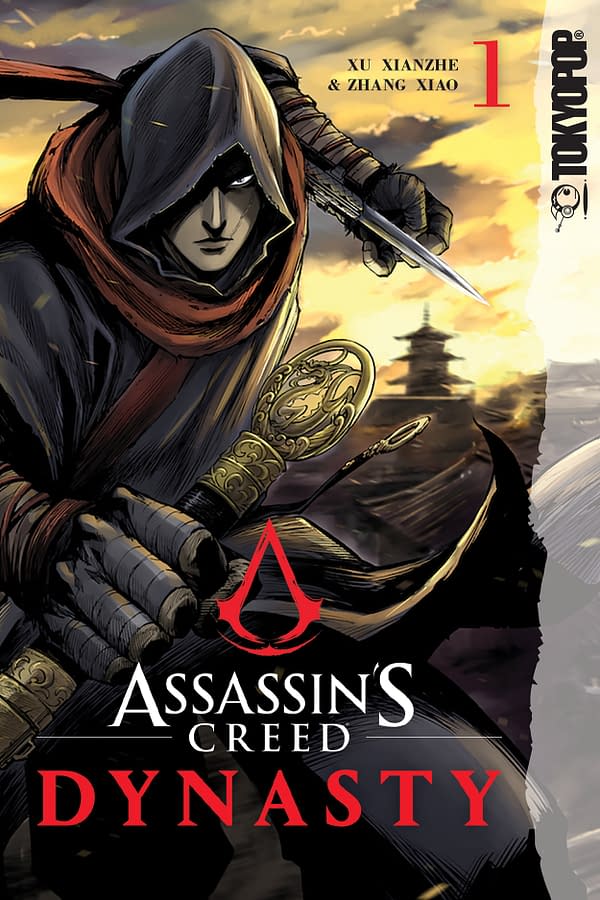
Originally a webcomic in China that garnered over 150 million views, Dynasty follows the story of Li E as he fights to protect the Tang Dynasty from civil war. TOKYOPOP is handling the North American release, with an ebook launch in September 2021 and a physical paperback release in early 2022.
5. Valhalla Expansions (Chronicles)
The world of Assassin’s Creed Valhalla is receiving significant expansion across multiple mediums:
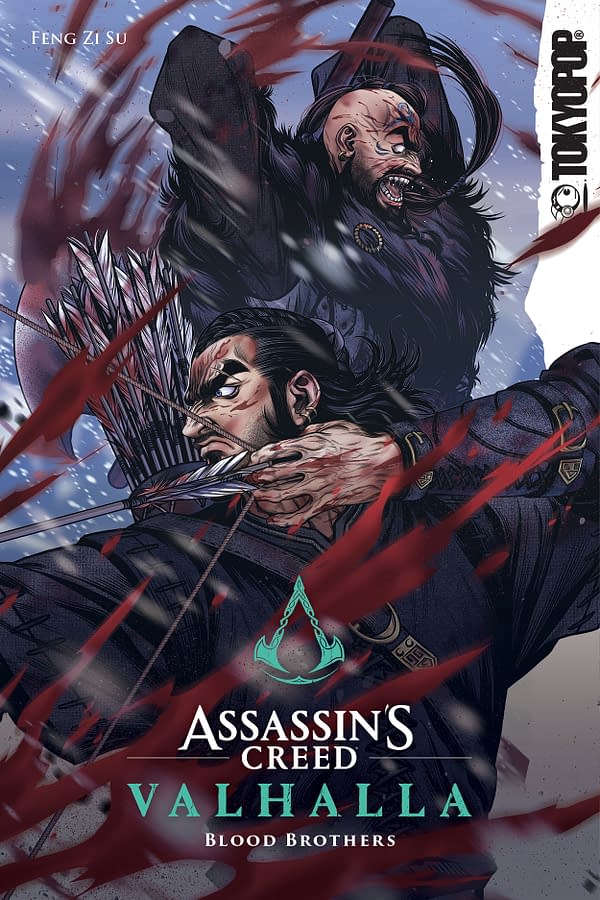
- Blood Brothers (Manhua): A story focusing on two Viking brothers set shortly before the events of Eivor’s journey.
- Valhalla Graphic Novel (French Edition): A Glénat-published tale following an aspiring Assassin and a monk from Ravensthorpe to Scotland.
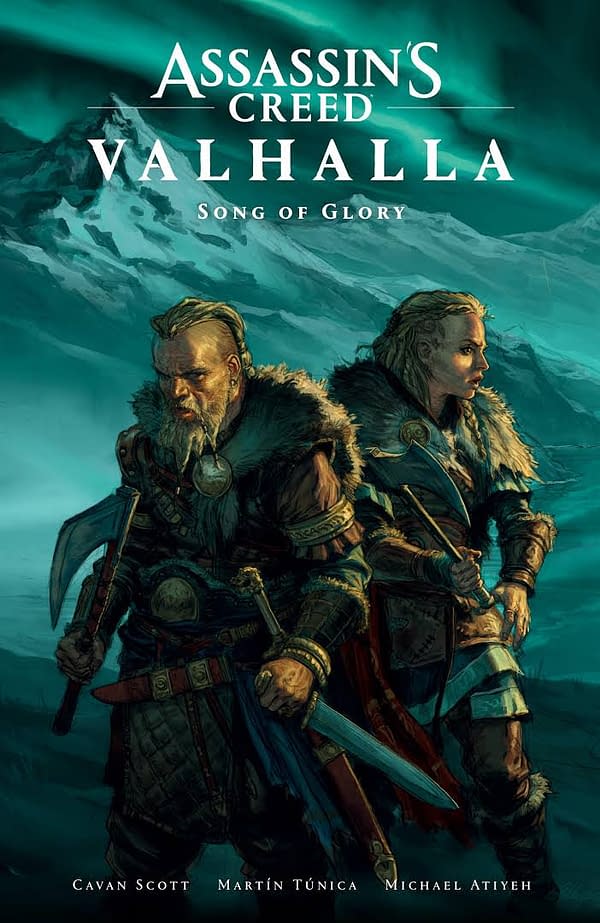
- Song of Glory (Comic): A collected hardcover edition of the prequel comic featuring Eivor and Sigurd, arriving April 21, 2021.
6. Blade of Shao Jun (Chronicles/Manga)
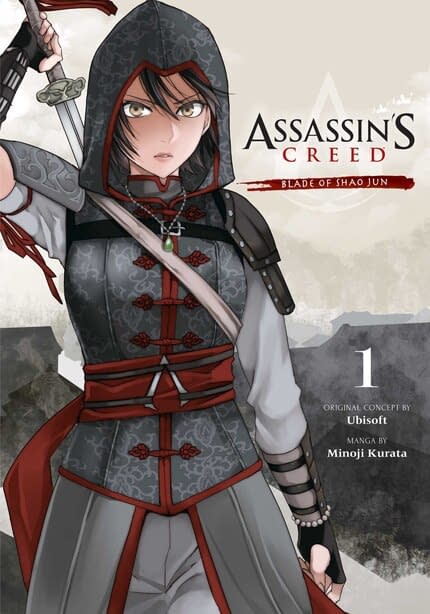
Published by Viz Media, this manga series expands the narrative of Assassin’s Creed Chronicles: China. It uniquely integrates a modern-day plotline, following a teenager named Lisa who becomes entangled in an Abstergo-led conspiracy.
7. Turbulence in the Ming Dynasty (Podcast)
Recognizing the power of audio storytelling, Ubisoft has partnered with Ximalaya, China’s leading podcast platform. This audio adaptation of The Ming Storm features a high-end cast from the Chinese film industry, complete with immersive sound design and a cinematic score.

8. Webtoons (Originals)
In an effort to capture the burgeoning digital comic market, a Korean webtoon is currently in development with partner Redice. This series will act as a direct sequel to Assassin’s Creed IV: Black Flag, finally providing fans with an official continuation of Edward Kenway’s legacy.
Implications for the Future of the Franchise
This shift marks a departure from the "Game-First" identity that has defined Ubisoft since the franchise’s inception in 2007. By diversifying, the company is effectively de-risking its portfolio. If a mainline game release takes several years to develop, the transmedia arm ensures that the community remains engaged with a steady stream of lore and content.
Furthermore, this move serves as a massive recruitment tool for the lore itself. By adapting the universe into webtoons and manhuas—formats with massive, younger, and highly engaged audiences—Ubisoft is lowering the barrier to entry for potential new fans. One does not need to invest 60 hours into an open-world RPG to understand the core tenants of the Assassin’s Creed; they can simply read a volume of a manga or listen to a podcast.
Conclusion: The Infinite Creed
The sheer scale of this project signals a new era for Ubisoft. The Assassin’s Creed brand is no longer just a series of video games; it is becoming a transmedia engine capable of sustaining itself across decades and cultural boundaries. By empowering local creators to tell their own versions of the historical struggle, Ubisoft is ensuring that the series remains vibrant, relevant, and infinitely expandable.
For the fans, the message is clear: the history books of the Assassin-Templar war are far from closed. Whether through the pages of a graphic novel, the panels of a webtoon, or the immersive audio of a podcast, the fight for the Creed is moving into the real world. As these titles roll out throughout the year and beyond, the Assassin’s Creed universe is poised to become one of the most comprehensive and interconnected storytelling platforms in modern entertainment.

 Reynand Wu
 Asro
Asro