

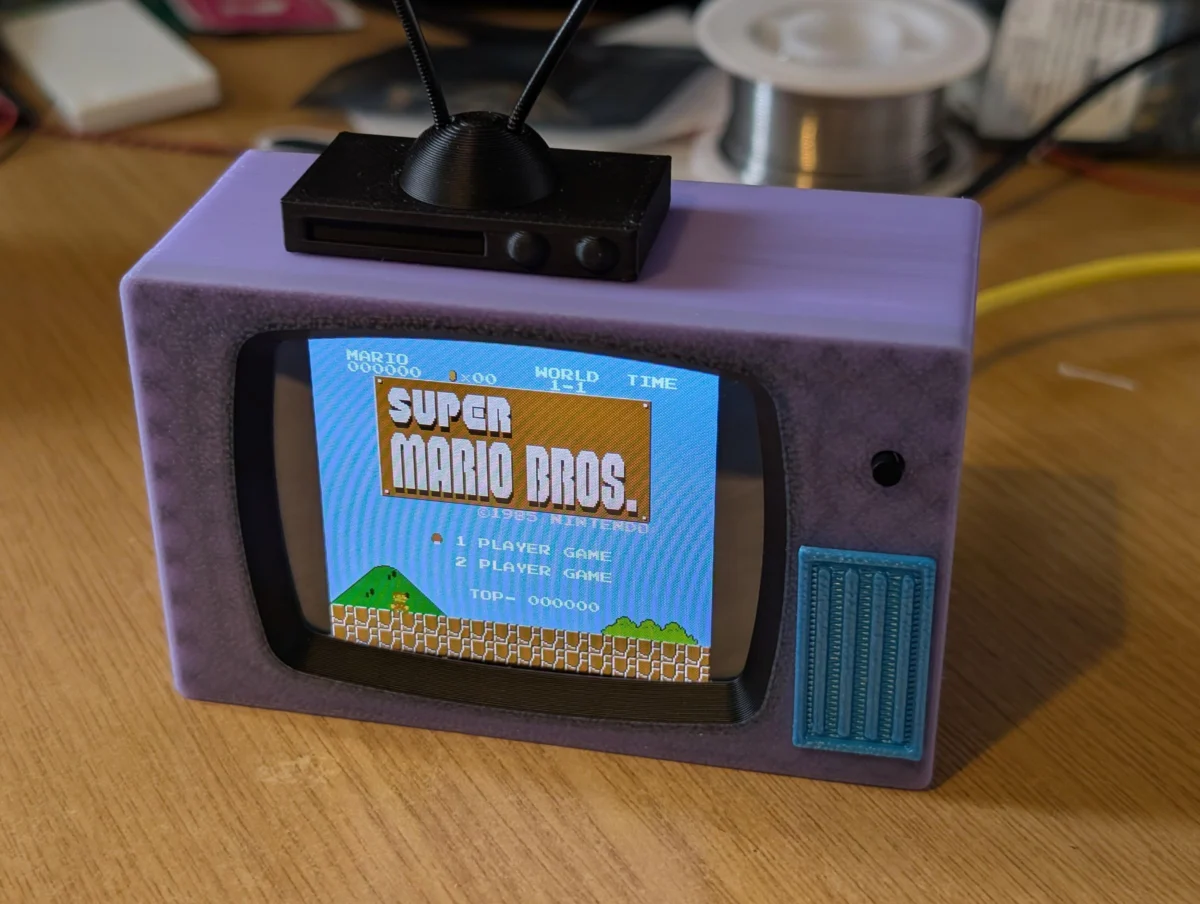
In the vast ecosystem of DIY electronics, few components have achieved the cult-like status of the "Cheap Yellow Display" (CYD). Initially dismissed by some as a throwaway novelty due to its low cost and distinctive yellow PCB, the CYD—a budget-friendly ESP32 development board featuring an integrated touchscreen—has become the darling of the maker community. The latest project to capture the internet’s imagination comes from creator DynaMightTech, who has transformed this unassuming hardware into a nostalgic, 3D-printed miniature television capable of running retro video games and media files.
Main Facts: The Intersection of Nostalgia and Micro-Computing
At its core, the project utilizes the ESP32-2432S028R, widely known as the "Cheap Yellow Display." The board is powered by an ESP32 dual-core processor, which, while modest by modern desktop standards, is more than capable of handling tasks like pixel-perfect sprite rendering and media playback when optimized correctly.
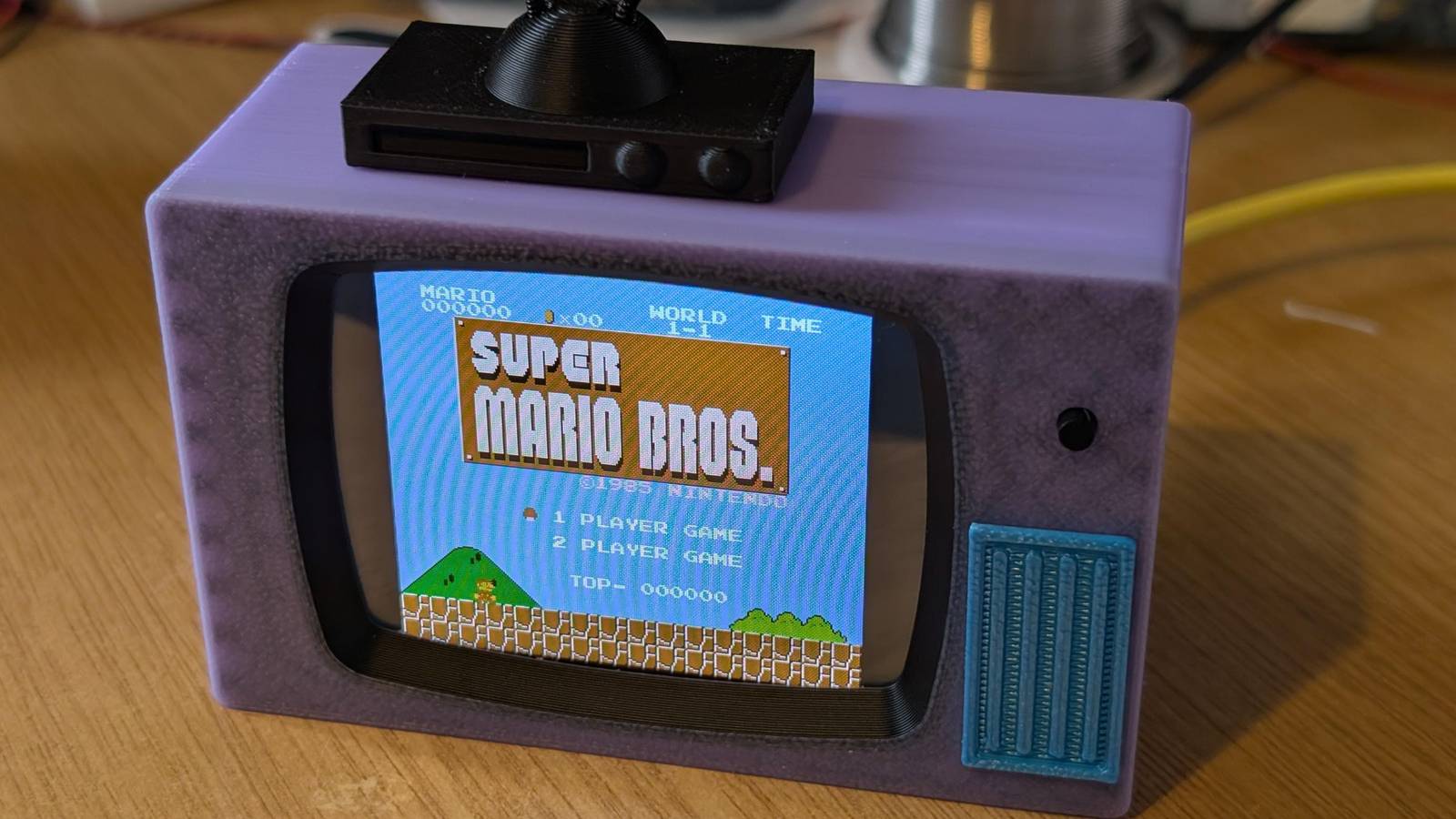
The DynaMight mini-TV is more than just a case for a screen; it is a holistic build that merges additive manufacturing with embedded systems programming. The device is housed in a custom 3D-printed chassis styled to mimic the iconic, boxy aesthetic of 1990s television sets—complete with the distinct "Simpsons-esque" flair that has become a staple of retro-futuristic aesthetic design.
The device functions as a multi-modal entertainment center. Through the integration of specialized firmware, the unit can cycle through local video clips, function as a digital photo frame, or act as a portable console for Nintendo Entertainment System (NES) emulation. The beauty of the project lies in the accessibility of its components; with a total build cost often hovering well under $20, it represents the democratization of hardware design.
Chronology: From Afternoon Stroll to Maker Masterpiece
The journey of the DynaMight mini-TV is a testament to the "rabbit hole" nature of engineering projects. According to the developer, the concept did not begin as a grand, multi-functional console.
- The Inception Phase: The idea was sparked during a casual afternoon walk. Initially, the project goal was purely aesthetic: to design a 3D-printed housing that would allow the CYD to sit on a desk as a stationary "retro TV" prop, capable of looping simple video clips.
- The Prototyping Phase: As the 3D models for the enclosure took shape, the creator realized that the ESP32 chip within the CYD was significantly underutilized. This realization prompted a pivot from a static display to an interactive device.
- The Integration Phase: The developer began exploring libraries for NES emulation on the ESP32. Integrating input controls—a critical challenge for a device of this size—involved mapping GPIO pins to physical buttons integrated into the television’s front panel.
- The Refinement Phase: The final stage involved optimizing the firmware to ensure that video playback did not stutter while the system was handling background tasks, resulting in the polished, user-friendly device showcased in the final documentation.
Supporting Data: Why the CYD Remains Unrivaled
The popularity of the CYD in the maker community is supported by a robust set of technical advantages that make it the perfect candidate for projects like the DynaMight TV.
Technical Specifications of the CYD:
- Microcontroller: ESP32-WROOM-32 (Dual-core 240MHz).
- Display: 2.8-inch TFT LCD with Resistive Touch.
- Connectivity: Integrated Wi-Fi and Bluetooth, allowing for future IoT capabilities (such as streaming weather or smart home status).
- Expansion: Built-in MicroSD card slot, which is essential for storing the ROMs and video files required for a project of this nature.
When compared to Raspberry Pi-based solutions, the CYD offers a significantly lower barrier to entry. While a Raspberry Pi Zero might provide more raw power, it requires a higher voltage, more complex power management, and a Linux-based OS that requires significant boot time. The CYD, by contrast, boots almost instantaneously, mimicking the "turn-on-and-play" experience of a real vintage television.
Official Perspectives and Community Response
The release of the documentation on Instructables has generated a wave of positive feedback within the DIY electronics community. Hobbyists have lauded the project for its documentation clarity, which often acts as the greatest hurdle in open-source hardware.

"This is the ultimate bridge between 80s nostalgia and modern embedded systems," one community member noted on the project’s release thread. The consensus among makers is that the DynaMight TV represents the "sweet spot" of the hobby: it is difficult enough to provide a sense of accomplishment upon completion, but affordable and well-documented enough that a beginner with a 3D printer and a soldering iron can complete it in a weekend.
DynaMightTech’s approach emphasizes the "maker mindset"—the idea that hardware is never truly finished. By releasing the design files and the code as an open project, the developer has invited others to iterate on the design, with early adopters already discussing ways to incorporate battery power modules for true portability and external speaker upgrades for enhanced audio fidelity.
Implications: The Future of "Tiny" Computing
The success of the DynaMight mini-TV highlights a growing trend in consumer technology: the rise of "micro-retro" computing. As society becomes increasingly reliant on high-definition, hyper-connected displays, there is a palpable yearning for simpler, tactile, and aesthetically distinct hardware.
1. The Impact on Maker Education
Projects like this serve as excellent educational tools. By building a mini-TV, students learn about CAD design, the basics of PCB architecture, and the fundamentals of C++ programming for embedded systems. It transforms abstract computer science concepts into a tangible, "cute" object that provides immediate gratification.
2. Sustainable Hardware Usage
There is also an implication for sustainability. By repurposing low-cost ESP32 boards—often produced in high volumes for industrial automation—into personal entertainment devices, makers are extending the lifecycle of silicon that might otherwise end up as e-waste or sit unused in a drawer.
3. The Shift in DIY Culture
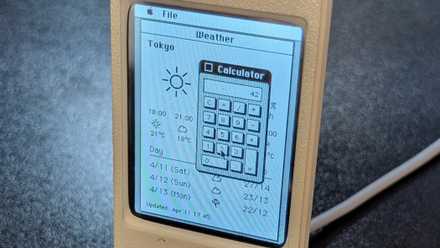
We are moving away from the "PC Modding" era of the early 2000s, where the goal was to make everything faster and more powerful. The current trend is toward "Personalized Computing." Whether it is a tiny Macintosh emulator that reports home weather or a 90s-styled TV that plays NES games, the goal is now to create devices that bring joy and personality to a workspace.
Conclusion
The DynaMight mini-TV is a poignant reminder that innovation does not always require the latest silicon or the highest resolution. Sometimes, the most rewarding projects are those that take a modest, "yellow" piece of hardware and give it a personality.
For those looking to replicate the build, the project serves as a gateway to deeper exploration of the ESP32’s capabilities. Whether you are a seasoned engineer or a hobbyist looking for your next weekend project, the DynaMight TV proves that with enough creativity and a bit of 3D printing, the line between a toy and a computer becomes wonderfully, beautifully blurred. As the community continues to refine the firmware and case designs, it is likely that we will see even more ambitious iterations of the "Mini TV" concept, further cementing the CYD as one of the most important boards in the history of the DIY movement.









No comments yet. Be the first to join the conversation!