Monsters are rarely born in a vacuum. While they often manifest as creatures of shadow and nightmare, the most enduring entities in our cultural lexicon are those forged from the crucible of shared tradition. These are not merely jump-scare villains; they are the physical embodiments of communal anxieties, historical trauma, and the unspeakable secrets kept behind closed doors. Whether they inhabit the gilded, hollow corridors of Hollywood’s dark legends, stalking the vulnerable under the guise of obsessive affection, or presiding over a chamber of horrors deep within the untamed woods, these folkloric entities act as a bridge between the mythic and the deeply personal.
In the modern literary landscape, a new wave of authors is reclaiming these shadows. By weaving contemporary settings with the tactile, ancient dread of urban legends, these writers invite us to confront our collective guilt and desires. Below, we explore seven seminal works that redefine the folkloric monster, providing a map of the modern imagination.
I. Main Facts: The Anatomy of Modern Folk Horror
At its core, modern folk horror is a subgenre defined by the intersection of isolation and belief. Unlike traditional fantasy, which often relies on external magic systems, the "monsters" discussed here function as extensions of their environments.

The primary thesis uniting these works is that monsters are inherited. Whether through the literal passing down of stories or the cyclical nature of communal violence, these creatures persist because the societies that host them refuse to resolve the underlying trauma. From David Demchuk’s exploration of LGBTQ+ history in Toronto to Nghi Vo’s deconstruction of the Hollywood star system, these books suggest that our monsters are not anomalies—they are the inevitable products of our own societal failings.
II. Chronological Evolution: From Campfire to Canon
The trajectory of the folkloric monster has shifted significantly over the last century. Historically, folklore was oral and localized, a means of controlling behavior or explaining the inexplicable in small, tight-knit communities. However, the 21st-century evolution of the genre has seen these narratives migrate into the digital age and the hyper-mediated world of celebrity culture.
- Mid-20th Century: The era of the "urban legend"—stories of slashers, hitchhikers, and the dangers of the unknown road.
- The 1990s and 2000s: A transition toward "wilderness gothic," where the vast, unmonitored landscapes of the American wilderness began to serve as a backdrop for existential dread (e.g., The Fisherman).
- Present Day: A sophisticated blending of intersectional identity politics with supernatural horror. Modern folklore now interrogates the "why" of the monster, viewing them through lenses of grief, systemic oppression, and generational trauma (e.g., Needlemouth and Red X).
III. Supporting Data: The Seven Pillars of Contemporary Myth
1. Red X by David Demchuk
Demchuk’s Red X is more than a novel; it is a eulogy for the lost voices of Toronto’s Gay Village. By framing a predatory, supernatural entity as a "fey tempter," Demchuk explores the terrifying vulnerability of those seeking love in the shadows. The monster’s demand—that its victims profess their love—is a harrowing metaphor for the transactional nature of safety in marginalized communities.

2. Siren Queen by Nghi Vo
Vo reimagines the Golden Age of Hollywood not as a dream factory, but as a ritual site. Here, the "monster" is the industry itself. By centering Luli, a starlet who chooses to become a monster to survive the studio’s predatory machinations, Vo provides a biting critique of the sacrifices required by the cult of celebrity.
3. Needlemouth by K-Ming Chang
Chang utilizes body horror to externalize the internal rot of toxic family dynamics. Needlemouth—a creature defined by her physical hunger for blood—serves as a manifestation of the generational trauma passed between the cousins at the center of the story. The horror is not just in the monster’s appearance, but in the casual, cruel ways the human characters interact with her.
4. And Then Emily Was Gone by John Lees and Iain Laurie
Set in the atmospheric Orkney Islands, this work creates an entirely new mythology. Bonnie Shaw, the child-eating entity at the heart of Merskay, represents the "boogeyman" archetype refined. The narrative successfully argues that the most dangerous monsters are those we build to explain the gaps in our own histories.

5. The Fisherman by John Langan
A masterclass in wilderness gothic, Langan’s narrative uses the backdrop of the Catskills to explore the weight of widowhood. The titular "Fisherman" is an eldritch figure who claims to "know loss," positioning grief as a gateway to the supernatural. It suggests that once a person has lost everything, they are uniquely susceptible to the lures of the beyond.
6. Dark Harvest by Norman Partridge
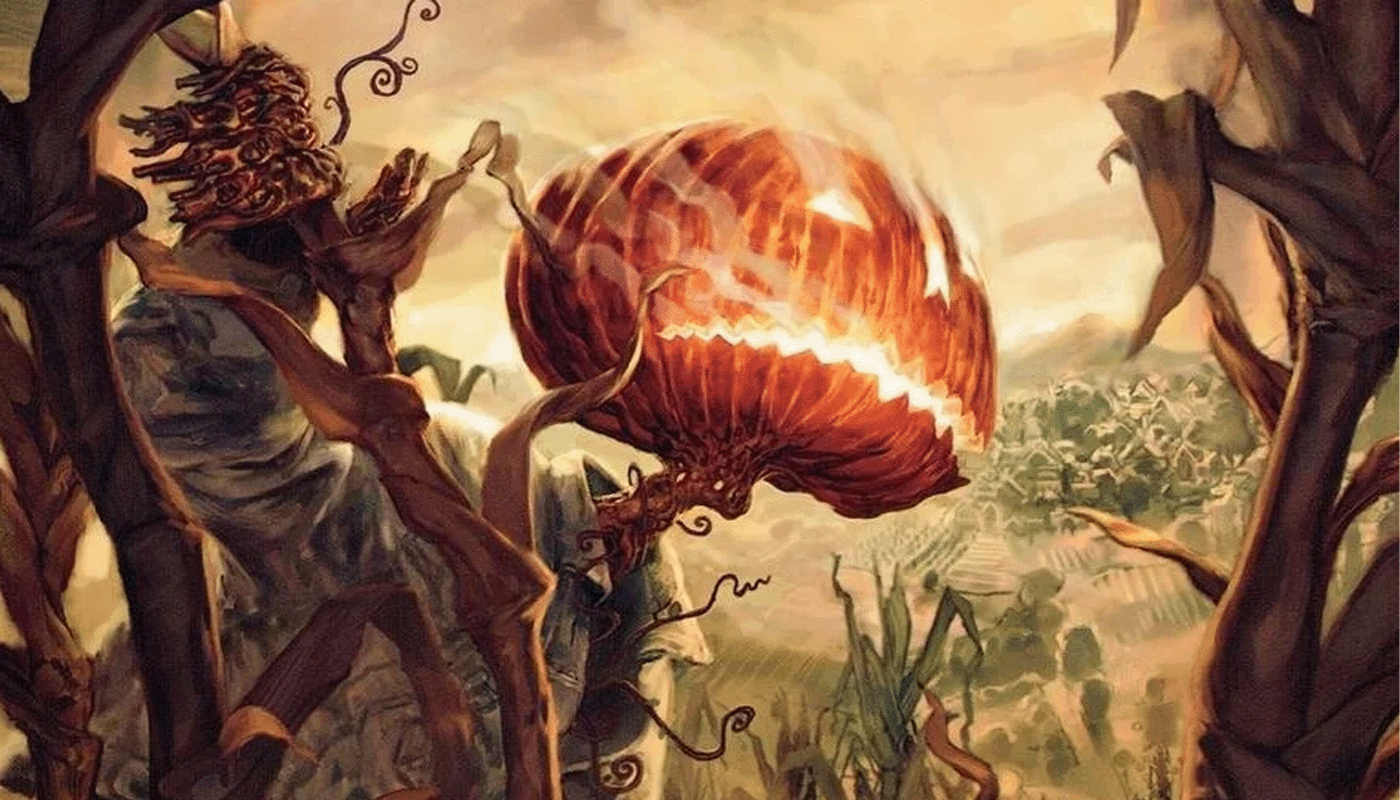
Partridge captures the B-movie aesthetic of 1970s folk horror perfectly. The "October Boy" serves as a communal release valve for the town’s tensions. By turning the annual hunt into a survival ritual, Partridge examines how small-town insularity can codify violence into tradition, creating monsters to preserve the status quo.
7. Below by Laurel Hightower
Hightower’s Below is a visceral journey through the Appalachian landscape. By pitting a recently divorced woman against the legendary Mothman, the novel strips away the "cryptid" romance often associated with the creature, presenting him instead as an agent of pure, relentless paranoia.

IV. Official Responses and Critical Consensus
Critics and scholars of the genre generally agree that these works signal a shift in how we process cultural fear. According to recent literary analysis, the "monstrous" has become a necessary tool for marginalized writers to express systemic trauma that lacks a traditional vocabulary.
"We no longer fear the woods as much as we fear the structures we build to protect ourselves from them," notes Dr. Elena Vance, a scholar of contemporary gothic literature. "These books are effectively ‘trauma-mapping.’ They show us that when a community ignores its history, it doesn’t just forget—it creates monsters that eventually come home to roost."
Readers, too, have responded with fervor. Online communities dedicated to these authors emphasize the "visceral catharsis" of the genre, noting that these stories provide a safe space to explore the dark intersections of grief and myth.

V. Implications: The Future of the Folklore Narrative
The implications of this literary trend are profound. As we move further into an era of digital isolation, the need for shared, "campfire-style" storytelling has not diminished—it has evolved.
The monsters of tomorrow will likely continue to reflect our evolving anxieties regarding digital surveillance, ecological collapse, and the erasure of identity. If the current trend holds, the "folklore" of the future will be a hybrid of local legend and global technological anxiety.
What happens when we stop passing down these stories? The literature suggests that the monsters do not disappear; they simply become more insidious. By continuing to write, read, and retell these stories, we are performing an essential act of cultural hygiene. We are naming the monster, giving it a shape, and, in doing so, ensuring that we remain the masters of our own narratives rather than the victims of our own silences.

A Call to the Reader
As these stories live on through the telling, the cycle continues. Whether you are a fan of the psychological weight of The Fisherman or the sharp-edged critique found in Siren Queen, your engagement with these texts is part of the ongoing process of myth-making.
What monsters have you encountered in your own reading? What local legends haunt the corners of your home? The act of sharing these stories is the final step in the folkloric tradition. By discussing these monsters, we strip them of their power to surprise, turning the "unspeakably strange" into something we can finally understand, confront, and eventually, set free.