

In the rapidly evolving digital ecosystem of 2026, the mandate for brands is clear: maintain a high-frequency, high-quality social media presence or risk obsolescence. As consumers become increasingly integrated into digital spaces, the expectation for consistent, engaging brand interaction has reached an all-time high. According to the 2026 Social Media Content Strategy Report, four in five consumers intend to interact with brand content at the same level or higher than they do today.
For small businesses and large corporations alike, this creates a formidable challenge: how to scale output without compromising quality or succumbing to professional burnout. The solution gaining traction among industry leaders is "content batching"—a strategic workflow methodology that prioritizes deep work over the fragmented, reactive approach that has long defined social media management.
The Core Concept: What is Content Batching?
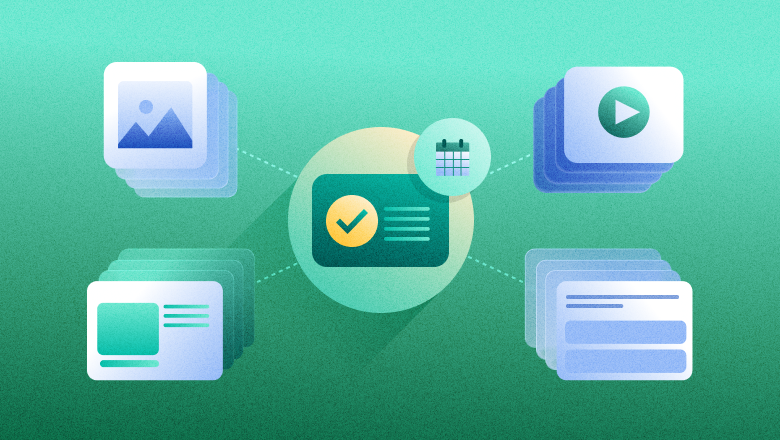
At its simplest, content batching is a productivity framework that groups similar tasks—such as ideation, production, editing, and scheduling—into dedicated, uninterrupted time blocks. The goal is to eliminate the "context switching" that occurs when a marketer jumps between filming a video, writing a caption, and responding to comments.
The traditional "always-on" model is fundamentally flawed. It requires practitioners to stay in a state of constant creative alertness, which is both mentally taxing and inefficient. By contrast, batching allows for a "flow state," where the creator can dedicate specific blocks of time to specific brain functions. This not only increases output but significantly improves the quality of creative storytelling, as it allows for the development of cohesive themes rather than disjointed, one-off posts.

Chronology of a Batching Workflow: A Four-Phase Execution
To implement batching effectively, organizations must transition from a reactive posture to a structured, four-phase lifecycle.
Phase 1: Strategy and Ideation
The foundation of a successful batch is rooted in content pillars. Rather than looking for "viral" topics in the moment, brands should categorize their content into key themes—such as product education, culture-building, or community-driven testimonials. By aligning these pillars with high-level business goals (e.g., increasing sales or driving website traffic), teams can ensure that every post serves a strategic purpose.
Phase 2: Production and Design
This is the "heavy lifting" phase. By separating creation from planning, marketers can optimize their resources. For example, a "filming day" allows a creator to set up lighting and sound equipment once, capturing content for several weeks in a single session. This is followed by an "editing day," where the focus shifts entirely to post-production, color grading, and copywriting. This compartmentalization prevents the distraction of switching between creative and administrative tasks.
Phase 3: Internal Review and Approvals
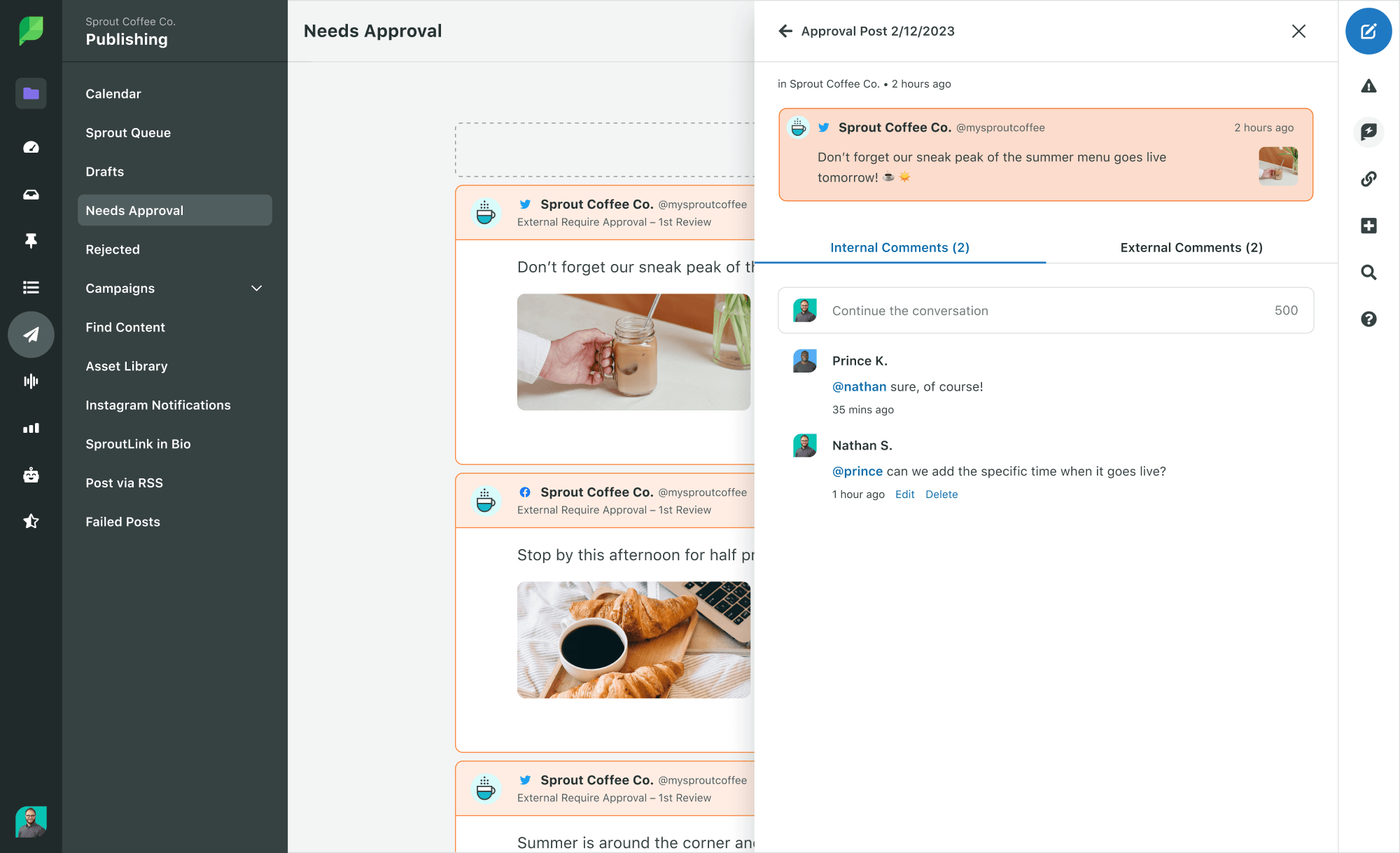
For teams, this is often the biggest bottleneck. A centralized approval workflow is essential to ensure that content is vetted for brand alignment without creating communication silos. By using integrated tools, stakeholders can review assets in a shared environment, eliminating the chaotic back-and-forth of email threads or instant messaging. This ensures that the transition from draft to published post is seamless and frictionless.
Phase 4: Scheduling and Distribution
Once content is approved, the final phase involves distribution via a content management system (CMS). Strategic scheduling is not just about choosing a time; it is about leveraging data. Using AI-driven insights, such as those found in Sprout Social Essentials, allows marketers to identify the exact moments their audience is most active. By automating the distribution, brands can move into a "set-it-and-forget-it" model that guarantees a consistent presence across multiple platforms.
Supporting Data: The Case for Mental Sustainability
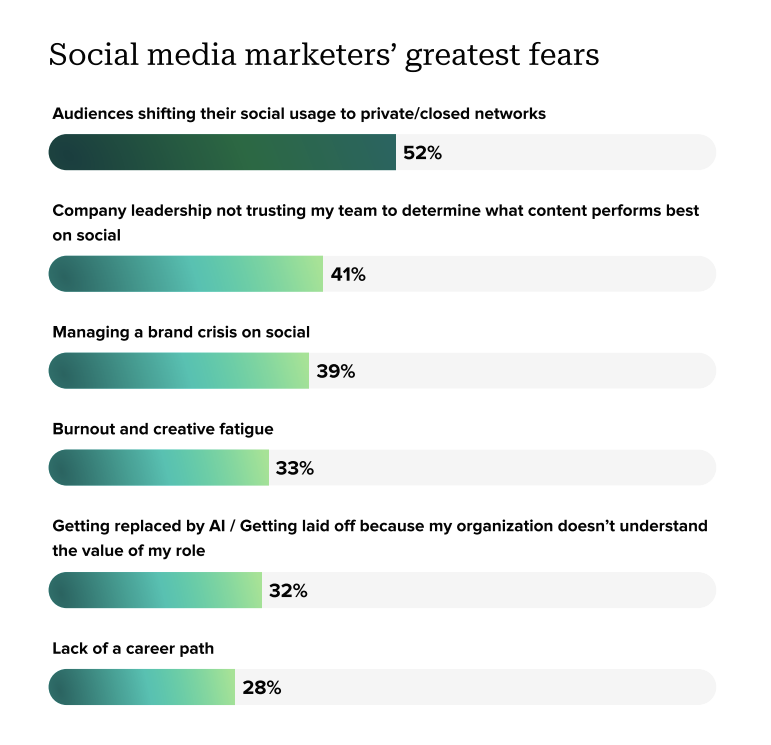
The shift toward batching is not merely a preference; it is a response to a growing mental health crisis in the marketing industry. The 2025 Sprout Social Index™ revealed a staggering statistic: 94% of social media practitioners feel they must be "chronically online" to perform their jobs effectively. This persistent state of hyper-connectivity is a leading driver of creative fatigue, with 33% of practitioners citing burnout as their greatest professional fear.

Batching serves as a structural buffer against this burnout. By defining the hours during which content is produced, practitioners can reclaim their mental energy. It allows for intentionality—when a marketer knows that their content is planned and scheduled for the next two weeks, they are freed from the anxiety of the daily "what do I post?" scramble. This reclaimed time can be reinvested into higher-level strategic planning, such as developing new revenue streams or long-term campaign analysis.
Implications for Brand Identity and Omnichannel Consistency
A key advantage of the batching approach is the ability to view the "big picture." When a week’s worth of content is viewed side-by-side on a calendar, inconsistencies in voice, visual style, or messaging become glaringly obvious. This is critical for maintaining an omnichannel presence.
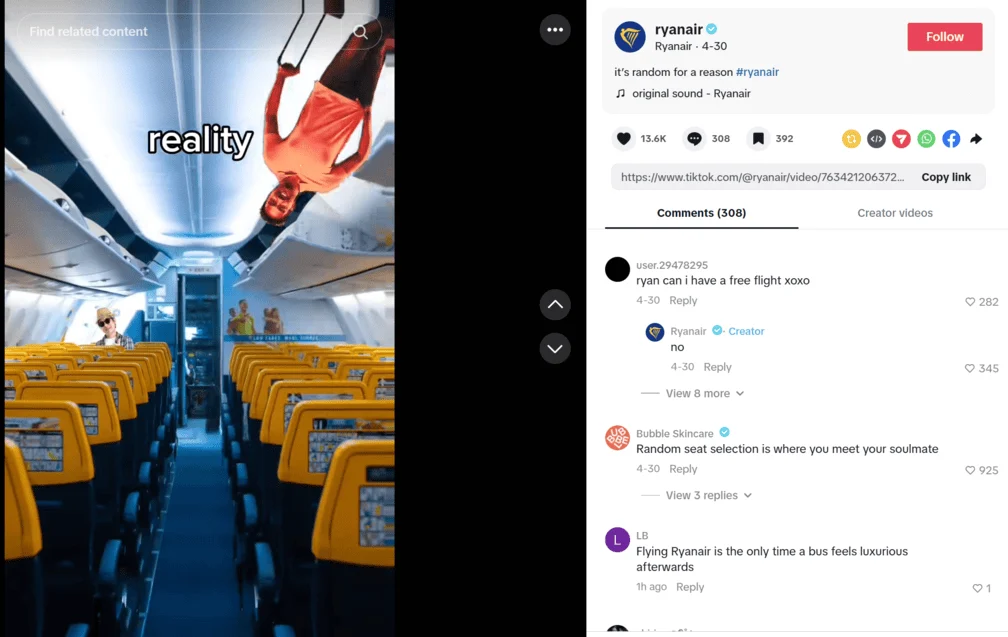
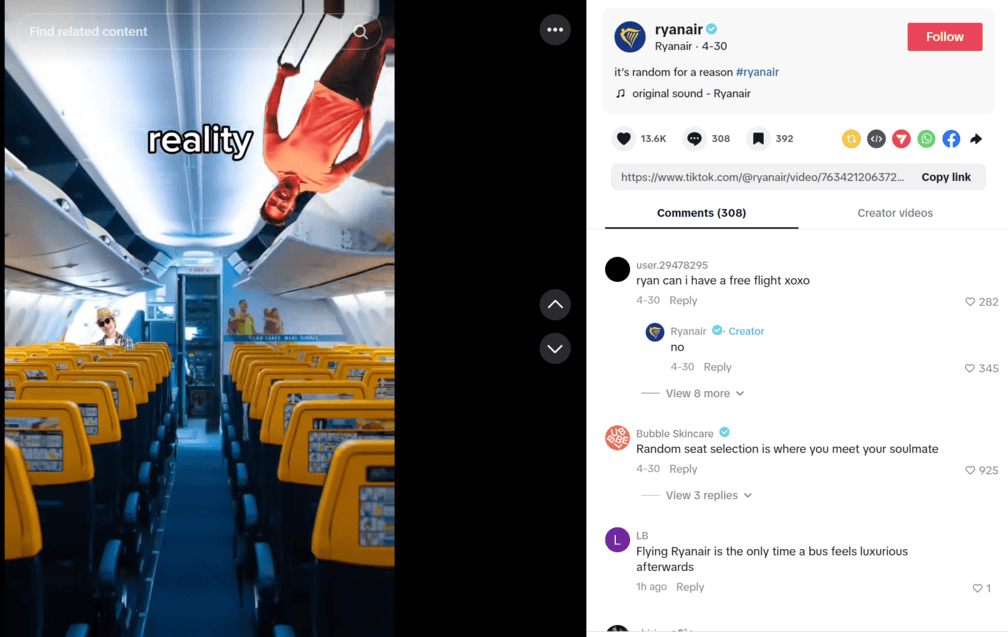
Consider the example of Ryanair. While the brand’s tone is consistently irreverent, their execution varies by platform. On TikTok, they lean into chaotic, trend-based humor, while on LinkedIn, they pivot to sophisticated industry thought leadership. Batching enables this nuance. By seeing the content side-by-side, a brand can ensure that while the tactics vary to suit the network, the identity remains unified. Consistent typography, color palettes, and tone of voice foster the brand recognition necessary to build long-term loyalty in a crowded market.
Official Industry Perspectives: The Role of Technology
Industry experts emphasize that batching is not a manual endeavor but one that relies on the right infrastructure. "Centralization is the backbone of efficiency," notes one industry analyst. Without a unified dashboard, marketers are forced to jump between platforms, which defeats the purpose of reducing context switching.
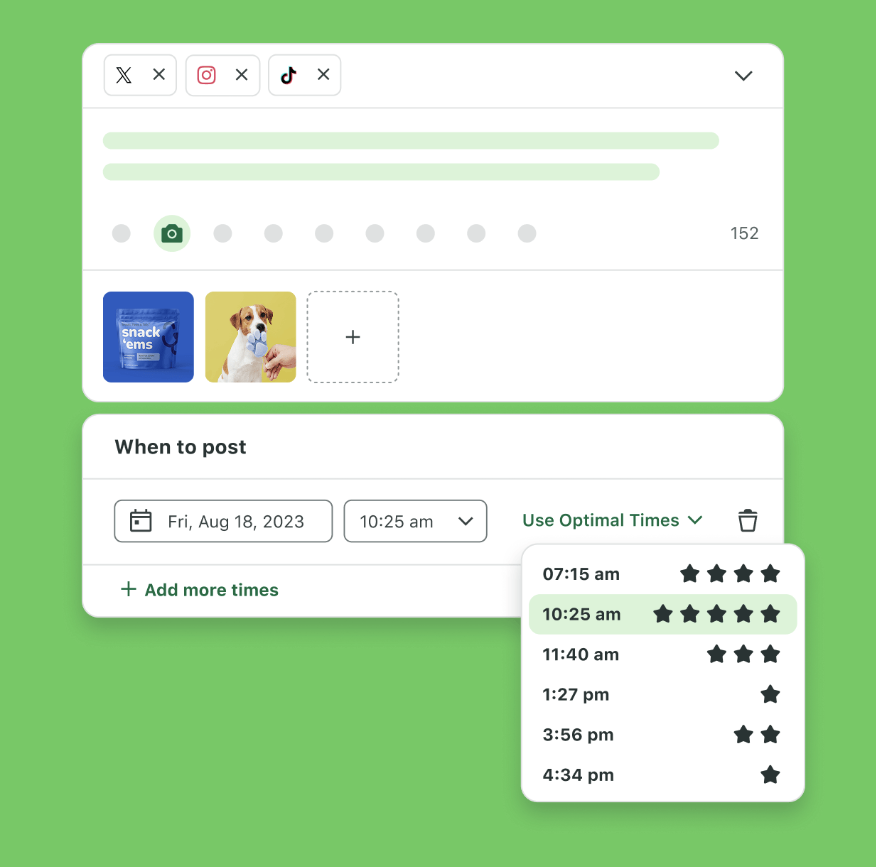
Centralized platforms like Sprout Social provide a "single source of truth." These tools enable teams to:
- Visualize the Calendar: See cross-platform distribution at a glance.
- Utilize AI Optimization: Use tools like ViralPost® to ensure content is served when engagement probability is highest.
- Automate Reporting: Measure the success of the batching strategy by identifying which content buckets generated the highest ROI.
Reporting, in particular, is the closing loop of the batching process. If a batch of content focuses on a specific theme, the performance data from that batch informs the strategy for the next batch. This creates a cycle of continuous improvement where the brand learns what resonates with its audience in real-time.

Future-Proofing Your Business
The professional landscape of 2026 is unforgiving to brands that are disorganized or slow to adapt. Content batching is no longer just a "nice-to-have" productivity hack—it is a foundational business strategy. By reclaiming time, reducing burnout, and ensuring a consistent, high-quality brand voice, businesses can transition from simply "showing up" to becoming a dominant force in their respective industries.
As we look toward the remainder of the year and beyond, the brands that succeed will be those that have mastered the balance between human creativity and systematic, data-driven execution. Whether you are a solopreneur or part of a global marketing team, the implementation of a four-phase batching workflow is the most effective path toward sustainable growth in an increasingly noisy digital world.

By starting with a clear strategy, dedicating time to creative production, streamlining approval workflows, and automating distribution, businesses can effectively navigate the complexities of modern social media, ensuring their voice is not just heard, but remembered.











No comments yet. Be the first to join the conversation!