Azzam Bilal Chamdy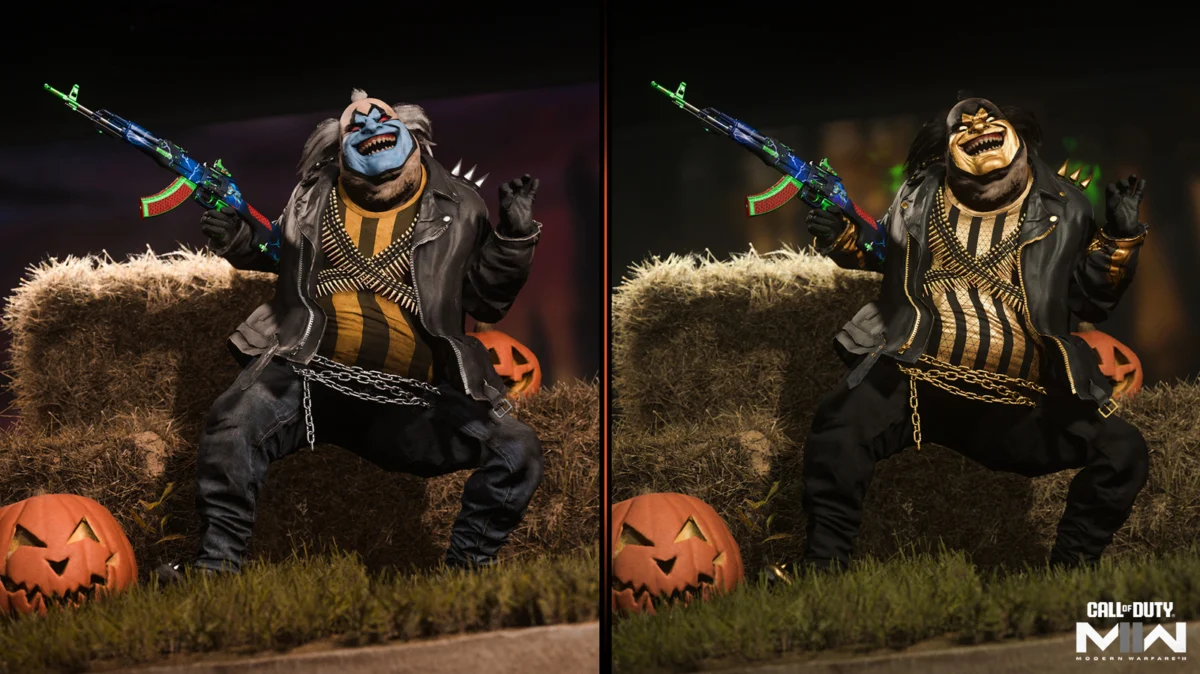
For years, the battlefield of Call of Duty: Warzone has been a surreal collision of military grit and pop-culture chaos. Players engaging in high-stakes tactical combat have frequently found themselves trading gunfire not with realistically rendered soldiers, but with neon-colored cyborgs, 90s cartoon icons like Beavis and Butt-Head, and anthropomorphic fuzzy creatures like "Wubz."
For the hardcore military-sim enthusiast, the immersion-breaking nature of these collaborations has long been a point of contention. Activision has finally heard these concerns. With the advent of Season 1 for Call of Duty: Modern Warfare 4, the developer is rolling out a highly anticipated feature: a "Tactical Toggle" that allows players to hide non-military, "goofy" skins in favor of standard, lore-appropriate Operator appearances.
The Core Update: Reclaiming the Aesthetic
The implementation of the skin-filtering feature marks a significant shift in how Activision manages the visual identity of its flagship battle royale. According to the official developer blog, the feature is designed to be a non-intrusive, client-side preference.
When a player navigates to their settings menu and enables the "Standard Operator Toggle," the game engine will automatically override the cosmetic appearance of other players within the lobby. Instead of seeing a vibrant, immersion-breaking crossover skin, the player will see a default military-themed Operator model. Crucially, this change is strictly personal. It does not affect the visual experience of other players in the match, nor does it strip the cosmetics from the players who actually own and equip them.
"We want players to enjoy the game their way," an Activision spokesperson noted in a recent press briefing. "If you want to run around as a neon-soaked mascot, that is your right. If you want to experience the intensity of a realistic tactical engagement, you now have the tools to curate your own visual environment."
A Chronology of Chaos: How We Got Here
To understand the necessity of this update, one must look at the evolution of Call of Duty cosmetics over the past decade.
The Era of Realism (2003–2018)
In the early days of the Call of Duty franchise, character customization was virtually nonexistent. Players occupied the roles of established military archetypes. Visual variety was limited to camouflage patterns and specific regional gear that fit the narrative context of the campaign or the multiplayer map.
The Rise of the Live Service (2019–2022)
The launch of the rebooted Modern Warfare (2019) and the subsequent integration of Warzone changed the financial model of the franchise. As the "Games as a Service" (GaaS) model took hold, cosmetics became the primary engine for monetization. Initially, these were grounded in military realism—custom weapon blueprints, subtle patches, and tactical variants of standard gear.
The "Fortnite-ification" of Warzone (2023–Present)
As the competition for player retention grew, Activision began aggressively pursuing high-profile intellectual property (IP) collaborations. This era saw the introduction of characters like Rambo, John McClane, Snoop Dogg, and eventually, the aforementioned Beavis and Butt-Head. While these skins were massive financial successes, driving record-breaking revenue in the in-game store, they simultaneously eroded the "serious military shooter" aesthetic that had defined the brand for nearly two decades.
Supporting Data: The Tension Between Revenue and Immersion
The decision to implement a toggle is a calculated business move, necessitated by a growing divide in the player base.
Market research indicates that while "crossover" skins drive significant microtransaction sales—often spiking in engagement during limited-time events—they also contribute to "player fatigue" among long-term, core fans. According to sentiment analysis of the Warzone community on platforms like Reddit and X (formerly Twitter), a significant portion of the "hardcore" player base has expressed a willingness to move to competing, more realistic tactical shooters if the visual absurdity continues to spiral.
Activision’s internal data shows that the "retention rate" for players who play at least 10 hours a week drops when they report high levels of frustration with "immersion-breaking elements." By offering the toggle, Activision is attempting to satisfy both demographics: the "whales" who love purchasing outlandish skins to stand out, and the "purists" who want a focused, grounded experience.
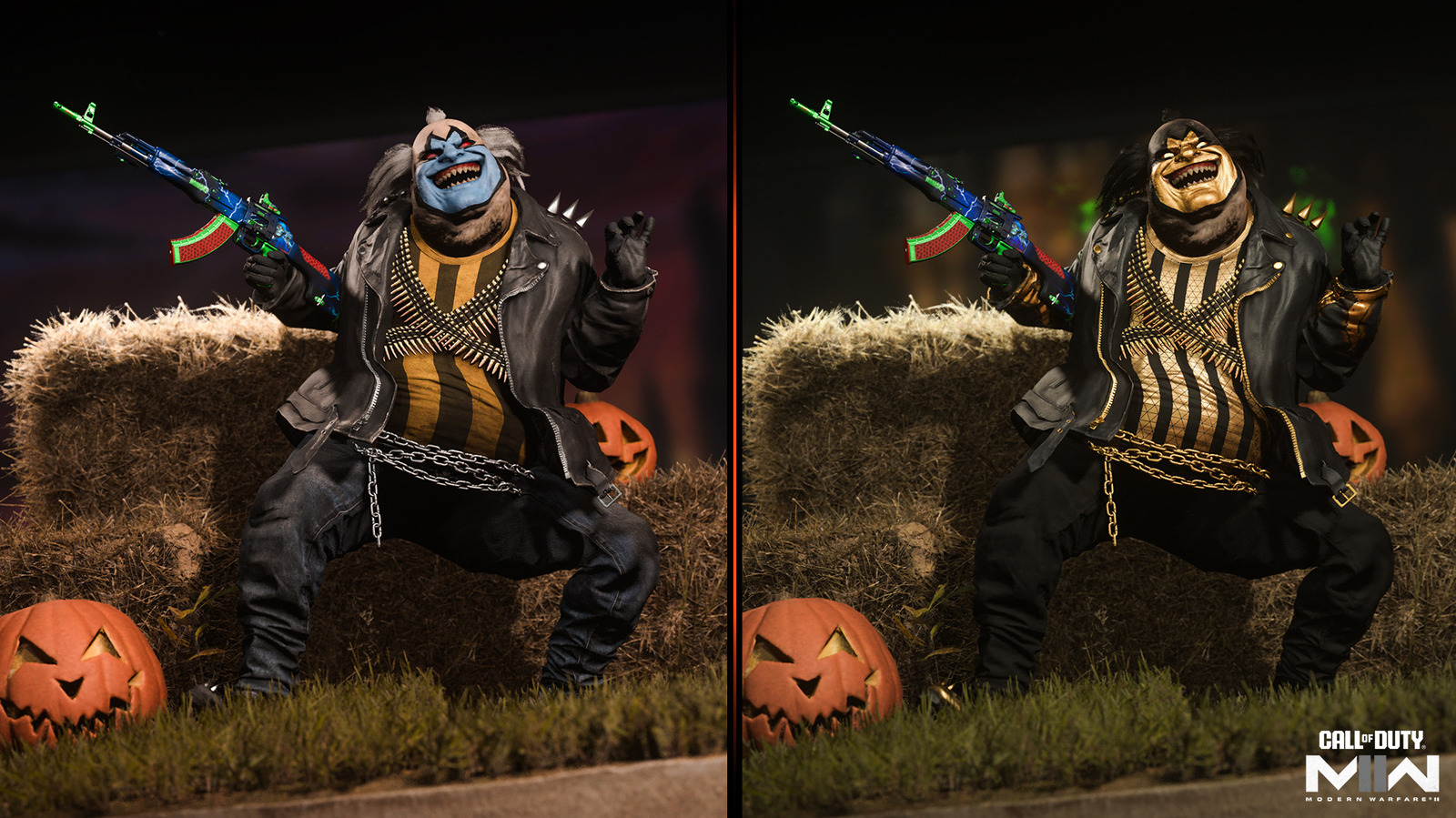
The Impact of Crossover Culture
The decision to add a toggle highlights the existential crisis facing many AAA developers today. How does a brand built on military prestige maintain its identity while simultaneously chasing the massive revenue potential of celebrity and pop-culture partnerships?
The "Wubz" incident serves as a perfect case study. When the skin was first introduced, it became an instant viral meme, but it also became a focal point for criticism regarding the game’s "identity crisis." Critics argued that when a player is eliminated by a bright purple, fuzzy mascot in the final circle of a high-stakes match, the competitive integrity of the game is undermined. The "Tactical Toggle" is, in effect, a digital "do not disturb" sign for those who feel the game’s tone has been compromised.
Implications for Future Development
The introduction of this feature has broad implications for the gaming industry at large.
1. The Death of the "Universal View"
Historically, competitive multiplayer games relied on a "universal view"—what you saw was exactly what everyone else saw. This was vital for competitive integrity, as visual cues (like identifying a character model) were uniform. By allowing players to customize their visual experience, Activision is moving toward a more personalized, subjective gaming experience.
2. A Precedent for Other Franchises
If this feature proves successful in Warzone, it is highly probable that other major live-service titles—such as Apex Legends, Valorant, or Rainbow Six Siege—will face mounting pressure from their communities to implement similar "aesthetic filters."
3. Monetization Strategy
One might wonder if this will decrease sales of "goofy" skins. Logic suggests it might, but industry analysts argue otherwise. The value of a premium skin is often driven by "social signaling"—the desire to show off to others. Since the toggle is client-side only, the "show-off" factor remains intact. The person wearing the Beavis skin still knows that hundreds of other players are seeing it; they simply aren’t seeing it themselves.
Official Response and Technical Constraints
Activision has been careful to manage expectations regarding the scope of this toggle. The feature will only replace player character skins; it will not, at this stage, replace weapon blueprints, vehicle skins, or announcer packs that lean into the "goofy" aesthetic.
"Our technical priority is ensuring that the visual integrity of the player model remains consistent with the standard military archetypes," the technical lead for Warzone stated in a recent developer diary. "We are not trying to edit the game world entirely, but we are providing a layer of control that allows for a more consistent visual battlefield."
Furthermore, there is no plan to include this in the Call of Duty "Ranked Play" modes, where visual consistency is deemed critical for competitive clarity. In Ranked Play, the game will likely continue to enforce a strict uniform standard, as the developers want to ensure that hitboxes and silhouettes remain uniform for all participants.
Conclusion: A Balanced Battlefield
The introduction of the "Tactical Toggle" in Call of Duty: Warzone is more than just a settings tweak; it is a profound acknowledgment of the dual nature of modern gaming. It represents a compromise between the economic necessity of high-revenue collaborations and the aesthetic desires of a community that still holds the original spirit of the franchise in high regard.
As the industry continues to push toward more immersive and personalized experiences, Activision’s latest move provides a roadmap for how developers can maintain the "cool factor" of branded content without alienating the core audience that keeps the game’s competitive ecosystem alive. Whether this will fully bridge the divide between the "serious" and the "silly" remains to be seen, but for millions of players, the ability to turn off the cartoon chaos is a victory for immersion.
When Season 1 officially launches, the battlefield will remain as chaotic as ever, but for those who prefer their Warzone with a touch of grit, the visual noise is finally being turned down.

 Jia Lissa
 Neng Nana