

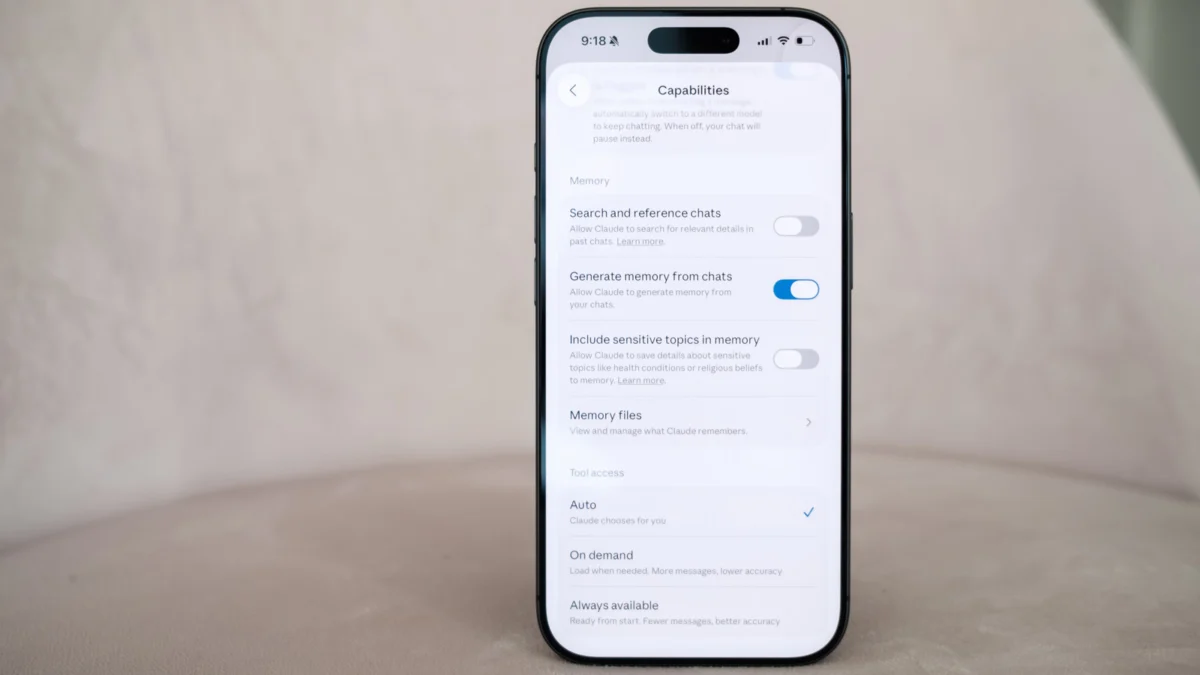
In the rapidly evolving landscape of generative AI, the ability for a model to maintain context across multiple interactions has become the new benchmark for utility. Since the summer of 2025, Anthropic’s Claude has introduced a sophisticated "memory" feature, fundamentally altering how users interact with artificial intelligence. No longer a tabula rasa that resets with every new prompt, Claude can now synthesize past conversations, understand user preferences, and provide personalized assistance that grows more accurate over time.
However, with the power of recall comes the necessity of control. As Claude’s ability to "remember" extends across chats, project sessions, and even data imported from competing platforms, Anthropic has rolled out a suite of granular management tools. This guide explores the mechanics of Claude’s memory, how you can curate the information it retains, and the broader implications of living with an AI that never forgets—unless you tell it to.
The Architecture of AI Memory: A Chronological Overview
The journey toward a sentient-feeling AI assistant began with the limitation of the "context window." Early LLMs were notoriously forgetful; once a chat session exceeded a certain token limit, the model would lose the thread of the conversation. Anthropic’s introduction of memory in 2025 was a watershed moment.
By allowing Claude to store snippets of information from previous interactions, the company transitioned the model from a simple query-response engine to a long-term collaborative partner.
- Summer 2025: Anthropic debuts memory, allowing Claude to retain user preferences and context across sessions.
- Late 2025/Early 2026: Memory integration is expanded to free-tier users, democratizing access to persistent AI assistance.
- Recent Updates: Anthropic bridges the gap between standard chats and "Claude Cowork," ensuring that professional coding sessions and casual conversations share a unified, intelligent background.
- Present Day: The release of granular privacy controls, allowing users to define exactly what categories of personal information—or "sensitive topics"—Claude is permitted to store.
This chronological progression demonstrates a clear trajectory: AI is moving away from ephemeral interactions toward a model of persistent, personalized companionship.
Mastering Your Data: How to Edit and Curate Claude’s Recall
Claude’s memory is not a monolithic black box; it is a structured database of your preferences, goals, and recurring context. Whether you are using the web interface at claude.ai or the mobile application, managing this memory is straightforward.
The Mechanism of Control
Claude organizes its memory around specific thematic topics. If you find that the AI has developed a skewed understanding of your workflow or personal preferences, you can intervene.
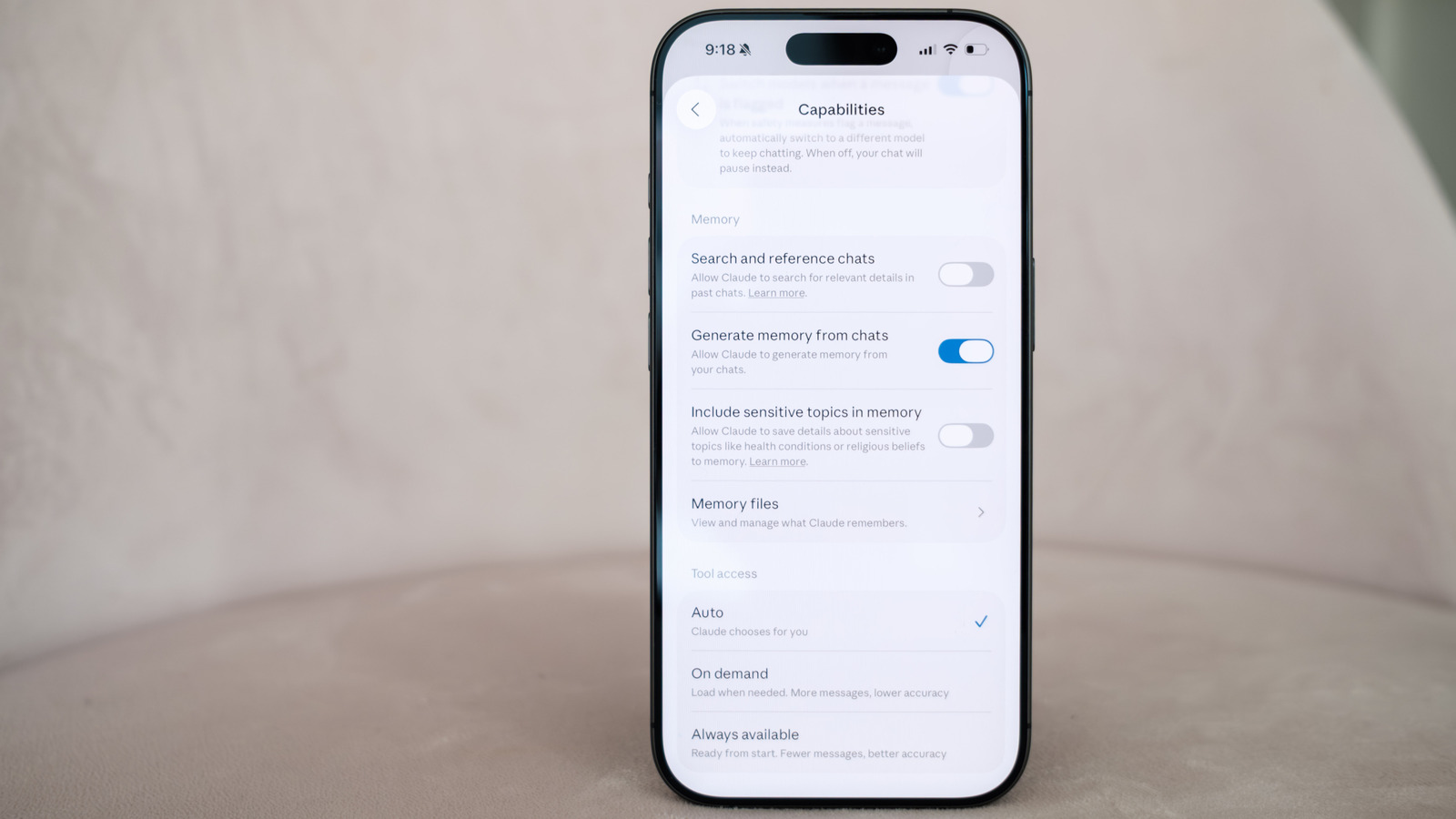
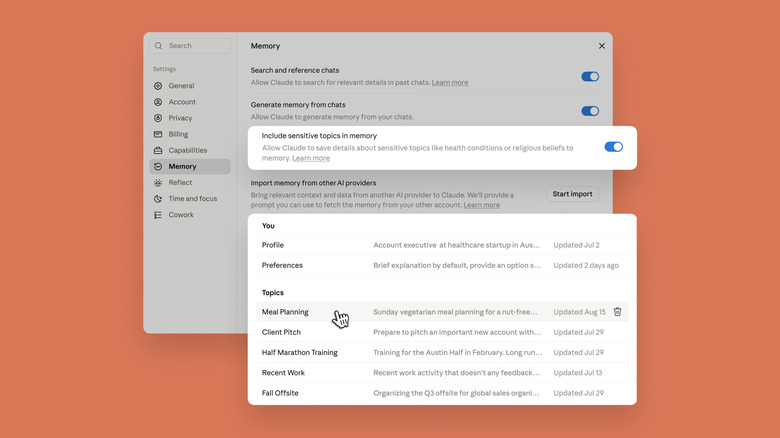
- Accessing the Memory Dashboard: Navigate to your account settings within the Claude web client. Look for the "Memory" tab. This interface provides a list of all current memory fragments the AI has synthesized about you.
- Granular Deletion: You can inspect individual memory nodes. If an entry is outdated or inaccurate, you can delete it with a single click.
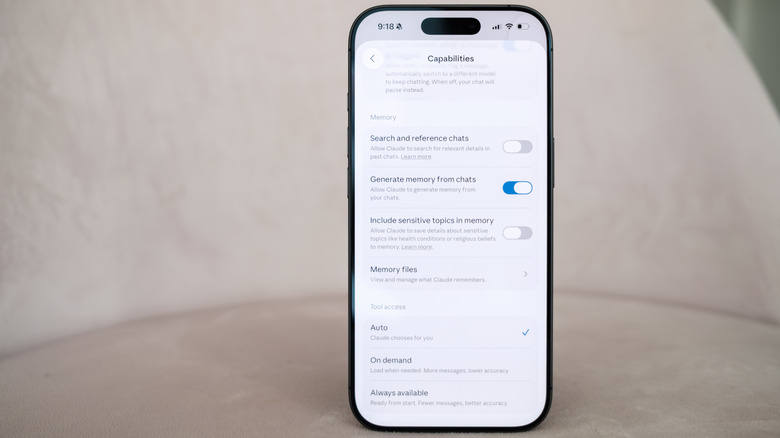
- The "Sensitive Topics" Toggle: Perhaps the most significant privacy update is the "Include sensitive topics in memory" feature. By default, Claude is programmed to ignore highly personal categories, including:
- Race and ethnicity
- Religious or political affiliations
- Health and medical data
- Gender identity
- Resetting the Slate: If you feel the AI has become "cluttered" with irrelevant data, you can choose to "Reset Memory." Be warned: this action is irreversible. Once triggered, the model reverts to its baseline state, losing all learned context.
Memory in Projects: The Siloed Approach
A common fear regarding persistent AI memory is "context bloat"—the idea that the AI might mix up your personal life with your professional coding projects. To prevent this, Anthropic has implemented "Project Siloing."
Within a Project, Claude only pulls from memories specifically tagged or relevant to that environment. You can feed documents, GitHub repositories, and specific project-related prompts into these silos. At the end of every day, Claude generates a summary of its accomplishments, which users can manually edit to refine the AI’s future performance. If a piece of information is intended to be universal (such as your preferred coding language or writing style), it can be added to the "Profile" section of the memory menu, ensuring it carries across every project you undertake.
Official Stance and Privacy Safeguards
Anthropic’s approach to memory is built on the principle of "informed consent." The company has made it clear that while memory is enabled by default to improve user experience, it is entirely optional.
"We are committed to giving users the keys to their own data," an Anthropic representative stated during the latest update. The company emphasizes that certain data points, such as government identification numbers or sensitive financial credentials, are excluded from memory storage regardless of user settings. This "hard-coded" privacy layer ensures that even if a user accidentally shares sensitive info, the model is trained to reject it from its long-term database.
Furthermore, for those who wish to maintain absolute privacy, the "Incognito Mode" (accessible via the ghost icon in the interface) remains the gold standard. In this mode, no data is written to memory, and the interaction is not used for model training, providing a secure sandbox for sensitive queries.
The Broader Implications of Persistent AI
The ability to edit a machine’s memory raises profound questions about the nature of identity and digital legacy. As we feed more of our personal history into LLMs, the models become mirrors of our own thoughts.
1. The Death of the "New Start"
Historically, every time we logged into a search engine or a chat interface, we started with a blank slate. By allowing AI to remember us, we are creating a digital "shadow." While this improves productivity, it also forces us to consider what information we want to carry forward. We are no longer just users; we are curators of our AI’s intelligence.
2. Cross-Platform Portability
The ability to import memory from other providers (like ChatGPT) signifies a shift in the industry. Data is becoming portable. This reduces "vendor lock-in" and encourages a competitive market where users can switch AI platforms without the "cold start" problem of teaching a new model their entire life history from scratch.
3. Ethical Considerations
As AI memory becomes more sophisticated, the line between "helpful personalization" and "invasive profiling" blurs. Anthropic’s decision to allow users to see exactly what the model remembers is a critical step in maintaining user trust. It prevents the AI from becoming an opaque oracle that "knows too much" without the user’s explicit knowledge.
Practical Tips for Power Users
To get the most out of Claude’s memory, consider these advanced strategies:
- The Daily Audit: Spend five minutes a week reviewing your memory profile. Removing outdated context helps the AI provide more relevant, current answers.
- The "Context Injection" Method: If you are working on a project that requires specific constraints, add those constraints to your "Profile" section rather than repeating them in every chat.
- Leveraging Import Tools: If you are migrating from a different AI ecosystem, use the "Start Import" feature. It saves hours of manual configuration and allows Claude to hit the ground running with your existing preferences.
- Toggle "Pause" Strategically: If you are conducting research on a topic that you don’t want the AI to learn from—for example, a temporary interest or a one-off project—toggle "Pause Memory" before you begin. This prevents your long-term profile from becoming polluted with noise.
Conclusion
The ability to "rewrite history" by editing a chatbot’s memory is more than just a convenience; it is a fundamental shift in the power dynamic between human and machine. As Claude continues to integrate into our personal and professional lives, the tools Anthropic has provided offer a necessary check on the model’s capabilities. By actively managing what the AI knows, we ensure that our digital assistants remain tools that serve us, rather than repositories of unintended information. In the era of persistent AI, the most important skill is not just knowing how to prompt, but knowing how to curate.











