Laily UPN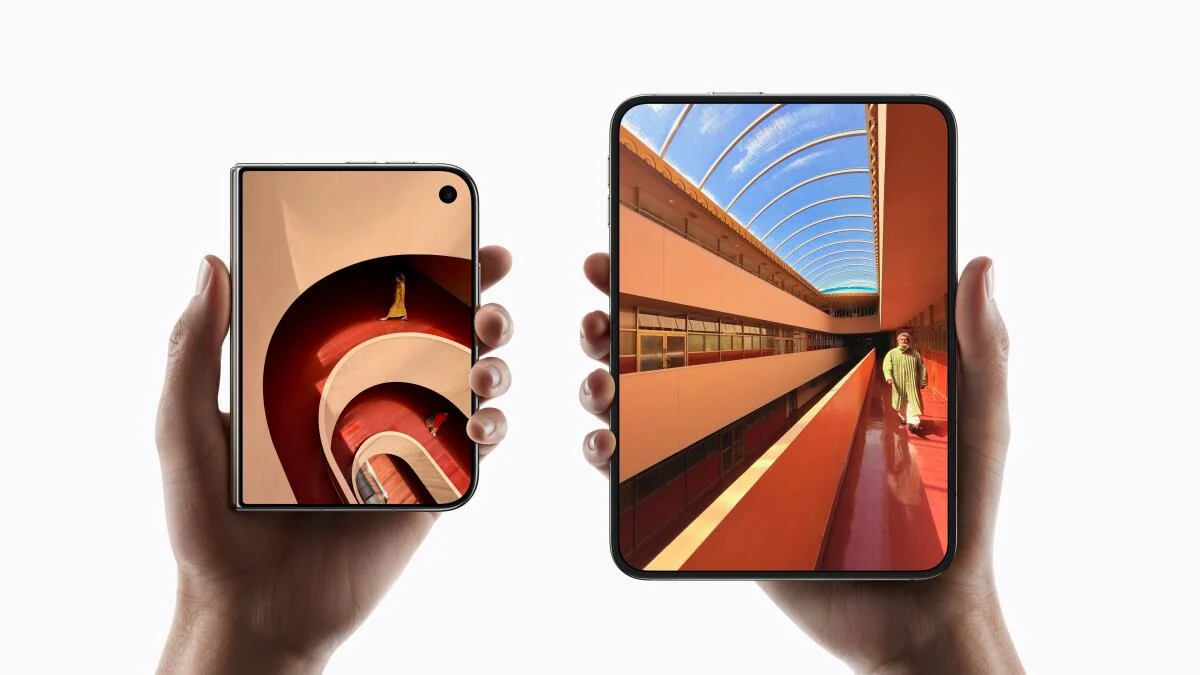
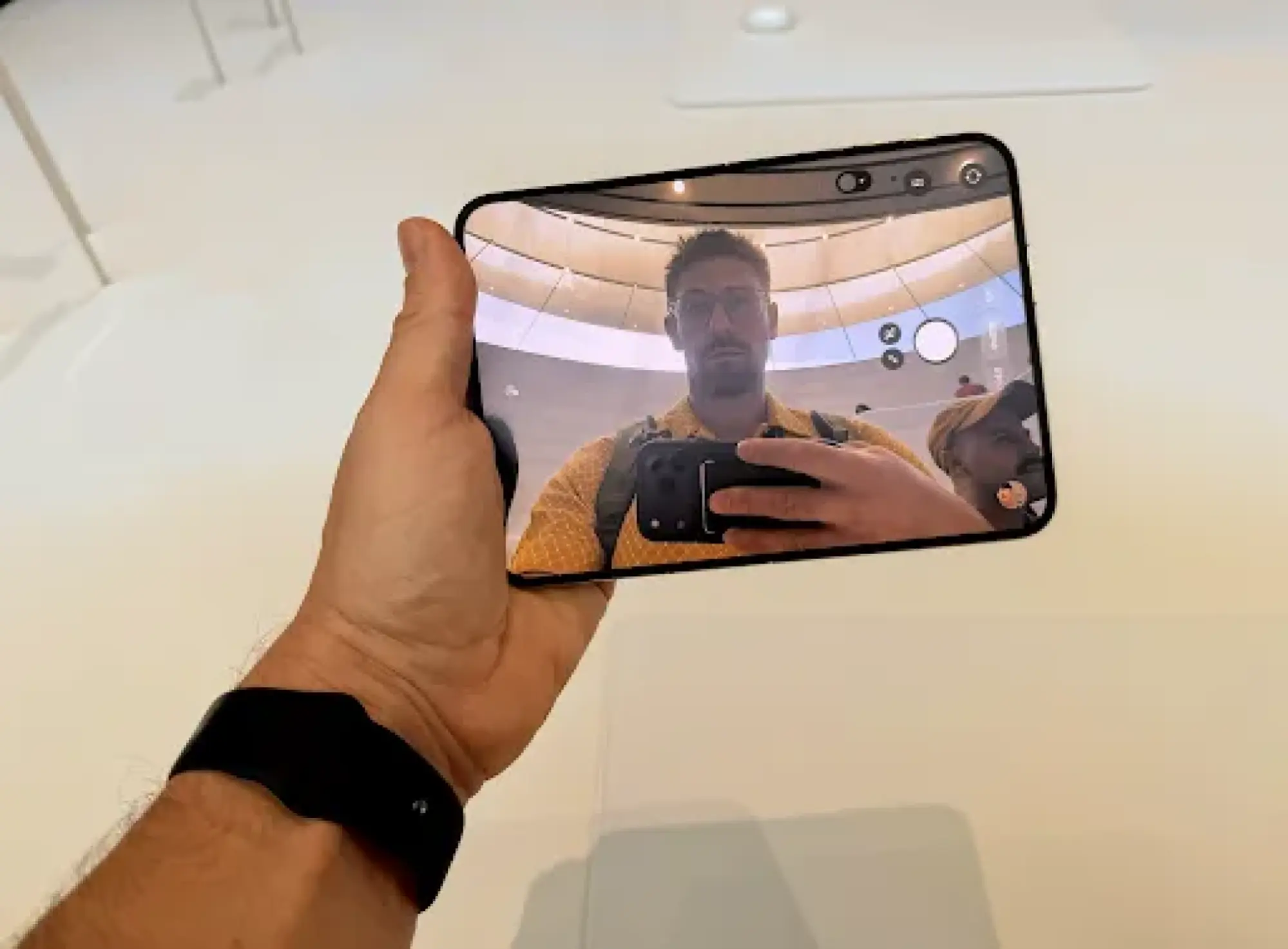
The tech industry’s most persistent rumor has finally transformed into reality. At Apple’s highly anticipated "Surprise and Shine" event held this Wednesday at the iconic Apple Park in Cupertino, the company shattered years of speculation by pulling the curtain back on its first-ever foldable device: the iPhone Duo.
The announcement marks a pivotal shift in Apple’s hardware philosophy. For years, the tech giant remained a staunch observer of the foldable trend, watching from the sidelines as rivals like Samsung and Google iterated through multiple generations of flexible displays. With the iPhone Duo, Apple has finally entered the fray, promising a marriage of the company’s signature ecosystem integration with the versatile, expansive form factor of a folding handset. However, as the initial excitement ripples through the tech community, the device has triggered an immediate, lighthearted, and occasionally chaotic reaction from competitors and cultural institutions alike.
The Architecture of the iPhone Duo: A Technical Deep Dive
The iPhone Duo arrives with a 7.6-inch inner display—a sprawling OLED panel that, when unfolded, offers the productivity benefits of a tablet in a pocketable footprint. Engineering a hinge mechanism that meets Apple’s stringent quality standards has long been rumored to be the primary hurdle for the Cupertino team, and the final product suggests a focus on durability and seamless integration.
Under the hood, the device is powered by the latest iteration of Apple’s custom silicon, optimized to manage the complex multitasking requirements of a dual-screen interface. Unlike its competitors, Apple has leaned heavily into "continuity software," allowing users to transition apps from the smaller outer cover display to the massive internal screen without a stutter.
While the device’s premium price tag has already drawn headlines, industry analysts suggest that Apple is betting on the brand loyalty of its ecosystem to justify the cost. For those accustomed to the "Apple tax," the iPhone Duo isn’t just a gadget; it is a statement piece, a bridge between the classic iPhone experience and the future of mobile computing.
A Chronology of the Long-Awaited Reveal
The road to the iPhone Duo was paved with years of speculation, patent filings, and "leaker" activity that kept the tech press in a perpetual state of anticipation.
- 2021–2022: The Patent Phase: Early rumors began as whispers, fueled by Apple’s series of patent filings detailing "hinge mechanisms for electronic devices" and "flexible display coatings."
- 2023: The "Wait and See" Approach: While Samsung launched its Galaxy Z Fold series, Apple executives maintained a public stance of skepticism regarding the maturity of folding glass technology.
- Early 2024: The Supply Chain Leak: Reports from Asian manufacturing hubs suggested that Apple had begun prototyping a foldable device with a 7-to-8-inch display.
- September 2026: The "Surprise and Shine" Keynote: The curtain officially rises. Apple CEO John Ternus takes the stage, ending the "rumor mill" era and introducing the device to a global audience.
The Competitive Landscape: Samsung and Google’s Shadow
Apple does not enter this market in a vacuum. Samsung, the current market leader in the foldable space, had only recently unveiled its Galaxy Z Fold 8 in July. The transition from the Fold 8 to the iPhone Duo has created a fascinating friction between the two giants.
Shortly after the presentation concluded, Samsung’s social media team took to X (formerly Twitter) to fire a shot across the bow. While the specific content of the post was cryptic, the timing and tone were unmistakable: a defensive yet cheeky response to Apple’s "late arrival" at the foldable party.
Industry analysts observe that this is more than just marketing banter; it is a battle for market share in the premium smartphone segment. With Apple now offering a competitor to the Z Fold series, Samsung faces the challenge of justifying its technological head start against the immense marketing engine of the Apple brand. Google, too, finds itself in a precarious position, with its Pixel Fold line needing to demonstrate unique AI-driven value propositions to avoid being eclipsed by Apple’s ecosystem-locked software features.
The "Duo" Dilemma: A Collision of Brands
In an unexpected twist, the branding of the "iPhone Duo" triggered a secondary crisis—not in the tech sector, but in the world of mobile app development. The language-learning app Duolingo, known for its irreverent and aggressive social media presence, found itself in an existential crisis regarding Search Engine Optimization (SEO).
The official Duolingo account expressed visible panic on social media, questioning how a flagship device would affect their brand presence in search results. The company’s social media managers took the bold step of "@ing" Apple CEO John Ternus, asking in plain terms: "It’s called the iPhone WHAT???"
This digital spat highlights the branding challenges that come with product naming in the age of global search dominance. The Duolingo team’s humorous "spiraling" provided a moment of levity during the high-stakes product launch, illustrating how modern corporate communication has moved away from stiff press releases to real-time, personality-driven engagement.
The Literary Critique: Merriam-Webster’s "Shade"
Perhaps the most unexpected participant in the iPhone Duo conversation was Merriam-Webster. Known for its quick-witted social media commentary, the dictionary account joined the fray with a dry, academic jab at the concept of "foldability."
"Not to brag, but our product has been foldable since 1828," the account posted. The tweet garnered massive engagement, serving as a reminder of the cultural weight the iPhone carries. When a tech launch becomes a topic for a dictionary to weigh in on, it is a testament to the sheer scale of the event. It also points to the absurdity of the "innovation" cycle, where tech companies market hardware features as revolutionary, even as the public realizes that the concept of a "foldable" has existed in the physical world for centuries.
The Economic and Consumer Implications
What does the arrival of the iPhone Duo mean for the average consumer? First, it signals that the foldable category has reached a "tipping point." When Apple enters a market, it effectively validates the technology for the mainstream. We can expect to see a surge in foldable adoption across the broader smartphone market, as component costs for flexible OLEDs and hinge assemblies likely drop due to increased demand.
However, the cost of entry remains a significant barrier. The iPhone Duo is positioned as a luxury device, aimed at professionals, creators, and power users who require the extra screen real estate for multitasking. For the casual user, the standard iPhone 18 remains the primary option, leaving the Duo as a niche, albeit high-profile, choice.
Furthermore, the integration of Apple’s proprietary software—specifically how iOS handles the "fold"—will be the true test. If the software is buggy or fails to utilize the internal screen effectively, the hardware innovation will be rendered moot. The eyes of the world are now on the first wave of reviewers to see if the "Duo" experience matches the "Apple" promise.
Conclusion: A New Chapter for Cupertino
The unveiling of the iPhone Duo is, without question, the most significant hardware announcement from Apple in years. By entering the foldable market, Apple has acknowledged that the future of the smartphone is not necessarily a static slate, but a dynamic, shape-shifting tool.
As the dust settles on the "Surprise and Shine" event, the real work begins. Apple must now navigate the competitive pressure from Samsung, the SEO confusion with Duolingo, and the high expectations of its global fanbase. Whether the iPhone Duo becomes a staple of the mobile landscape or a fleeting experiment remains to be seen. But one thing is certain: the foldable wars have officially entered their most intense phase yet.
For those looking to track the ongoing fallout and the early performance reports, Mashable’s live blog remains the primary source for real-time updates from Apple Park. As we watch the first units reach the hands of the public, the question will shift from "Can they build it?" to "Can they redefine it?" The era of the iPhone Duo is here, and it is every bit as loud and complicated as the rumors suggested.

 Ammar Sabilarrohman
 Rifan Muazin