In the rapidly evolving landscape of mobile photography and videography, Samsung has once again pushed the boundaries of what is possible with a smartphone camera. With the introduction of the Galaxy Z Fold8 series and the accompanying One UI 9 software update, the tech giant has unveiled "My FanCam"—a sophisticated AI-driven editing tool designed to transform how users capture and curate group events. By shifting the burden of composition from the moment of recording to the post-production phase, Samsung is effectively democratizing professional-grade tracking shots.
Main Facts: Redefining the Subject
At its core, My FanCam is a post-processing marvel. It is designed specifically for complex scenes—think crowded school plays, high-energy dance recitals, or fast-paced sporting events—where tracking a single subject in real-time is often impossible for a human operator.
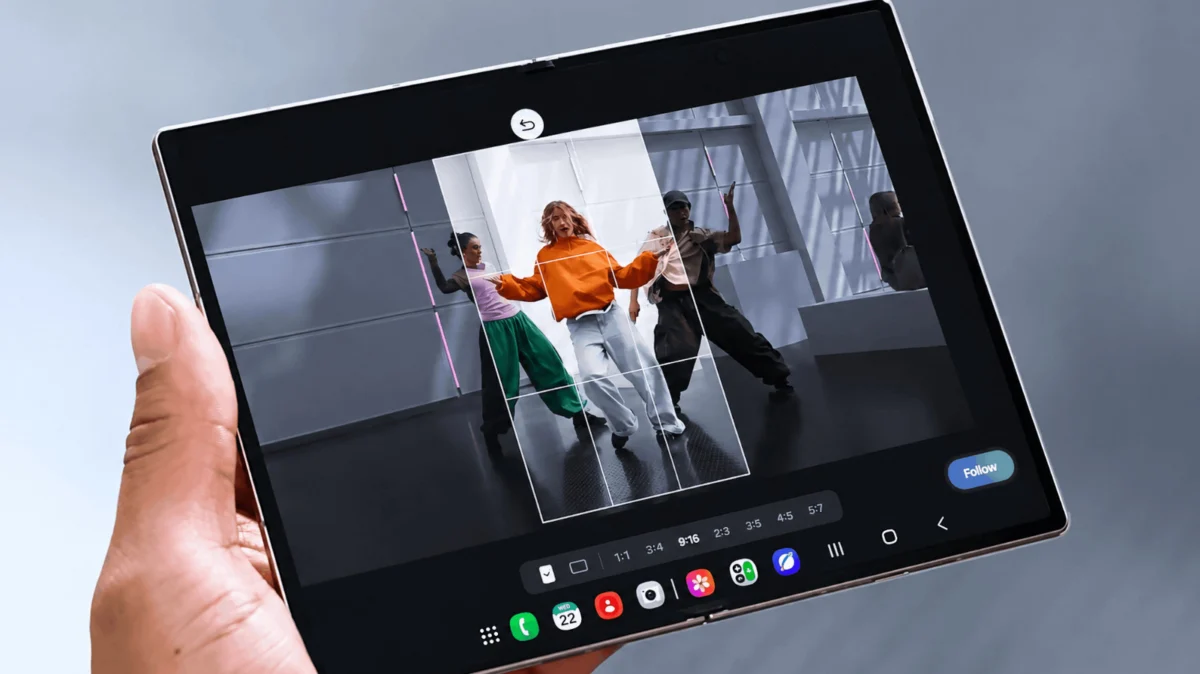
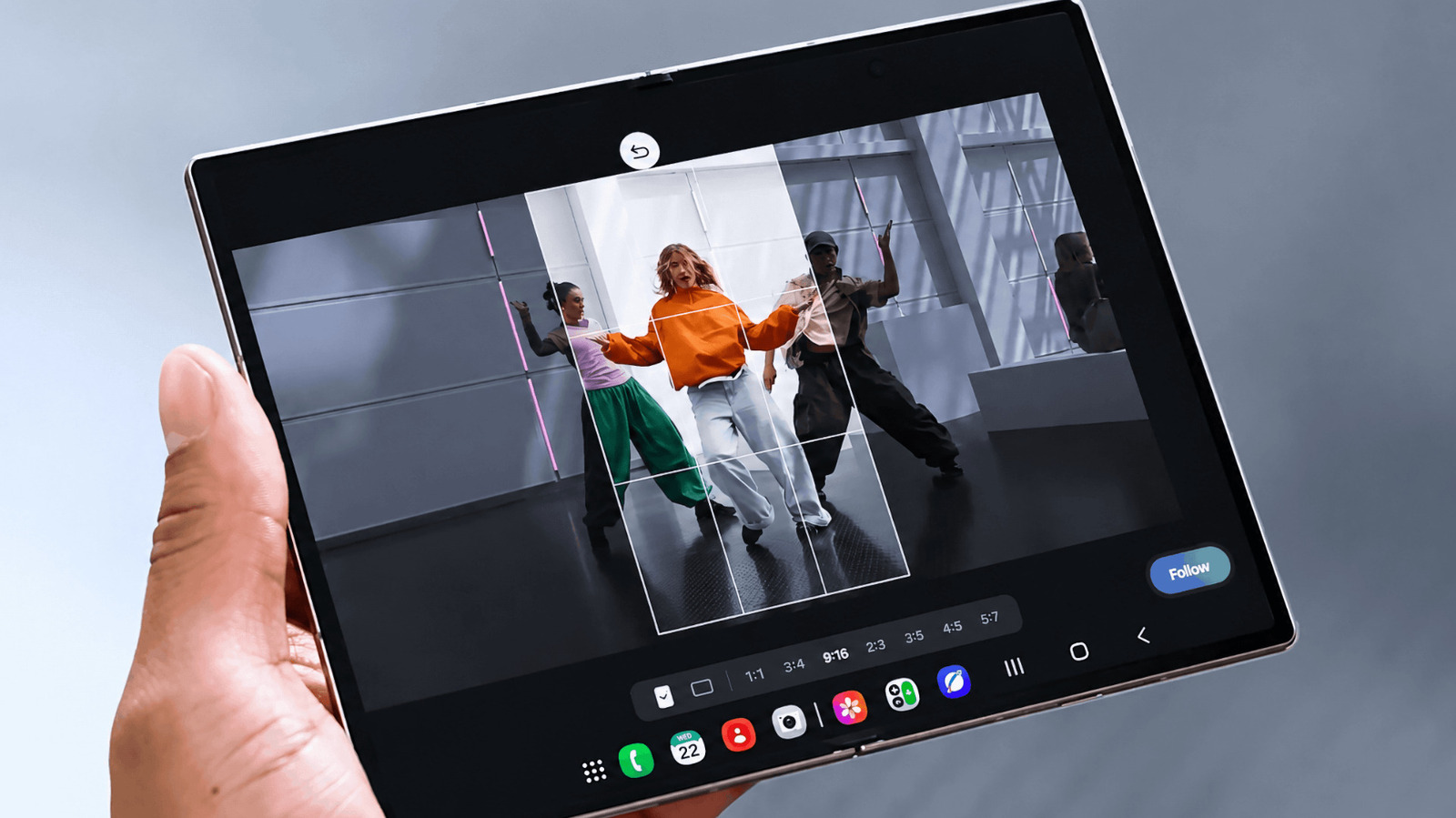
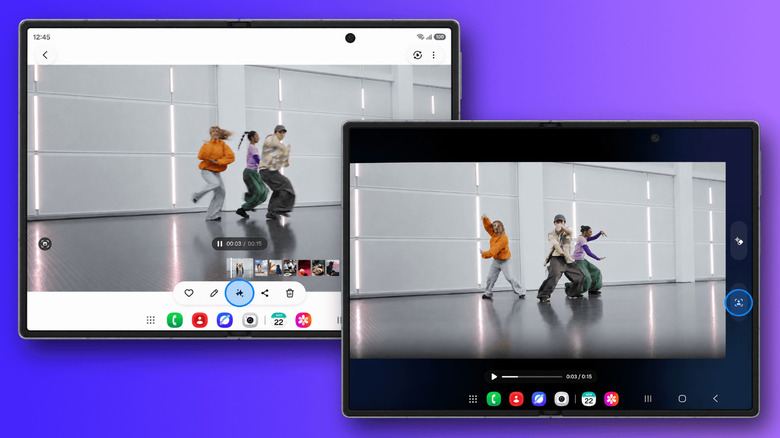
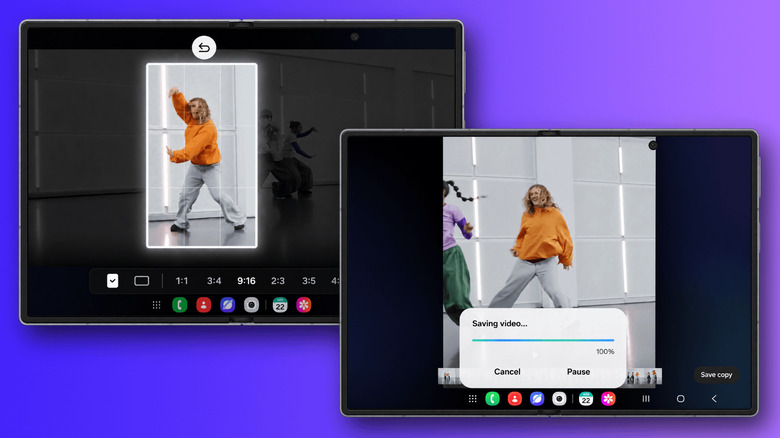
Unlike traditional "Auto Framing" features that attempt to pan and zoom while the user is actively recording, My FanCam performs its magic after the fact. The user simply records a wide, stable shot of the entire scene. Once the video is captured, the Galaxy AI engine analyzes the spatial data, identifies individual subjects, and allows the user to "lock on" to a specific person. The software then performs a dynamic, intelligent crop, creating a new, high-definition clip that follows the chosen subject as they move through the frame. The result is a professional "fan-cam" style video that feels as though it was captured by a dedicated camera operator.
Chronology: The Evolution of One UI 9
The release of My FanCam is tethered to the rollout of One UI 9, which debuted alongside the Samsung Galaxy Z Fold8 and Z Fold8 Ultra. The timeline of this feature’s arrival is indicative of Samsung’s broader strategy:
- July 2026: Samsung introduces the Galaxy Z Fold8 lineup at its annual Unpacked event, highlighting the integration of advanced Galaxy AI features within the camera and gallery applications.
- Post-Launch Phase: Following the release, the software suite, including My FanCam, became a flagship highlight for the Z Fold8 and Z Flip8 models.
- Future Rollout: While One UI 9 is slated for a wider distribution across the Galaxy ecosystem, Samsung has cautioned that specific AI features like My FanCam are subject to hardware limitations and regional availability, marking a tiered approach to feature deployment.
Supporting Data: Optimizing Your Workflow
To leverage the full potential of My FanCam, users must adjust their shooting habits. Because the feature relies on "reframing" existing pixels, it is inherently limited by the boundaries of the original footage.
Best Practices for Optimal Results
- Maintain a Wider Frame: The primary constraint of My FanCam is that it cannot "invent" visual information that wasn’t recorded. If you start with a tight, zoomed-in shot, the AI has no surrounding context to track the subject if they move toward the edge of the frame. A wider angle ensures the subject remains within the capture area throughout the duration of the clip.
- Ensure Subject Clarity: For the AI to successfully track a person, they must be distinct from the background. Busy, low-light, or extremely crowded environments can occasionally challenge the object-tracking algorithms.
- Choose Your Aspect Ratio: Once the AI identifies the subjects, users can select an aspect ratio that suits their destination. Whether it is a vertical 9:16 crop for TikTok or Instagram Reels, or a traditional 16:9 for YouTube, the AI handles the tracking dynamically across the chosen canvas.
Official Responses and Technical Nuances
Samsung has been transparent about the limitations of this technology. In official documentation accompanying the One UI 9 release, the company emphasizes that My FanCam is an assistive tool, not a guarantee of perfection.
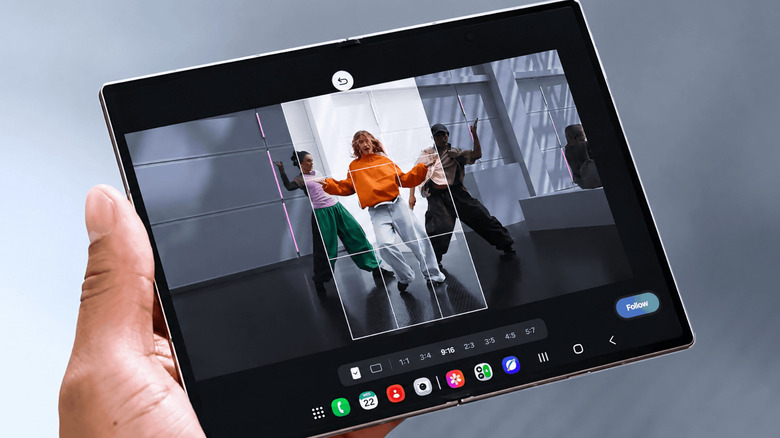
"The feature works by moving a virtual window across the existing footage," a spokesperson noted during the product briefing. "However, if the subject moves completely out of the frame during the recording, the AI cannot track what isn’t there."
Furthermore, the company has clarified the disparity between "Auto Framing" and "My FanCam." While Auto Framing is a hardware-intensive process that requires the camera’s mechanical or digital sensors to react in real-time, My FanCam is a computational photography breakthrough. It is "Galaxy AI" in its purest form—using neural networks to interpret data that has already been committed to storage. This distinction is vital for power users who need to know which tool to use for which specific scenario.
Implications: The Democratization of Professional Content
The implications of My FanCam are profound, particularly for content creators and casual users who want to produce "polished" footage without carrying bulky equipment or needing professional editing skills.
A New Standard for User-Generated Content
Historically, "fan-cams"—a popular genre of social media content where a specific person (often a celebrity, athlete, or performer) is followed throughout an entire video—required manual editing in third-party software like Adobe Premiere or Final Cut Pro. By moving this capability directly into the native Samsung Gallery app, the barrier to entry has effectively collapsed. A parent filming their child at a dance recital no longer needs to worry about keeping the camera centered; they can simply capture the whole stage and create a "star-focused" edit in seconds.
The Rise of "Post-Recording Composition"
My FanCam represents a fundamental shift in the philosophy of mobile videography: Capture now, decide later. This philosophy is gaining traction as smartphone sensors become increasingly capable of 4K and 8K resolutions. By recording at a higher resolution with a wider field of view, users are effectively creating a "digital canvas" that can be cropped, zoomed, and reframed later without significant loss of quality.
The Ethical and Technical Horizon
As this technology matures, we can expect to see further integration of generative AI to "fill in" gaps. Currently, My FanCam is restricted to the pixels present in the source file. However, as generative models improve, future iterations of this technology might be able to intelligently reconstruct or stabilize footage even if the subject briefly exits the frame, or improve the resolution of the cropped area using super-resolution upscaling.
Compatibility and Regional Constraints
It is important to note that the rollout of such high-end features is never uniform. Samsung has stated that while the Z Fold8 and Flip8 are the current benchmarks, the availability of My FanCam on older or mid-range devices will depend on the specific NPU (Neural Processing Unit) capabilities of the chipsets involved. Users in different global markets may also experience slight variations in functionality due to language processing or regulatory compliance regarding AI-generated media.
Conclusion: A Tool for the Modern Era
Samsung’s My FanCam is a testament to the fact that the next big innovation in mobile photography isn’t necessarily more megapixels or a larger sensor—it is the intelligence of the software that interprets the data. By providing users with the agency to rewrite the composition of their videos long after the event has concluded, Samsung has fundamentally changed the role of the smartphone user from a "passive recorder" to an "active director."
As the technology continues to propagate through the One UI ecosystem, we are likely to see a surge in high-quality, subject-tracked content across social media. Whether you are a dedicated fan wanting to highlight a specific performer or a parent trying to preserve a soccer goal, My FanCam ensures that your most important subject is always the main character of your story. While users must still exercise good filming discipline—specifically keeping the camera wide and the subjects clear—the heavy lifting is now firmly in the hands of the AI, making the art of the perfect shot more accessible than ever before.