In the rapidly evolving landscape of digital health, video marketing has emerged as the most potent medium for bridging the gap between clinical complexity and patient understanding. As we move further into 2025, the healthcare sector is undergoing a profound transformation. Hospitals, private practices, and medical technology firms are shifting away from static, text-heavy communications toward dynamic, visual storytelling that humanizes the patient journey.
Video content—ranging from physician interviews and facility tours to granular explainers on medical procedures—is no longer just a "nice-to-have" marketing asset. It is an essential component of patient education and brand trust. However, the path to producing high-quality medical content is paved with unique challenges. Healthcare marketers must navigate the intricate demands of HIPAA compliance, ensure the absolute accuracy of sensitive information, and maintain a tone of professional empathy that resonates with audiences.
To help you navigate this space, we have curated a guide to the five best video editing platforms for healthcare marketing in 2025, balancing professional-grade power with accessibility.
The Evolution of Medical Marketing: Why Video Now?
The surge in healthcare video content is driven by a simple reality: patients are digital-first consumers. According to recent industry data, over 70% of patients conduct online research before selecting a provider or undergoing a procedure. Video, by its nature, is more accessible and shareable than traditional pamphlets.

Chronology of the Shift
- Pre-2020: Healthcare marketing was dominated by SEO-driven blog posts and static brochures.
- 2020–2022: The global pandemic forced a pivot to telehealth and remote communication, accelerating the adoption of video as a primary touchpoint for patient updates.
- 2023–2024: The emergence of AI-driven editing and high-speed mobile connectivity enabled smaller practices to produce "broadcast-quality" content.
- 2025 and Beyond: We are seeing the integration of augmented reality (AR) and sophisticated animation into standard patient education, necessitating more advanced yet intuitive editing workflows.
1. Adobe Premiere Pro: The Gold Standard for Professional Production
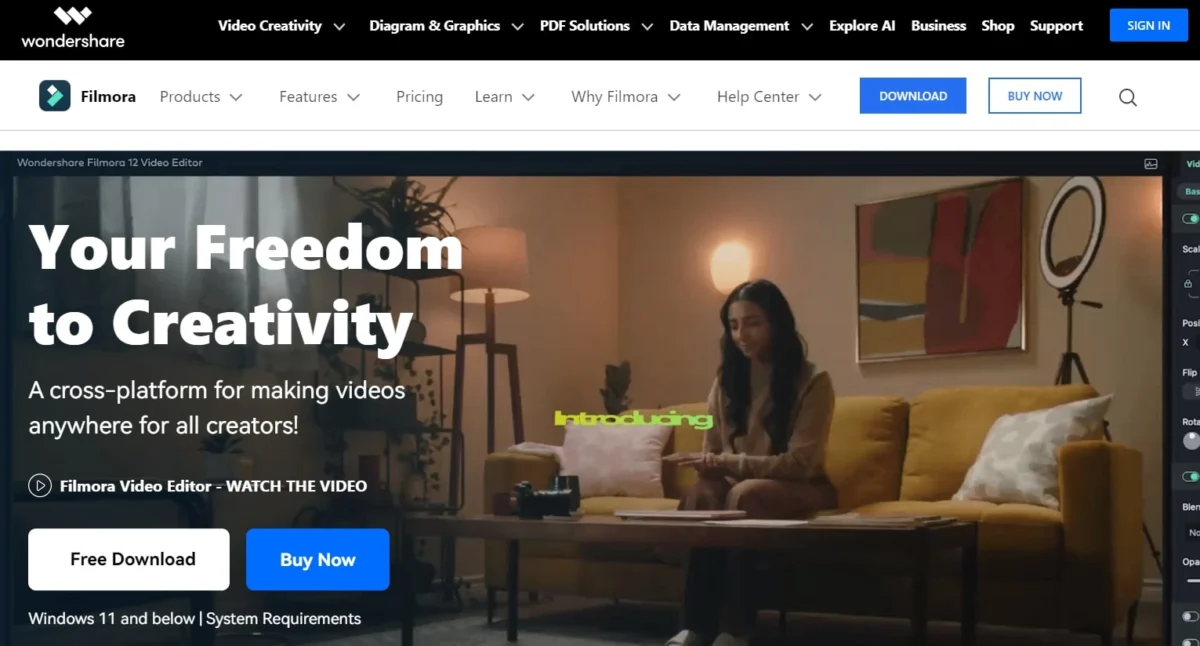
For healthcare organizations aiming to build a high-authority brand, Adobe Premiere Pro remains the industry leader. It is the go-to software for broadcast-level editing, providing a non-linear workflow that is essential for complex medical documentaries or high-production-value physician spotlights.
Why It Fits Healthcare
When dealing with intricate medical procedures, frame-perfect precision is non-negotiable. Premiere Pro’s timeline allows for complex layering of B-roll, motion graphics, and voiceovers.
- Key Features: Advanced multi-cam editing, lumetri color correction, and seamless integration with Adobe After Effects for high-end medical motion graphics.
- Pros: Industry-standard compatibility; vast library of plugins; unparalleled control over audio and visual fidelity.
- Cons: Steep learning curve for beginners; requires a powerful workstation.
- Best For: Large hospital systems and medical marketing agencies producing high-impact, long-form content.
- Pricing: $20.99/month.
2. Animaker: Demystifying Complex Science
Not all healthcare videos require a camera crew. For many, the challenge is explaining the "how" and "why" of a condition or treatment. This is where animation bridges the gap. Animaker is a cloud-based powerhouse that uses AI to help marketers build medical explainers without needing a degree in animation.
Bridging the Knowledge Gap
Complex concepts, such as how a specific pharmaceutical drug interacts with a protein or how a surgical implant functions, are often difficult to capture on film. Animaker provides pre-built medical characters and anatomy assets that make these concepts digestible.
- Key Features: AI-powered text-to-speech, vast library of medical-themed templates, and a drag-and-drop interface.
- Pros: Extremely low barrier to entry; fast turnaround times for social media snippets.
- Cons: Limited customization compared to professional 3D software.
- Best For: Public health campaigns, patient education portals, and clinic social media pages.
- Pricing: Free plan available; paid plans start at $15/month.
3. Filmora: The Sweet Spot of Creativity and Efficiency
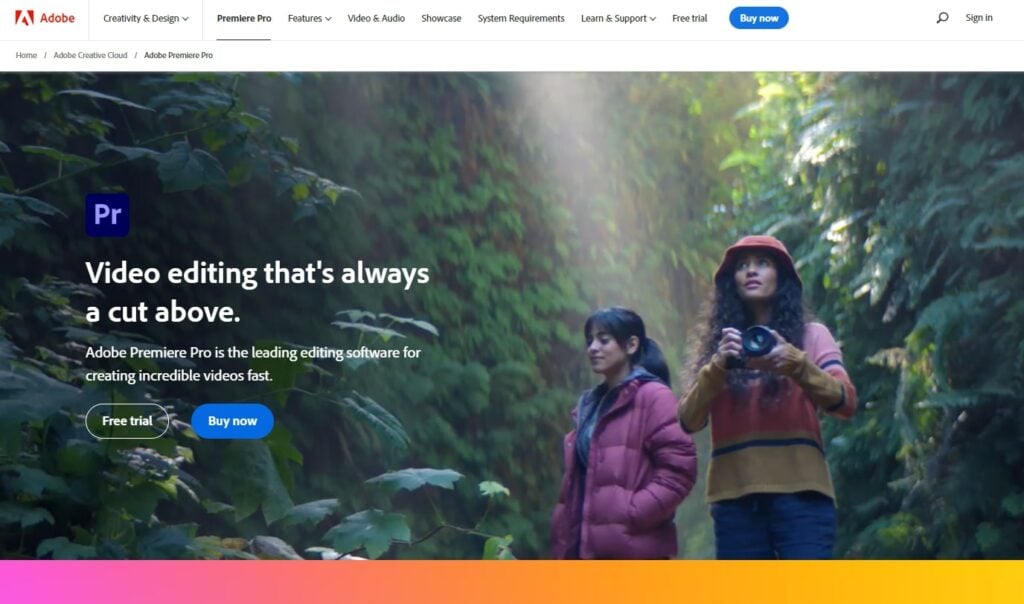
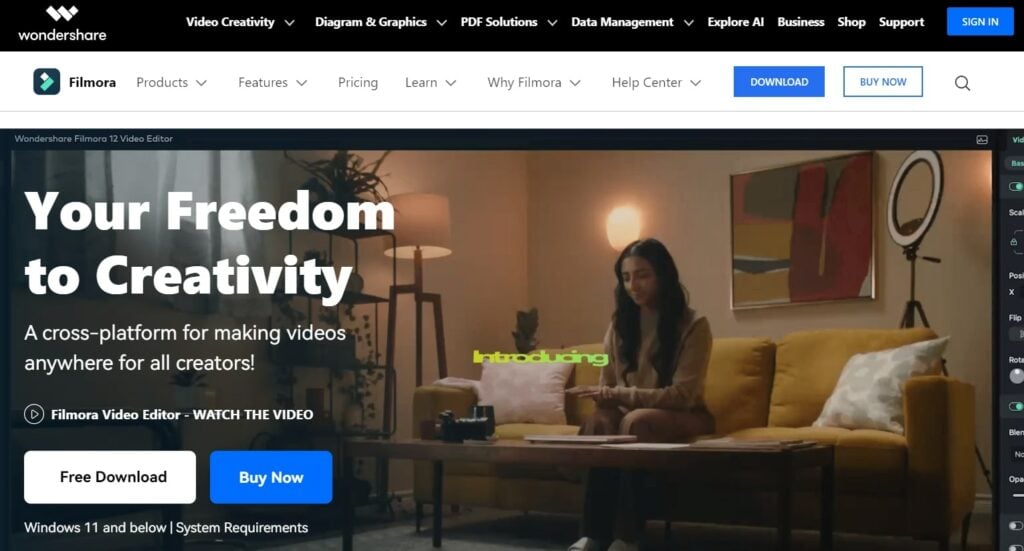
Filmora offers a balanced middle ground. It is significantly more powerful than basic editors but lacks the overwhelming complexity of a full-scale professional suite. For a marketing team tasked with a high volume of content—such as weekly health tips or staff introductions—Filmora is the engine that keeps the momentum going.
Enhancing Storytelling
Storytelling is the heart of patient testimonials. Filmora’s "instant mode" and extensive effect library allow editors to emphasize the emotional journey of a patient recovery story without losing the viewer to boring transitions.
- Key Features: AI-assisted background noise removal (crucial for clinic-recorded interviews), motion tracking, and a massive library of royalty-free stock music.
- Pros: Intuitive interface; frequent updates with new AI features; great for quick, high-quality turnarounds.
- Cons: Can be resource-heavy on older hardware.
- Best For: Mid-sized clinics and private practices looking to scale their YouTube presence.
- Pricing: Starts at $49.99/year.
4. iMovie: The Accessible Starting Point for Mac Environments
For smaller practices or solo practitioners, complexity is the enemy of productivity. If your team operates within the Apple ecosystem, iMovie remains the most efficient, cost-effective, and user-friendly tool for creating polished, professional videos.
Why Simplicity Wins
When the goal is to provide quick, reliable updates to a patient community, you don’t need 4K color grading—you need clarity. iMovie provides clean templates, high-quality titling, and simple drag-and-drop editing that ensures your message isn’t buried under technical jargon.

- Key Features: Built-in templates for trailers and news-style reports; easy integration with iPhone footage.
- Pros: Free, no learning curve, highly stable performance on Mac hardware.
- Cons: Extremely limited for complex projects; lacks advanced audio mixing tools.
- Best For: Quick patient updates, simple internal communication videos, and solo practitioners.
- Pricing: Free.
5. DaVinci Resolve: Cinematic Excellence for Medical Branding
DaVinci Resolve is the powerhouse of the film industry, famous for its color correction capabilities. In healthcare marketing, where the visual aesthetic of a facility or the clarity of a medical procedure is part of the brand’s "trust factor," Resolve offers a cinematic edge that is unmatched.
The Power of Visual Trust
When producing a documentary-style video about a new cancer treatment center or a specialized surgical unit, the visual quality directly impacts the viewer’s perception of the institution’s credibility. Resolve’s professional color grading tools ensure that your facility looks bright, sterile, and welcoming.
- Key Features: Professional-grade color grading, Fairlight audio post-production, and advanced visual effects.
- Pros: Unrivaled color correction; the free version is more powerful than most paid competitors.
- Cons: Requires significant hardware investment; the UI can be daunting for non-editors.
- Best For: High-end facility tours, recruitment videos, and medical documentaries.
- Pricing: Free version available; Studio version is a $295 one-time purchase.
Implications for Healthcare Marketing Strategy
As we look toward the remainder of 2025, the implications of these tools are clear: The democratization of high-quality video production is here. Healthcare marketers no longer have an excuse for producing lackluster, unengaging content.
The Compliance Factor
Regardless of the tool, the strategy must remain compliant. When utilizing these editors, organizations must ensure that:
- Patient Consent: Every video featuring a patient is backed by signed HIPAA-compliant authorization forms.
- Accuracy: Before final export, medical content must be reviewed by clinical staff.
- Data Security: If using cloud-based editors (like Animaker), ensure that no sensitive patient information (PHI) is uploaded to the platform’s servers.
Choosing Your Path
The choice of software should be dictated by your organizational goals.
- If you are building a legacy brand: Invest in Adobe Premiere Pro or DaVinci Resolve.
- If you are focused on patient education and engagement: Prioritize Animaker.
- If you are a lean, agile team: Filmora or iMovie will provide the best return on investment.
Conclusion: Crafting the Future of Care
The shift toward video is an opportunity for the healthcare industry to move closer to its patients. By utilizing these tools to create content that is not only informative but also empathetic and engaging, healthcare providers can foster a deeper sense of trust.
Whether you are capturing a life-changing success story or explaining a complex treatment protocol, the technology to share your expertise is at your fingertips. The question for 2025 is not whether you should use video, but how effectively you can tell your unique story. Which of these tools will you integrate into your marketing workflow this year?