Reynand Wu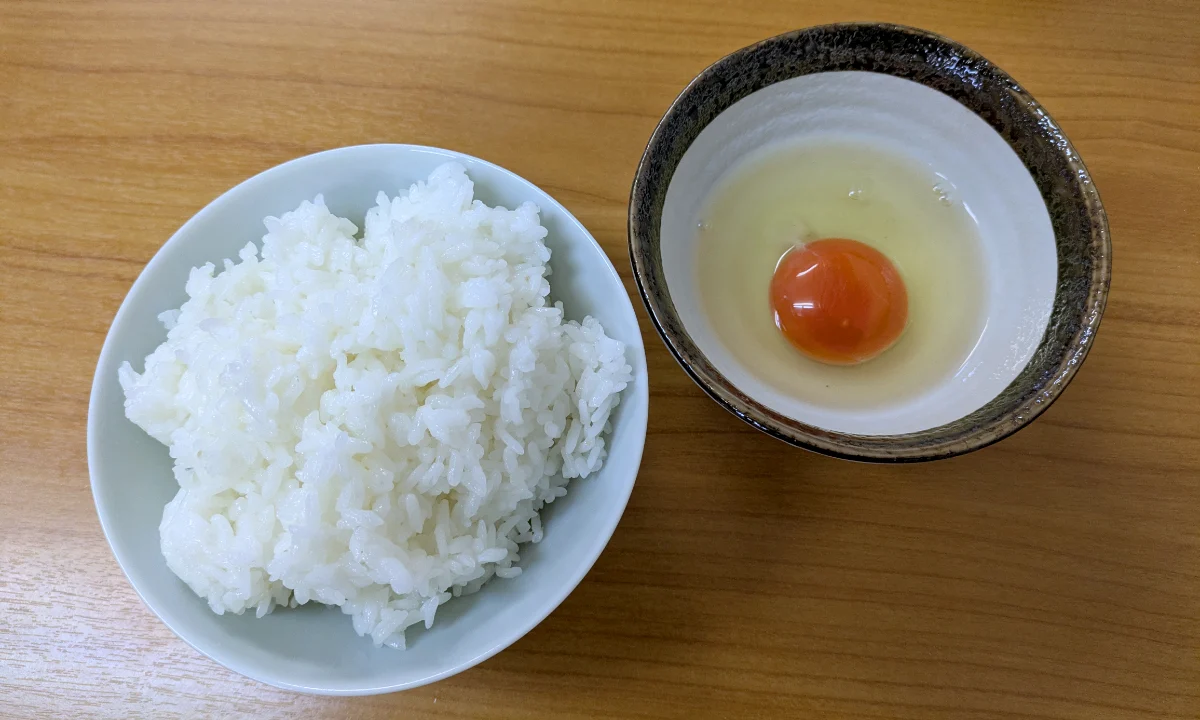
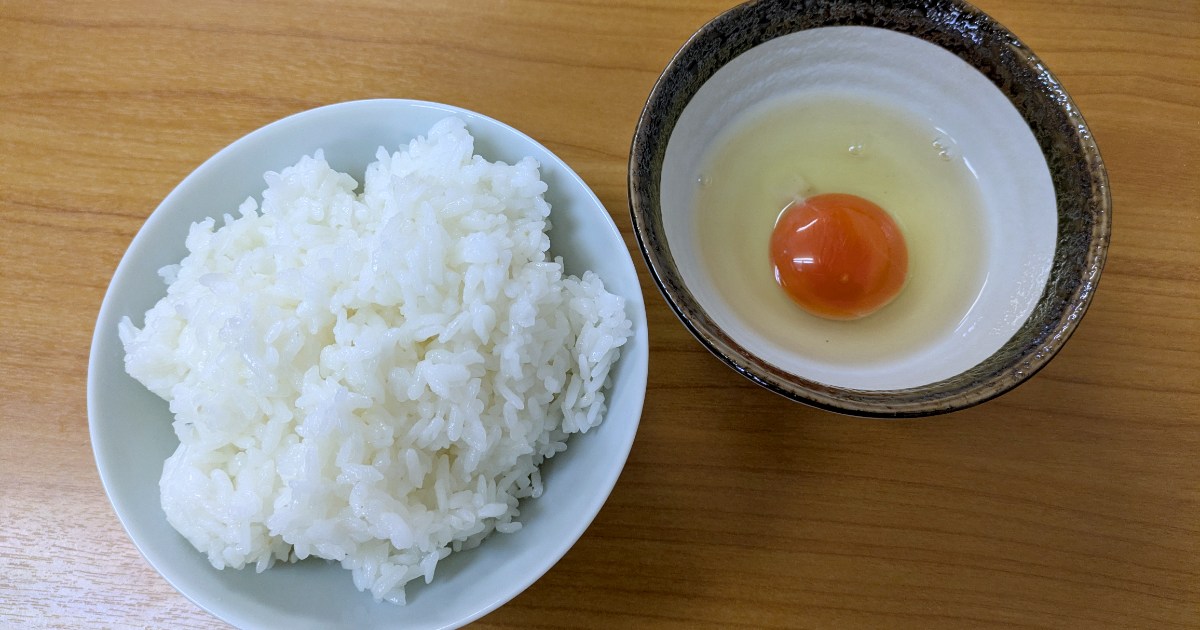
In the culinary landscape of Japan, few dishes are as ubiquitous, beloved, and seemingly uncomplicated as tamago kake gohan (TKG). Translating literally to "egg over rice," this humble meal—consisting of nothing more than a steaming bowl of white rice topped with a raw egg and a splash of soy sauce—is a cornerstone of Japanese home cooking. It is the ultimate "midnight snack," the quintessential quick breakfast, and a symbol of frugal comfort.
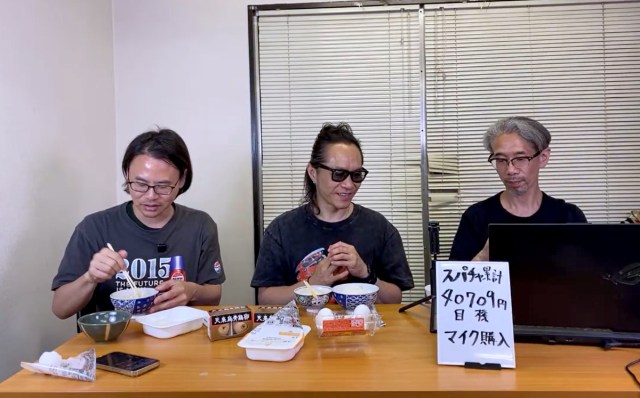
However, beneath its minimalist facade lies a deep-seated cultural divide. During a recent live-streamed segment by the SoraNews24 editorial team, what began as a routine taste-test comparing grocery store eggs versus premium varieties rapidly devolved into a heated debate. The conflict centered on a singular, seemingly trivial question: What is the correct way to combine egg and rice? As the reporters discovered, even among locals, there is no national consensus.
The Anatomy of the Conflict
The debate ignited when three prominent reporters—Mr. Sato, Go Hatori, and Seiji Nakazawa—prepared their bowls on air. While the core ingredients remained constant, their procedural philosophies were diametrically opposed, sparking a wave of engagement from viewers who felt compelled to defend their own personal "TKG rituals."
Mr. Sato’s "Wildcard" Approach
Mr. Sato represents the school of thought that prioritizes spontaneity and texture. His method is direct: crack the raw egg directly onto the hot rice, add a dash of soy sauce, and stir the mixture vigorously within the bowl. This method allows the heat of the rice to lightly "poach" the egg in situ, creating a marbled effect where bits of yolk, white, and seasoned rice coexist in a somewhat chaotic, varied texture.
Go Hatori’s "Classicist" Precision
In contrast, Go Hatori advocates for a structured, preparatory approach. He insists that the egg must be cracked into a separate bowl first. By beating the egg thoroughly with a splash of soy sauce before introducing it to the rice, Hatori ensures a consistent, homogeneous mixture. He then creates a small well in the center of the rice bowl, pouring the seasoned egg mixture into the cavity. This method is favored by those who dislike the erratic, slimy texture of unmixed egg whites.
Seiji Nakazawa’s "Uniformity" Strategy
Seiji Nakazawa takes the logic of consistency to its final extreme. His process begins with seasoning the rice before the egg is added. He mixes the soy sauce into the rice until every grain is coated, then prepares the egg in a separate bowl. Finally, he pours the beaten egg over the rice and stirs the entire bowl again. His goal is total uniformity, ensuring that every bite is identical in flavor and texture, effectively neutralizing the slippery mouthfeel that some diners find off-putting.
A Chronology of the Debate
The controversy unfolded over the course of an hour-long broadcast. Initially, the goal was a blind taste test of various egg grades, ranging from budget-friendly options to boutique, high-protein varieties.
- 7:30 p.m. – Initial Preparation: The reporters begin assembling their meals. The atmosphere is lighthearted, focusing on the quality of the eggs.
- 7:45 p.m. – The "Crack" Realization: As the cameras zoomed in, the discrepancy in technique became impossible to ignore. Mr. Sato’s direct-to-bowl method triggered immediate pushback from his colleagues.
- 8:00 p.m. – The "Texture War": The discussion shifted from efficiency to sensory experience. Hatori defended his "slimy" preference as a feature, not a bug, while Nakazawa argued for the necessity of total homogenization.
- 8:15 p.m. – Audience Engagement: The livestream chat turned into a frenzy. Viewers began identifying with the "Sato camp," the "Hatori camp," or the "Nakazawa camp," with many offering their own "secret" additions, such as furikake, bonito flakes, or sesame oil.
The Science of the "Slimy" Texture
The intensity of this debate is rooted in the unique sensory properties of raw egg. The egg white contains proteins that maintain a viscous, gelatinous structure until broken down by mechanical force (whisking) or heat.
From a culinary standpoint, the "slimy" mouthfeel described by the reporters is actually a specific protein structure called ovomucin. When individuals like Seiji Nakazawa reject this texture, they are essentially arguing for the mechanical destruction of these protein chains. Conversely, those who enjoy the "raw" approach, like Mr. Sato, argue that breaking the yolk directly on the rice preserves the integrity of the flavor profile, allowing the rich, fatty yolk to coat the rice grains individually.
Socio-Cultural Implications
Why does a meal this simple cause such division? In Japan, TKG is a dish defined by nostalgia. For many, the way they eat TKG is the way they were taught by their parents or grandparents. To deviate from that method is not just a culinary choice; it is a departure from a familial tradition.
Moreover, because TKG is rarely served in formal restaurants, it remains a "private" food. Most people only eat it at home, in solitude or with close family. Consequently, many adults have never seen anyone else prepare it. The SoraNews24 broadcast served as a rare "public square" for this private ritual, revealing that even in a culture known for its rigid culinary standards, there remains significant room for personal interpretation.
Expert Perspectives and Modern Trends
While the reporters debated, the broader Japanese food industry has been leaning into this obsession. The recent opening of "The Phantom Egg Shop" in Tokyo, operated by an individual known as "Mr. TKG," highlights a growing market for specialized TKG ingredients. This shop offers over a dozen varieties of eggs, each bred for different characteristics—some with richer yolks, some with thinner whites, and others with specific flavor notes intended to complement soy sauce.
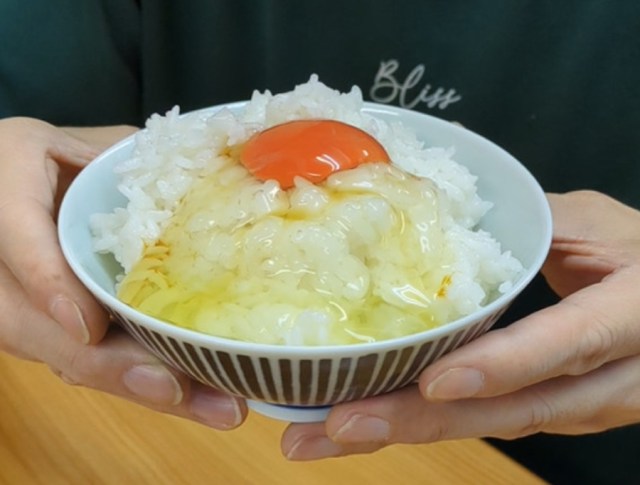
Industry experts suggest that as the Japanese population becomes more food-conscious, the "low-tech" comfort of TKG is being elevated. No longer just a "starving student" meal, TKG is becoming a craft. The debate over how to mix the egg is essentially a debate over how to curate the experience.
Conclusion: Is There a Correct Way?
If the goal of the meal is to achieve a balanced, palatable, and comforting dish, all three methods utilized by the SoraNews24 reporters are technically "correct."
- The Minimalist (Sato): Ideal for those who enjoy the raw, authentic texture of the egg and want to minimize dishwashing.
- The Structuralist (Hatori): Perfect for those who want a refined, elegant bite that maintains the integrity of the egg’s components.
- The Perfectionist (Nakazawa): The best approach for those who are sensitive to texture and demand a consistent, savory experience from the first bite to the last.
Ultimately, the "Great TKG Debate" serves as a reminder that even the most mundane daily routines can harbor deep cultural complexity. Whether one chooses to whip the egg to a froth or crack it carelessly over a mound of rice, the beauty of tamago kake gohan remains in its ability to bring people together—if only to argue about how best to enjoy it.
As the reporters concluded, there are no hard-and-fast rules. The best TKG is the one that tastes like home to you. So, the next time you find yourself with a hot bowl of rice and a fresh egg, take a moment to consider your method. Are you a mixer, a pourer, or a breaker? The answer might say more about you than you think.


 Neng Nana
 Asro
Asro