

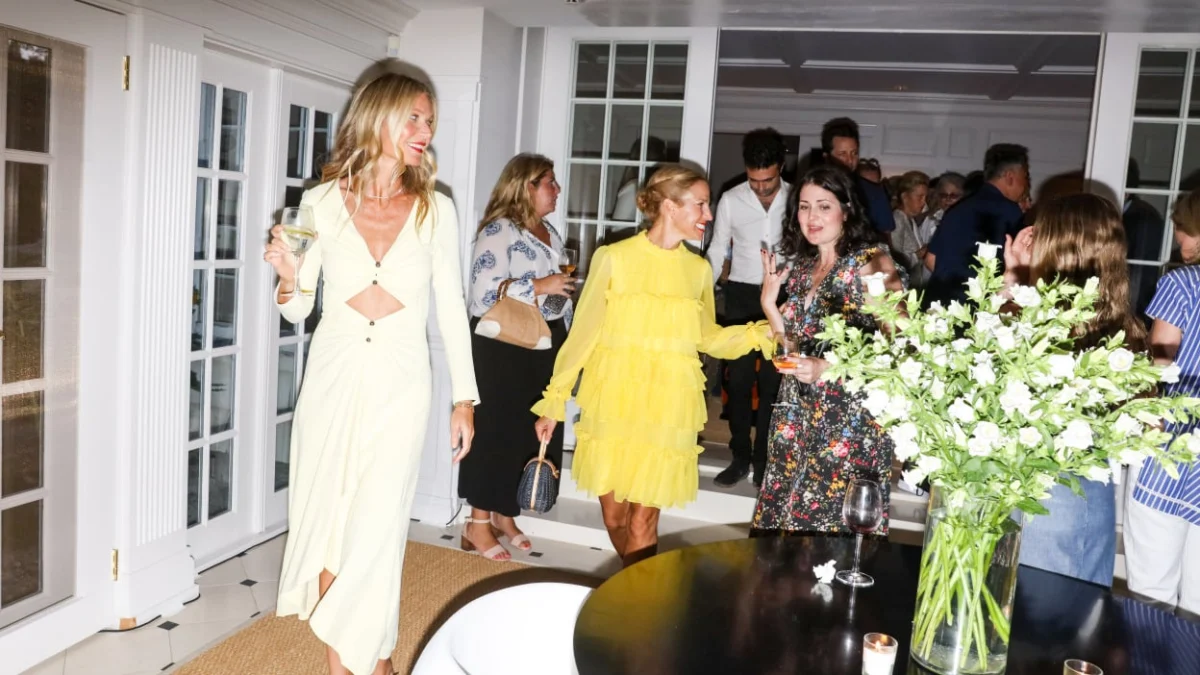
The social calendar of the Hamptons, typically reserved for exclusive galas and high-profile charity benefits, recently found itself embroiled in a digital culture war. What was slated to be the summer’s most exclusive networking event—an intimate dinner hosted by wellness mogul Gwyneth Paltrow in honor of OpenAI CEO Sam Altman—has been abruptly postponed. The delay, while ostensibly a logistical shift, has thrown a spotlight on the increasingly fraught intersection between Silicon Valley’s rapid AI expansion and the cultural elite of the East Coast.
The Disruption: A High-Profile Pause
The private gathering, which had been scheduled to take place on Saturday, August 29, at Paltrow’s residence in Amagansett, New York, was removed from the calendar late last week. According to initial reports from The New York Times, the event—an “off-the-record conversation” featuring the man currently at the helm of the artificial intelligence revolution—is still expected to occur at a later date, though no specific timeline has been finalized.
The postponement follows an intense week of digital scrutiny. While no official statement cited the public outcry as the catalyst for the change, the timing is difficult to ignore. The dinner had become an internet lightning rod almost immediately after details were leaked, turning a private evening into a public spectacle of class friction and professional anxiety.
Chronology of a Controversy
The spectacle began on August 21, when journalist Matthew Belloni published the contents of the exclusive invitation in his Puck newsletter. The invitation promised an intimate setting for an "off-the-record conversation" with Altman, a prospect that was met with immediate, visceral reaction across social media platforms.
August 21: The Leak
The news broke that Paltrow, the founder of the lifestyle brand Goop, was hosting the OpenAI CEO. The narrative was quickly framed by critics as a classic display of "Hamptons hubris." Belloni’s assessment—that the summer season apparently required an evening dedicated to "sucking up to our new A.I. overlords"—captured the zeitgeist of a public increasingly wary of the rapid displacement caused by generative AI.

August 22–27: The Digital Pile-on
In the days following the reveal, the discourse shifted from mere curiosity to pointed criticism. The backlash was twofold:
- The "Tone-Deaf" Narrative: Critics argued that the optics of a multi-millionaire wellness entrepreneur hosting a billionaire tech executive to discuss the future of AI felt deeply disconnected from the economic anxieties of the working class.
- Creative Anxiety: A significant portion of the outrage stemmed from the creative sector. Writers, actors, and artists, many of whom have seen their intellectual property and professional security threatened by the rapid advancement of large language models, viewed the dinner as a symbolic endorsement of the very tools they blame for their industry’s instability.
August 28: The Postponement
With the chatter reaching a fever pitch, the decision was made to delay the event. The postponement acts as a cooling-off period, though it leaves the ultimate fate of the dinner in limbo.
The Players: Why This Pairing Matters
To understand why this specific dinner drew such vitriol, one must look at the entities involved. Gwyneth Paltrow is no stranger to controversies, often leveraging them to bolster her brand’s visibility. However, this event was different. It moved her out of the realm of "wellness advice" and directly into the heart of the "AI ethics" debate.
Sam Altman, conversely, represents the face of a company currently embroiled in global legal battles regarding copyright infringement, data scraping, and the future of human labor. The fact that Paltrow is not merely an acquaintance of the tech world but an investor—having backed OpenAI through Kindred Ventures in 2023—suggests a deeper professional alliance that goes beyond simple social hosting.
Furthermore, the involvement of Charles Porch, OpenAI’s vice president of global creative partnerships, underscores the company’s aggressive strategy to embed itself within the cultural elite. By positioning Altman in the living rooms of Hollywood and Hamptons influencers, OpenAI is attempting to soften its public image, transforming the "AI overlord" into a dinner party guest.

Response and Counter-Narrative: The "Goop" Approach
Paltrow’s response to the criticism was characteristically unorthodox. Rather than offering a formal apology or a defense of her professional associations, she chose to lean into the absurdity of the situation.
In a move that could be interpreted as either a masterclass in deflection or a genuine moment of self-awareness, she posted an Instagram carousel featuring a series of parodies. These "fake invitations" honored an eclectic, humorous mix of cultural icons: M3GAN (the killer AI doll), Shrek, Jessica Rabbit, and Sex and the City’s Samantha Jones. Her caption—noting that the fictional dinners would serve "swordfish burritos" and "Cheddar foam lattes"—effectively neutralized the tension by mocking the high-concept, exclusive nature of her own event.
This is a familiar playbook for the actress-turned-mogul. When faced with the viral "Coldplay kiss-cam" scandal earlier this year, involving the former CEO of Astronomer, she didn’t hide; she became a spokesperson for the company, turning a PR nightmare into a meme-worthy advertisement.
The Implications: AI and the Cultural Elite
The postponement of the Paltrow-Altman dinner is more than a footnote in summer gossip; it is a symptom of a larger societal shift. We are witnessing a hardening of the lines between the "techno-optimists" who believe AI is the inevitable future of human progress and those who view it as an existential threat to human agency and labor.
The Economic Anxiety
The criticism directed at the dinner reflects a broader anxiety regarding the "platformization" of the economy. When a tech executive is invited into the private spheres of the wealthy, it reinforces a perception that those in power are conspiring to accelerate technological shifts without regard for the collateral damage to the middle and creative classes.

The Legal Context
It is important to note the institutional context. Ziff Davis, the parent company of Mashable, has filed a lawsuit against OpenAI alleging massive copyright infringement. This highlights that the skepticism surrounding Altman is not merely a social media trend but a serious, litigious reality. For many, seeing a public figure like Paltrow "celebrating" an executive currently under legal fire for allegedly stealing the work of authors and artists feels like an affront to the very foundations of the creative industry.
What’s Next?
As of now, the dinner remains on hold. Whether it will be quietly canceled, moved to a more secure location, or eventually held once the news cycle has moved on remains to be seen.
However, the event has already served its purpose in the court of public opinion. It has revealed that the "Hamptons bubble" is no longer impenetrable. The digital age has ensured that even the most exclusive, private, and off-the-record gatherings are subject to the scrutiny of an audience that is increasingly tired of the perceived hypocrisy of the elite.
As for the "Cheddar foam lattes," we may never know if they were a real menu item or merely a sharp, ironic jab at the critics. For now, the Hamptons summer continues, but the intersection of Silicon Valley ambition and elite social life has been permanently marked by this episode. The delay of the dinner is a testament to the power of the digital collective—a reminder that in 2026, even the most powerful tech CEOs and celebrity hosts are not entirely immune to the court of public opinion.
The question remains: When the dinner finally does take place, will it be a sign of resilience, or will it serve as a reminder that some walls are simply too thin to keep the rest of the world out?











