In the modern digital ecosystem, the power to define a brand has shifted away from the boardroom and into the hands of network algorithms. Where corporations once dictated their narrative through controlled press releases and traditional advertising, today’s brand identity is forged in the volatile, rapid-fire environment of social media and online forums.
![What is brand monitoring and why is it important? [+ tools]](https://media.sproutsocial.com/uploads/2026/06/NewsWhip-product-tour-1024x564.png)
Brand mentions are no longer just vanity metrics; they are critical signals of market health. However, relying on historical, lagging data is a recipe for obsolescence. To survive—and thrive—in a landscape where conversations evolve on their own timelines, organizations must pivot from passive observation to real-time, predictive intelligence.
Main Facts: The Shift Toward Real-Time Intelligence
The core challenge for contemporary communications and marketing teams is the "gap of reaction." This is the time elapsed between an emerging audience sentiment and a brand’s subsequent response. In a viral culture, this gap can be the difference between a minor customer service hiccup and a full-scale public relations crisis.
![What is brand monitoring and why is it important? [+ tools]](https://brandfolder.sproutsocial.com/VXTUTVL1/at/hww8qgzc7c994hp6h5frjt/pup-q2-2026_ui_ai_trellis-expansion_simplified.png)
Brand monitoring is the practice of tracking mentions of your company, products, and industry keywords across the entire digital ecosystem. Unlike basic social media monitoring, which focuses solely on owned channels or specific platforms, comprehensive brand monitoring software aggregates data from news outlets, discussion boards, podcasts, and emerging social networks. By closing the gap between data collection and actionable insight, brands can transform raw online chatter into a competitive advantage.
![What is brand monitoring and why is it important? [+ tools]](https://media.sproutsocial.com/uploads/2025/04/mention-dashboard-1-1024x637-1.jpg)
Chronology of an Evolution: From "Listening" to "Predicting"
The discipline of monitoring has matured significantly over the last decade. Understanding this timeline explains why the industry is moving toward predictive AI:
![What is brand monitoring and why is it important? [+ tools]](https://media.sproutsocial.com/uploads/2025/04/webmention@2x-UWGADG6D.png)
- The Manual Era (Pre-2010s): Teams relied on Google Alerts and manual searching to find mentions. Data was siloed, delayed, and often incomplete.
- The Social Listening Boom (2010–2018): Specialized platforms emerged to centralize social media feeds. This allowed brands to respond to @mentions, but often missed the "untagged" conversations happening on forums like Reddit or obscure blogs.
- The Integrated Ecosystem (2019–2023): Software evolved to combine social media data with web scraping, news tracking, and sentiment analysis, offering a 360-degree view of brand presence.
- The Predictive AI Age (2024–Present): Today’s tools, such as those integrated into Sprout Social, leverage AI to not only track what has happened but to forecast the velocity of conversations. This shift allows teams to see a crisis before it erupts, effectively moving from defensive crisis management to proactive narrative control.
Supporting Data: Why Monitoring is a Business Imperative
Data-driven decision-making is the cornerstone of modern business. Brand monitoring provides the empirical evidence required to validate or pivot strategy. According to industry benchmarks, companies that employ active, real-time monitoring experience:
![What is brand monitoring and why is it important? [+ tools]](https://media.sproutsocial.com/uploads/2025/04/productdashboard-20150313072154718.png)
- Reduced Crisis Duration: Organizations that identify negative sentiment spikes within the first hour of a viral incident report a 40% reduction in overall reputational damage.
- Increased Marketing ROI: By analyzing the volume and tone of conversations surrounding a campaign launch in real-time, teams can adjust messaging on the fly, leading to higher engagement rates.
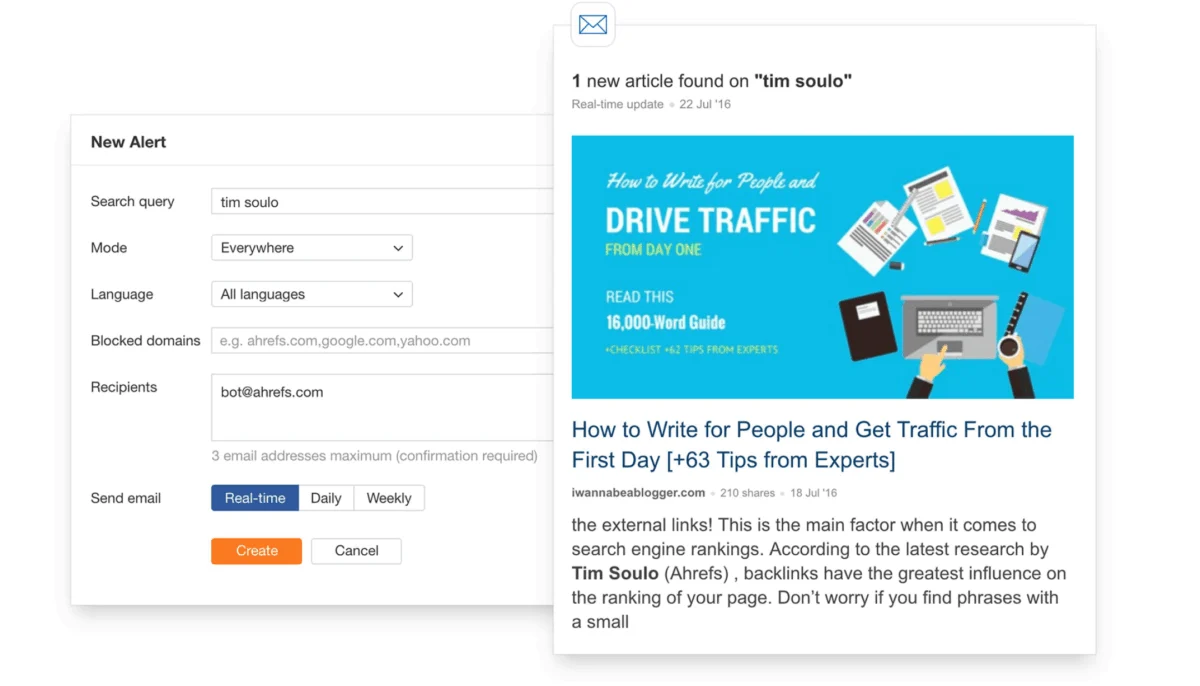
- SEO Authority: Identifying "unlinked mentions" allows SEO teams to reach out to publishers and bloggers, converting organic brand mentions into high-value backlinks, which are critical for search engine rankings.
- Product Development Insights: Unvarnished, untagged feedback—often found in forums—provides the most honest assessment of product pain points, serving as a roadmap for R&D departments.
Official Responses and Strategic Implications
For industry leaders, the consensus is clear: if you are not monitoring, you are not in control. Major platforms like Sprout Social, Sprinklr, and Meltwater have all moved toward "Unified-CXM" (Customer Experience Management) models.
![What is brand monitoring and why is it important? [+ tools]](https://media.sproutsocial.com/uploads/2025/04/set-up-google-alert.png)
The implication for internal teams is a fundamental change in workflow. Monitoring is no longer the sole responsibility of the PR team; it is now a cross-functional necessity involving Customer Success, Product Development, and Executive Leadership.
![What is brand monitoring and why is it important? [+ tools]](https://media.sproutsocial.com/uploads/2026/06/Brand-24-dashboard-1024x733.png)
Identifying the Risks of Neglect
Neglecting brand monitoring leads to a "blind spot" phenomenon. Without an early warning system, brands are often the last to know about a trending complaint. When a brand finally reacts, they are often on the defensive, forced to apologize for a narrative that has already been set by the public. Proactive monitoring flips this script, allowing the brand to address concerns before they hit the mainstream media cycle.
![What is brand monitoring and why is it important? [+ tools]](https://cdn.airops.com/rails/active_storage/blobs/proxy/eyJfcmFpbHMiOnsiZGF0YSI6OTIyMzEzLCJwdXIiOiJibG9iX2lkIn19--cfab3c202300c3a905f939804c32438188ccb4e4/https---www.hootsuite.com-%3Fsrsltid=AfmBOoouV0zAsBPI_n_8sfp9jiW_hz7uGVz-naM-yMnlm8g2xTfKcnOR_1755199063.png)
How to Build a Robust Monitoring Framework
To implement an effective strategy, organizations must look beyond standard metrics. A comprehensive framework includes three pillars:
![What is brand monitoring and why is it important? [+ tools]](https://media.sproutsocial.com/uploads/2026/06/Sprinkr-dashboard-1024x643.png)
1. Defining the Digital Footprint
You cannot track what you do not define. Effective monitoring requires a library of keywords, including:
![What is brand monitoring and why is it important? [+ tools]](https://cdn.airops.com/rails/active_storage/blobs/proxy/eyJfcmFpbHMiOnsiZGF0YSI6OTIyMzE2LCJwdXIiOiJibG9iX2lkIn19--8b77fc6415d7f1eb4015130506f42a6ca3b5a457/https---www.cision.com-_1755199373.png)
- Brand Variations: Common misspellings, abbreviations, and product nicknames.
- Executive Mentions: Tracking leadership names to mitigate personal reputation risks.
- Competitor Clusters: Keywords associated with your top competitors to identify market gaps.
- Industry Terms: Broad topics that indicate how your category is being discussed.
2. Leveraging AI for Strategic Action
The sheer volume of data produced online makes manual analysis impossible. AI tools are essential to:
![What is brand monitoring and why is it important? [+ tools]](https://cdn.airops.com/rails/active_storage/blobs/proxy/eyJfcmFpbHMiOnsiZGF0YSI6OTIyMzE3LCJwdXIiOiJibG9iX2lkIn19--ed26f7c6853c0d2e3d57c3c5f614efd86755b95c/https---awario.com-_1755199400.png)
- Sentiment Analysis: Automatically categorizing mentions as positive, negative, or neutral.
- Urgency Detection: Identifying when a post is gaining traction based on engagement velocity.
- Visual Listening: Analyzing images and videos for logos, even when the brand name is not in the caption.
3. Selecting the Right Tech Stack
When evaluating tools, organizations should prioritize integration. A tool like Sprout Social provides a holistic view, combining social listening, crisis management, and predictive intelligence (via NewsWhip). Others, like Mention or Brand24, offer specialized features for SMBs, while Sprinklr or Cision cater to the enterprise-level need for multi-channel, traditional-plus-social media intelligence.
![What is brand monitoring and why is it important? [+ tools]](https://media.sproutsocial.com/uploads/2026/06/YouScan-1024x591.png)
The Future: Predictive Intelligence and the "Always-On" Agent
The most advanced frontier in brand monitoring is the use of predictive modeling. Tools such as the "Trellis Monitoring Agent" or NewsWhip’s velocity algorithms allow teams to quantify the potential of a story. By predicting whether a conversation will fizzle out or turn into a headline-grabbing scandal, these tools provide "analyst-quality briefs" in conversational language.
![What is brand monitoring and why is it important? [+ tools]](https://media.sproutsocial.com/uploads/2024/08/Sprout-Social-query-builder.png)
This allows teams to be selective in their responses. Not every complaint requires a corporate response, and in some cases, engagement can inadvertently amplify a minor issue. Predictive intelligence provides the context needed to decide when to intervene and when to let the discourse resolve itself.
Conclusion: Transforming Data into Competitive Advantage
The ultimate goal of brand monitoring is to move the organization from a state of constant reaction to a state of calculated action. By utilizing sophisticated monitoring tools to capture the "voice of the customer," brands can identify untapped market needs, cultivate organic brand advocates, and secure their reputation against an increasingly unpredictable digital tide.
In an era where your brand is defined by what is said about you—not just what you say about yourself—investing in the right monitoring software is not merely a tactical expense. It is a strategic necessity that ensures your company remains the architect of its own future. As the digital landscape continues to expand and accelerate, those who hold the "eyes and ears" of the market will undoubtedly be the ones who lead it.
Quick Checklist for Your Monitoring Strategy:
- Audit your keywords: Are you tracking misspellings and industry slang?
- Unified Dashboard: Does your team have a single source of truth for social, news, and forum data?
- Alert Thresholds: Have you set up real-time alerts for spikes in negative sentiment?
- Influencer Mapping: Are you identifying and nurturing your organic brand advocates?
- Predictive Analysis: Are you leveraging AI to forecast the trajectory of emerging stories?
By embedding these practices into your daily operations, your brand can move beyond simple survival and begin to use the digital conversation as a compass for long-term growth.