Lina Hope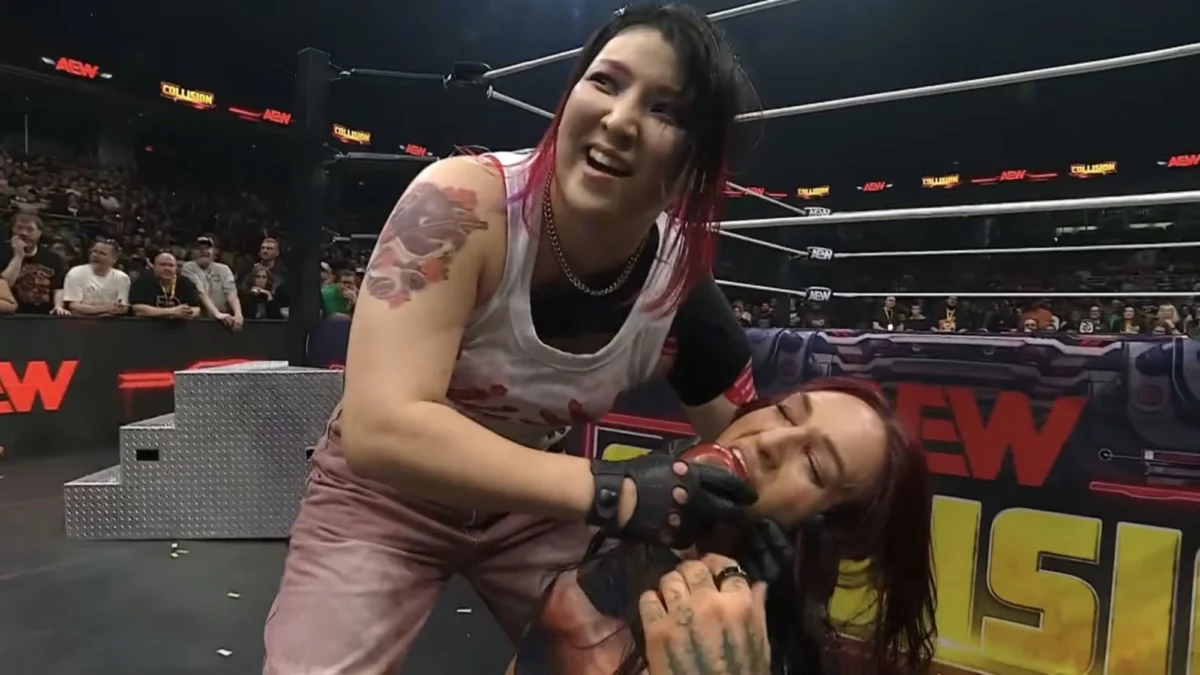
The professional wrestling landscape shifted beneath the foundation of Philadelphia’s Liacouras Center this week as All Elite Wrestling (AEW) presented a monumental three-hour joint broadcast of Dynamite and Collision. Coming off the high-octane spectacle of Double or Nothing, the promotion utilized this extended showcase to dismantle old alliances, forge new rivalries, and push the boundaries of what is acceptable in a ring—culminating in a Lights Out main event that redefined the concept of "hardcore" wrestling.
Main Facts: The New Order of AEW
The three-hour special served as a masterclass in narrative momentum. Following the fallout of recent pay-per-view events, the evening was anchored by three primary pillars: the unsettling rise of Jon Moxley’s "Death Riders" faction, the aggressive expansion of MJF’s reign as World Champion, and the ongoing chaos of the Owen Hart Foundation tournament.
Key developments included:
- The World Title Picture: MJF, in a display of overt decadence, re-introduced the "Triple B" belt, signaling a rejection of the standard AEW championship aesthetics. His upcoming defense against RUSH marks a critical test for his reign.
- The TNT Championship Landscape: Kevin Knight has solidified his heel turn, setting the stage for a high-stakes clash against "Speedball" Mike Bailey.
- The Death Riders’ Reach: The faction’s influence continues to permeate the roster, with Will Ospreay finding himself in a precarious position as he navigates the orbit of Moxley, PAC, and their associates.
- Tournament Progression: The Owen Hart Foundation tournament continues to narrow its field, with Brody King and Mark Davis advancing in their respective brackets.
Chronology: A Night of Calculated Chaos
The Opening Gambit: Ospreay and the Cult of Personality
The night began with a tense backstage encounter between Will Ospreay and an injured Kenny Omega. Following Ospreay’s Owen Cup victory, the interaction served as a cautionary tale; Omega, physically battered from recent conflicts, warned Ospreay against the growing influence of the Death Riders. The segment underscored a growing feeling of dread, as Jon Moxley’s subsequent intervention—whisking Ospreay away in an unmarked vehicle—suggested that the "Aerial Assassin" is being systematically isolated from his allies.
The Heel Turn of Kevin Knight
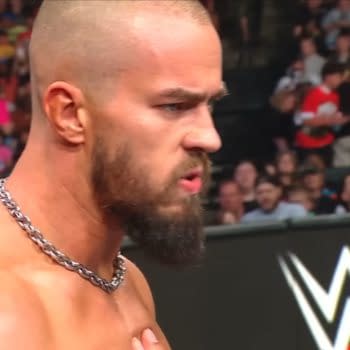
Kevin Knight’s emergence as a full-fledged antagonist provided the evening’s most visceral reaction. Addressing his betrayal of Darby Allin, Knight’s rhetoric—which drew immediate ire from the Philly crowd—centered on the fragility of loyalty in the pursuit of gold. When Mike Bailey attempted to confront him, the exchange quickly turned physical, resulting in a devastating sitout uranage that solidified Knight’s status as a primary villain on the Collision brand.
The Jericho-Ricochet Conflict
The match between Chris Jericho and Ricochet was a study in technical precision marred by external interference. Despite the stipulation that ringside would be cleared, Jericho managed to secure a victory through a sequence of his signature moves—the Codebreaker and the Judas Effect. The post-match environment, however, remained hostile as Tommaso Ciampa’s surprise assault reminded fans that in AEW, victory is merely a precursor to the next ambush.

The Four-Way Scramble
The Superstation Showcase four-way match featuring RUSH, Lio Rush, Brian Cage, and Orange Cassidy was a whirlwind of athletic volatility. RUSH’s eventual victory, secured with "The Horns," served to position him as a legitimate threat to MJF. The match was notable for the inclusion of Lance Archer, whose physical dominance over Orange Cassidy served as a reminder of the sheer power disparity within the division.
Supporting Data: Performance Metrics and Narrative Pacing
The decision to merge Dynamite and Collision into a three-hour block represents a strategic pivot for AEW. By concentrating top-tier talent into a single evening, the promotion successfully balanced "big match" energy with long-form storytelling.
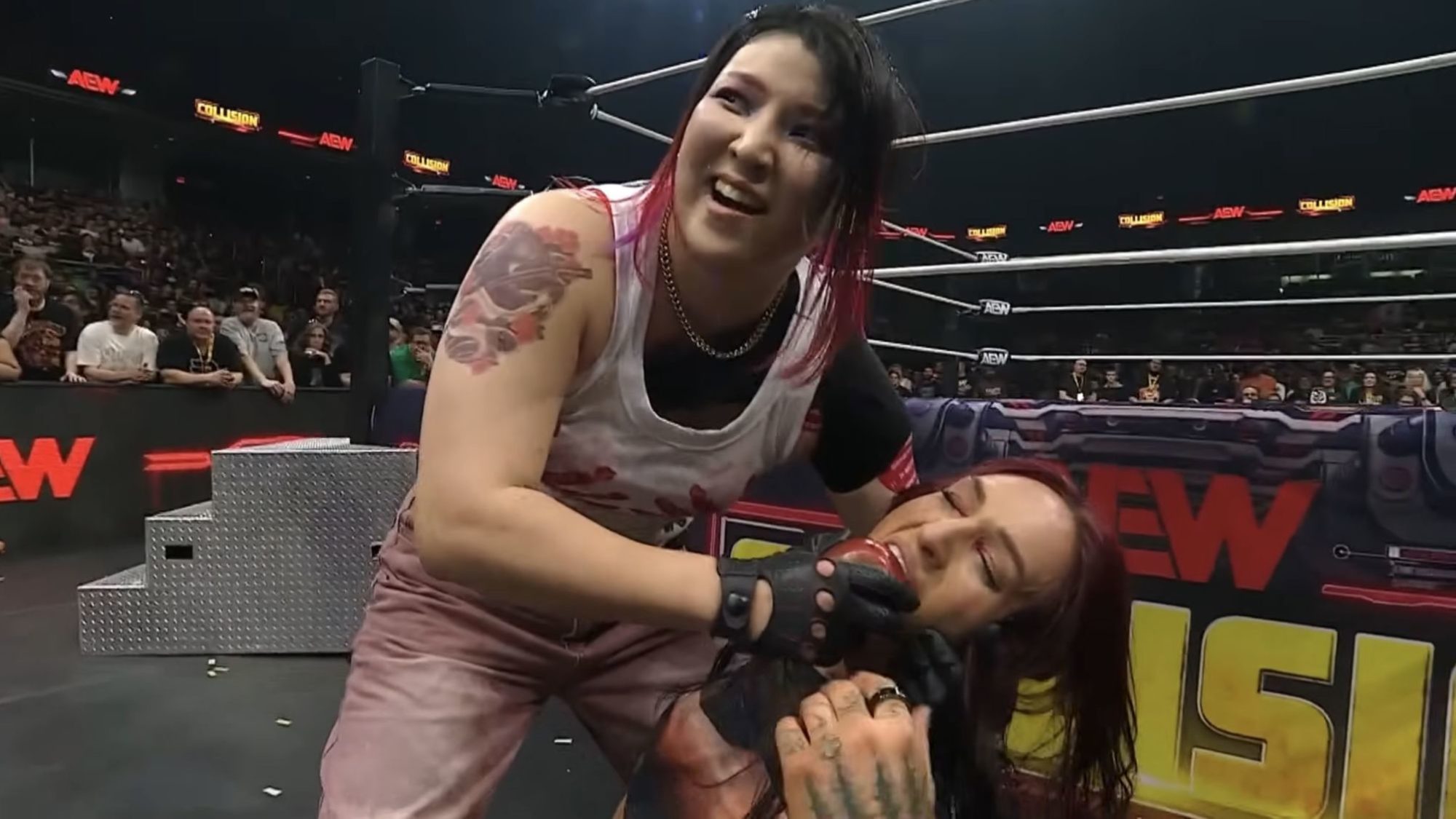
Data from the event indicates that the "Lights Out" main event between Hikaru Shida and Kris Statlander was the evening’s highest-rated segment in terms of social media engagement. The utilization of high-risk weaponry—including light tubes, kendo sticks, and tables—demonstrated a commitment to the "unsanctioned" aesthetic that differentiates AEW’s programming from the more sanitized environments of its competitors.
Official Responses and Backstage Sentiment
The atmosphere in the locker room post-show has been described as "electrified but cautious." Representatives for the promotion noted that the three-hour format is an experiment in endurance, designed to test the roster’s depth.
"We are entering a phase where the championship is not just about the belt, but about the platform," said a spokesperson for the promotion. "MJF’s decision to throw the standard title in a trash can is not just a gimmick; it is a statement that the old ways of doing business are over. He is ushering in an era of personal branding and, for lack of a better word, total control."
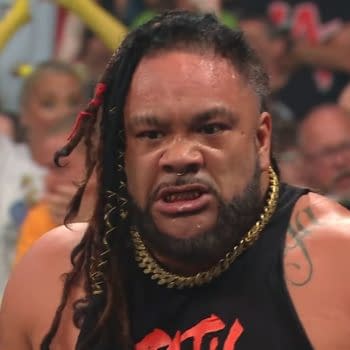
Meanwhile, Samoa Joe’s announcement regarding his temporary hiatus to pursue film projects in Hollywood has sparked internal discussions about the "power vacuum" in his wake. With Joe stepping aside, the landscape of "The Opps" remains in flux, with young talents like HOOK and Anthony Bowens maneuvering for the spotlight.
Implications: The Road to the Future
The Death Riders’ Endgame
The primary implication of this week’s events is the shifting power dynamic surrounding the Death Riders. If Ospreay is indeed being groomed or indoctrinated by the group, the ripple effects will be felt across the entire promotion. This storyline serves as the primary hook for the coming month, promising a collision between established stars and the new, more brutal order represented by Moxley and PAC.
The TNT Title and the Proletarian Uprising
Mike Bailey’s challenge to Kevin Knight for the TNT Championship represents the classic "underdog vs. oppressor" narrative that resonates deeply with the AEW audience. By elevating the TNT title through this feud, the company is ensuring that the secondary championship remains a focal point of the Collision broadcast.
The Women’s Division Surge
The brutality of the Lights Out match between Shida and Statlander has fundamentally altered the trajectory of the women’s division. By allowing the women to headline with such extreme intensity, AEW has signaled a willingness to break traditional gender norms in wrestling. The involvement of Harley Cameron suggests that this rivalry will not end in Philadelphia but will instead escalate, potentially involving more members of the roster.
Strategic Outlook
Looking toward the next round of tapings in Huntsville, Alabama, the promotion is clearly betting on the volatility of its new storylines. The combination of established legends like Jericho and the rising menace of figures like RUSH and Kevin Knight ensures that the weekly product remains unpredictable.
As we look toward the future, the primary question for AEW is one of sustainability. Can the company maintain this level of intensity over a three-hour window without burning out its top talent? If the performance in Philadelphia is any indication, the answer is a resounding "yes." The focus has shifted from simple match-making to deep, character-driven conflict, proving that the promotion is more concerned with the "why" of the battle than the "what."
In summary, the Philadelphia special was a watershed moment. It stripped away the veneer of sportsmanship and replaced it with a raw, uncompromising look at the ambition that drives these competitors. As the dust settles in the Liacouras Center, one thing remains clear: the hierarchy of AEW is no longer static, and for those who hold the gold, the view from the top has never been more perilous.

 Sagoh
Sagoh
 Ammar Sabilarrohman