

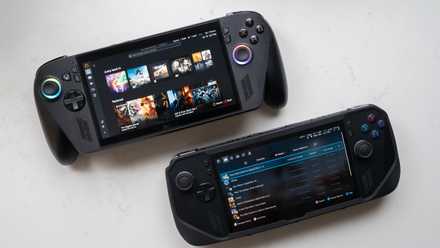
The modern gaming handheld landscape is, on the surface, a testament to rapid technological evolution. Devices like the ASUS ROG Ally X, the Lenovo Legion Go, and the MSI Claw boast impressive specifications: 8-core CPUs, 24GB of high-speed DDR5 RAM, and vibrant, high-refresh-rate displays. By every objective metric of "raw power," these devices render Valve’s aging custom APU in the Steam Deck—which relies on a mature, lower-clocked architecture—technically obsolete.
Yet, in the real world, the experience tells a different story. These premium devices are often tethered to wall outlets, their fans shrieking like server-grade cooling systems, while the battery life plummets at a rate of 1% per minute. As the market floods with "Steam Deck killers," a critical question emerges: Why are these hardware manufacturers winning the specs war but losing the user experience battle?
The Revolutionary Blueprint: Efficiency over Excess
When Valve entered the handheld market, they fundamentally understood a truth that their competitors seem to have ignored: portability is defined by the absence of a tether. A handheld device that requires constant access to a power outlet is merely a gaming laptop in a smaller, less ergonomic chassis.
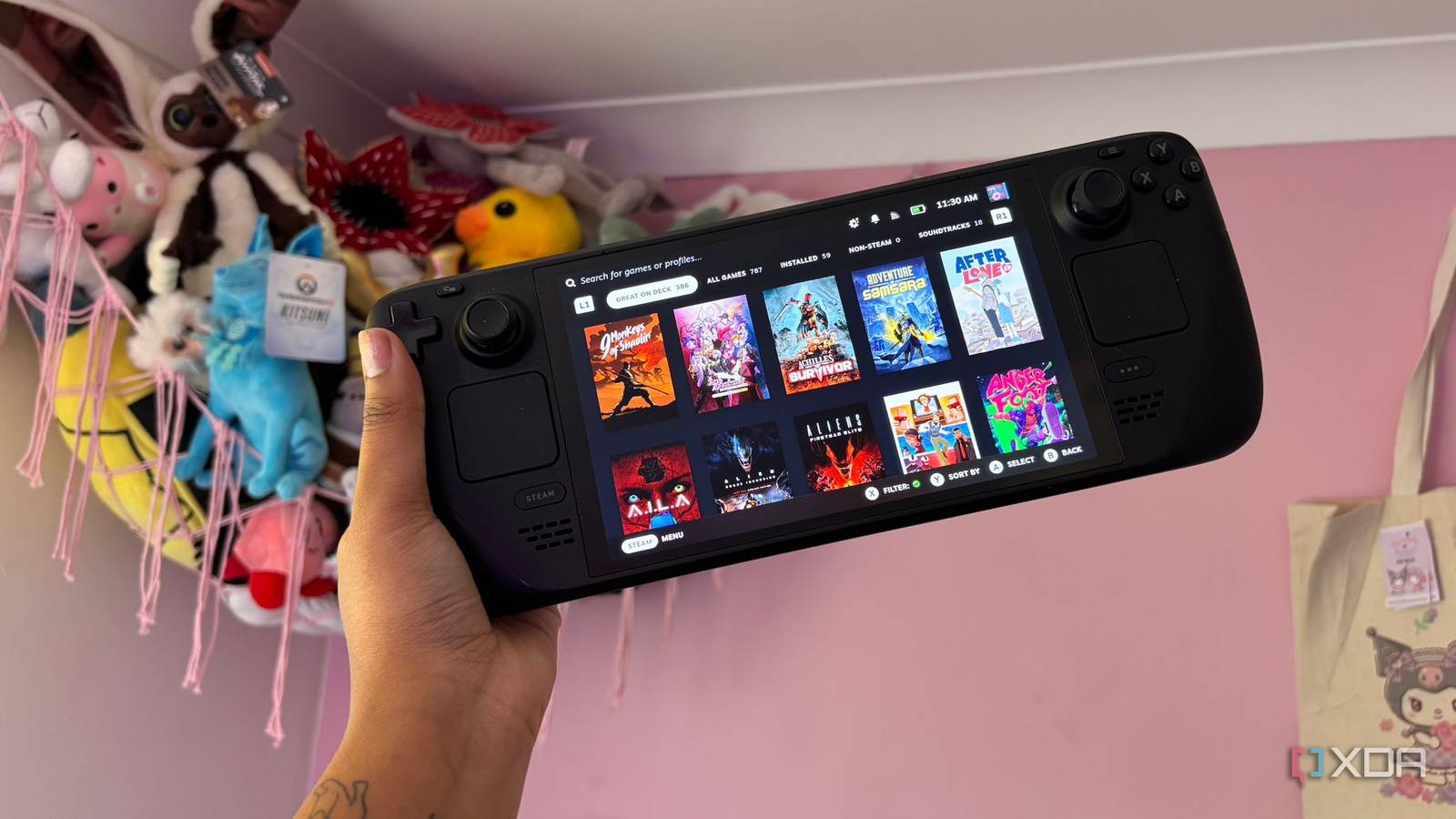
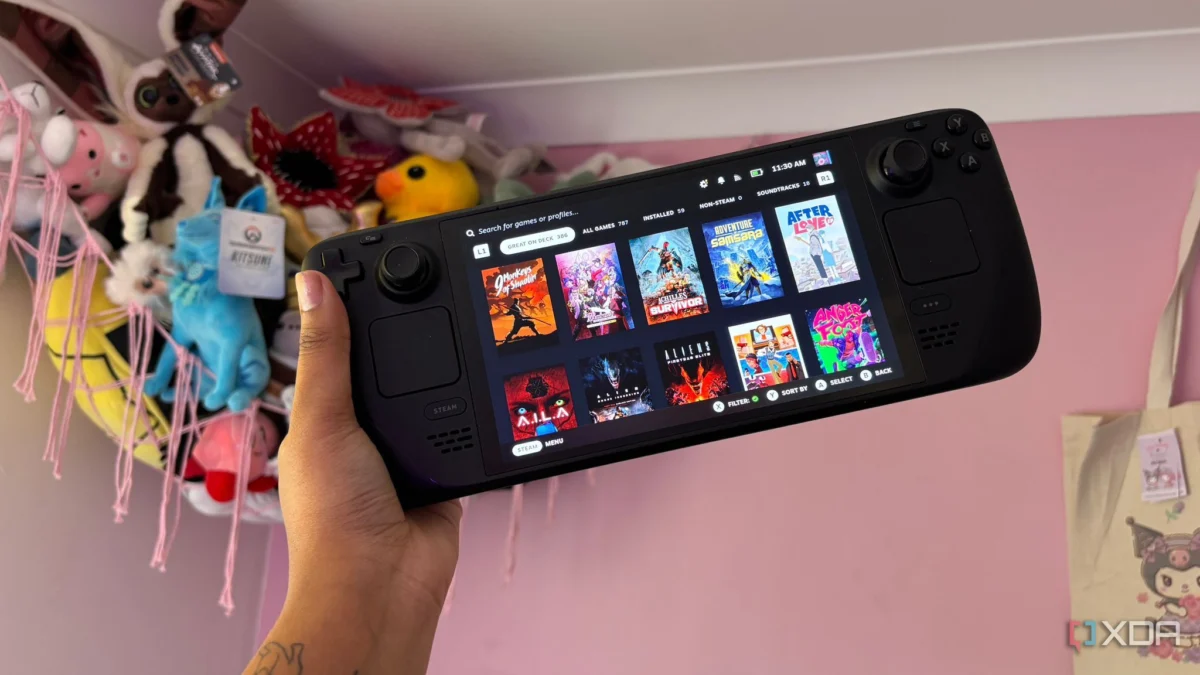
Valve’s genius was not in creating the most powerful device, but in creating the most efficient one. The Steam Deck’s custom APU was meticulously tuned to operate within a "sweet spot" of 4W to 15W. While this might result in lower benchmark scores on paper, it delivers a consistent, uninterrupted gameplay loop. When playing on a screen roughly the size of a smartphone, the visual difference between high and ultra-quality settings is often imperceptible, yet the difference in power draw is massive. By prioritizing efficiency, Valve ensured that the Steam Deck remained a true handheld, capable of providing hours of play on a single charge.
The Software Chasm: SteamOS vs. The Windows Burden
Beyond the silicon, the most significant differentiator is the operating system. Valve’s SteamOS is a masterclass in software integration. By utilizing a bespoke Linux compositor, Valve effectively hid the complexities of a desktop OS behind a unified, controller-native interface. System-level features, such as seamless game suspension and resume, function flawlessly.
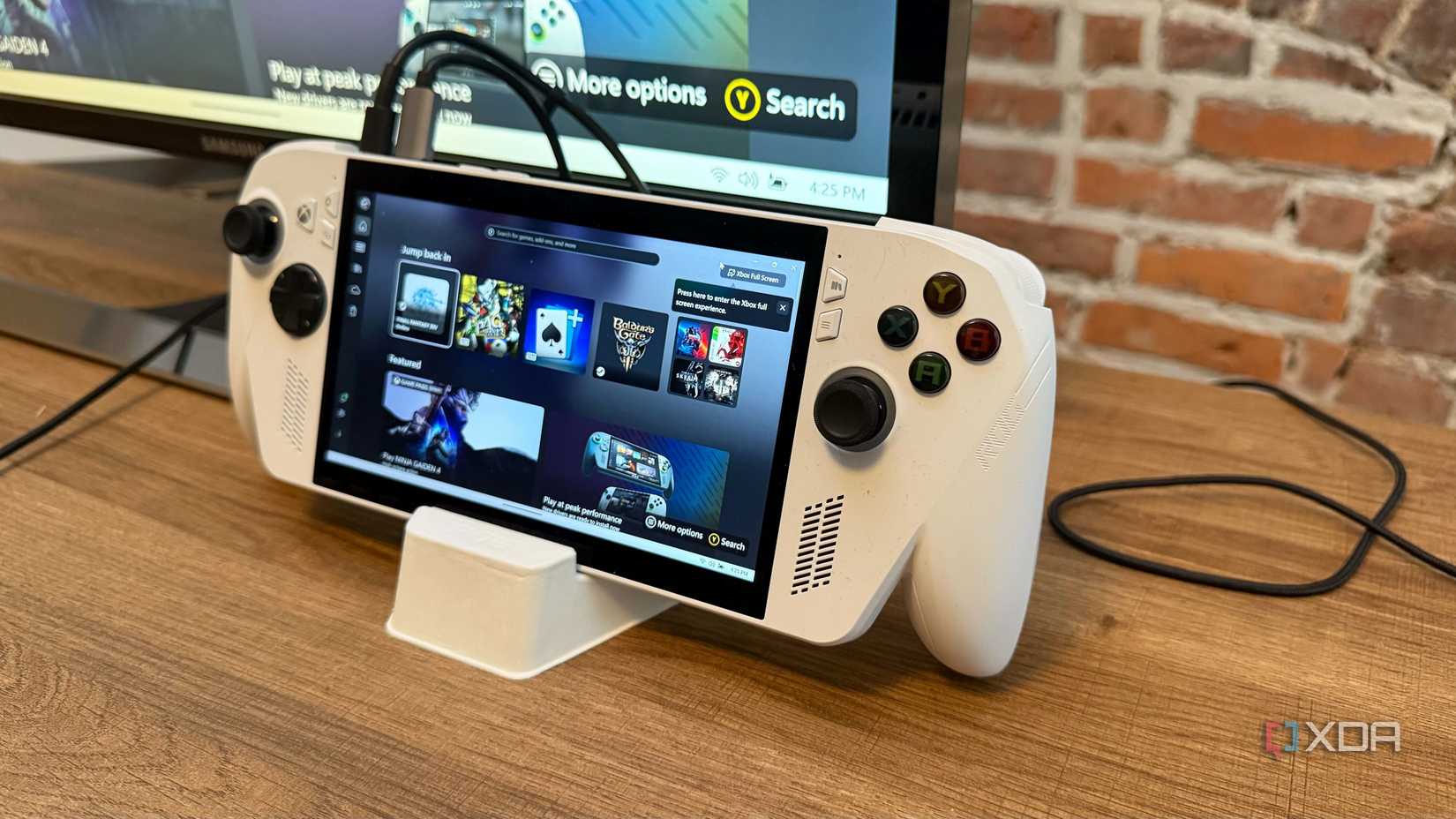
In contrast, Windows-based handhelds have struggled to provide a cohesive experience. Most manufacturers have simply layered proprietary launchers—such as Armory Crate or Legion Space—over a standard Windows 11 installation. This approach introduces a host of friction points: intrusive Windows updates that interrupt gaming sessions, aggressive anti-cheat software that conflicts with system threads, and the constant, jarring transition to a desktop interface designed for a mouse and keyboard, not a 7-inch touchscreen.

Chronology of the "Power Race"
The race to build the ultimate handheld has unfolded in three distinct phases over the last few years:
- The Foundation (2022): Valve launches the Steam Deck, prioritizing price-to-performance and console-like usability. It sets the baseline for the industry.
- The Spec-Chase (2023–2024): Competitors enter the market, attempting to differentiate themselves by leaning into higher TFLOPs and Windows-based flexibility. Hardware makers focus on "30W Turbo Modes" as a marketing bullet point.
- The Reality Check (2025–2026): Users begin to push back against the "desktop-in-a-handheld" approach. Critics and consumers alike note that despite the doubling of power budgets, real-world frame rate improvements rarely exceed 15–20%, while thermal output and power consumption skyrocket.
Supporting Data: The Law of Diminishing Returns
The fundamental issue plaguing current Windows handhelds is the physical reality of mobile silicon. Doubling the power draw—from 15W to 30W—does not yield a linear performance increase. Instead, it pushes the silicon into a region of diminishing returns where thermal throttling becomes inevitable.
- Performance-to-Watt Ratio: A device running at 15W provides a stable experience. Scaling to 30W results in a marginal 15–20% performance boost at the cost of doubling the heat generation and halving the battery life.
- The "Desktop" Penalty: Windows 11, in its current state, is a heavy, multi-threaded operating system designed for idle background processes. When running on limited hardware, these processes cannibalize CPU cycles and memory, further degrading the gaming experience compared to a stripped-down Linux environment.
- The Price Barrier: Because companies like ASUS and Lenovo lack the massive game storefront revenue that Valve enjoys, they cannot subsidize hardware costs. This forces their devices into the $700–$900 price bracket, where they are no longer competing with the Switch or the Steam Deck, but with mid-range gaming laptops that offer far more utility.
Industry Implications: A Path Forward
For a "Steam Deck Killer" to actually succeed, it must pivot from the current strategy of raw power toward a more nuanced philosophy of mobile engineering.
1. Battery Density and Power Management
Future manufacturers should stop chasing 80Wh batteries as a band-aid for poor efficiency. Instead, the focus must shift to chips optimized for the 5W–12W range. If a device can deliver a smooth 30fps at 8W, it becomes a significantly more compelling product than one that hits 60fps at 30W for only 45 minutes.
2. Software Sovereignty
Hardware makers must stop relying on Microsoft to fix the handheld experience. The current model of "Windows + Launcher" is fundamentally broken. Future devices need a dedicated software fork—either through a deep partnership with Valve to license SteamOS, or by investing in an open-source, locked-down Linux shell that removes the bloat of standard Windows desktop processes.
3. Ergonomics and Acoustics
A handheld device is only as good as its comfort. Current designs often prioritize PCB density, leading to small, high-pitched, whiny fans. Engineering larger, slower-spinning fans, utilizing lightweight, premium plastics, and ensuring that the weight distribution is balanced are essential steps that are currently being overlooked in favor of aesthetic "gamer" designs.
Official Responses and Market Sentiment
While major players like ASUS and Lenovo continue to iterate on their Windows-based hardware, there is an increasing recognition that the "PC-in-your-pocket" dream has limitations. Recent updates to software suites have focused heavily on "Game Mode" features, attempting to mimic the SteamOS experience. However, these are surface-level fixes for deeper architectural issues.
The industry is reaching a fork in the road. One path leads to increasingly powerful, expensive, and impractical devices that appeal only to a niche subset of enthusiasts. The other leads to devices that prioritize the handheld experience—devices that are optimized for battery life, ergonomics, and seamless software integration.
Conclusion: The Handheld is Not a Desktop
The Steam Deck was not a hit because it was the most powerful PC in the room; it was a hit because it was the most brilliant handheld. It succeeded by understanding that a mobile gaming device is a unique form factor with specific constraints and opportunities.
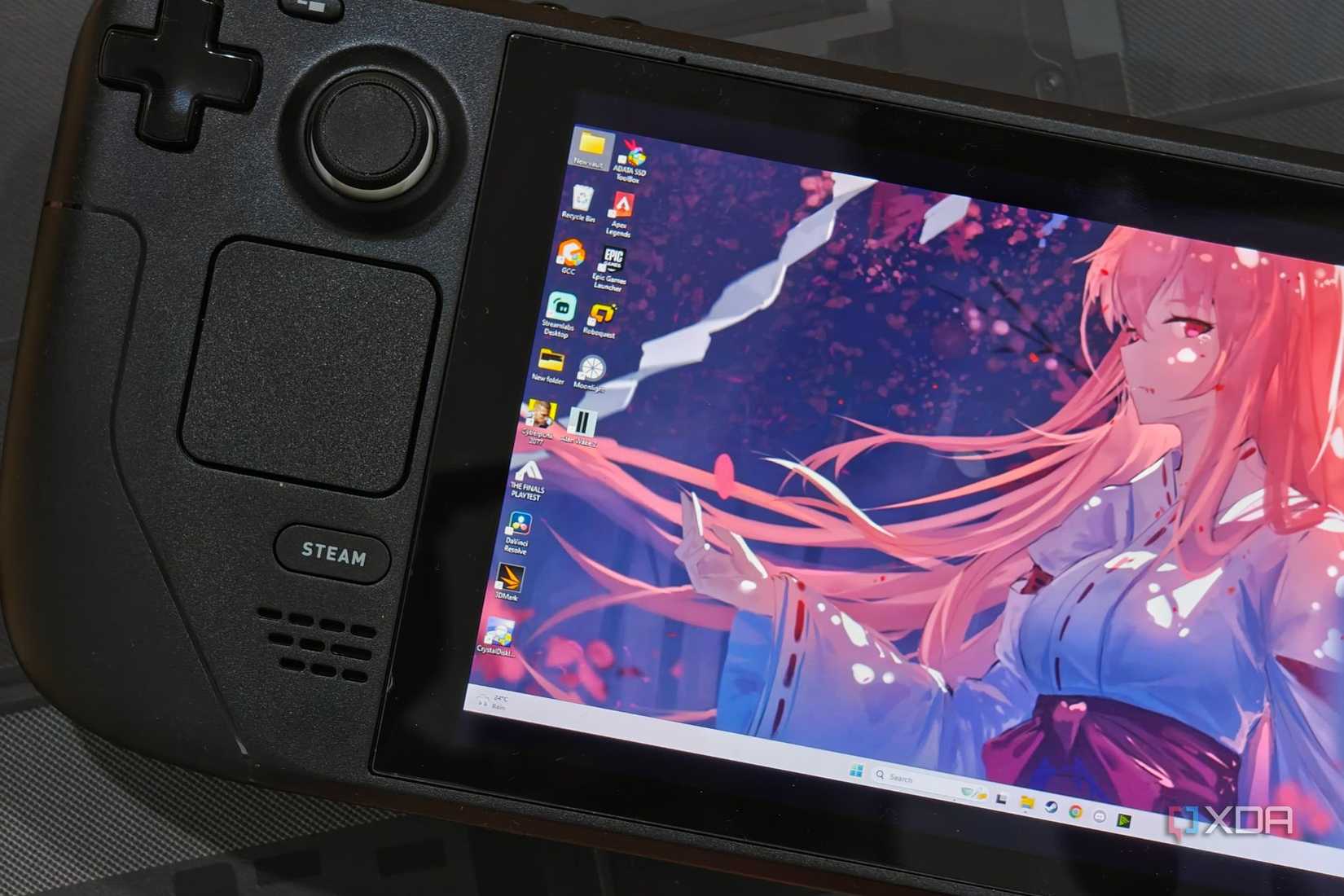
Hardware manufacturers must stop treating their products like miniature laptops. They must stop chasing benchmark charts and start designing for the reality of mobile ergonomics and user habits. Until they shift their focus from raw teraflops to value optimization and software cohesion, Valve’s "low-spec" masterpiece will continue to run circles around them. The next generation of handhelds will not be defined by who has the highest wattage, but by who can most effectively make us forget we are holding a computer at all.












No comments yet. Be the first to join the conversation!