Jia Lissa
Strategy games occupy a unique position in the gaming pantheon. For many, the genre represents a formative chapter in their lives—childhood afternoons spent commanding legions in Age of Empires or unleashing chaotic armies in Command & Conquer on family PCs. These games were more than mere entertainment; they were portals to history, mythology, and complex systems of logistics.
While some feared the genre might stagnate in favor of faster-paced, twitch-based shooters, the 2020s have proven to be a golden era for the strategist. Developers have successfully balanced the legacy of the past with modern quality-of-life improvements, intricate narrative depth, and unprecedented mechanical complexity. Whether you are a veteran maximizing actions-per-minute (APM) or a newcomer looking to cut your teeth on something more thoughtful, the current decade offers a masterclass in tactical design.
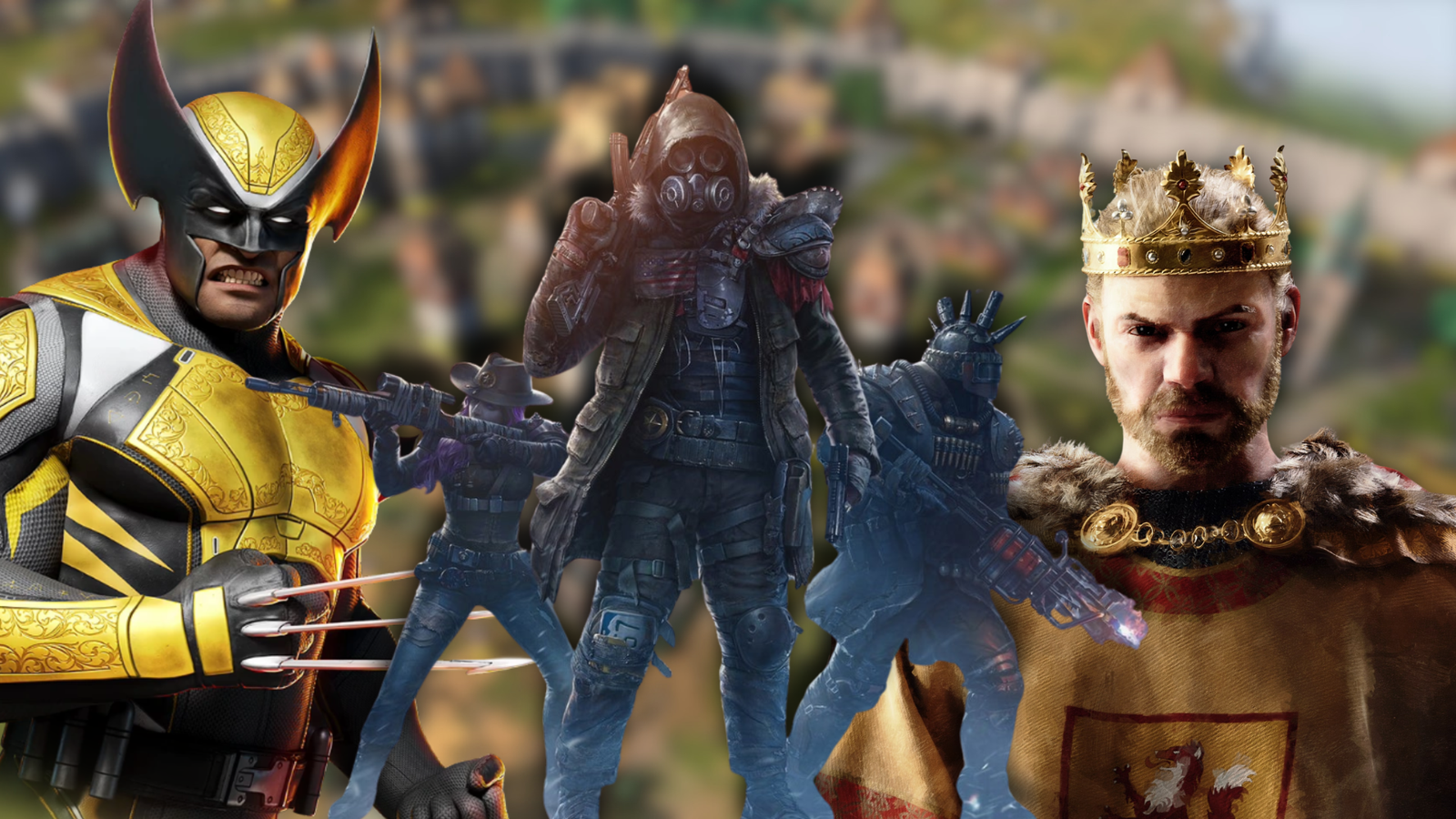
Below, we examine ten titles that have redefined the strategy landscape since 2020.
The Chronology of Modern Strategy
The evolution of the genre in the 2020s can be categorized into three distinct shifts: the "Return to Form" (modernizing classics), the "Narrative-Hybridization" (marrying RPG depth with tactical combat), and the "Complexity Renaissance" (deepening simulation mechanics).
From the return of RTS titans like Age of Empires IV to the rise of brutal, high-stakes management sims like Frostpunk 2, the industry has responded to a growing player demand for intellectual challenge. This shift has been bolstered by indie developers, who have utilized roguelite elements to make high-difficulty strategy more accessible, as seen in The Last Spell.
Top 10 Strategy Titles of the 2020s
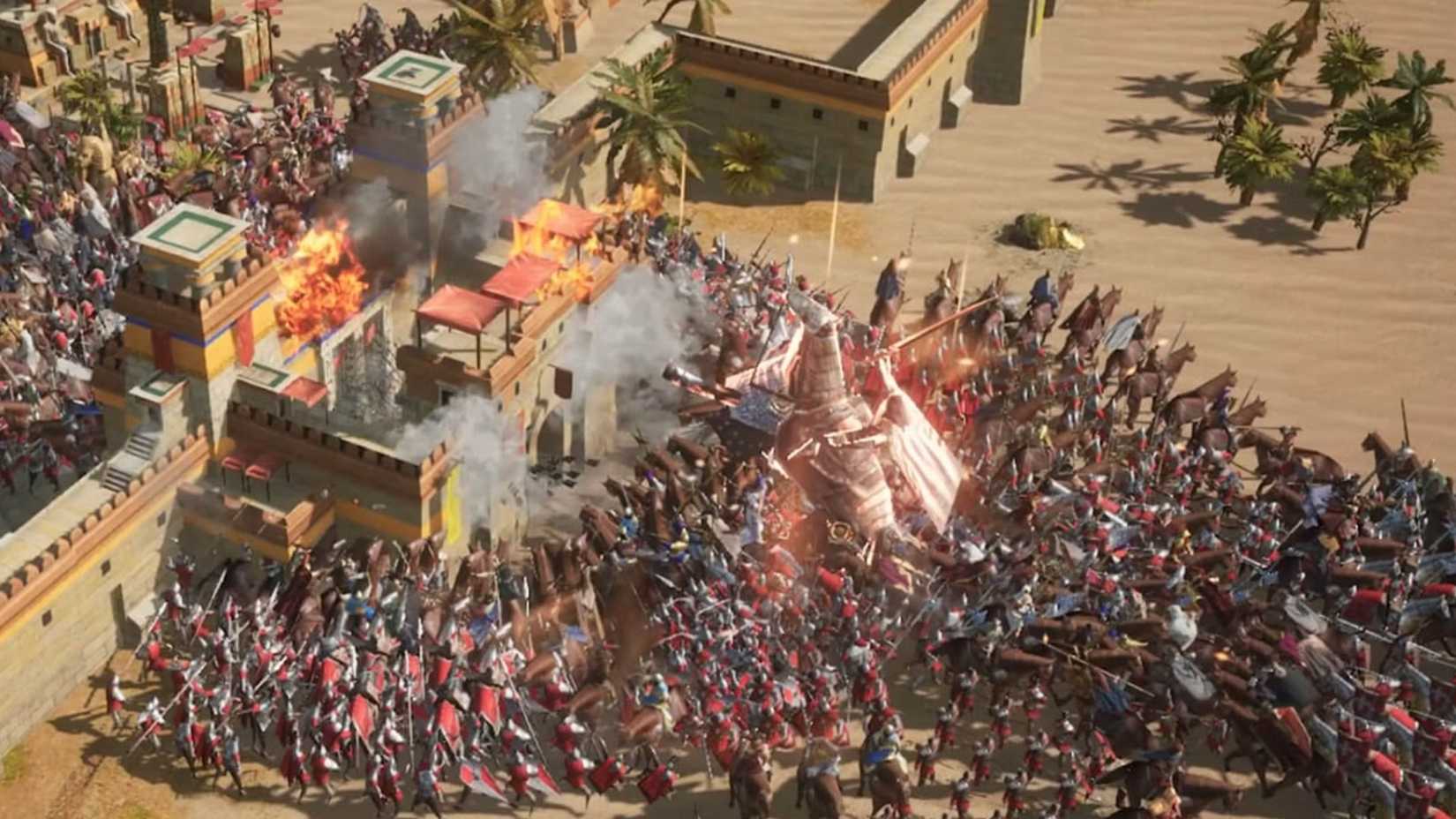
10. Age of Empires IV
Age of Empires IV serves as a bridge between the nostalgia of the 90s and the technical standards of today. Developed by Relic Entertainment, it successfully modernized the classic formula by introducing asymmetrical faction mechanics and improved battlefield visibility. It respects the series’ roots while providing a much smoother entry point for those intimidated by the genre’s notorious learning curve.
9. Wasteland 3
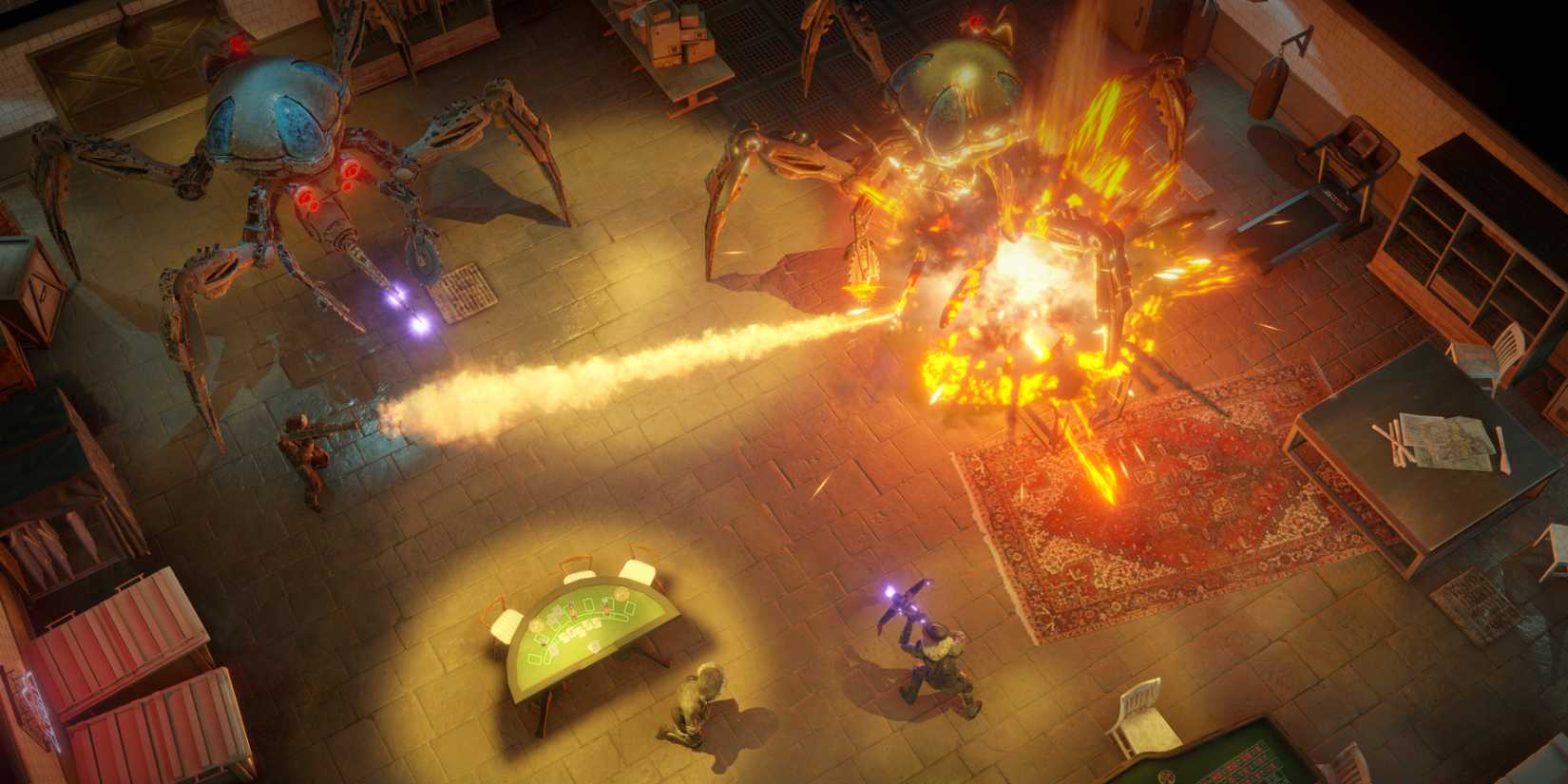
Wasteland 3 is a triumph of post-apocalyptic narrative and squad-based tactical combat. Set in the frozen expanse of Colorado, the game forces players to make harrowing moral choices that ripple across the narrative. Its turn-based combat is a masterclass in risk management, where positioning and action-point economy are the difference between survival and total squad annihilation.
8. Solium Infernum
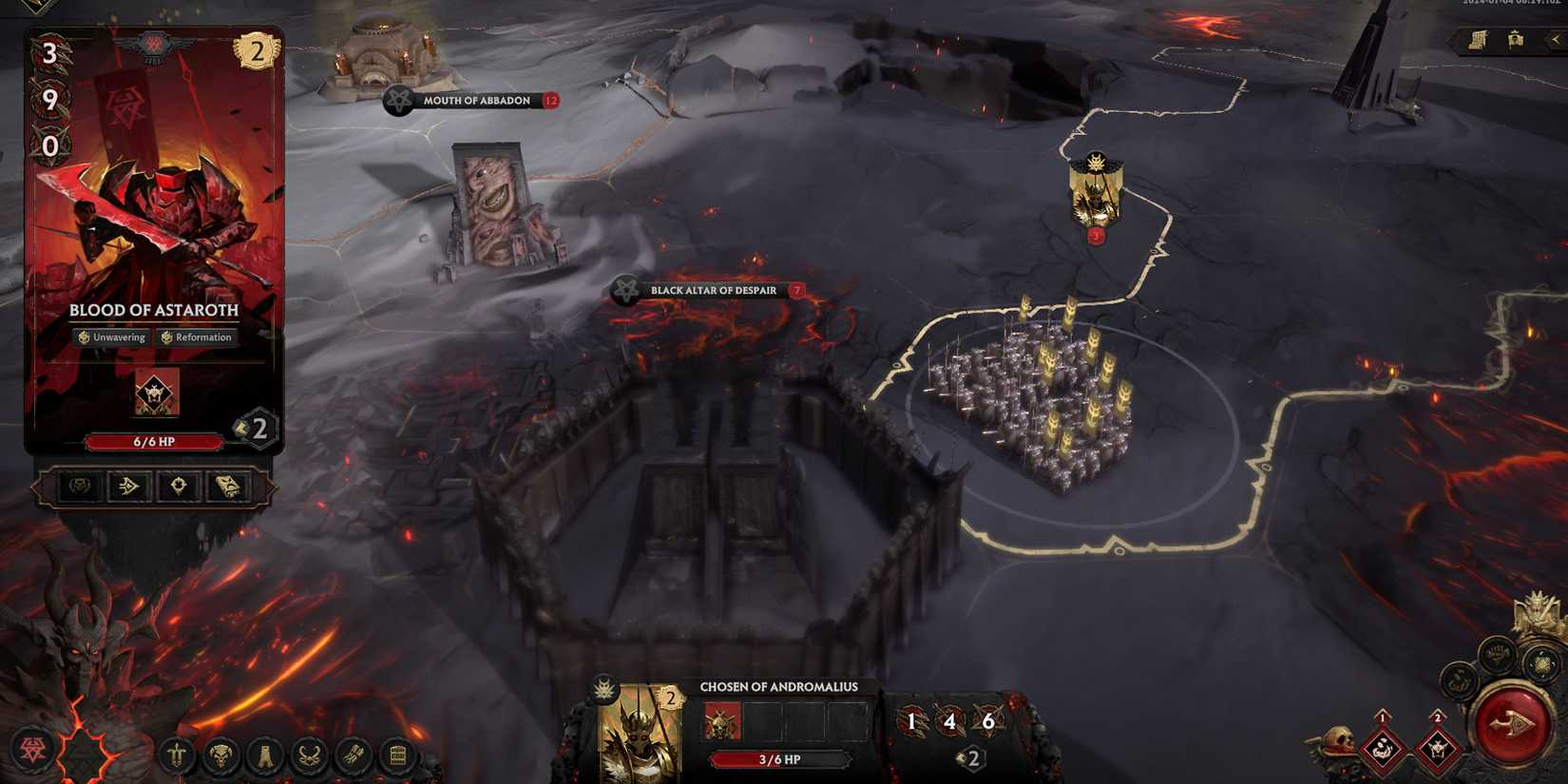
If you have ever wanted to command the armies of Hell, Solium Infernum is your premier choice. As an Archfiend competing for Satan’s empty throne, players must balance military conquest with a sophisticated, cutthroat diplomatic system. The game captures the essence of political maneuvering, making it feel less like a standard war game and more like a hellish version of the "Great Game" of European diplomacy.
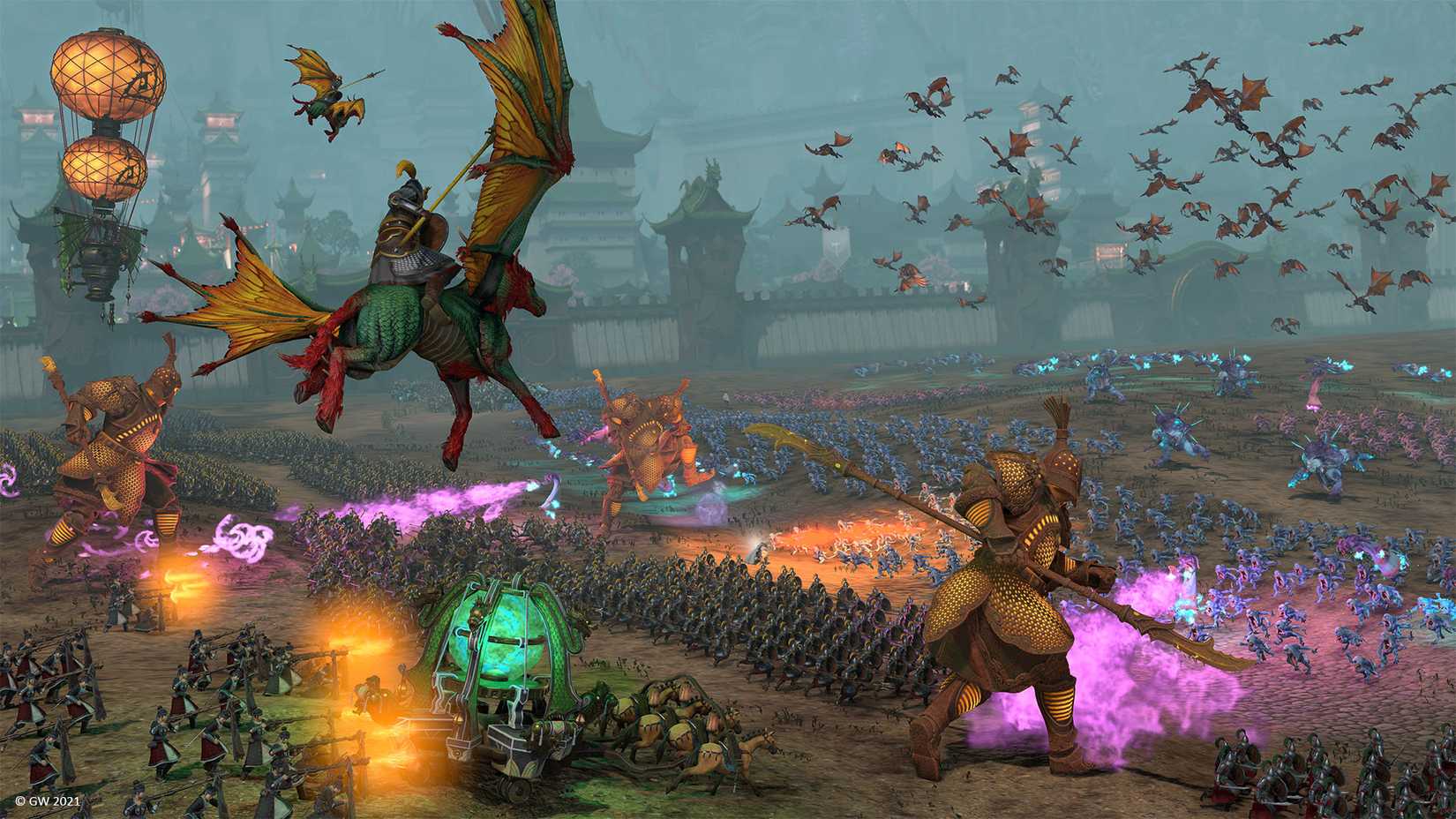
7. Total War: Warhammer III
The Total War franchise has long been the gold standard for blending turn-based empire management with real-time tactical battles. Warhammer III represents the pinnacle of this ambition, offering a scale that is simply staggering. With distinct factions that play radically differently—from the grotesque Nurgle to the disciplined Kislev—it provides a deep, lore-rich experience that rewards long-term planning and tactical flexibility.
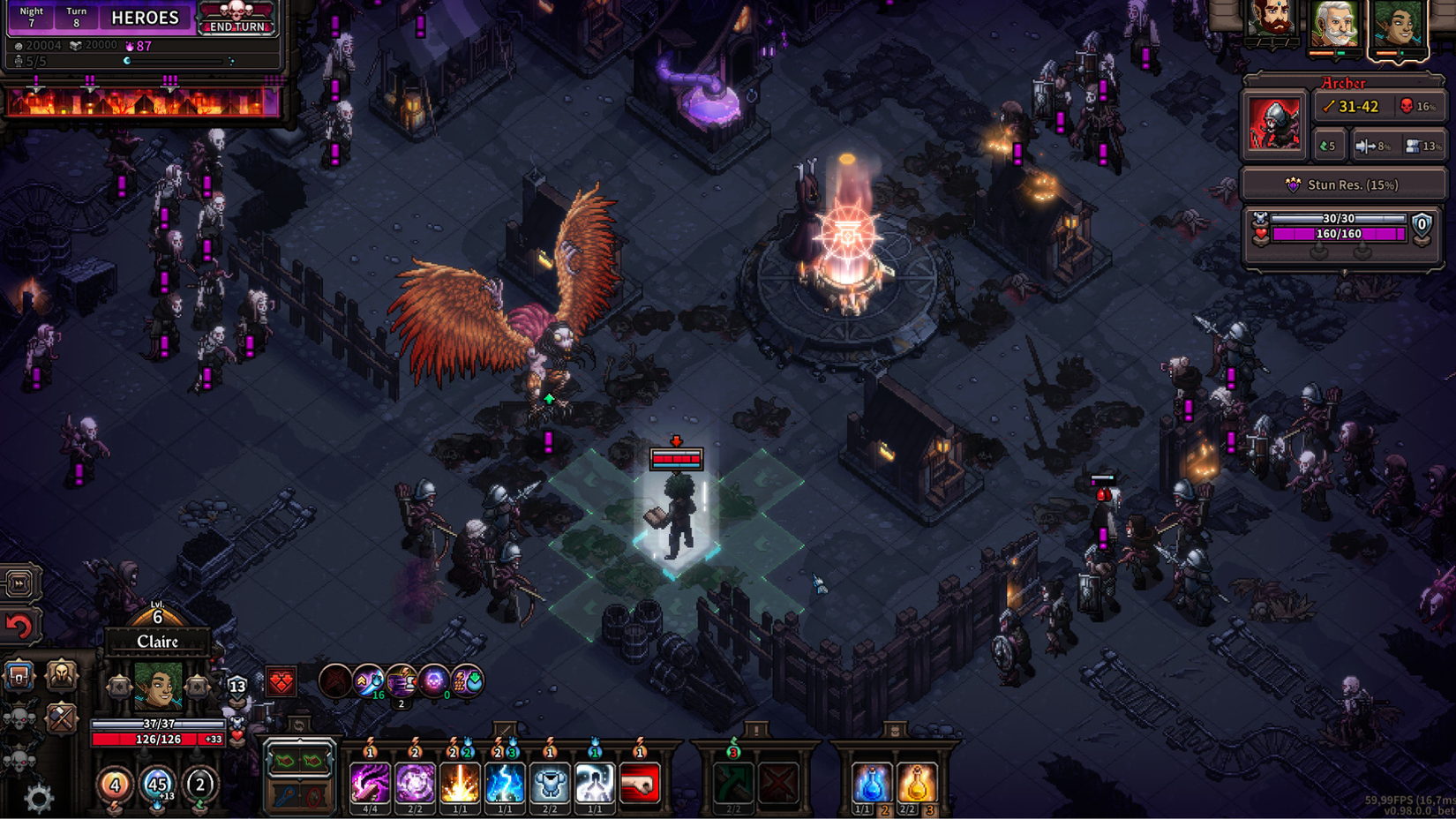
6. The Last Spell
For those who prefer a shorter, more addictive loop, The Last Spell is the ultimate strategy roguelite. Tasked with defending the last bastion of humanity from nightly monster incursions, players must manage resources and build defenses during the day, then engage in brutal, tactical combat at night. Its satisfaction comes from the incremental progress made with each run, turning every failure into a lesson in efficiency.
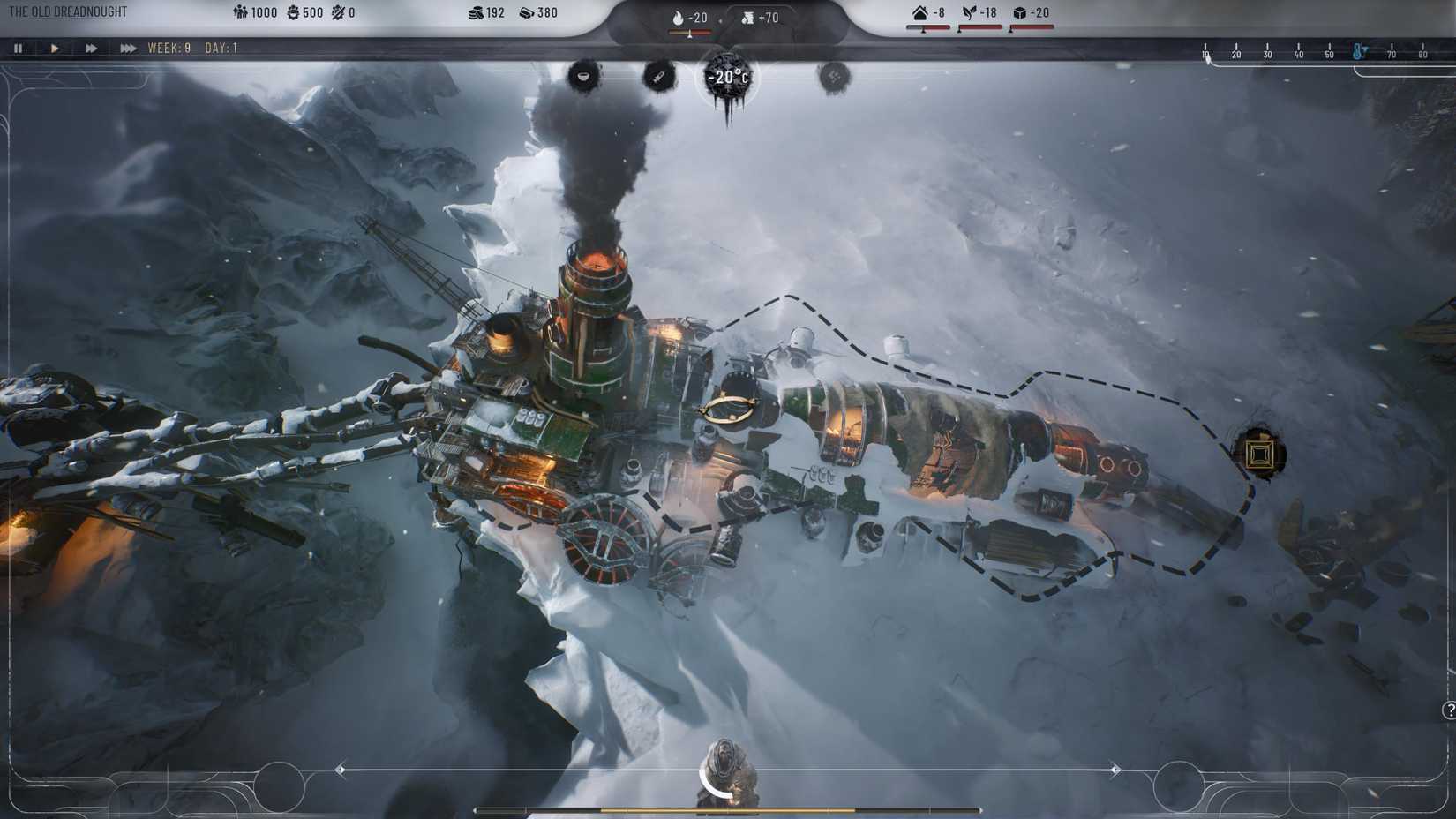
5. Frostpunk 2
Frostpunk 2 elevates the "survival city-builder" genre into the realm of high-stakes political drama. Players are no longer just managing heat levels and coal consumption; they are navigating the treacherous waters of faction politics in a dying world. It is a grueling, thoughtful experience that forces players to weigh the survival of their society against the cost of their own morality.
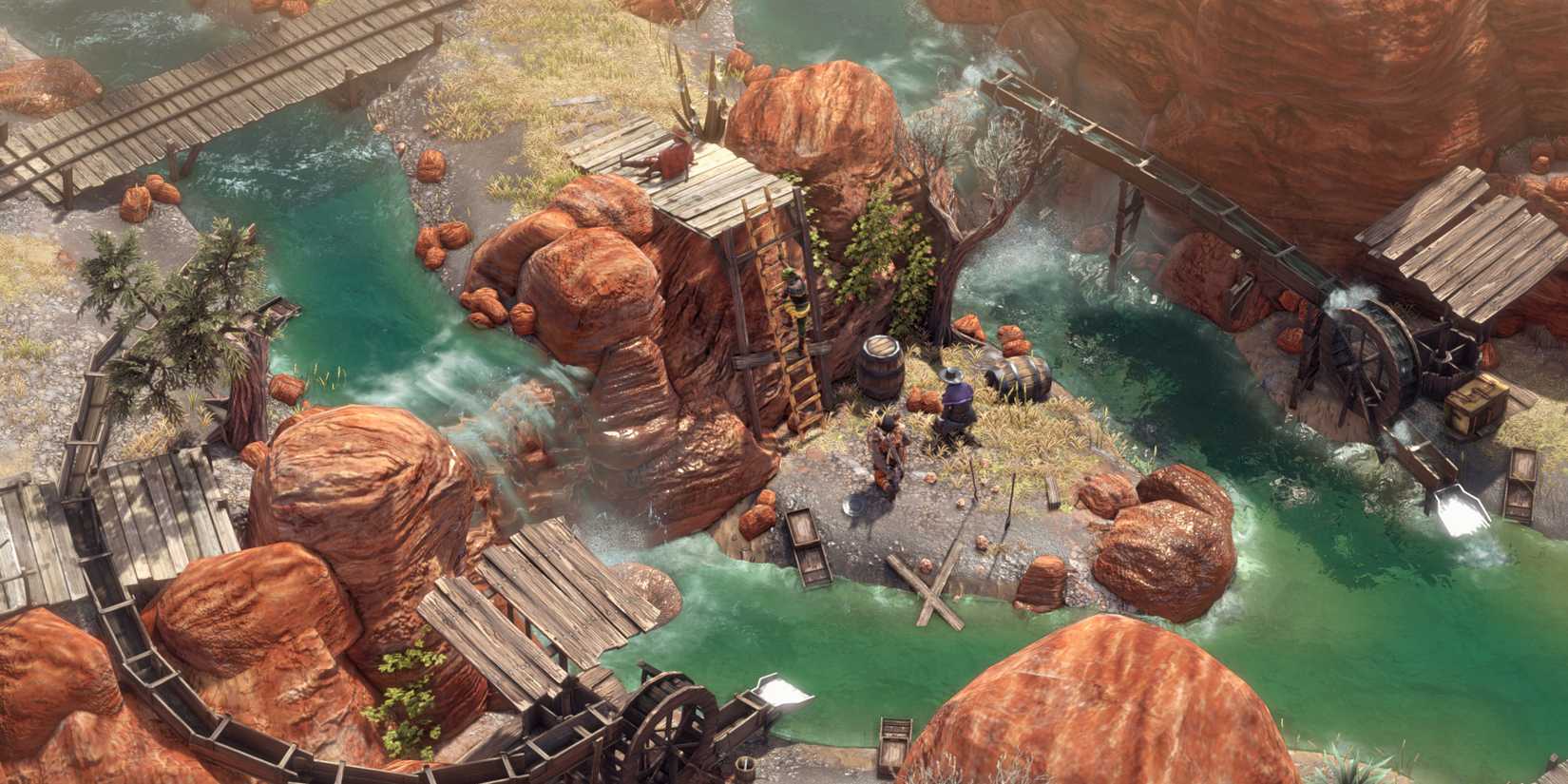
4. Desperados III
Desperados III transformed the tactical stealth genre. By setting the action in a gritty, lawless Wild West, it challenges players to act as masterminds planning a heist rather than generals commanding an army. The emphasis on stealth, synergy between character abilities, and environmental awareness makes it one of the most rewarding tactical puzzles of the last decade.
3. Marvel’s Midnight Suns
While some were skeptical of a card-based tactical game featuring superheroes, Midnight Suns proved that Firaxis Games (the minds behind XCOM) knew exactly what they were doing. The combat is deeply strategic, but the true brilliance lies in the social layer. Building relationships with Marvel icons isn’t just flavor text; it’s a mechanical necessity that unlocks powerful combat synergies.
2. Manor Lords
Manor Lords became a cultural phenomenon upon its release, and for good reason. It combines the intricate, "organic" city-building of titles like Banished with the large-scale, tactical warfare of Total War. As a medieval lord, you are responsible for everything from crop rotation and trade routes to the morale of your peasant militia. It is a faithful, demanding, and visually stunning simulation of feudal life.
1. Crusader Kings III
Topping our list is Crusader Kings III, a game that is less about conquering the world and more about surviving the machinations of your own family. As a dynasty simulator, it captures the chaos of medieval politics better than any game before it. Every character has their own ambitions, and every decision—from marriage alliances to subtle assassinations—has long-term consequences. It is the ultimate sandbox for the aspiring strategist.
Supporting Data and Trends
The data suggests that the strategy genre is healthier than ever. Platforms like Steam have seen a significant uptick in "Strategy" tag engagement, with many of the titles listed above consistently maintaining high concurrent player counts years after their initial release.
Furthermore, the "hybridization" trend—where strategy elements are mixed with deck-building, roguelite progression, or deep RPG mechanics—has expanded the genre’s demographic. Games like Midnight Suns and The Last Spell have successfully drawn in players who might have previously found traditional 4X games too dry or time-consuming.
Official Perspectives and Developer Intent
The shift toward more narrative-heavy strategy games, such as Wasteland 3 and Crusader Kings III, is no accident. In interviews, developers from studios like Paradox Interactive and InXile Entertainment have emphasized that players are looking for "emergent stories." The goal is no longer just to win the game, but to see what kind of story unfolds through the player’s unique choices. This move toward player-driven narrative is perhaps the most significant evolution in strategy design during the 2020s.
Implications for the Future
What does this mean for the future of the genre? We are likely to see even deeper integration of AI-driven systems to manage the complexities of late-game micromanagement, allowing players to focus more on high-level decision-making.
Additionally, the success of titles like Manor Lords proves that high-quality, authentic simulations have a massive, underserved audience. As hardware capabilities continue to expand, we can expect the scale of these simulations to grow, allowing for even more complex, living worlds that react dynamically to the player’s influence.
The strategy genre is no longer a relic of the past; it is a vibrant, evolving landscape that continues to challenge our intellect and reward our patience. Whether you are ruling a kingdom, managing a post-apocalyptic shelter, or leading a team of heroes against the darkness, the 2020s have ensured that the strategist’s throne is more occupied than ever.


 Ammar Sabilarrohman
 Siti Muinah