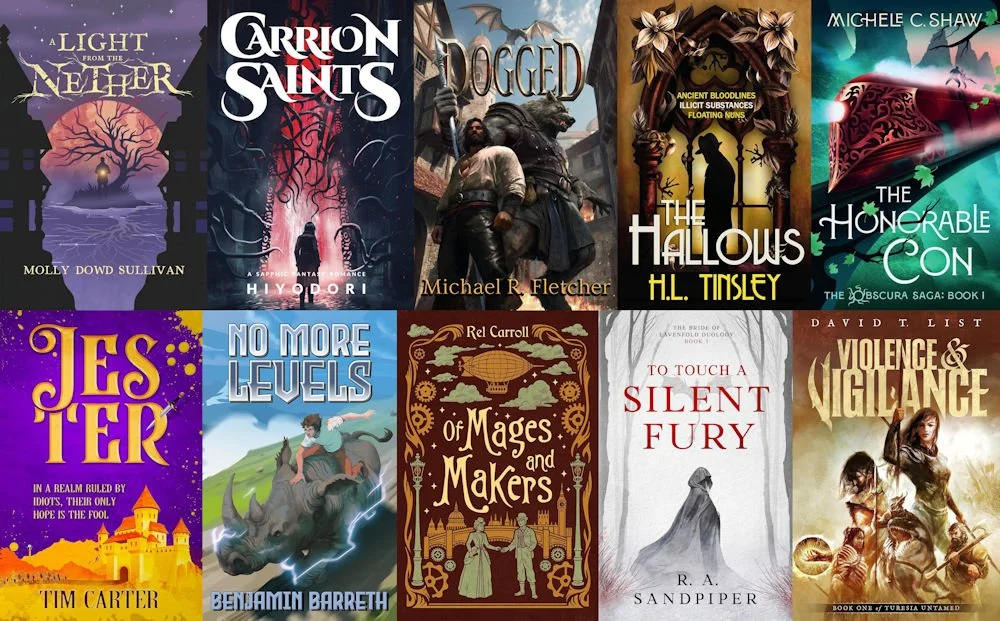
The landscape of modern fantasy literature is undergoing a seismic shift, and at the epicenter of this transformation lies the Self-Published Fantasy Blog-Off (SPFBO). Now in its 11th year, this prestigious competition—spearheaded by acclaimed author Mark Lawrence—has become the gold standard for identifying excellence within the independent publishing sector. As the industry moves into the second half of 2026, the SPFBO has officially entered "Round Two," a grueling, high-stakes final stage where the best of the best compete for the ultimate title.
For the uninitiated, the SPFBO is more than a mere contest; it is a vital discovery engine. In an era where thousands of self-published titles are released annually, the sheer volume of content can be overwhelming for readers. The SPFBO cuts through the noise, tasking ten prominent speculative fiction review blogs with the monumental duty of curating, reading, and championing the finest indie works available today.
The Anatomy of the Contest: A Two-Phase Marathon
The mechanics of the SPFBO are designed to ensure rigor and fairness, transforming a massive slush pile into a refined shortlist of elite contenders. The process is divided into two distinct phases, each requiring significant time, analytical depth, and critical discernment from the participating blogs.
Phase One: The Slush Pile Elimination
The contest begins with a massive influx of submissions—this year totaling 300 unique titles. These books are distributed equally among ten partner blogs, with each outlet receiving a "slush pile" of 30 entries. For the judges at Fantasy-Faction, the challenge is significant: to read, evaluate, and eventually cull these 30 titles down to a single representative finalist.
This process is inherently collaborative and iterative. Rather than a quick glance, judges systematically whittle down the group, often eliminating five books at a time. This allows the team to focus their attention on the most promising narratives, providing detailed feedback and eventually crafting full-length reviews for the semi-finalists. By the conclusion of this phase, each of the ten blogs has selected one "Champion" to represent them in the global finals.
Phase Two: The Finalist Face-Off
Once the ten finalists are crowned, the competition shifts gears. In Round Two, the dynamic changes from internal curation to universal scrutiny. Every participating blog is tasked with reading the other nine finalists. Each judge evaluates these books on a rigorous ten-point scale. The cumulative score determines the winner, a process that ensures the eventual champion has been vetted by dozens of professional, highly critical eyes.
Chronology of the 11th Annual Competition
The 2026 iteration of the SPFBO has been a long-term commitment for both the authors and the editorial teams involved. The timeline is designed to mirror the actual pace of high-quality literary criticism, prioritizing depth over speed.
- January 2026: The launch of SPFBO 11, accompanied by the announcement of the 300-book initial list and the introduction of the various blogging teams.
- Spring 2026: The "slush pile" period. Judges spent months reading through their respective batches, engaging in internal debates, and documenting their impressions of the various entries.
- Summer 2026: The official announcement of the ten finalists. This period serves as the transition point, where the focus shifts from individual blog preference to a collective, final judgment.
- Late 2026 (Current Phase): The evaluation period. Through December, the blogs will rotate through the remaining finalists. Fantasy-Faction has committed to a bi-monthly review schedule, ensuring that each of the finalists receives a thorough, professional critique.
- Early 2027 (Anticipated): Final tallying and the declaration of the 11th Annual SPFBO Champion.
Supporting Data: The Impact of SPFBO on Indie Authorship
The influence of the SPFBO extends far beyond the prestige of the winning title. Data from previous years indicates that inclusion in the contest—and particularly reaching the finals—often acts as a career-defining moment for independent authors.
For many, the SPFBO serves as a bridge to the mainstream. Major publishers, literary agents, and industry scouts regularly monitor the SPFBO leaderboards to identify rising stars. Beyond the commercial metrics, the contest provides authors with something arguably more valuable: professional-grade feedback. In a vacuum, a self-published author rarely receives critical analysis from seasoned reviewers. The SPFBO bridges this gap, providing a level of visibility that is typically reserved for traditionally published authors with large marketing budgets.
Official Stance and Philosophy of the Judges
The judges behind the 11th Annual SPFBO are not merely consumers of content; they are active participants in the literary ecosystem. The Fantasy-Faction team, led by Editor Jennie Ivins, emphasizes a philosophy of "subjective excellence."
"All reading is subjective," Ivins noted in the recent editorial briefing. "Each book that has made it to the finalist stage is already a winner, having outperformed 29 other entries in its respective starting pool. We are selecting our reading order based on ‘vibes’ and engagement, but the goal remains the same: to provide a platform for stories that deserve a wider audience."
The judging panel for this year’s cohort is a diverse group of fourteen seasoned critics, including Adawia Asad, Eva Geraghty, and E.G. Stone, among others. Their collective expertise covers a broad spectrum of sub-genres, from high-fantasy epics to gritty grimdark and character-driven explorations. This diversity is essential to the integrity of the contest; by ensuring the judging panel is not a monolith, the SPFBO guards against genre bias and stylistic echo chambers.
Implications for the Future of Fantasy Literature
As we look toward the conclusion of this year’s competition, the implications for the broader publishing industry are clear. The SPFBO has effectively deconstructed the "gatekeeper" model of the 20th century. While traditional publishing still holds significant power, the SPFBO proves that high-quality, professional-grade literature is flourishing outside of the traditional infrastructure.
The Rise of the "Indie-Pro"
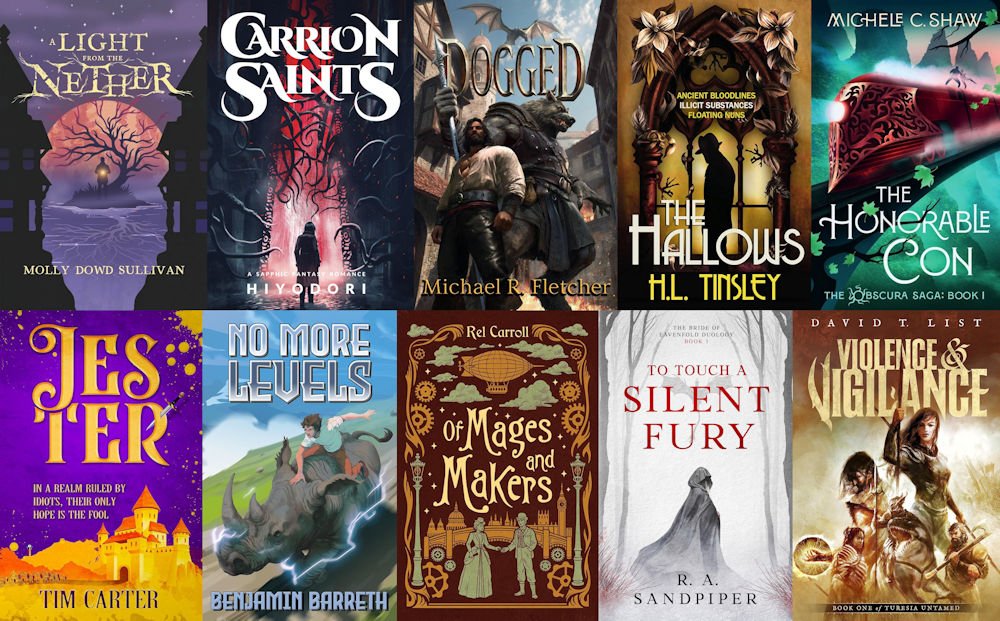
The finalists of SPFBO 11 demonstrate a level of polish—in editing, cover design, and narrative structure—that rivals the output of the "Big Five" publishers. This suggests that the barrier to entry for professional-level success is no longer access to a legacy publisher, but rather the ability to produce compelling, well-crafted stories that find their audience through rigorous critical validation.
Community Engagement as Marketing
The SPFBO also highlights the growing importance of community-led discovery. By leveraging the platforms of dedicated blogs, the contest creates a grassroots marketing wave that is authentic and highly effective. Readers are more likely to trust the recommendation of a blog they have followed for years than a generic advertisement. This "trust-based" model of discovery is likely to become the blueprint for future independent success stories.
A Call to Action for Readers
As the judging continues through the end of the year, the organizers are calling upon the speculative fiction community to participate in the process. The strength of the SPFBO lies in the engagement of its audience.
Readers are encouraged to:
- Follow the Leaderboards: Monitor Mark Lawrence’s official blog and the Fantasy-Faction social channels for the latest scores and updates.
- Engage the Authors: If a finalist resonates with you, leaving a review on major platforms like Goodreads or Amazon is the single most impactful action a reader can take to support independent authors.
- Join the Conversation: Participate in the SPFBO Facebook group and follow the #SPFBO tag on platforms like Bluesky and Threads to interact directly with the authors and judges.
Conclusion
The 11th Annual SPFBO is a testament to the resilience and creativity of the self-publishing community. While the road to the crown is arduous and the competition is fierce, the true victory lies in the continued elevation of the fantasy genre. Whether a book wins the title or simply secures a spot in the finals, the SPFBO ensures that exceptional stories are no longer lost to the vast, uncaring ocean of the digital marketplace. As the judges finalize their scores and the year draws to a close, the focus remains on the primary mission: celebrating the craft of writing and ensuring that the next great fantasy classic finds its way into the hands of those who will cherish it most.