

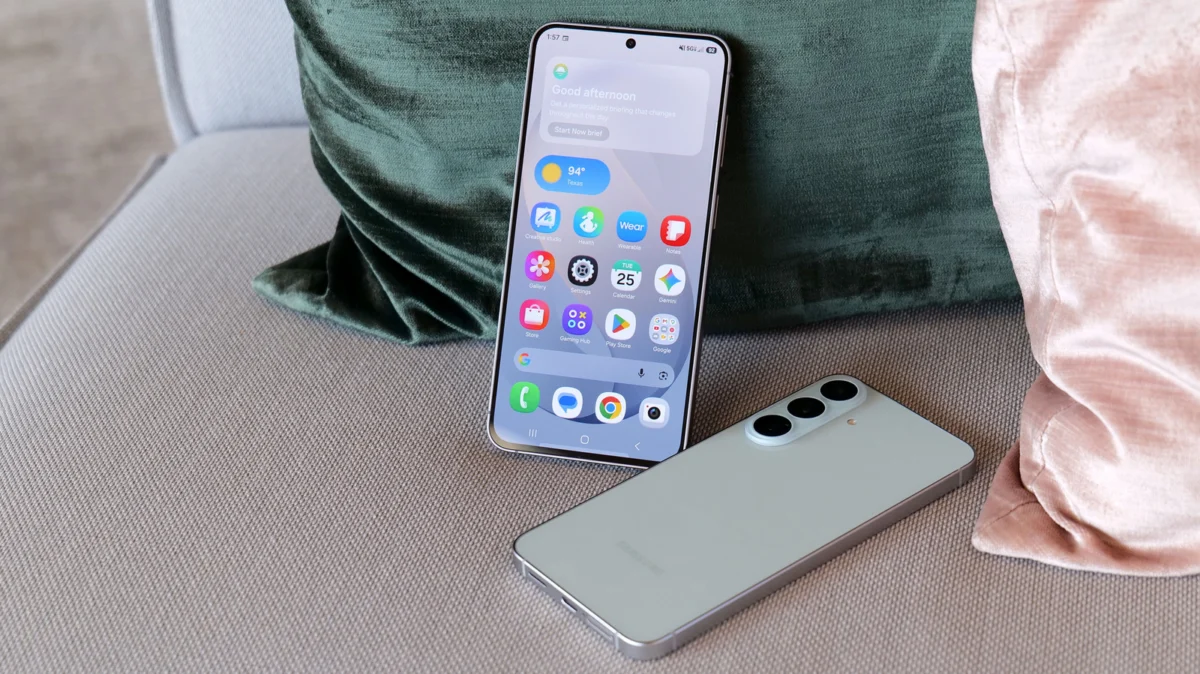
Samsung has officially pulled back the curtain on its latest entry into the "Fan Edition" (FE) series: the Galaxy S26 FE. Positioned as a strategic bridge between the budget-conscious A-series and the high-performance flagship S26 lineup, the device attempts to distill the core experience of a premium smartphone into a more accessible price point. With a starting MSRP of $700, the S26 FE arrives as a device of calculated compromises, offering the aesthetic polish of the S26+ while operating under a slightly more conservative hardware profile.
Main Facts: What Defines the S26 FE?
The Galaxy S26 FE is designed for the user who demands the flagship experience—large displays, robust software support, and a premium design language—without the flagship price tag. At its core, the device mimics the physical footprint of the S26+, featuring a expansive 6.7-inch OLED display. While it retains the smooth 120Hz refresh rate that has become a staple of the series, it sacrifices some peak brightness, topping out at 1,900 nits compared to the 2,600 nits found on the higher-end S26+.
Internally, the phone shifts away from the industry-leading Snapdragon chips found in the standard S26 models, opting instead for Samsung’s own Exynos 2500 processor. It is supported by 8GB of RAM and storage configurations of 128GB or 256GB. While the 8GB RAM threshold is consistent with last year’s model, it marks a divergence from the rest of the S26 family, which has standardized at 12GB.
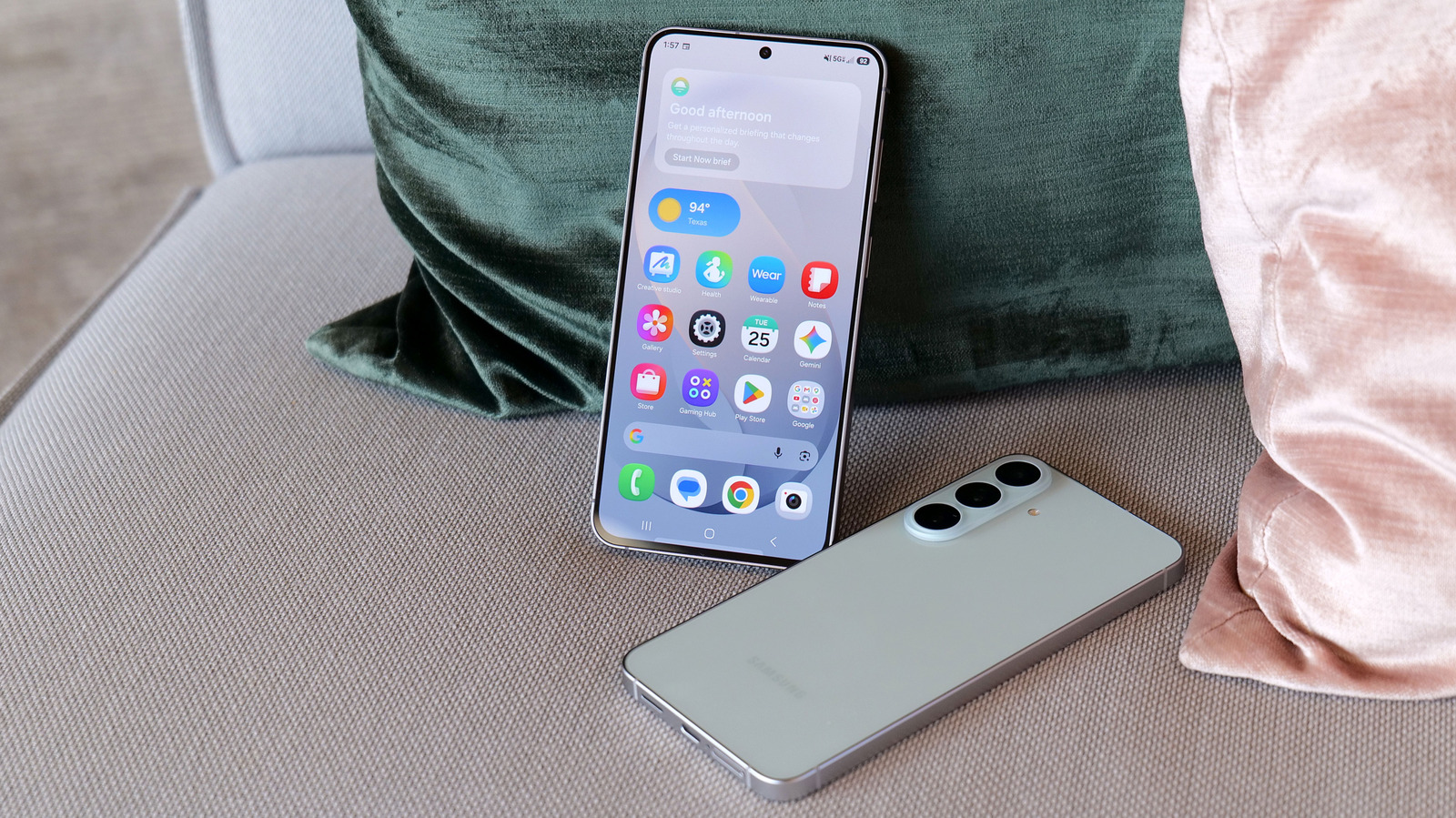
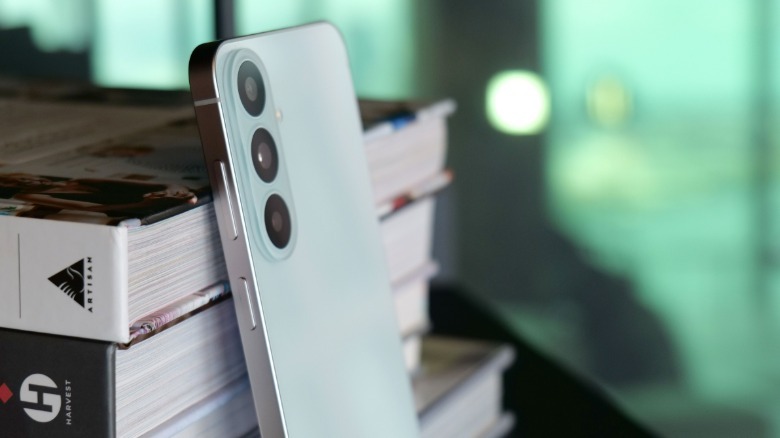
The camera system is equally balanced, featuring a 12MP main sensor, a 50MP ultra-wide lens, and an 8MP telephoto lens with 3x optical zoom. The device is powered by a 4,900mAh battery, supported by 45W wired and 15W wireless charging, and carries the promise of seven years of software support, cementing Samsung’s commitment to longevity in the mid-range segment.
Chronology: The Evolution of the FE Lineage
To understand the S26 FE, one must look at the evolution of the "Fan Edition" strategy. Introduced as a way to offer flagship features based on user feedback, the series has consistently occupied a precarious space in Samsung’s ecosystem.
- Initial Concept: The original FE models were born from the desire to provide high-end hardware at a price point that didn’t alienate the average consumer.
- Refinement Phase: Over the last three years, the FE series shifted from being a "budget flagship" to a sophisticated alternative to the base S-series models.
- The Current Landscape: The S26 FE follows the S25 FE, which faced price pressures due to global supply chain volatility. With a $50 price hike over last year’s model, the S26 FE reflects the current reality of the semiconductor market, where RAM shortages and component costs have forced OEMs to pass incremental costs to the consumer.
- Launch Window: Following weeks of industry speculation, the device was unveiled this week, with a retail release scheduled for September 3, available in three distinct colorways: pistachio, blueberry, and graphite.
Supporting Data: Specs and Market Positioning
When analyzing the S26 FE, the numbers tell a story of trade-offs.
| Feature | Galaxy S26 FE | Galaxy S26+ |
|---|---|---|
| Processor | Exynos 2500 | Snapdragon 8 Elite Gen 5 |
| RAM | 8GB | 12GB |
| Peak Brightness | 1,900 nits | 2,600 nits |
| Build Material | Polycarbonate Back | Glass Back |
| Starting Price | $700 | $900 |
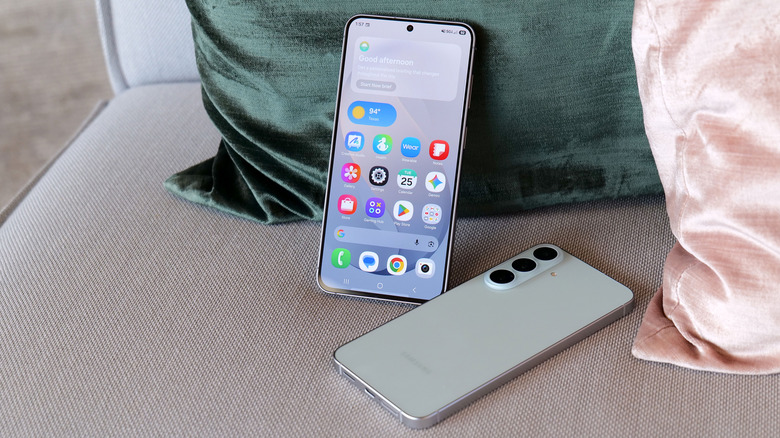
The choice of materials is perhaps the most subtle, yet significant, cost-cutting measure. While the S26 FE utilizes an aluminum frame—giving it a sturdy, premium feel in the hand—the rear panel is constructed from polycarbonate. While modern plastic manufacturing has evolved to be highly durable and visually indistinguishable from glass to the untrained eye, it remains a departure from the "premium" materials found in the rest of the S26 family.
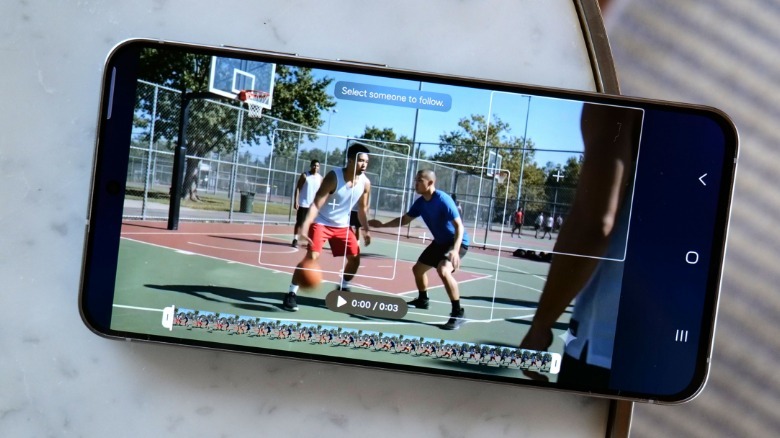
Furthermore, the integration of software features such as "Super Steady Video," "FanCam," and the "Now Nudge" AI notification system ensures that the S26 FE does not feel like a "second-class" device. By porting the core software experience of the flagship series to the FE, Samsung is successfully maintaining a unified ecosystem, ensuring that a user switching from an A-series phone feels the significant leap in utility and intelligence.
Official Perspectives: Samsung’s Strategic Intent
While Samsung has not issued a detailed breakdown of the internal decision-making process regarding the choice of the Exynos 2500, the company’s messaging emphasizes the "democratization of premium features."
Industry analysts suggest that by utilizing the Exynos chipset, Samsung is not only managing production costs but also diversifying its supply chain to mitigate the risks associated with total reliance on a single chipset manufacturer. Furthermore, the decision to maintain seven years of software support for the FE line is a direct response to consumer demands for longer device lifecycles. By promising to keep the S26 FE updated well into the 2030s, Samsung is attempting to justify the $700 price tag, effectively lowering the "cost per year" for the consumer.
Implications: The Value Proposition and the "Used" Dilemma
The most compelling argument against the S26 FE is not found in its spec sheet, but in the secondary market. With the base S26+ currently retailing for $900, the price gap is narrow. However, as the S26+ has been on the market since February, the availability of high-quality, pre-owned, or refurbished units at the $700 mark creates a direct internal competitor for the new FE model.
The Case for the S26 FE:
- Warranty and Support: Buying a new device ensures a full manufacturer warranty and the peace of mind that the device has not been subjected to previous wear and tear.
- Condition: The "new-in-box" experience, including the pristine battery health of a factory-fresh unit, is a major factor for consumers who keep their phones for 3–5 years.
- Predictability: The FE series is designed to be the "safe" choice—a balanced, reliable, and modern handset that fits the specific needs of a broad demographic.
The Case Against:
- Diminishing Returns: For the same $700, a savvy consumer can secure a pre-owned S26+ with superior specs, better build materials, and a more powerful chipset.
- Performance Uncertainty: While the Exynos 2500 is likely capable, the lack of real-world stress testing against the Snapdragon 8 Elite Gen 5 leaves power users in a state of hesitation.
Conclusion: A Balanced Future
The Samsung Galaxy S26 FE is, by all accounts, a "perfectly cromulent" device. It is a phone that succeeds in its primary mission: to provide a premium look and feel without the premium price tag. For the average consumer who is wary of the risks associated with the second-hand market and wants a device that will remain relevant for the next seven years, the S26 FE offers a compelling, if somewhat predictable, value proposition.
As we look toward the future of the smartphone market, the FE series stands as a testament to the fact that hardware innovation is no longer just about pushing the limits of speed and power. Instead, it is about the careful curation of features to provide a high-quality experience at a price point that keeps the brand relevant in an increasingly competitive mid-range market. Whether it succeeds in capturing the "fan" base it targets will depend on how the Exynos 2500 performs under the pressures of daily use—a metric that will be the true judge of whether this "budget flagship" truly lives up to its name.











