Neng Nana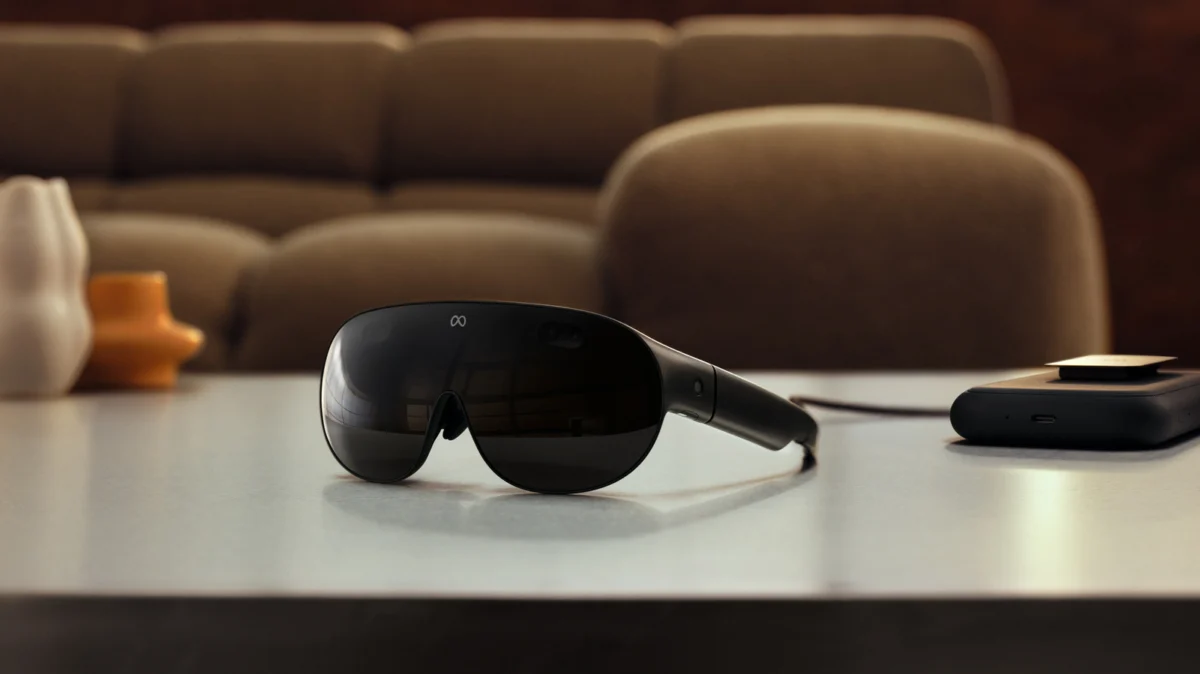
The fall season has once again become the epicenter of hardware innovation for Meta. At Meta Connect 2026, the company laid out an ambitious roadmap that pushes the boundaries of spatial computing, artificial intelligence, and personal audio. From the unveiling of the highly anticipated Meta VR Glasses to a bold, pocket-sized AI companion, the event signaled a pivot from traditional bulky headsets toward a future of "always-on", lightweight, and highly integrated digital experiences.
The Main Event: Meta VR Glasses
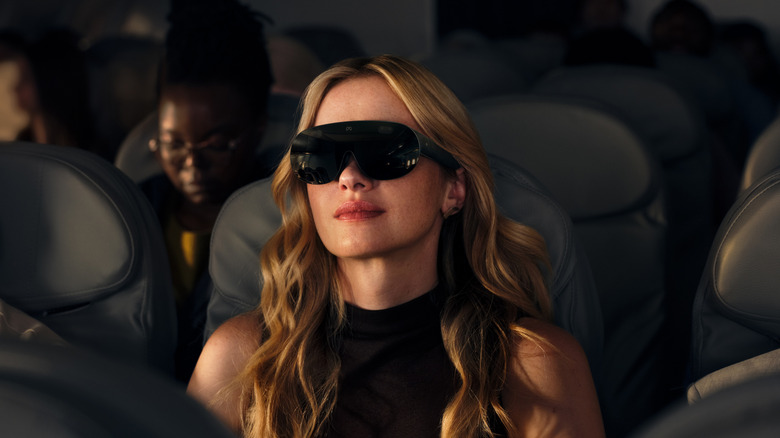
The headline announcement was the official unveiling of the Meta VR Glasses, a product that has been the subject of industry speculation since 2023. Breaking away from the "headset" form factor, these glasses are designed for portability and comfort.
Design and Hardware Specifications
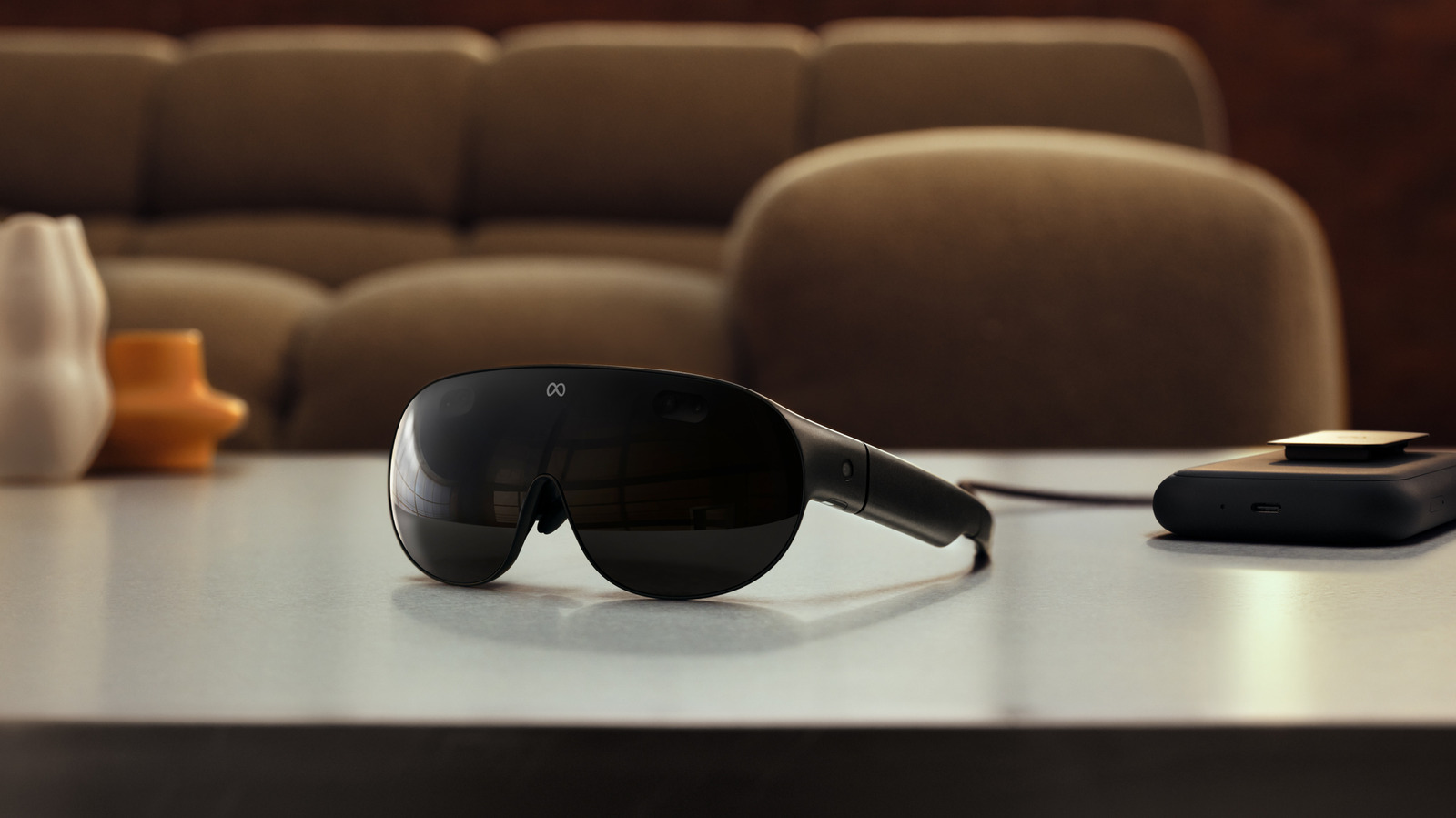
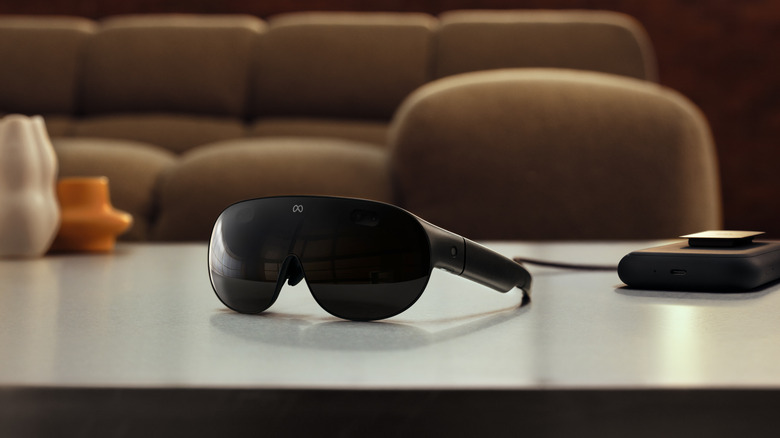
Weighing in at approximately 100 grams—roughly five times lighter than the current Meta Quest 3—these glasses utilize a sleek magnesium alloy frame and advanced pancake lenses to achieve a low profile. They boast a 5K display capable of "cinema-grade clarity," with full support for Dolby Vision and Dolby Atmos spatial audio. Notably, they are the first VR device to receive IMAX Enhanced certification.
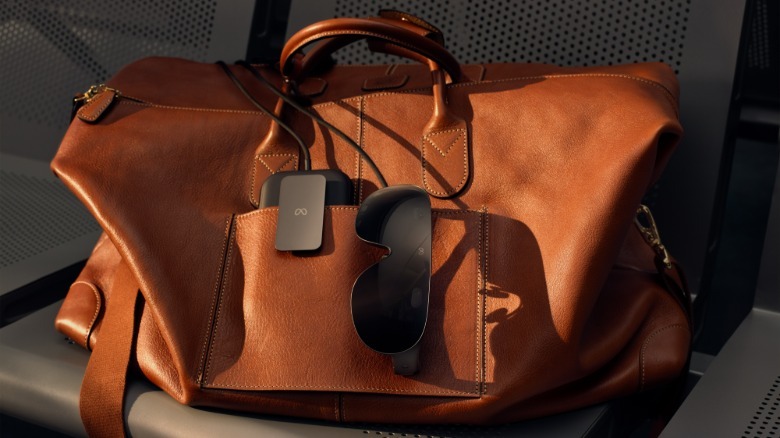
The architecture is unique: the processing power, storage, and battery are housed in a tethered "puck," allowing the glasses themselves to remain featherlight. Powered by the Qualcomm Snapdragon Reality Elite chipset, the device is capable of three hours of continuous high-resolution media playback, with 45W fast-charging support for the puck.
Productivity and Ecosystem
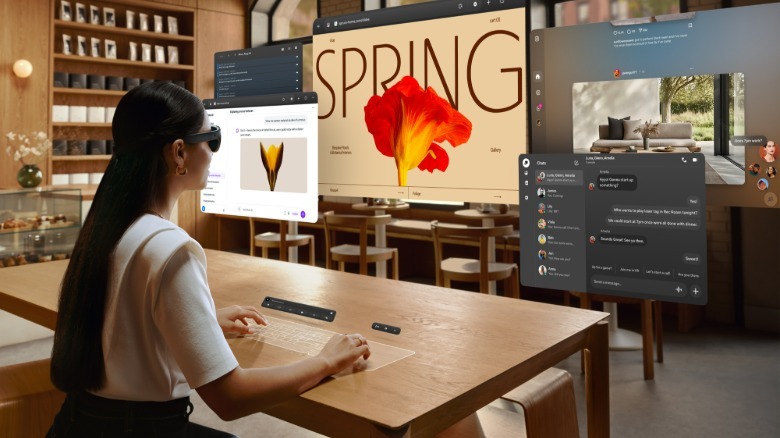
Meta is positioning the glasses as a legitimate professional tool. By connecting to a Windows PC or Mac, users can project a virtual desktop onto their surroundings, interacting via hand gestures, voice commands, eye-tracking, or physical peripherals. For communication, the device supports holographic avatars in apps like WhatsApp and Zoom, adding a layer of spatial depth to remote meetings.
The Evolution of Ray-Ban Meta
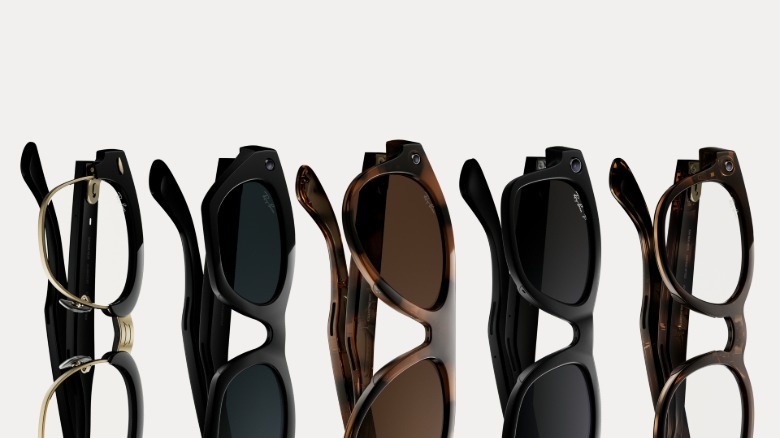
Meta continues to dominate the smart glasses market by refining its partnership with EssilorLuxottica. This year, the company introduced two distinct paths for the product line: a camera-free audio model and a third-generation camera-equipped model.
Ray-Ban Meta Audio
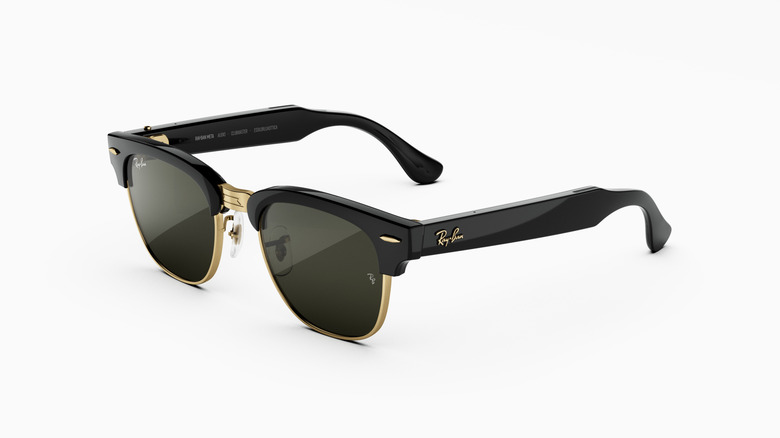
Recognizing the privacy concerns often associated with camera-equipped wearables, Meta has launched the "Ray-Ban Meta Audio" glasses. These focus purely on audio consumption, voice interaction with Meta AI, and communication. They offer up to 12 hours of battery life, with an additional 48 hours provided by the charging case. Available in iconic styles like the Clubmaster and Burbank, these glasses aim for a broader, fashion-forward audience who want smart features without the "pervert glasses" stigma.
The Gen 3 Refresh
The standard Ray-Ban Meta line received a significant update. The third-generation model is slimmer and features an integrated button to trigger Meta AI directly. With a six-microphone array capable of suppressing 90% of background noise and a 12MP camera supporting 3K video, these glasses are becoming a serious content-creation tool. The introduction of the classic Aviator style and new limited-edition collaborations with figures like Kylie Jenner and Blackpink’s Lisa highlights Meta’s intent to cement these devices as mainstream lifestyle accessories.
Hearing Enhancement: A Regulatory Leap
In a move that mirrors Apple’s recent foray into health-tech, Meta announced a new FDA-cleared hearing enhancement feature for its glasses. Designed for users who experience mild difficulties in noisy environments rather than those requiring clinical hearing aids, the feature uses a customized audio profile created by testing the user’s hearing in a quiet room. The feature will be accessible via a subscription model or a one-off fee, and Meta has confirmed it is eligible for HSA/FSA reimbursement, underscoring its utility as a medical-adjacent tool.
Gaming and Immersive Entertainment
The software ecosystem is seeing a massive overhaul, particularly with the company’s flagship VR title, Beat Saber.
The Biggest Update to Beat Saber
The upcoming spring update for Beat Saber will be the most significant in the game’s history. It introduces a new "Flux" single-player mode, which utilizes hand tracking to allow players to manipulate energy tethers, moving away from the necessity of controllers. The game is also receiving a narrative-driven campaign, a new progression system, and a completely redesigned UI.
Bringing the Courtroom to VR
Perhaps the most surprising gaming announcement was the debut of Phoenix Wright: Ace Attorney – Dual Destinies in virtual reality. Bringing the beloved legal drama to Meta VR Glasses and Quest, the game allows for full hand-tracking and voice recognition, enabling players to physically point at evidence and shout "Objection!"—a feature that promises to be a massive hit for the franchise’s dedicated fanbase.
Streaming and Sports
Meta is aggressively pursuing high-fidelity entertainment. Starting this November, Disney+ subscribers will be able to watch 3D content like The Avengers on Meta hardware. By next spring, the "Disney Immersive Cinema" app will allow users to experience films as if they are inside the environment. Furthermore, sports fans can expect 8K, 180-degree live streams of college football and eventually broader professional sports content through partnerships with the NBA, MLB, and NBC Sports.
Chronology of Announcements
- Morning Keynote: Official reveal of Meta VR Glasses (launching next spring, $1,300).
- Mid-Morning: Introduction of the Ray-Ban Meta Audio line ($349, shipping Oct 13).
- Afternoon Session: Updates on Ray-Ban Meta Gen 3 ($449) and new style collaborations.
- Product Demos: Rollout of the hearing enhancement feature and Beat Saber Flux mode.
- Closing: Surprise reveal of the "Muse Charm" keychain device.
Official Responses and Implications
Meta’s strategy appears to be a two-pronged attack: mass-market appeal through stylish, lower-cost smart glasses (Ray-Ban Meta) and high-end, futuristic spatial computing (Meta VR Glasses).

"We are moving toward a world where technology doesn’t just sit on your face, but becomes a seamless part of how you interact with reality," said a Meta spokesperson. The company’s emphasis on "holographic presence" suggests they are racing against Apple to define the future of telepresence.
However, the high price point of the Meta VR Glasses ($1,300) and the reliance on a tethered puck may create a barrier to entry. Critics are also watching closely to see how the "Muse Charm"—a mysterious, Tamagotchi-like hardware device housing a personal AI agent—will be received. Zuckerberg described the Muse Charm as a "personal AI that is always available to talk to," implying a shift toward AI being a physical companion rather than just a software interface.
The Implications for the Future
The 2026 Connect event makes one thing clear: Meta is betting the company on the transition from the smartphone era to the "wearable AI" era. By integrating AI into glasses, keychains, and VR headsets, the company is attempting to make digital interaction invisible and ambient.
The focus on "hearing enhancement" and "holographic avatars" suggests a company pivoting toward accessibility and human connection. Whether the public is ready to embrace a $1,300 pair of glasses or a keychain-sized AI assistant remains to be seen. However, by diversifying their hardware portfolio—ranging from a $249 pair of basic smart glasses to a $1,300 spatial computer—Meta is ensuring that they have a foothold at every level of the market, effectively preparing for a post-screen world.

As we look toward 2027, the success of these products will depend not just on the hardware specs, but on the software ecosystem. With the integration of Xbox Cloud Gaming, Disney’s 3D library, and a robust new suite of productivity tools, Meta is building a "walled garden" that is increasingly difficult for the average consumer to ignore. The race for the next computing platform has officially moved from the desk to the face, and Meta is leading the charge with a relentless, multifaceted strategy.


 Raul Delapena Setiawan
 Azzam Bilal Chamdy